
Europe is a continent of extraordinary contrasts, where every border opens the door to a new world of history, culture, architecture, and natural beauty. From the dramatic cliffs of the Atlantic Ocean to the sun-drenched islands of the Mediterranean, from Arctic wilderness to medieval cities, Europe offers an incredible variety of travel experiences.
Travel north, and you will discover breathtaking fjords, glaciers, vast forests, and the magical midnight sun. Head south, and the scenery transforms into turquoise waters, whitewashed villages, vineyards, and spectacular Mediterranean coastlines.
Between these contrasting landscapes lie imperial capitals, charming mountain towns, ancient castles, Gothic cathedrals, and picturesque countryside that seems untouched by time.
While famous destinations such as Paris, Rome, London, and Barcelona attract millions of visitors, Europe’s true beauty extends far beyond these iconic cities. Hidden mountain nations, remote islands, historic villages, and lesser-known countries reveal the continent’s remarkable diversity.
In this comprehensive Europe travel guide, we explore 44 countries in Europe, highlighting their most beautiful destinations, cultural treasures, natural wonders, and unforgettable experiences.
Whether you are planning your first European vacation, searching for hidden gems, or dreaming of an unforgettable journey across the continent, this guide will help you discover what makes each country special.
1. Albania – Untouched Beauty Between Mountains and Sea
Albania is one of Europe’s most underrated travel destinations, offering an extraordinary combination of turquoise coastlines, dramatic mountains, ancient ruins, and historic Ottoman towns.
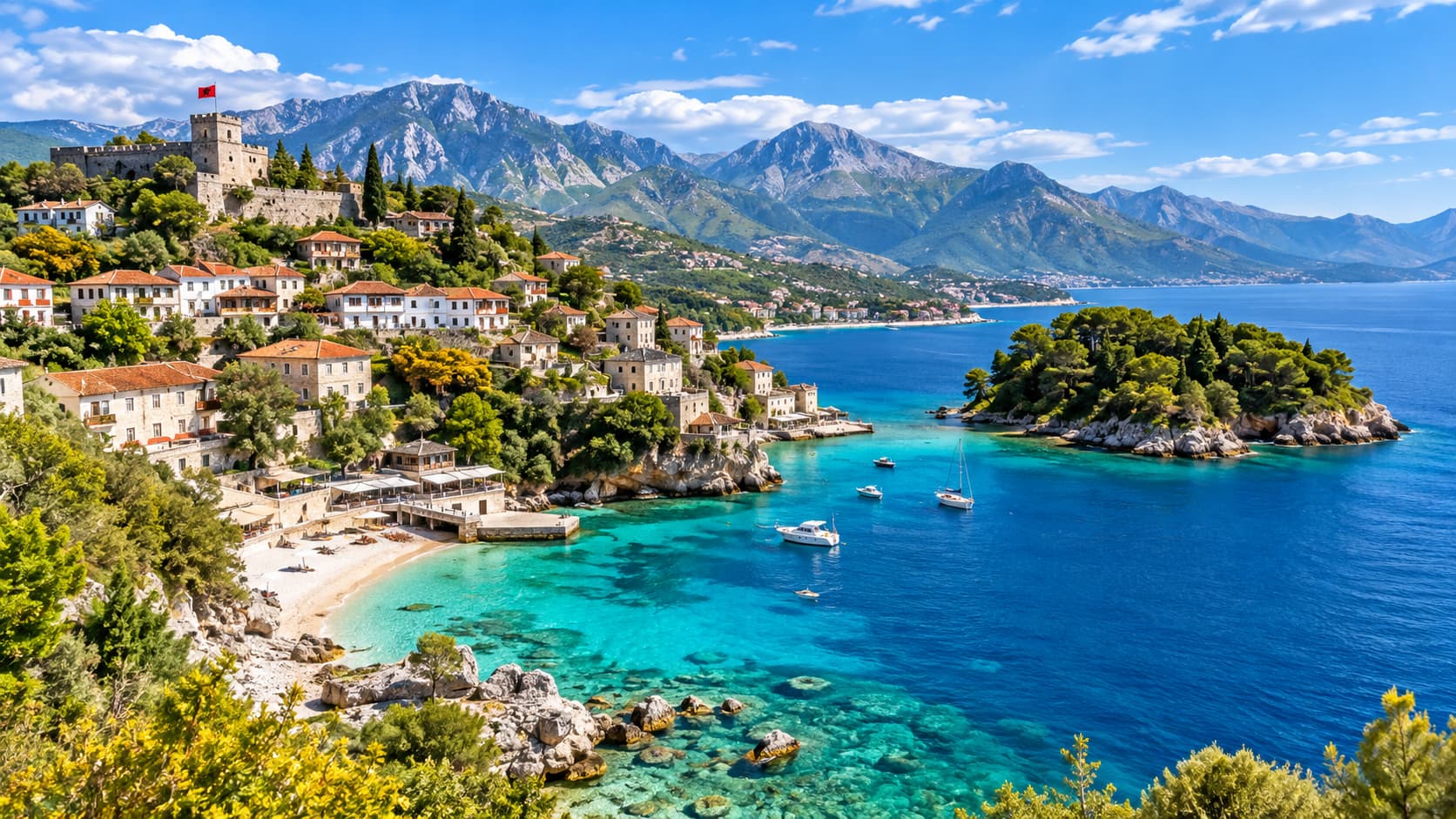
Located along the Adriatic and Ionian seas, this Balkan country rewards travelers with landscapes that remain relatively untouched by mass tourism.
The capital, Tirana, is a lively city filled with colorful buildings, bustling squares, museums, and cafés. Its vibrant atmosphere reflects Albania’s transformation while preserving reminders of its complex twentieth-century history.
One of Albania’s most beautiful historic destinations is Berat, often called the City of a Thousand Windows. Its white Ottoman houses climb the hillside above the Osum River, creating a spectacular architectural landscape.
Another must-visit destination is Gjirokastër, a UNESCO-listed town famous for its stone-roofed houses, steep cobblestone streets, and imposing hilltop fortress.
Along the Albanian Riviera, destinations such as Himarë, Dhërmi, and Ksamil offer crystal-clear Mediterranean waters, beautiful beaches, and picturesque coastal scenery.
History enthusiasts should visit Butrint National Park, where ancient Greek, Roman, Byzantine, and Venetian remains stand within a remarkable natural environment.
Northern Albania offers a completely different experience. The Albanian Alps, particularly the mountain villages of Theth and Valbona, provide spectacular hiking trails, dramatic valleys, and traditional rural landscapes.
Lake Koman is another unforgettable destination, where boat journeys pass between steep mountains rising above emerald-green water.
Why visit Albania? Its combination of affordable travel experiences, Mediterranean beaches, historic towns, and spectacular mountain landscapes makes it an exceptional destination for adventurous travelers.
2. Andorra – A Hidden Mountain Paradise in the Pyrenees
Nestled high in the Pyrenees between France and Spain, Andorra is one of Europe’s smallest countries, yet its spectacular mountain landscapes make it an outstanding destination for nature lovers.
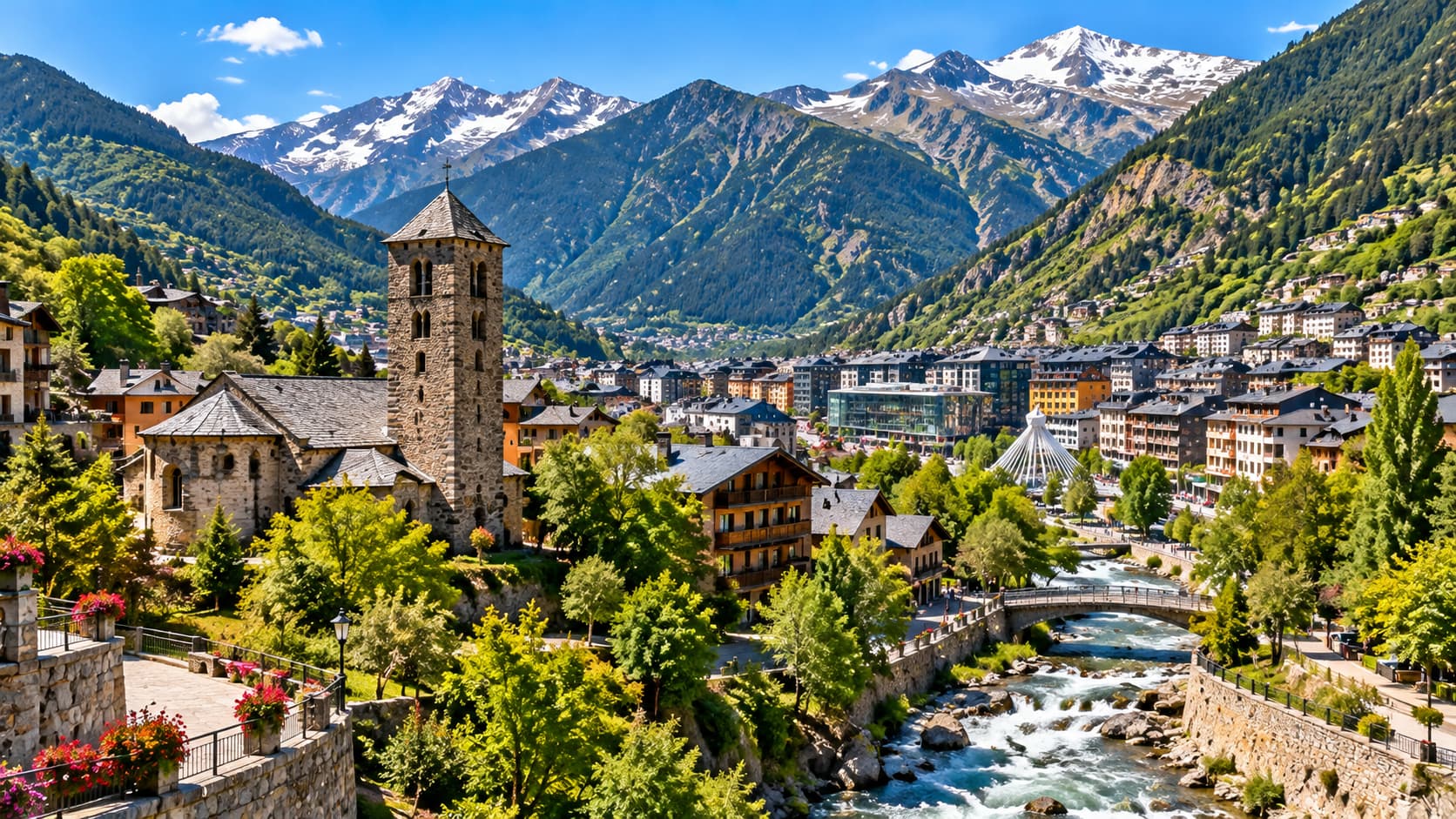
Covering less than 500 square kilometers, this tiny principality is characterized by rugged peaks, deep valleys, picturesque villages, and a distinctive Catalan cultural heritage.
Andorra la Vella, the capital, sits in a narrow mountain valley. Its historic district, Barri Antic, features traditional stone buildings, charming streets, and landmarks such as Casa de la Vall, the former seat of the country’s parliament.
Beyond the capital, Andorra reveals its greatest attraction: pristine alpine scenery.
The Madriu-Perafita-Claror Valley, a UNESCO World Heritage Site, protects forests, mountain streams, high-altitude pastures, and traditional shepherd settlements.
During winter, Andorra becomes one of southern Europe’s leading skiing destinations. Resorts such as Grandvalira and Pal Arinsal attract visitors with extensive ski slopes and spectacular mountain views.
Summer offers equally rewarding experiences, including hiking, mountain biking, cycling, and exploring scenic alpine lakes.
Traditional villages such as Ordino preserve Romanesque churches, stone houses, and a peaceful atmosphere.
Why visit Andorra? This tiny country offers an ideal combination of mountain adventures, traditional villages, scenic hiking trails, and winter sports.
3. Austria – Alpine Landscapes, Imperial Cities, and Classical Music
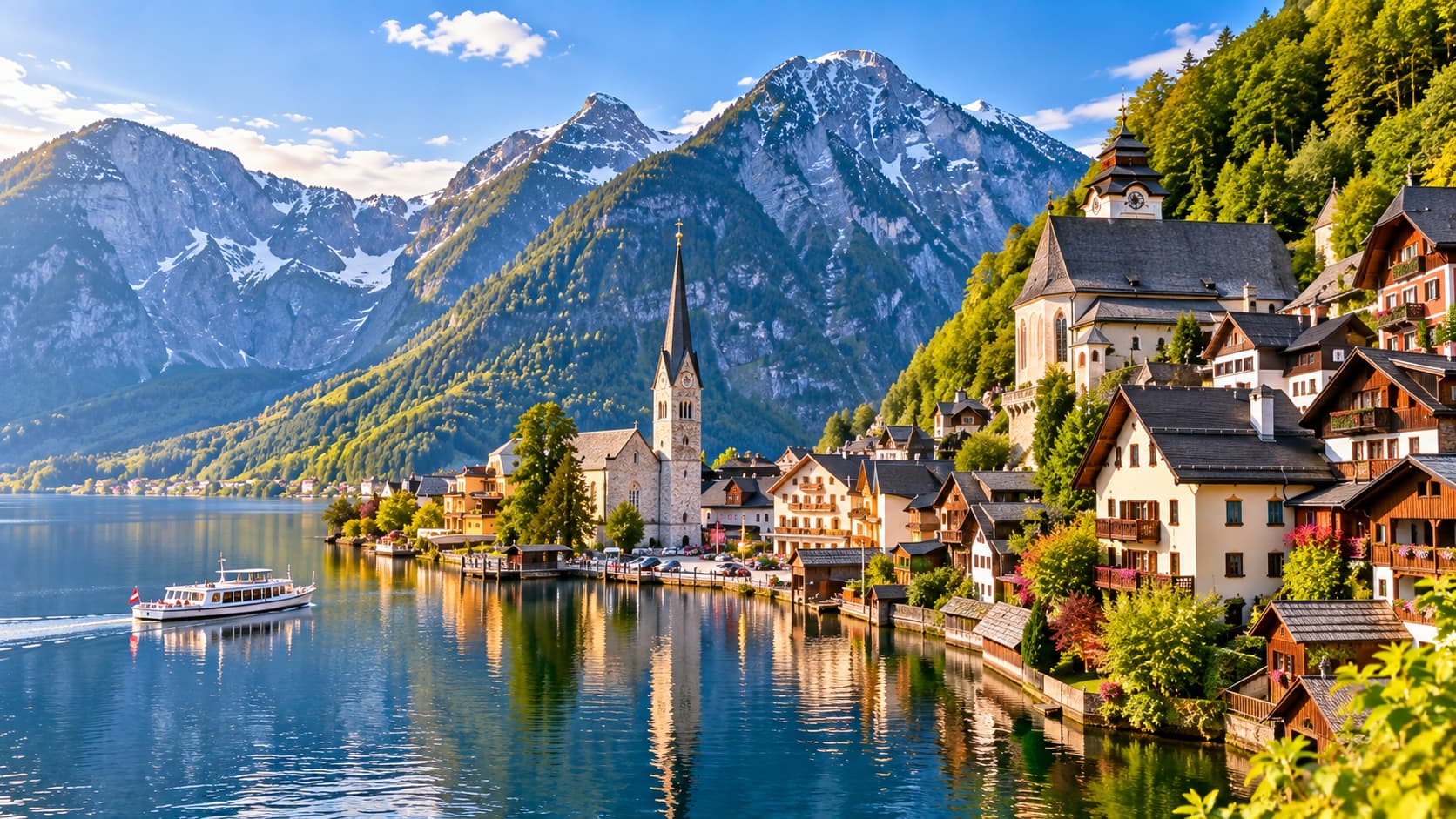
Austria is one of the most beautiful countries in Central Europe, celebrated for its magnificent Alpine landscapes, crystal-clear lakes, imperial architecture, and extraordinary musical heritage.
Vienna, the elegant capital, reflects centuries of Habsburg history through magnificent landmarks such as Schönbrunn Palace, the Hofburg, and its grand boulevards.
The city is also deeply connected to classical music, with composers such as Mozart, Beethoven, and Strauss forming an essential part of its cultural identity.
Salzburg offers another unforgettable experience. Its Baroque architecture, historic churches, and hilltop Hohensalzburg Fortress create a picturesque cityscape framed by the Alps.
Outside Austria’s historic cities, spectacular natural landscapes dominate.
Hallstatt, one of Europe’s most photographed villages, sits beside a peaceful lake surrounded by towering mountains. The wider Salzkammergut region features beautiful lakes, traditional villages, and scenic mountain roads.
Innsbruck combines medieval architecture with dramatic Alpine scenery, making it a popular destination for hiking and winter sports.
The Wachau Valley follows the Danube River past vineyards, castles, monasteries, and charming historic towns.
Austrian culture is also reflected in its traditional cuisine, including Wiener schnitzel, apple strudel, mountain cheeses, and regional wines.
Why visit Austria? Few countries combine classical music, imperial history, picturesque villages, and spectacular Alpine scenery as beautifully as Austria.
4. Belarus – Ancient Forests, Historic Castles, and Eastern European Heritage
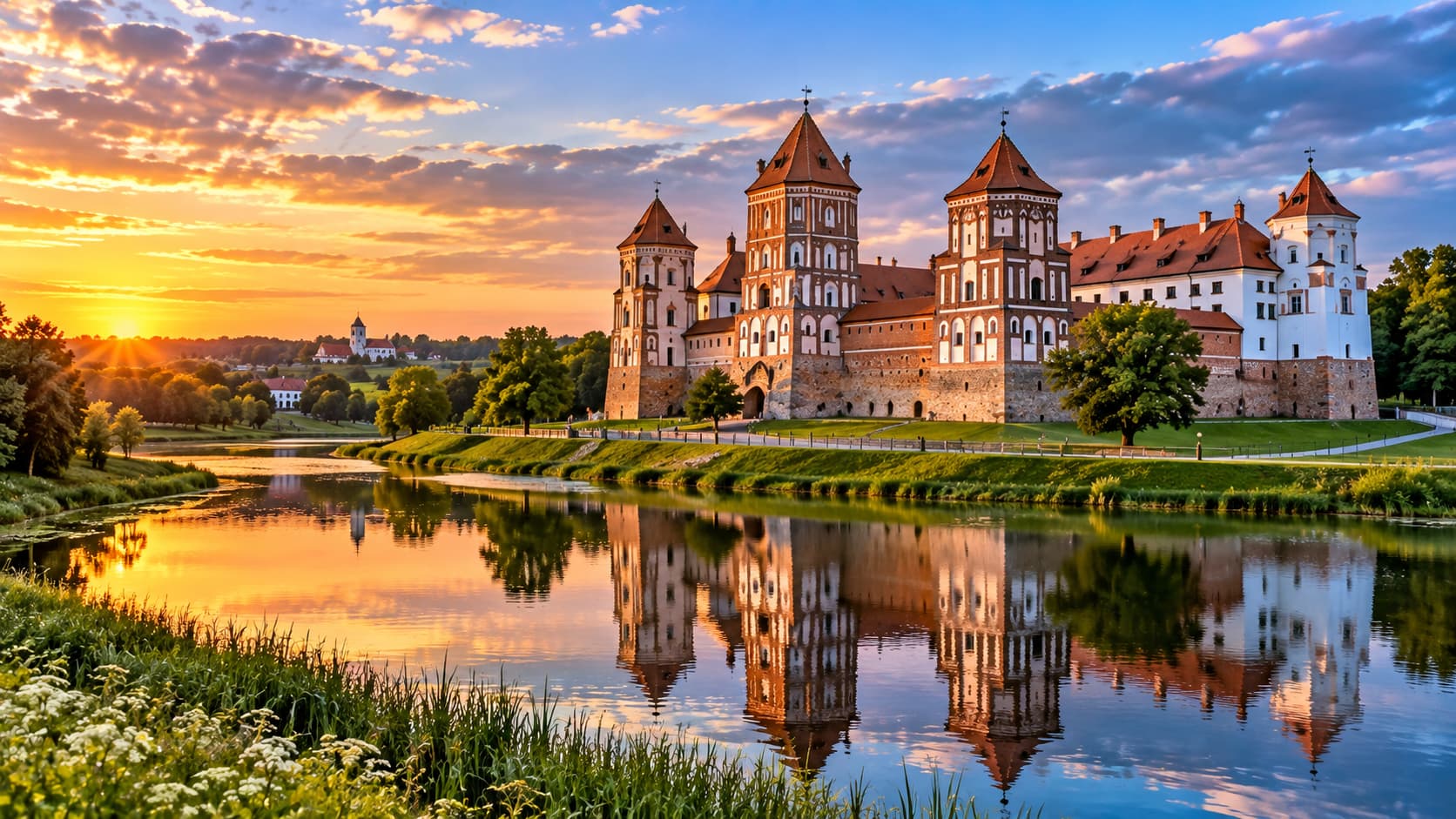
Belarus is a country of vast forests, peaceful lakes, historic castles, and cities shaped by centuries of Eastern European history.
Located between Poland and Russia, Belarus has experienced the influence of medieval principalities, powerful empires, and major historical conflicts.
Minsk, the capital, reflects much of this complex past. Following extensive destruction during World War II, the city was rebuilt with broad avenues, monumental squares, and distinctive Soviet-era architecture.
Visitors can also discover parks, museums, older neighborhoods, and riverside landscapes.
Outside Minsk, Belarus preserves impressive architectural landmarks.
Mir Castle combines Gothic, Renaissance, and Baroque influences, while Nesvizh Castle reflects the historical importance of the influential Radziwiłł family.
Nature is another defining feature of the country.
Belovezhskaya Pushcha National Park protects part of one of Europe’s last great primeval forests and provides habitat for the European bison.
The Braslav Lakes region offers a peaceful landscape of islands, forests, and scenic waterways.
Traditional wooden churches, rural villages, handicrafts, and regional cuisine reveal another side of Belarusian culture.
Why explore Belarus? Its historic castles, ancient forests, and distinctive Eastern European heritage offer considerable cultural and natural interest. Travelers should check current official travel advisories and entry restrictions before considering a visit.
5. Belgium – Medieval Cities, Romantic Canals, and Culinary Traditions
Belgium may be relatively small, but it offers an extraordinary concentration of medieval architecture, artistic heritage, historic cities, and culinary experiences.
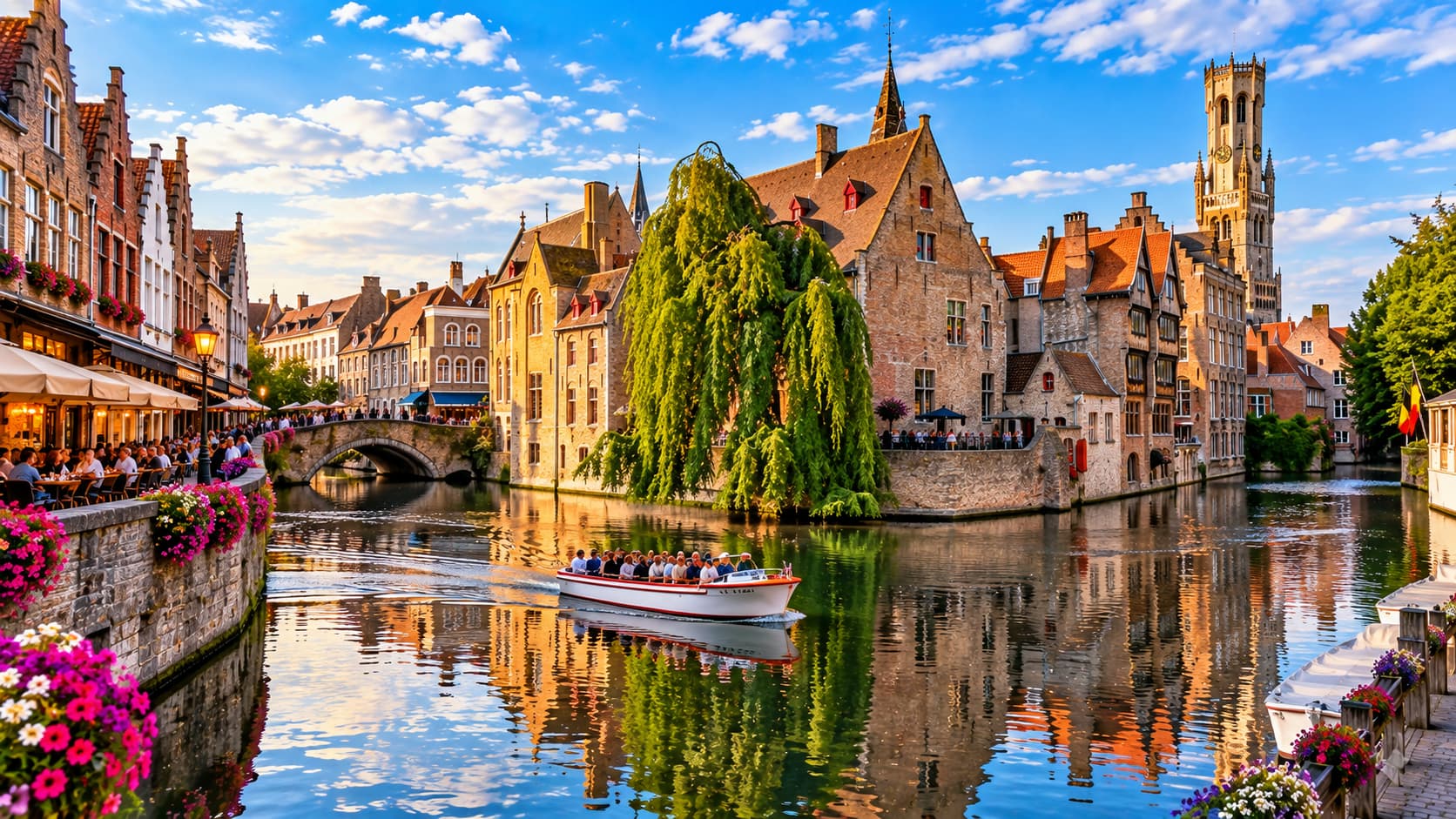
Brussels, the capital, combines grand historical landmarks with modern European institutions.
The magnificent Grand Place is surrounded by elaborately decorated guild houses and the Gothic Town Hall, while the Atomium provides a striking example of modern architecture.
Bruges is one of Belgium’s most romantic destinations.
Its picturesque canals, medieval bridges, stepped-gable houses, and historic market square create an atmosphere that feels almost unchanged for centuries.
Ghent offers equally impressive architecture, including Gravensteen Castle, Gothic churches, and beautiful waterfront buildings.
Antwerp is another important cultural destination, known for its impressive cathedral, magnificent railway station, fashion industry, and artistic connections to Peter Paul Rubens.
Beyond the cities, destinations such as Dinant and the countryside of Wallonia and Flanders reveal peaceful river valleys, castles, and charming villages.
Belgium is equally famous for its food.
Belgian chocolate, waffles, fries, traditional cheeses, and a centuries-old brewing heritage make the country particularly appealing to culinary travelers.
Why visit Belgium? Its compact geography allows travelers to experience medieval towns, romantic canals, impressive architecture, and delicious regional cuisine within relatively short distances.
6. Bosnia and Herzegovina – Historic Bridges and Spectacular Balkan Landscapes
Bosnia and Herzegovina is one of the Balkans’ most fascinating destinations, where Ottoman architecture, Austro-Hungarian heritage, dramatic mountains, and turquoise rivers create an extraordinary cultural landscape.
Sarajevo, the capital, beautifully illustrates the country’s diverse history.
In Baščaršija, the historic Ottoman quarter, narrow streets are lined with traditional workshops, cafés, mosques, and historic buildings.
Nearby, Austro-Hungarian architecture creates a striking contrast, while the Latin Bridge recalls an event that profoundly influenced European history.
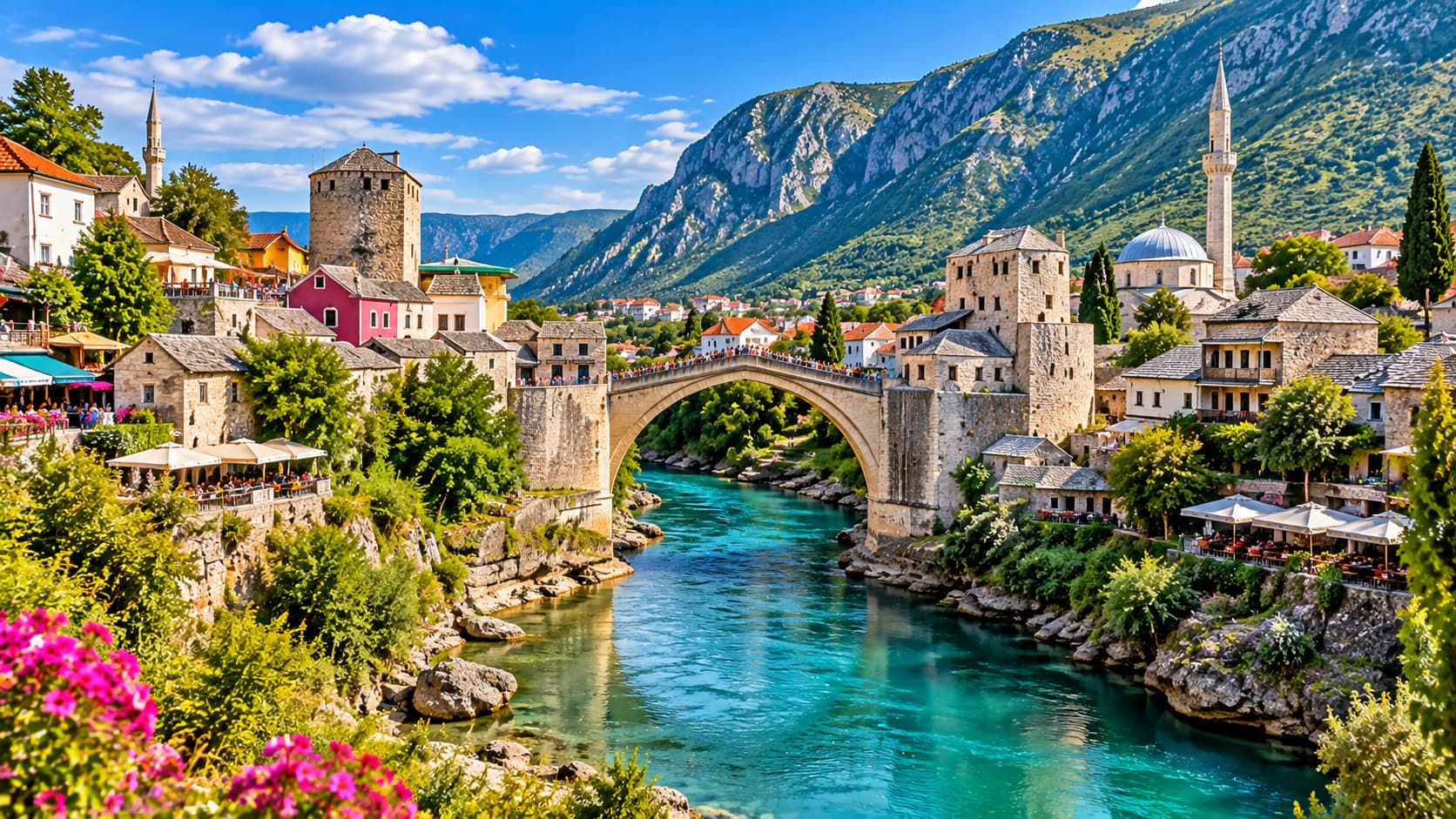
Mostar is another unforgettable destination.
The iconic Stari Most, or Old Bridge, arches above the emerald waters of the Neretva River. Reconstructed after its destruction during the 1990s war, it remains a powerful symbol of the city’s cultural heritage.
Beyond the cities, Bosnia and Herzegovina offers remarkable natural beauty.
Kravica Waterfalls cascade into a beautiful green landscape, while Una National Park protects pristine rivers, forests, and spectacular waterfalls.
Sutjeska National Park features rugged mountains, deep valleys, and ancient woodland.
Historic settlements such as Blagaj and Počitelj reveal traditional architecture surrounded by dramatic natural scenery.
Why visit Bosnia and Herzegovina? Its combination of cultural diversity, historic bridges, picturesque towns, and spectacular mountain landscapes makes it one of Europe’s most rewarding lesser-known destinations.
7. Bulgaria – Ancient Civilizations, Mountain Monasteries, and Black Sea Beaches
Bulgaria offers an impressive variety of historic landmarks, mountain landscapes, traditional villages, and beautiful Black Sea destinations.
The country’s cultural heritage reflects the influence of Thracian, Roman, Byzantine, and Ottoman civilizations.
Sofia, the capital, brings these historical layers together through Roman ruins, Ottoman landmarks, grand boulevards, and the magnificent Alexander Nevsky Cathedral.
Plovdiv, one of Europe’s oldest continuously inhabited cities, is famous for its colorful Old Town, ancient Roman theater, and charming cobblestone streets.
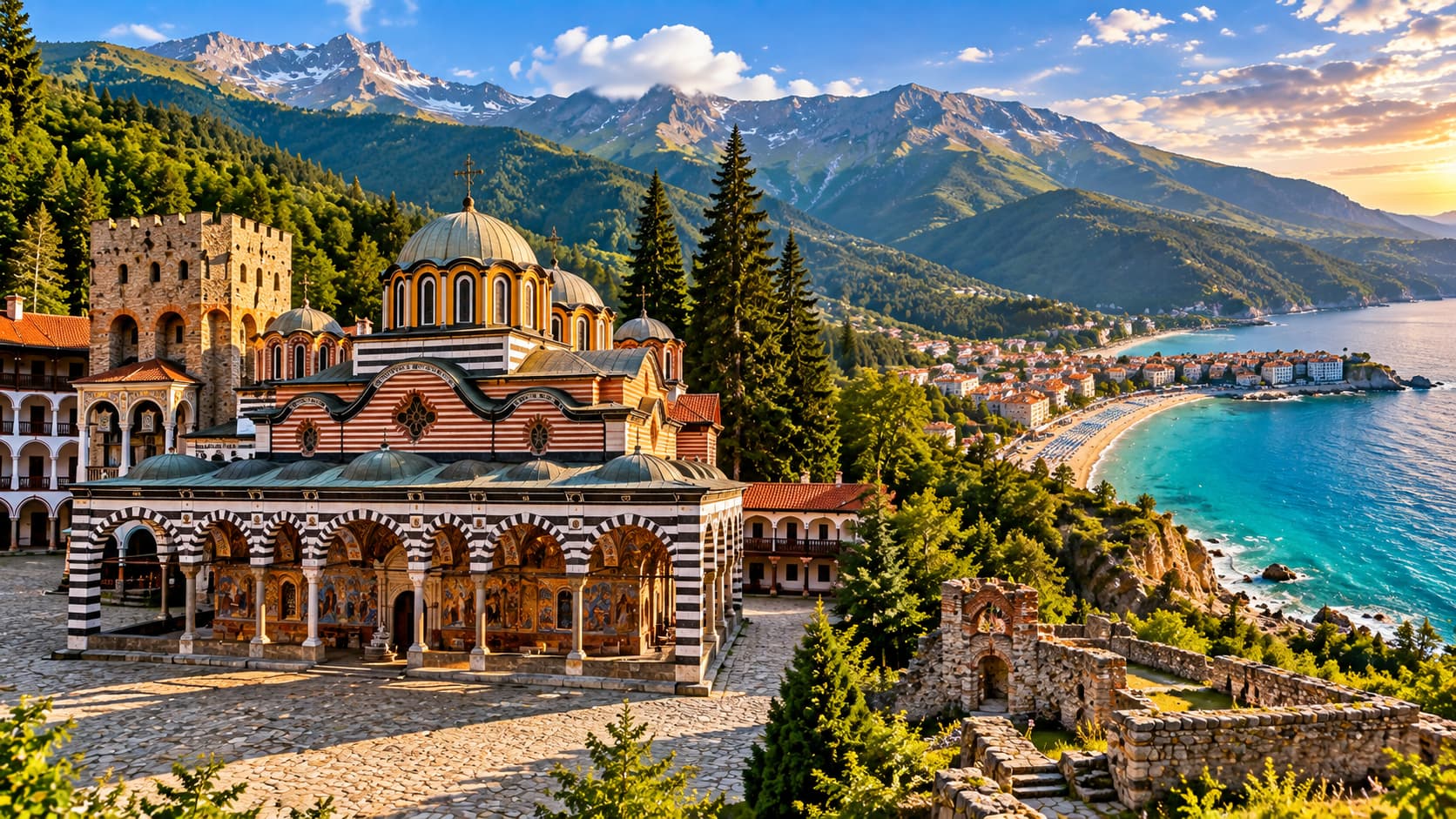
Rila Monastery, located deep within the mountains, is one of Bulgaria’s most remarkable religious and architectural landmarks.
Nature lovers will find spectacular scenery throughout the country.
The Seven Rila Lakes are surrounded by dramatic Alpine landscapes, while Pirin National Park offers rugged peaks and outstanding hiking opportunities.
Along the Black Sea, Nessebar combines sandy beaches with ancient streets and medieval churches.
Traditional villages, Orthodox monasteries, folk music, and regional cuisine preserve Bulgaria’s distinctive cultural identity.
Why visit Bulgaria? It offers an exceptional combination of ancient history, mountain adventures, beautiful monasteries, and seaside relaxation.
8. Croatia – Adriatic Islands, Historic Cities, and Turquoise Lakes
Croatia is one of Europe’s most spectacular coastal destinations, famous for its crystal-clear Adriatic waters, historic stone towns, picturesque islands, and beautiful national parks.
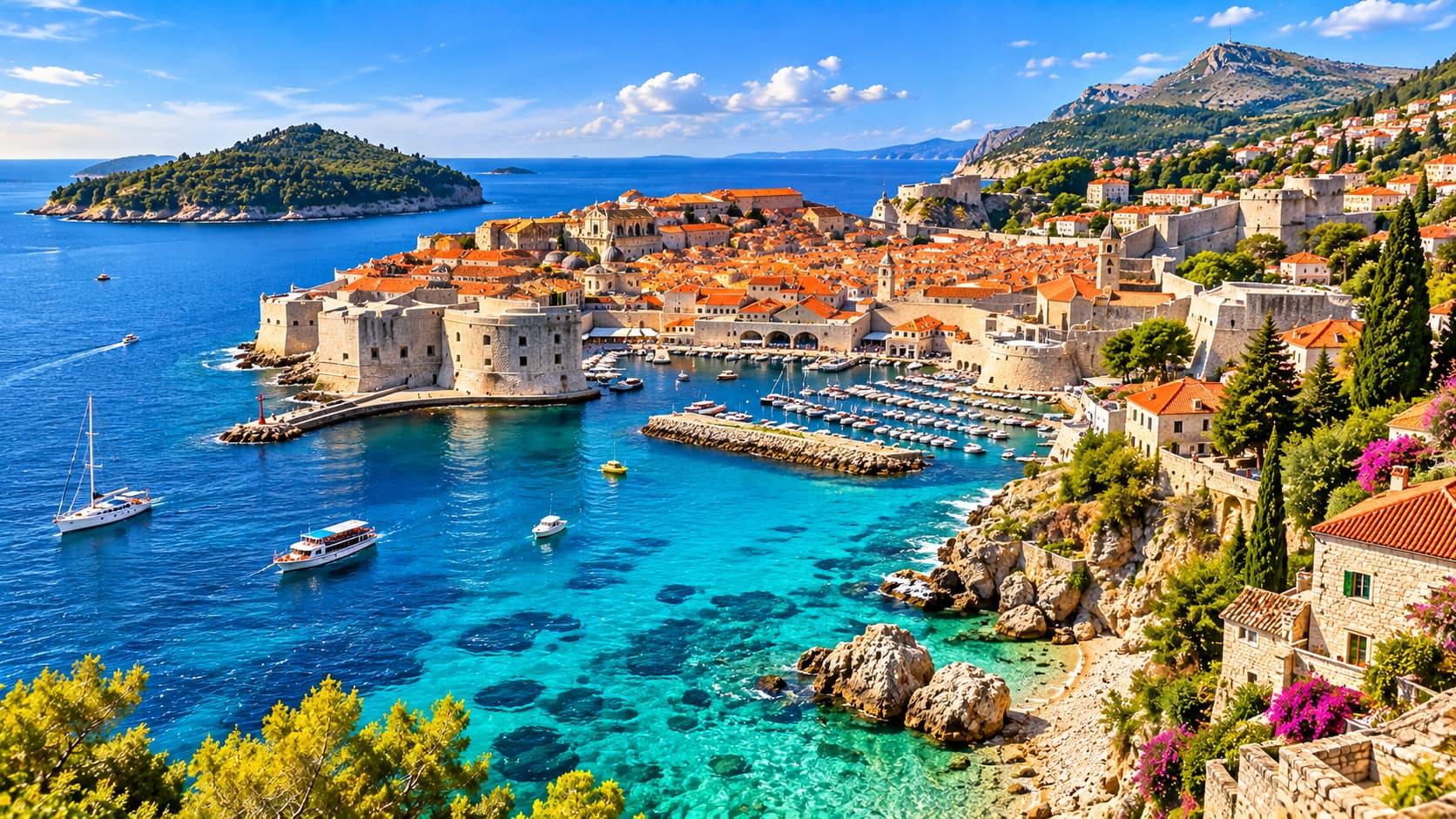
Dubrovnik is among the country’s most iconic destinations.
Its massive medieval walls surround marble streets, historic buildings, and red-roofed houses overlooking the Adriatic Sea.
Split offers a remarkable combination of ancient history and modern Mediterranean life. The city’s historic center developed around Diocletian’s Palace, a Roman complex built in the late third and early fourth centuries.
Zagreb, Croatia’s capital, offers elegant squares, museums, cafés, and a lively cultural atmosphere.
Croatia’s coastline features more than a thousand islands, including popular destinations such as Hvar, Korčula, and Brač.
Island hopping allows visitors to discover secluded beaches, picturesque harbors, and traditional coastal villages.
Inland, Plitvice Lakes National Park is famous for its turquoise lakes, cascading waterfalls, and wooden walking paths surrounded by lush forests.
The Dinaric Alps provide additional opportunities for hiking and outdoor adventures.
Croatian cuisine reflects both Mediterranean and Central European influences, with seafood, olive oil, regional wines, and traditional family recipes playing important roles.
Why visit Croatia? Its combination of historic coastal cities, beautiful islands, national parks, and Mediterranean culture makes it one of Europe’s most attractive summer destinations.
9. Czechia – Fairytale Castles and Medieval Towns
Czechia, also known as the Czech Republic, is a Central European country celebrated for its magnificent castles, medieval towns, historic architecture, and beautiful countryside.
Prague is undoubtedly its most famous destination.
The Vltava River flows beneath the iconic Charles Bridge, connecting the historic Old Town with Prague Castle and the picturesque Malá Strana district.
Gothic churches, Baroque palaces, and the famous Astronomical Clock create one of Europe’s most recognizable historic cityscapes.
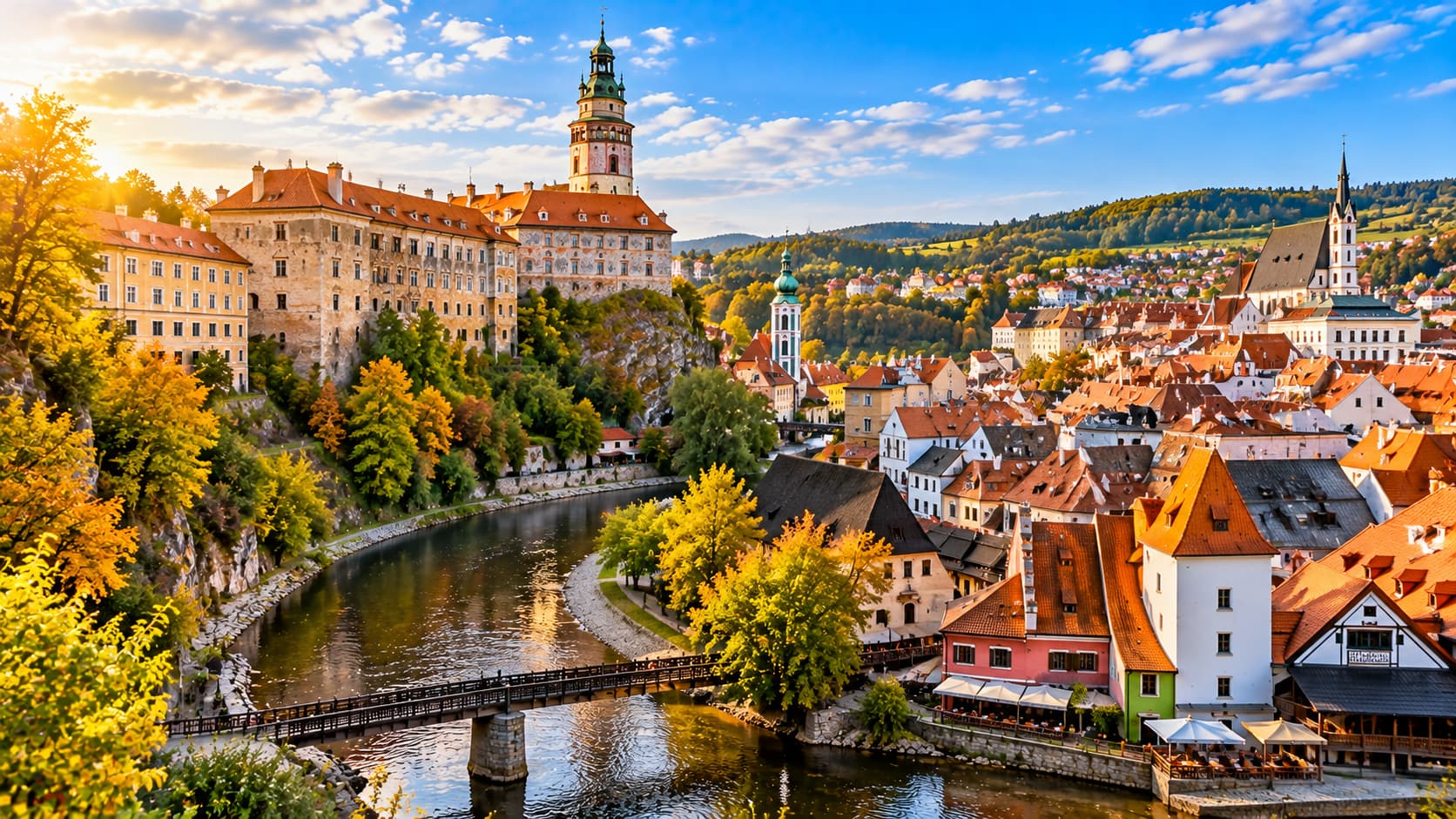
Beyond Prague, Český Krumlov offers an enchanting setting where red-roofed buildings surround a magnificent castle above a winding river.
Kutná Hora reflects the country’s medieval silver-mining history, while Karlovy Vary is famous for its elegant architecture and thermal springs.
Czechia’s countryside offers forests, sandstone rock formations, rivers, and peaceful hiking trails.
Traditional cuisine, historic taverns, local craftsmanship, music, and brewing traditions contribute to the country’s cultural identity.
Why visit Czechia? Its beautifully preserved historic towns, impressive castles, cultural traditions, and picturesque landscapes make it ideal for travelers seeking classic European charm.
10. Denmark – Viking Heritage, Colorful Harbors, and Nordic Charm
Denmark combines colorful waterfront towns, royal castles, Viking history, and beautiful coastal scenery.
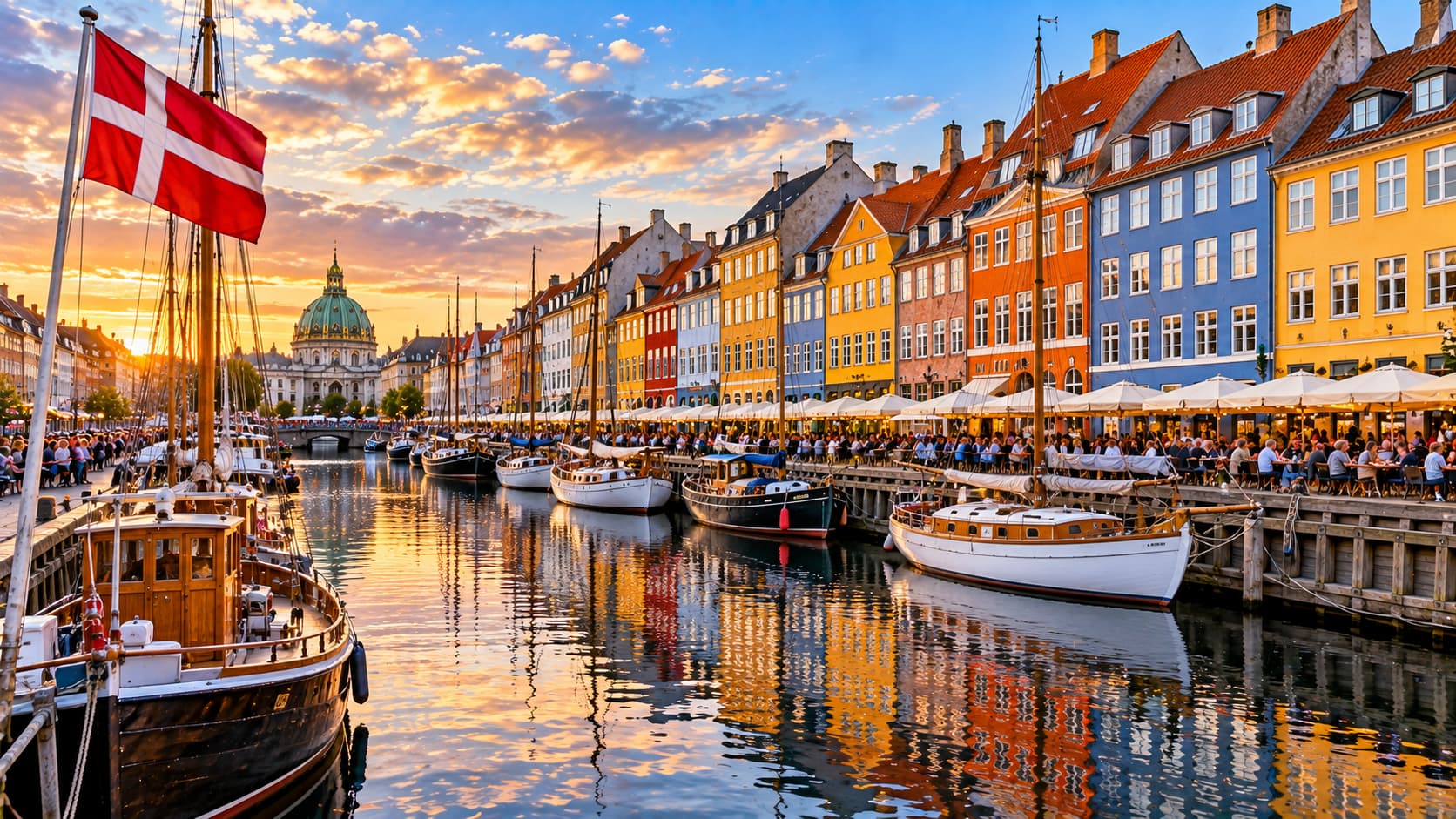
Spread across numerous islands between the North Sea and Baltic Sea, the country has a strong maritime heritage and a distinctive Scandinavian identity.
Copenhagen, the capital, offers an appealing blend of historic architecture and modern Nordic lifestyle.
Nyhavn is famous for its colorful waterfront houses and historic boats, while Amalienborg Palace remains an important royal residence.
Other popular attractions include Tivoli Gardens, the Little Mermaid statue, and the city’s extensive cycling routes.
Roskilde offers fascinating insights into Denmark’s Viking heritage through its Viking Ship Museum and UNESCO-listed cathedral.
In northern Denmark, Skagen is famous for its wide beaches, dramatic sand dunes, and distinctive coastal light.
Odense celebrates the legacy of Hans Christian Andersen, while Kronborg Castle is internationally known for its association with Shakespeare’s Hamlet.
Why visit Denmark? Its combination of relaxed cities, Viking history, elegant castles, beautiful coastlines, and contemporary Scandinavian design creates a memorable travel experience.
11. Estonia – Medieval Tallinn and Peaceful Baltic Wilderness
Estonia is a Baltic country where beautifully preserved medieval cities coexist with vast forests, peaceful islands, and modern digital innovation.
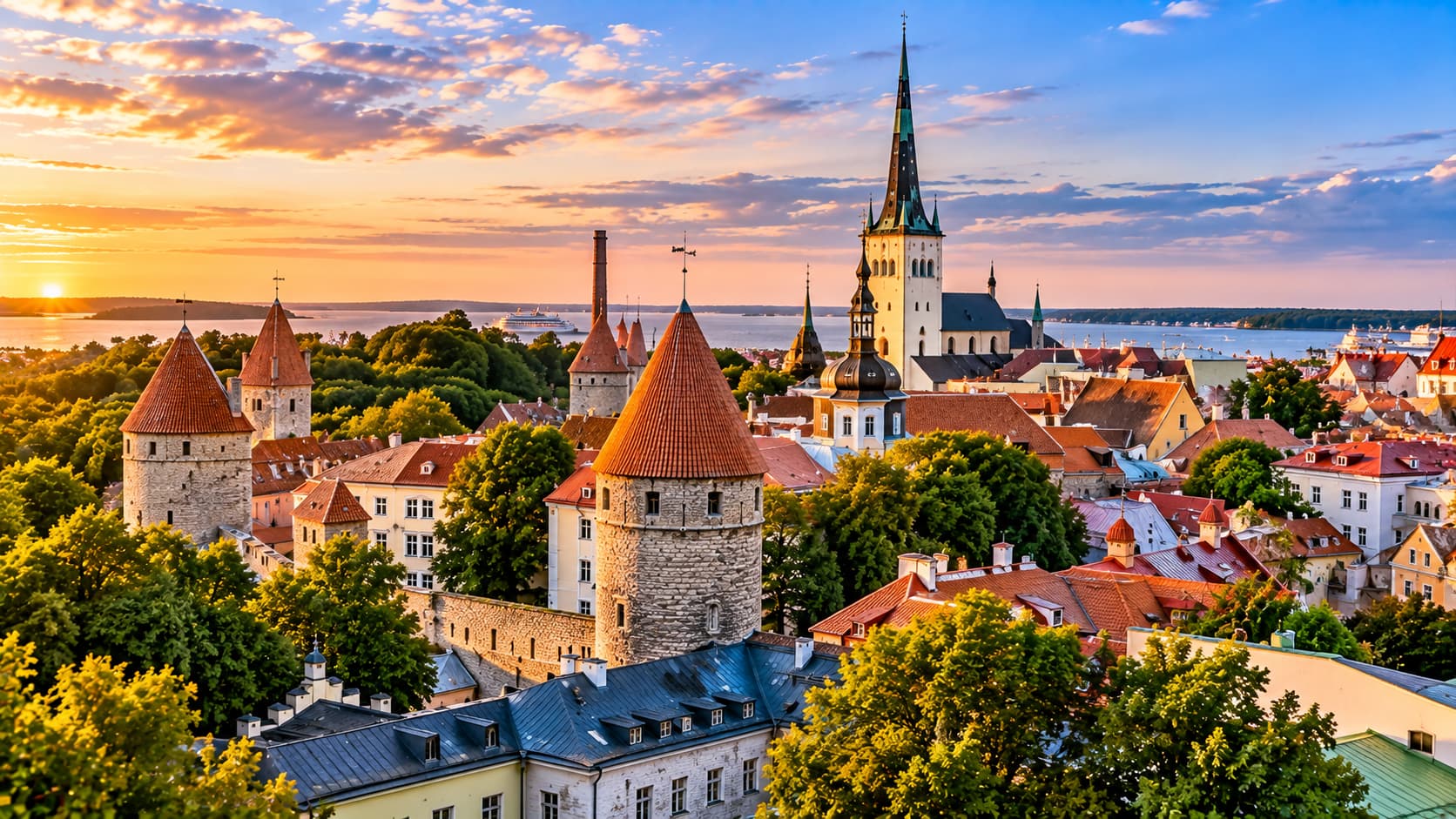
Tallinn, the capital, is famous for its UNESCO-listed Old Town, one of the best-preserved medieval urban centers in Europe.
Its cobblestone streets lead past Gothic churches, colorful merchant houses, defensive towers, and historic courtyards.
From Toompea Hill, visitors can enjoy panoramic views of Tallinn’s red rooftops and the Baltic Sea.
Beyond the capital, Lahemaa National Park protects forests, wetlands, coastal villages, and historic manor houses.
The islands of Saaremaa and Hiiumaa offer traditional villages, windmills, lighthouses, and peaceful coastal landscapes.
Tartu, Estonia’s historic university city, provides a lively cultural atmosphere with museums, cafés, and creative communities.
Estonia is also recognized for its advanced digital society, creating a fascinating contrast with its medieval heritage.
Why visit Estonia? Its remarkable combination of historic architecture, pristine nature, Baltic islands, and modern culture makes it a distinctive northern European destination.
12. Finland – Thousands of Lakes and Arctic Adventures
Finland is a land of endless forests, beautiful lakes, Arctic wilderness, and peaceful Nordic cities.
Helsinki, the capital, combines elegant architecture with modern design and a relaxed waterfront lifestyle.
Helsinki Cathedral overlooks Senate Square, while Suomenlinna Sea Fortress occupies several islands just offshore.
Traditional saunas, waterfront markets, museums, and cafés are important parts of Finnish life.
Beyond Helsinki, Finland’s famous Lake District offers extraordinary natural scenery.
Lake Saimaa is surrounded by forests, islands, and peaceful lakeside communities, making it ideal for boating, hiking, and summer relaxation.
Northern Finland reveals a completely different landscape.
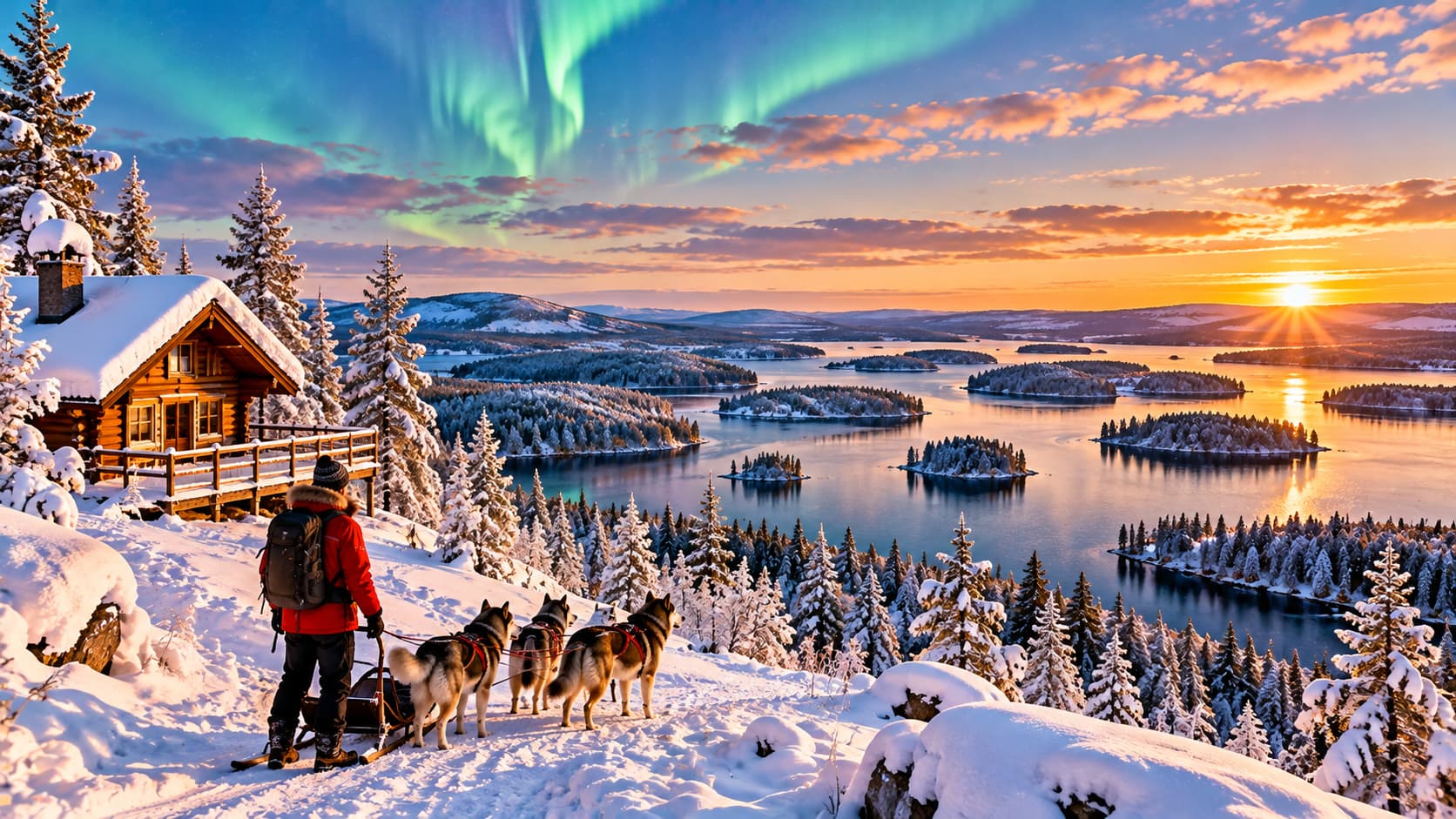
Lapland is famous for its snowy forests, reindeer, winter adventures, and opportunities to witness the Northern Lights.
Rovaniemi, Levi, and Saariselkä are popular gateways to Arctic experiences.
During summer, the midnight sun brings exceptionally long daylight hours, while winter transforms the region into a snowy wonderland.
Why visit Finland? Its peaceful lakes, traditional saunas, beautiful forests, and unforgettable Arctic landscapes make it ideal for nature-focused travel.
13. France – Iconic Landmarks and Timeless European Beauty
France is one of the world’s most celebrated travel destinations, offering magnificent cities, historic villages, beautiful coastlines, vineyards, and spectacular mountain scenery.
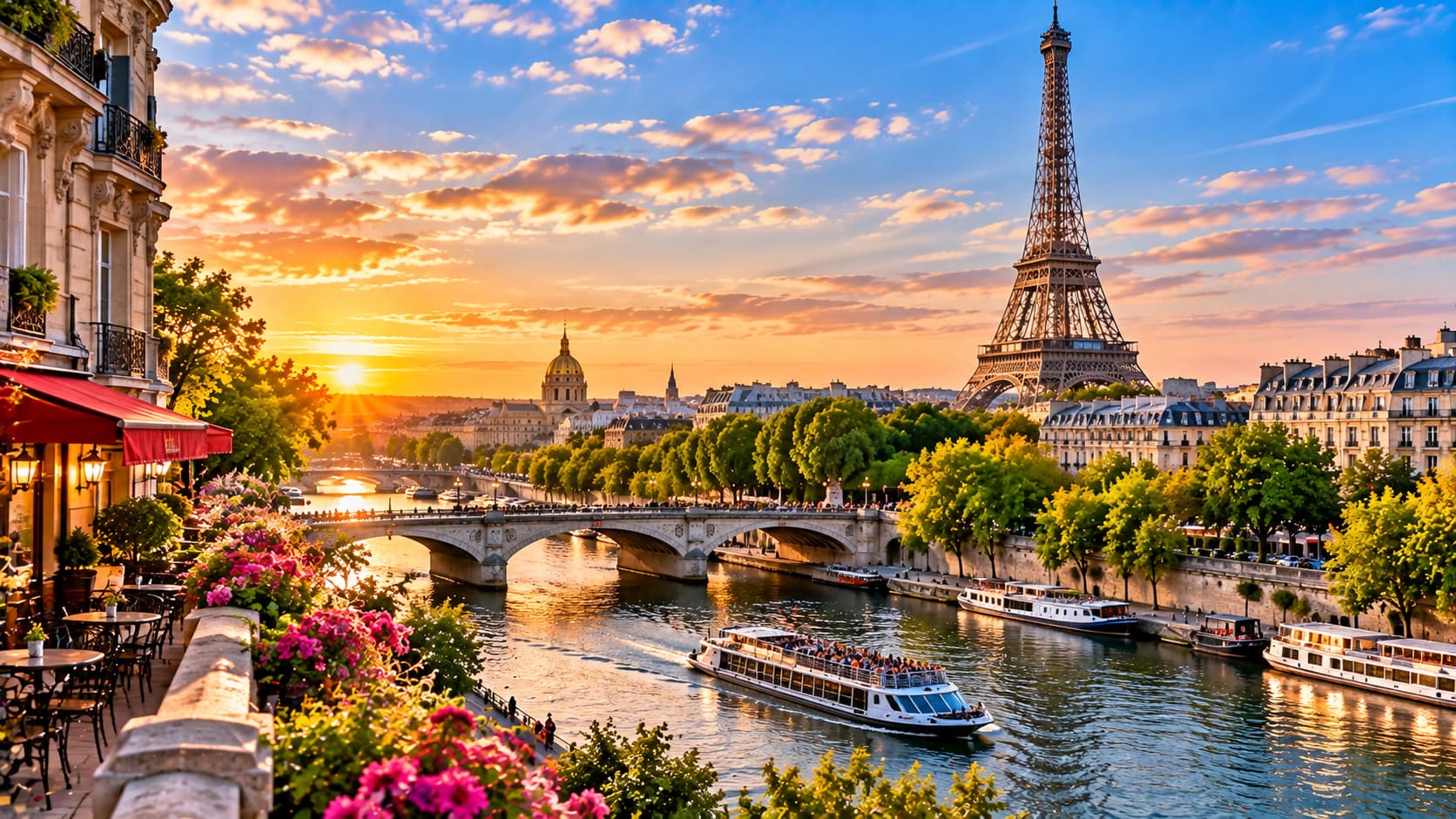
Paris is the country’s cultural heart, home to the Eiffel Tower, Louvre Museum, Notre-Dame Cathedral, and countless historic streets.
However, France’s beauty extends far beyond its capital.
Provence is famous for lavender fields, charming villages, and Mediterranean landscapes.
Bordeaux and Burgundy are renowned for their vineyards and winemaking traditions, while the French Riviera offers glamorous coastal towns and beautiful beaches.
Normandy features dramatic cliffs, historic landmarks, and picturesque countryside.
France also has an extraordinary collection of charming towns and villages, including Colmar, Annecy, Gordes, Rocamadour, Kaysersberg, and Saint-Paul-de-Vence.
The Loire Valley is celebrated for its magnificent Renaissance châteaux, while Mont-Saint-Michel rises dramatically above the surrounding tidal landscape.
Outdoor enthusiasts can explore the French Alps around Chamonix and Mont Blanc, discover the spectacular Verdon Gorge, or experience the volcanic landscapes of Auvergne.
Corsica adds another dimension with rugged mountains and beautiful Mediterranean beaches.
Why visit France? Its extraordinary combination of art, history, gastronomy, picturesque villages, and diverse natural landscapes makes it one of Europe’s most complete travel destinations.
14. Germany – Fairytale Castles, Historic Towns, and Scenic Landscapes
Germany offers a fascinating blend of medieval architecture, vibrant modern cities, romantic river valleys, and spectacular natural scenery.
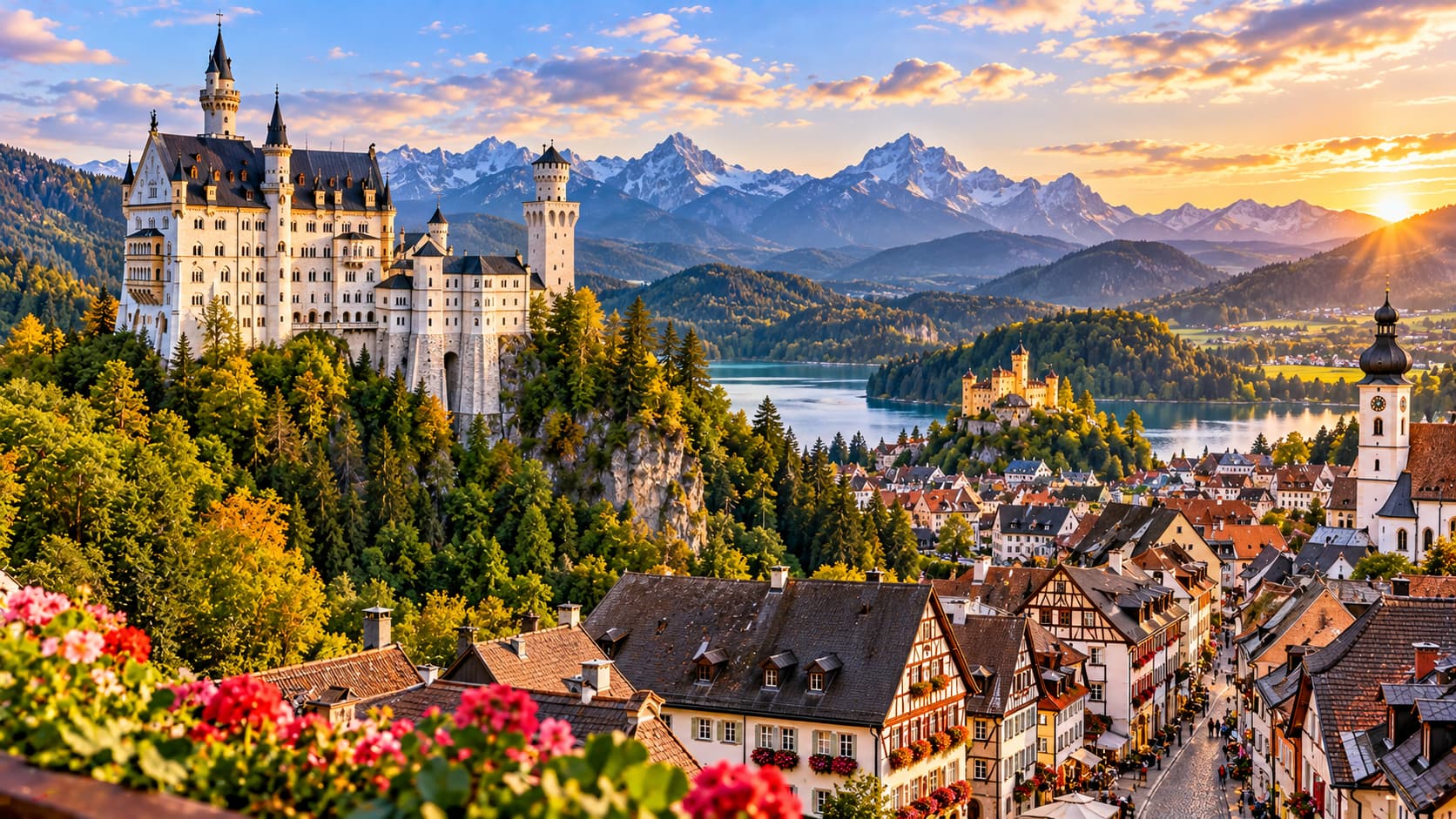
Berlin, the capital, reflects the country’s complex history through landmarks such as the Brandenburg Gate, Reichstag, and surviving sections of the Berlin Wall.
Munich combines elegant architecture with Bavarian traditions, famous beer gardens, and Oktoberfest.
Hamburg offers a different atmosphere, shaped by its historic harbor, waterways, and maritime heritage.
Beyond the cities, Germany reveals beautiful countryside.
The Black Forest is famous for its dense woodland, traditional villages, and scenic hiking trails.
The Bavarian Alps feature dramatic mountains, crystal-clear lakes, and picturesque Alpine communities.
Along the Rhine and Moselle rivers, vineyards climb hillsides beneath medieval castles and charming wine towns.
Rothenburg ob der Tauber is one of Germany’s most famous medieval towns, while Bamberg and Heidelberg preserve beautiful historic architecture.
Neuschwanstein Castle remains one of Europe’s most recognizable fairytale landmarks.
German culture is equally appealing, with traditional foods such as pretzels, bratwurst, Black Forest cake, and regional wines.
Why visit Germany? Its combination of historic cities, romantic castles, mountain scenery, river valleys, and traditional festivals offers something for almost every traveler.
15. Greece – Ancient Wonders and Beautiful Mediterranean Islands
Greece is a country where ancient civilizations, beautiful islands, spectacular coastlines, and Mediterranean traditions come together.
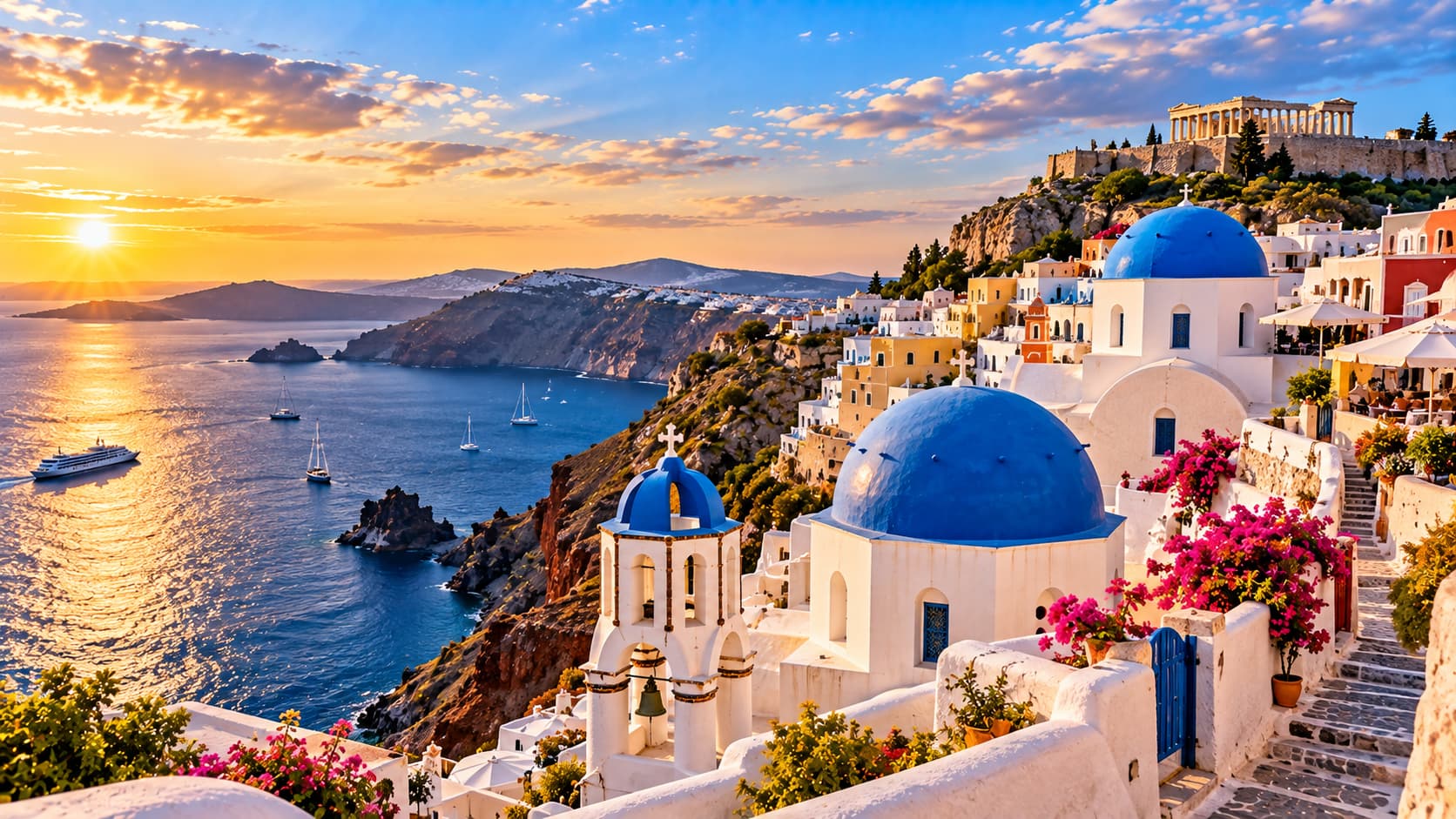
Athens, the capital, is one of the world’s most historically significant cities.
The Acropolis and Parthenon rise above the modern city, while ancient temples, museums, and historic neighborhoods reveal Greece’s extraordinary classical heritage.
Beyond Athens, the mainland offers impressive archaeological sites and natural landscapes.
Meteora is famous for its monasteries perched on towering rock formations.
The Peloponnese contains important historic destinations such as Mycenae, Epidaurus, and Nafplio.
The Greek islands are equally spectacular.
Santorini is celebrated for its whitewashed villages, volcanic cliffs, and breathtaking sunsets.
Crete combines beautiful beaches, mountain villages, ancient ruins, and distinctive local traditions.
Mykonos, Milos, Corfu, Rhodes, and numerous smaller islands offer turquoise bays, traditional fishing harbors, and picturesque coastal settlements.
Greek cuisine is an essential part of the experience, featuring fresh seafood, olives, cheeses, grilled meats, and traditional Mediterranean dishes.
Why visit Greece? Its combination of ancient history, island scenery, delicious cuisine, and warm Mediterranean culture makes it one of Europe’s most unforgettable destinations.
16. Hungary – Grand Architecture, Thermal Baths, and Danube Beauty
Hungary is a Central European country known for its magnificent architecture, thermal springs, historic cities, and peaceful countryside.
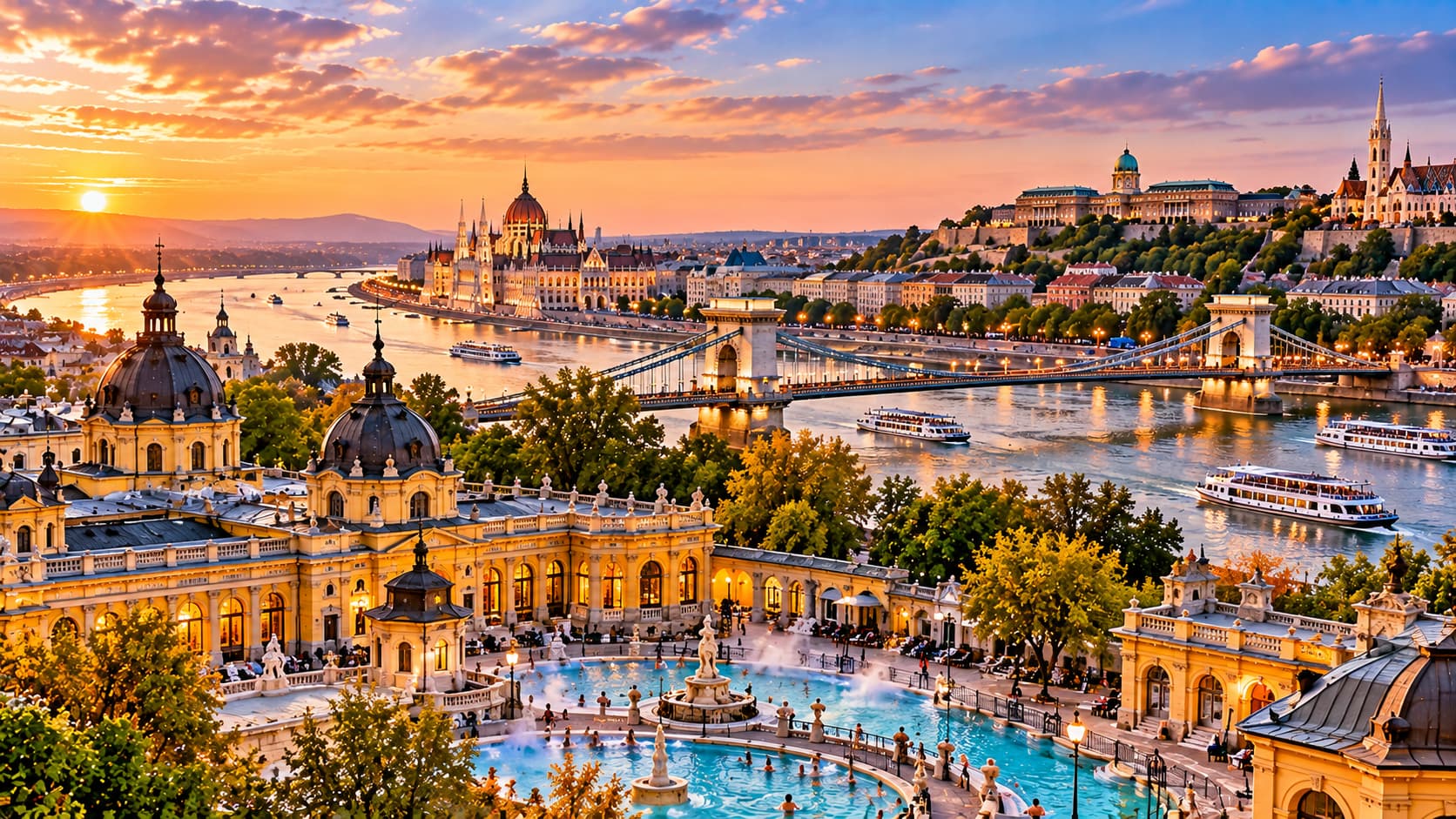
Budapest is the country’s greatest attraction.
The Danube River separates historic Buda from lively Pest, creating one of Europe’s most beautiful urban landscapes.
The Hungarian Parliament Building, Chain Bridge, Buda Castle, and riverside viewpoints are among the city’s most recognizable landmarks.
Budapest is also famous for its historic thermal baths, which remain an important part of local culture.
Beyond the capital, Lake Balaton offers lakeside towns, vineyards, and summer recreation.
Eger is known for its historic castle and regional wines, while Pécs preserves Roman, Ottoman, and Christian architectural influences.
The Great Hungarian Plain reveals traditional rural landscapes, horse culture, and wide-open horizons.
Hungarian cuisine features distinctive dishes such as goulash, paprika-based specialties, pastries, and regional wines.
Why visit Hungary? Its magnificent capital, relaxing thermal baths, historic towns, and traditional cuisine make it a rewarding Central European destination.
17. Iceland – Volcanoes, Glaciers, and Extraordinary Natural Wonders
Iceland is one of Europe’s most dramatic natural destinations, shaped by volcanoes, glaciers, waterfalls, geothermal springs, and vast lava fields.
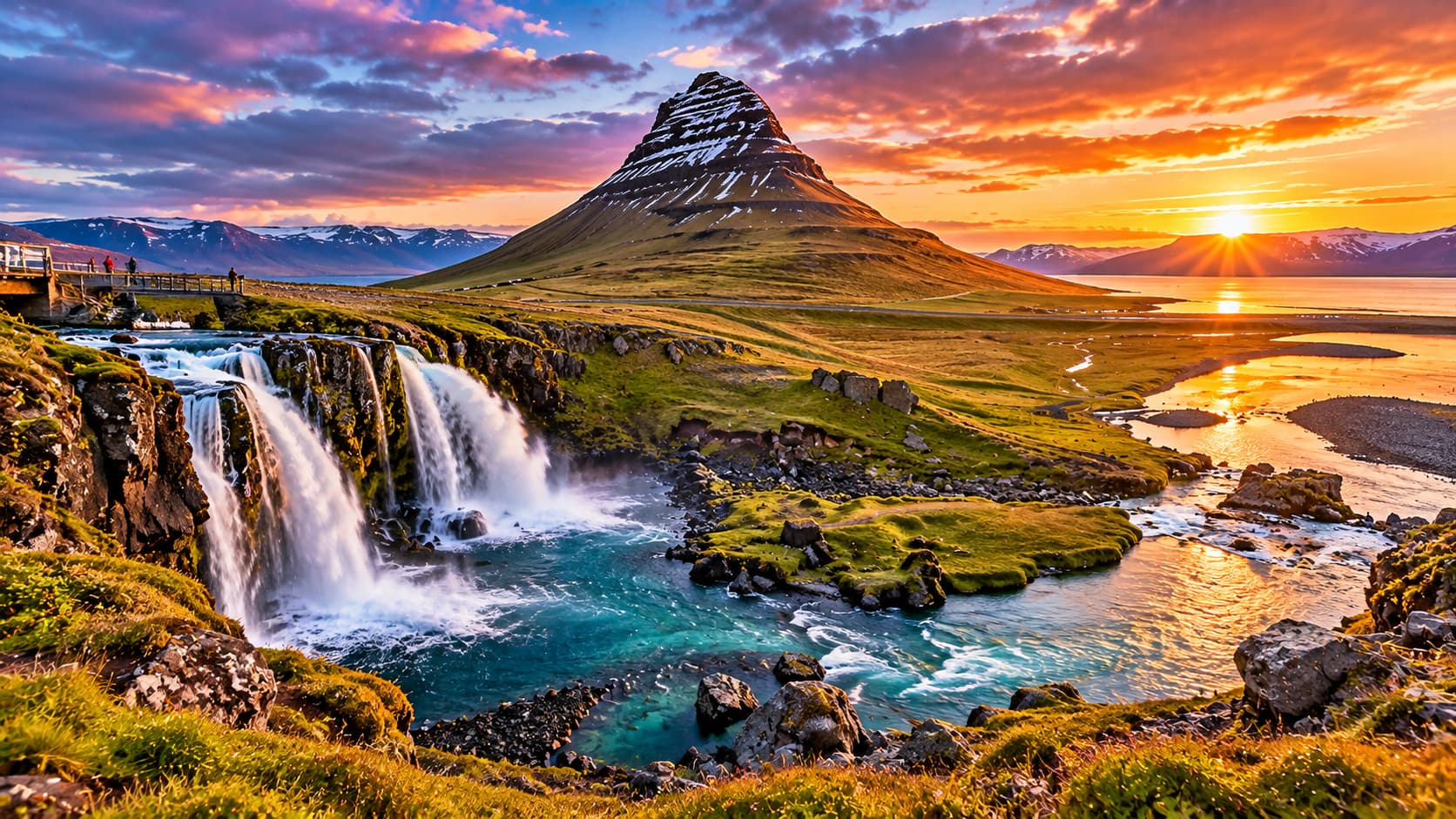
Reykjavík, the capital, offers colorful streets, museums, creative culture, and the striking Hallgrímskirkja church.
Outside the city, Iceland’s extraordinary landscapes quickly take center stage.
The famous Golden Circle connects Þingvellir National Park, the Strokkur geyser, and Gullfoss waterfall.
Along the southern coast, Seljalandsfoss and Skógafoss cascade from dramatic cliffs, while Reynisfjara is famous for its black volcanic sand and towering sea stacks.
Vatnajökull, Europe’s largest ice cap by volume, dominates southeastern Iceland.
Nearby, Jökulsárlón Glacier Lagoon features floating icebergs, while Diamond Beach is known for ice fragments scattered across its dark volcanic shoreline.
Northern Iceland offers geothermal landscapes around Lake Mývatn, while the remote Westfjords feature dramatic cliffs and isolated coastal communities.
Geothermal bathing is another essential Icelandic experience.
Why visit Iceland? Its volcanic landscapes, enormous glaciers, spectacular waterfalls, and opportunities to witness the Northern Lights make it one of the world’s most extraordinary nature destinations.
18. Ireland – Green Landscapes, Atlantic Cliffs, and Celtic Heritage
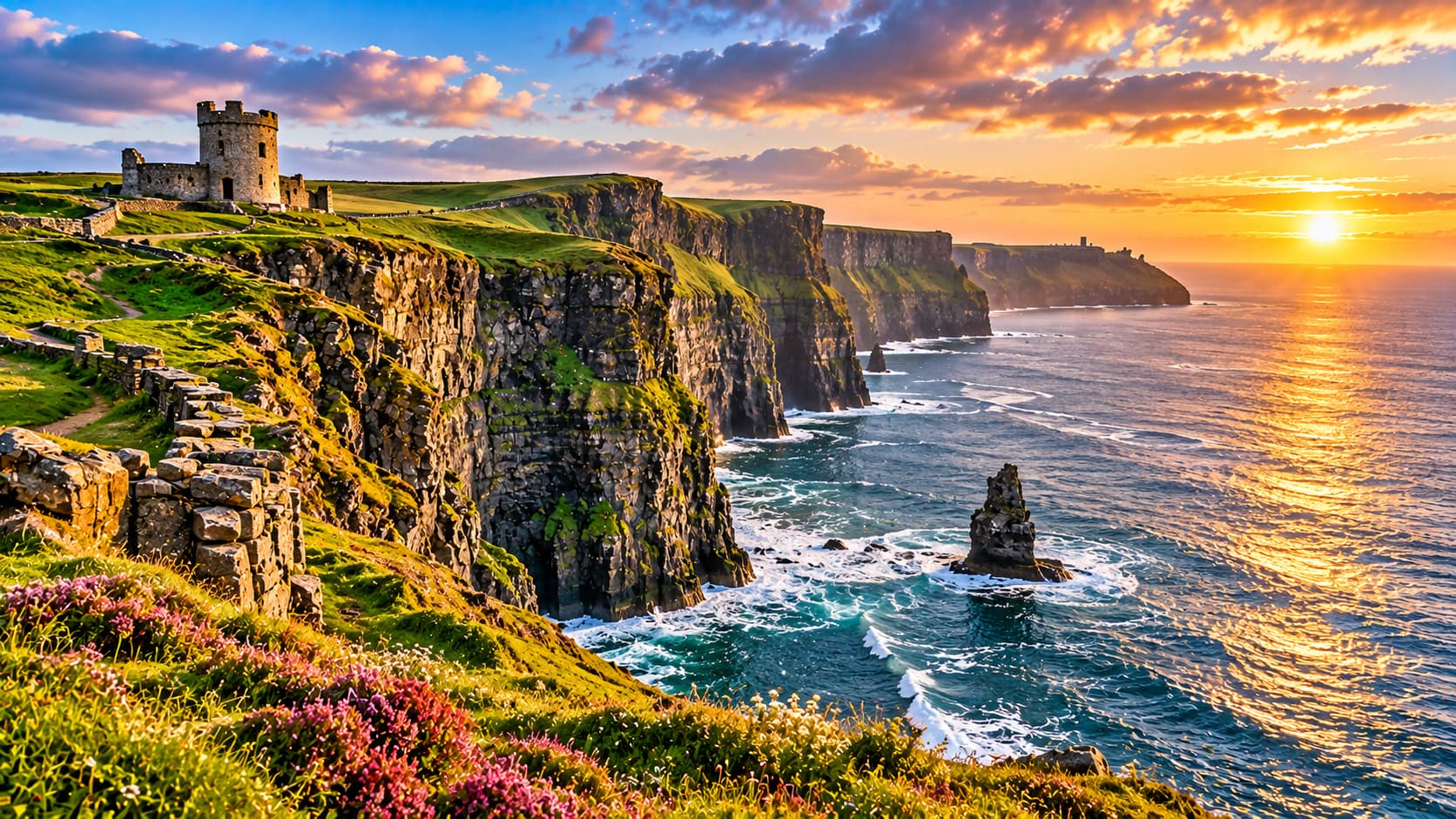
Ireland is famous for its rolling green hills, dramatic Atlantic coastline, historic castles, traditional music, and rich storytelling heritage.
Dublin, the capital, combines literary history with lively modern culture.
Trinity College, Dublin Castle, and St. Patrick’s Cathedral are among its most important landmarks.
Beyond Dublin, the Irish countryside reveals spectacular natural scenery.
The Cliffs of Moher rise dramatically above the Atlantic Ocean, while the Wild Atlantic Way follows rugged peninsulas, beautiful beaches, fishing villages, and remote coastal landscapes.
County Kerry is famous for the scenic Ring of Kerry, where mountain roads pass lakes, valleys, and coastal viewpoints.
Galway offers colorful streets, traditional music, and a lively cultural atmosphere.
Nearby, Connemara features mountains, boglands, and peaceful lakes, while the Burren presents a distinctive limestone landscape.
Ireland’s historic heritage is visible in ancient tombs, ruined abbeys, stone forts, and castles scattered throughout the countryside.
Why visit Ireland? Its spectacular coastal scenery, charming towns, traditional music, and welcoming cultural atmosphere create an unforgettable travel experience.
19. Italy – Renaissance Cities, Mediterranean Coastlines, and Culinary Excellence
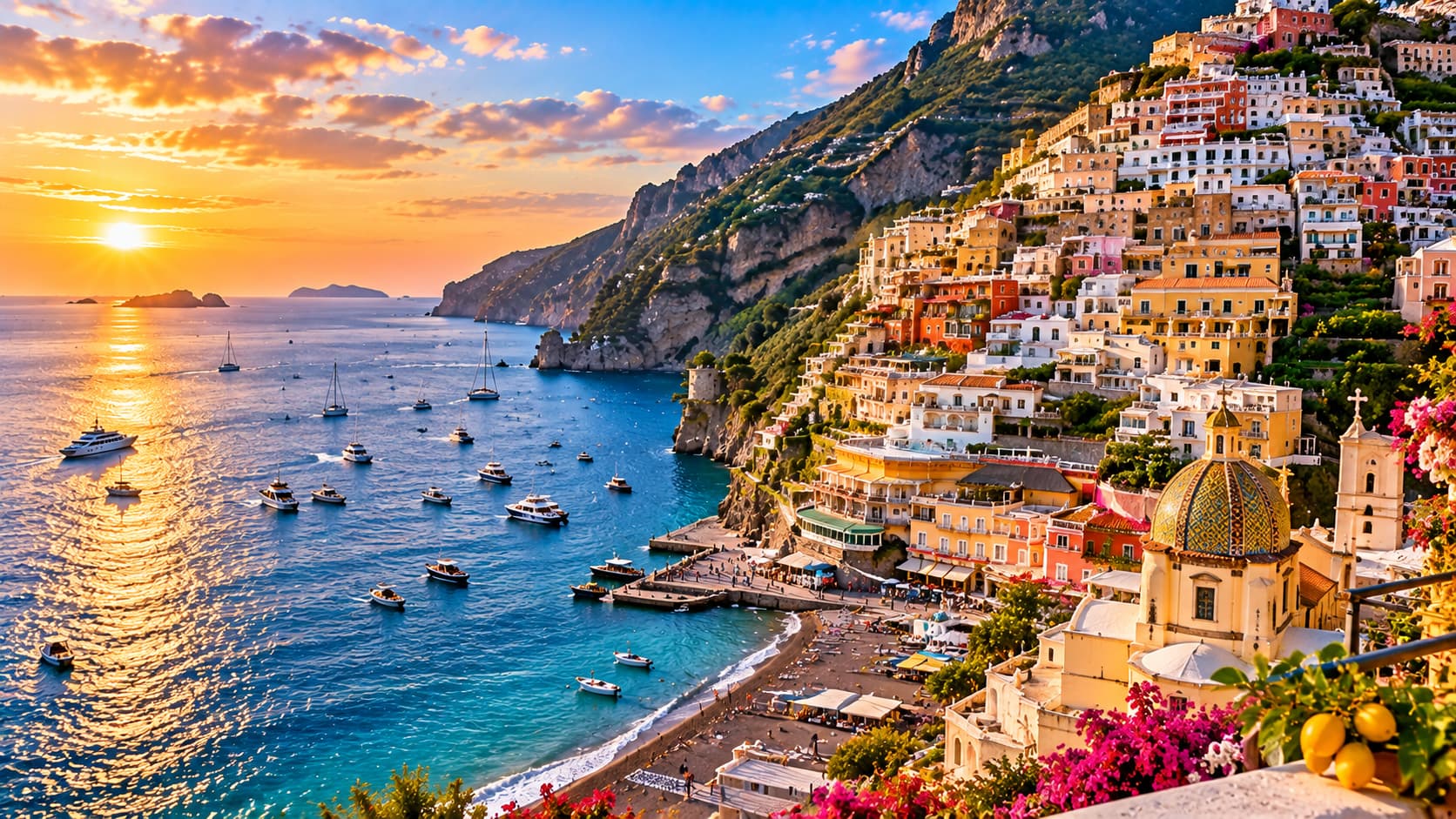
Italy is one of Europe’s most culturally rich and visually spectacular countries, offering ancient monuments, Renaissance masterpieces, picturesque villages, and extraordinary natural landscapes.
Rome is an open-air museum filled with world-famous landmarks such as the Colosseum, Roman Forum, and Pantheon.
Within the city lies Vatican City, home to some of the world’s most important religious and artistic treasures.
Florence is celebrated as a birthplace of the Renaissance, while Venice enchants visitors with its historic canals, elegant bridges, and unique architecture.
Beyond the major cities, Italy offers endless scenic destinations.
Cinque Terre is famous for its colorful villages overlooking the Ligurian Sea.
Tuscany features rolling vineyards, olive groves, and medieval hill towns such as San Gimignano and Montepulciano.
The Amalfi Coast is known for its dramatic cliffs and picturesque seaside villages, while Lake Como combines elegant villas with spectacular mountain scenery.
The Dolomites offer some of Europe’s finest Alpine hiking landscapes.
Farther south, Sicily features Mount Etna and a rich cultural heritage, while Sardinia is celebrated for its beautiful beaches.
Puglia offers charming towns, olive groves, and traditional southern Italian culture.
Italian cuisine remains one of the country’s greatest attractions, with handmade pasta, pizza, fresh seafood, regional cheeses, olive oil, and world-renowned wines.
Why visit Italy? Its extraordinary blend of history, art, beautiful landscapes, delicious cuisine, and vibrant local traditions makes it one of the world’s most rewarding travel destinations.
20. Latvia – Art Nouveau Architecture and Baltic Nature
Latvia is a beautiful Baltic country characterized by medieval architecture, extensive forests, sandy beaches, and peaceful countryside.
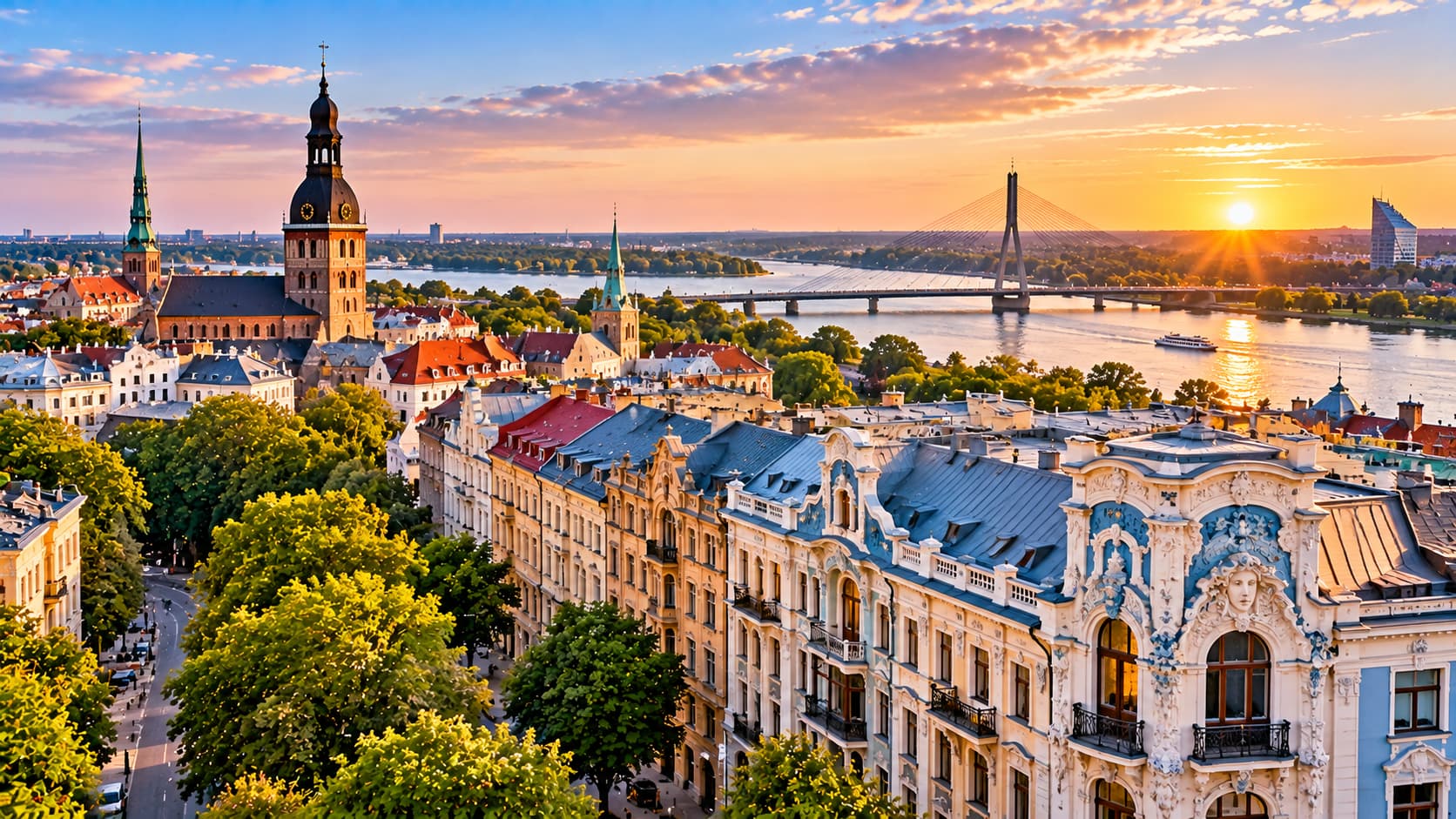
Riga, the capital, is famous for its UNESCO-listed historic center and exceptional Art Nouveau buildings.
Landmarks such as Riga Cathedral, St. Peter’s Church, and the House of the Blackheads reveal the city’s rich architectural heritage.
Outside Riga, Gauja National Park offers forested valleys, sandstone cliffs, historic castles, and scenic hiking routes.
Sigulda is a popular gateway to the region, while Turaida Castle provides spectacular views across the surrounding countryside.
Jūrmala, located along the Baltic coast, is known for its long sandy beaches, pine forests, and traditional wooden villas.
Farther west, Kuldīga preserves picturesque streets and the impressive Venta Rapid waterfall.
Why visit Latvia? Its combination of beautiful architecture, historic towns, forest landscapes, and peaceful Baltic beaches makes it ideal for travelers seeking a quieter European experience.
21. Liechtenstein – A Tiny Alpine Principality with Spectacular Views
Liechtenstein is one of Europe’s smallest countries, located between Switzerland and Austria in the heart of the Alps.
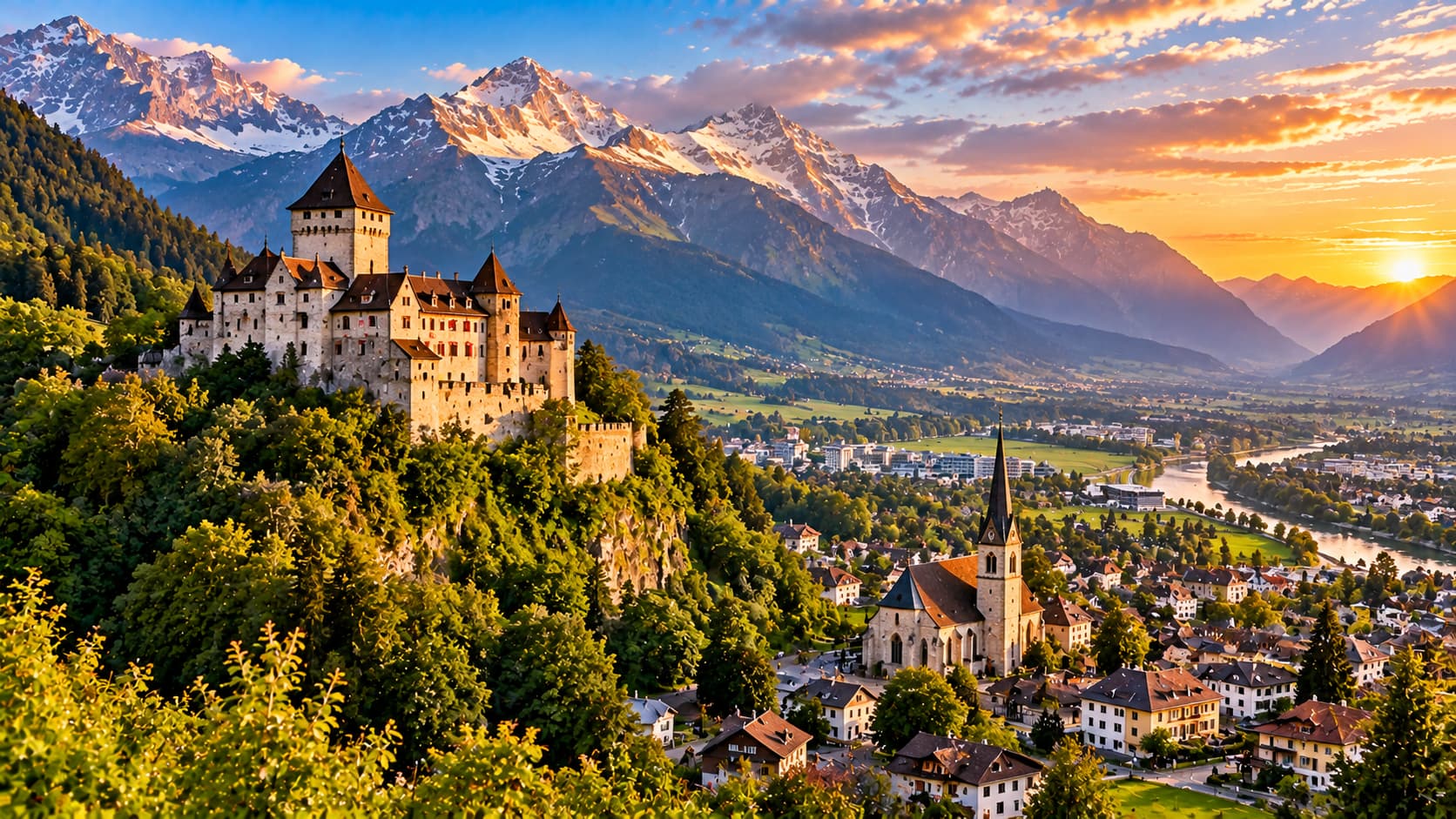
Despite its compact size, the principality offers beautiful mountain scenery, medieval castles, traditional villages, and outdoor adventures.
Vaduz, the capital, is a peaceful town surrounded by dramatic Alpine landscapes.
Vaduz Castle, the residence of the princely family, stands on a hillside overlooking the Rhine Valley.
Although the castle is not open to the public, the surrounding viewpoints offer beautiful scenery.
Visitors can also explore local museums, the Parliament Building, and St. Florin Cathedral.
Malbun is the country’s principal mountain resort, offering hiking in summer and skiing during winter.
Balzers is home to Gutenberg Castle, another impressive landmark surrounded by picturesque countryside.
Cycling and walking routes follow the Rhine Valley and connect peaceful villages.
Why visit Liechtenstein? Its royal heritage, mountain landscapes, traditional villages, and compact geography make it an appealing destination for an Alpine escape.
22. Lithuania – Baroque Cities, Medieval Castles, and Baltic Sand Dunes
Lithuania is the largest of the three Baltic states, offering historic cities, medieval castles, pine forests, and beautiful coastal landscapes.
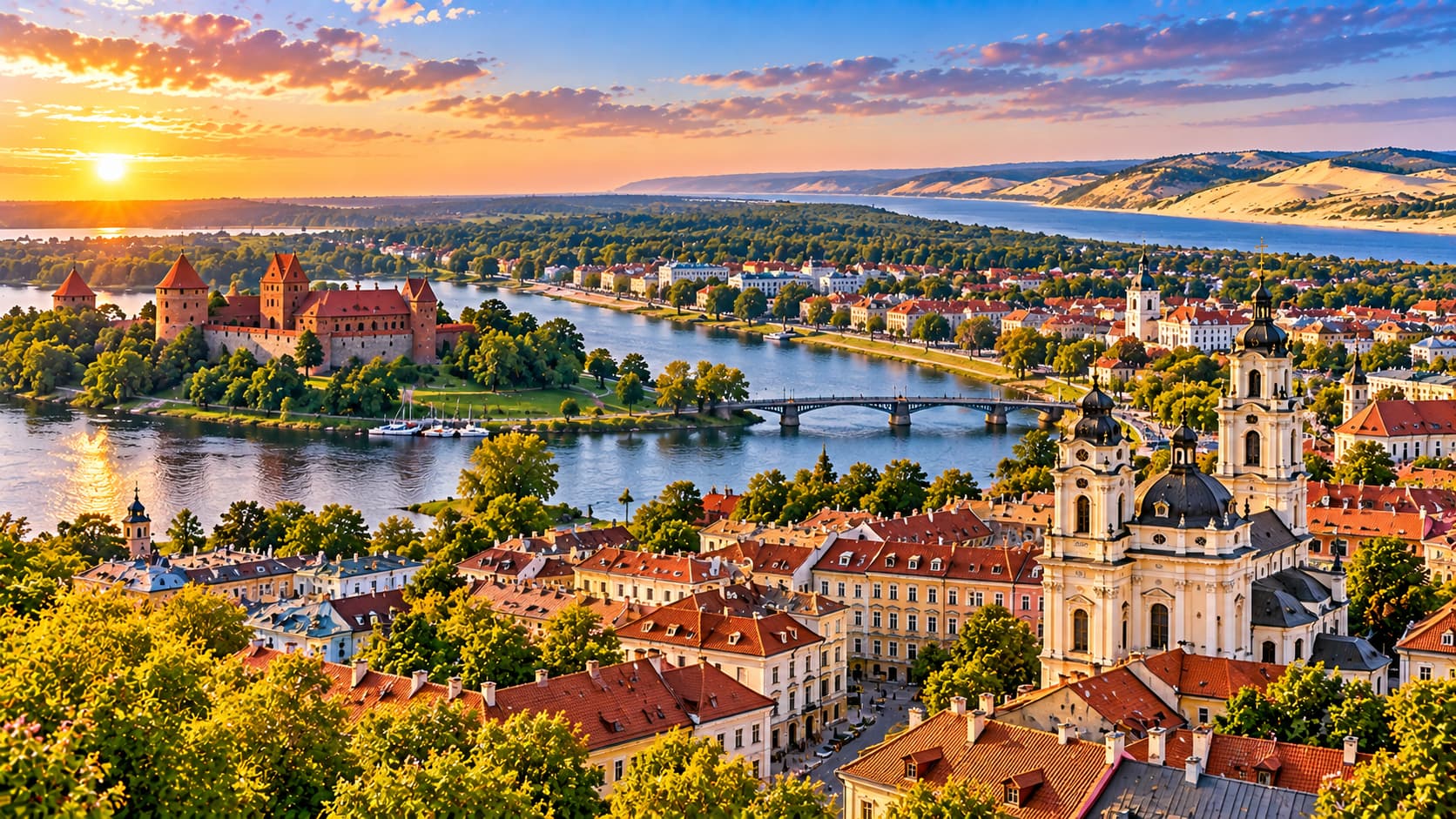
Vilnius, the capital, is famous for its UNESCO-listed Old Town and remarkable collection of Baroque churches.
Gediminas’ Tower overlooks the historic center, while the Gate of Dawn remains an important cultural and religious landmark.
The artistic district of Užupis adds a creative atmosphere with galleries, cafés, and independent cultural spaces.
Near Vilnius, Trakai Island Castle stands on an island in Lake Galvė, creating one of Lithuania’s most recognizable landscapes.
Along the Baltic coast, the Curonian Spit features towering sand dunes, pine forests, fishing villages, and long sandy beaches.
Klaipėda serves as an important gateway to the region.
The Hill of Crosses is another distinctive destination, where thousands of crosses cover a hillside.
Why visit Lithuania? Its combination of historic architecture, impressive castles, unique cultural landmarks, and peaceful Baltic landscapes makes it a fascinating destination.
23. Luxembourg – Castles, Forest Valleys, and European Heritage
Luxembourg is a small but remarkably diverse European country known for medieval fortifications, scenic valleys, historic castles, and picturesque vineyards.
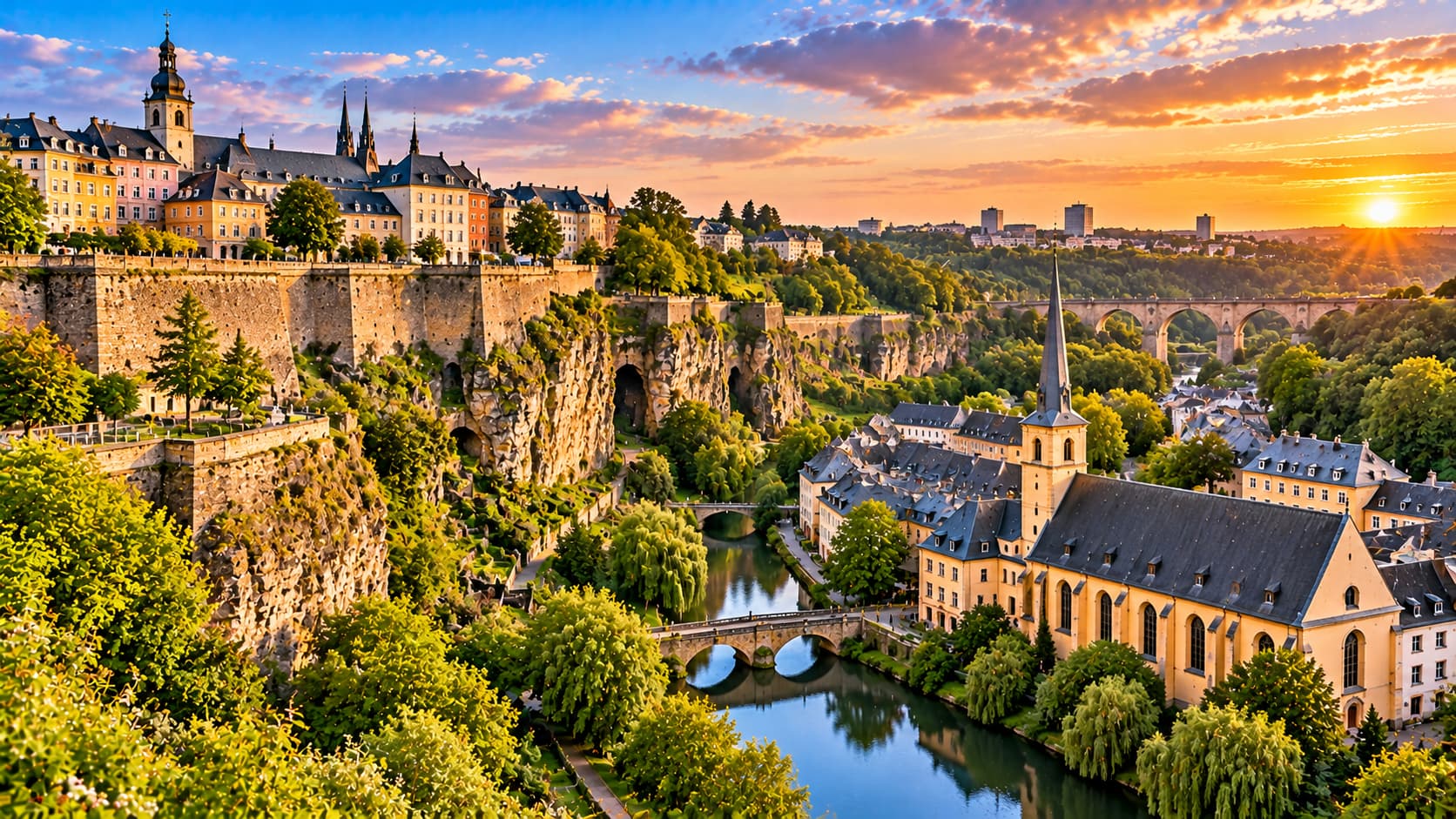
Luxembourg City is built across dramatic river gorges and rocky plateaus.
Its UNESCO-listed Old Quarters preserve historic streets, fortress walls, and remarkable viewpoints.
The Bock Casemates reveal an extensive network of defensive tunnels carved into the cliffs.
From Chemin de la Corniche, visitors can enjoy beautiful views across the Alzette Valley and the historic Grund district.
Beyond the capital, Vianden is famous for its magnificent hilltop castle overlooking the Our Valley.
The Mullerthal region, often called Luxembourg’s Little Switzerland, features sandstone formations, forest trails, streams, and narrow ravines.
Along the Moselle River, vineyards cover the hillsides above charming villages.
Luxembourg’s culture reflects a blend of Luxembourgish, French, German, and international influences.
Why visit Luxembourg? Its historic capital, impressive castles, beautiful hiking regions, and scenic wine valleys offer an exceptional variety of experiences within a compact country.
24. Malta – Ancient Temples and Mediterranean Island Beauty
Malta is a fascinating Mediterranean nation where ancient temples, fortified cities, limestone architecture, and turquoise waters create a distinctive travel experience.
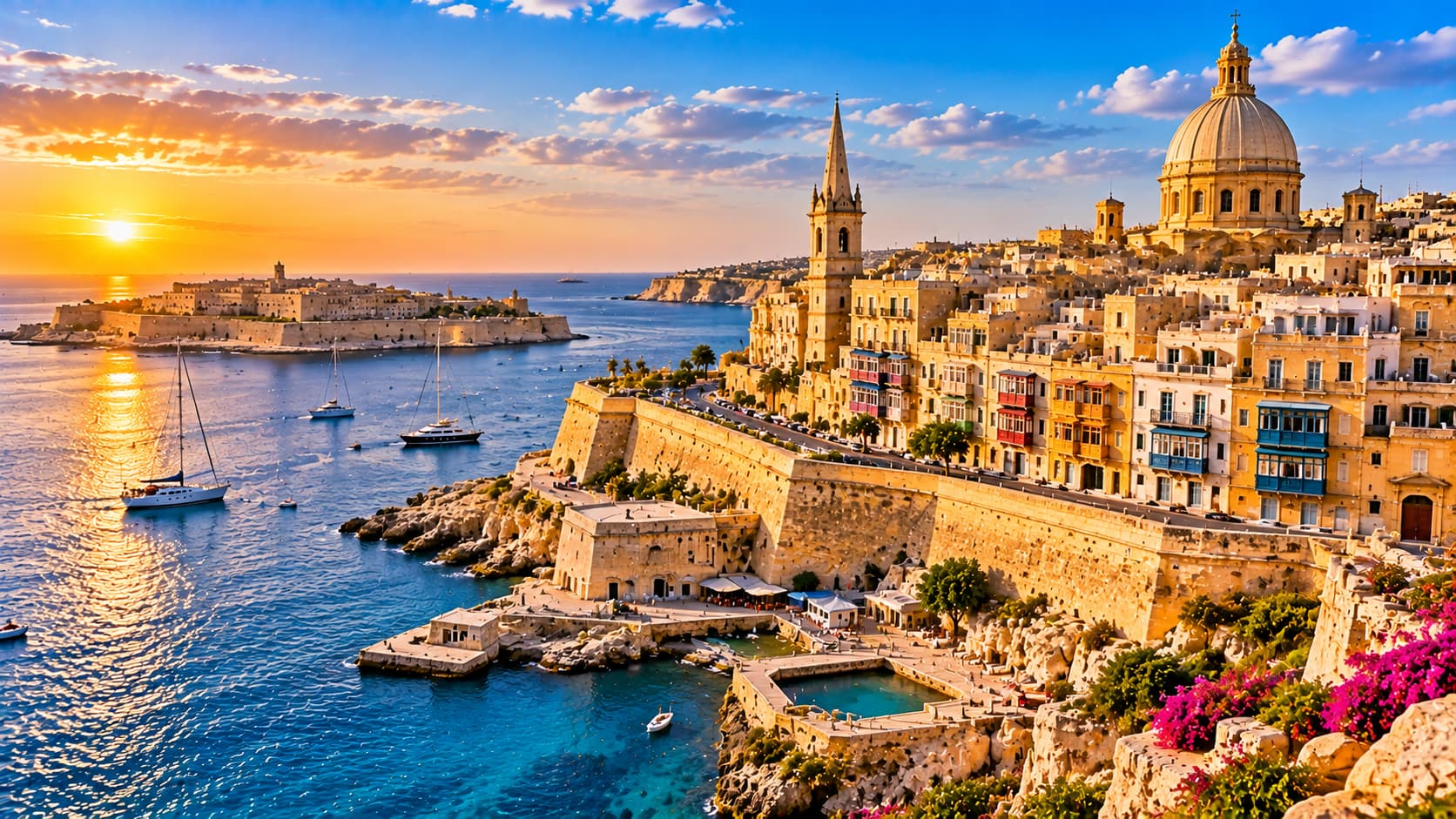
Valletta, the capital, is famous for its impressive defensive walls, Baroque architecture, and spectacular views over the Grand Harbour.
St. John’s Co-Cathedral is one of the city’s most remarkable landmarks, celebrated for its richly decorated interior and artistic treasures.
Mdina, known as the Silent City, offers a peaceful journey through narrow medieval streets and historic sandstone buildings.
Malta’s history stretches back thousands of years.
The prehistoric temples of Ħaġar Qim and Mnajdra are among the island’s most extraordinary archaeological treasures.
Gozo offers traditional villages, beautiful coastal cliffs, historic churches, and the impressive Citadel of Victoria.
Comino’s Blue Lagoon is famous for its brilliant turquoise waters.
Why visit Malta? Its combination of prehistoric heritage, fortified cities, beautiful Mediterranean waters, and distinctive island culture makes it an excellent destination for history and coastal travel.
25. Monaco – Mediterranean Luxury and Royal Heritage
Monaco is a tiny independent principality located along the French Riviera, famous for its luxurious harbor, elegant architecture, royal history, and spectacular Mediterranean setting.
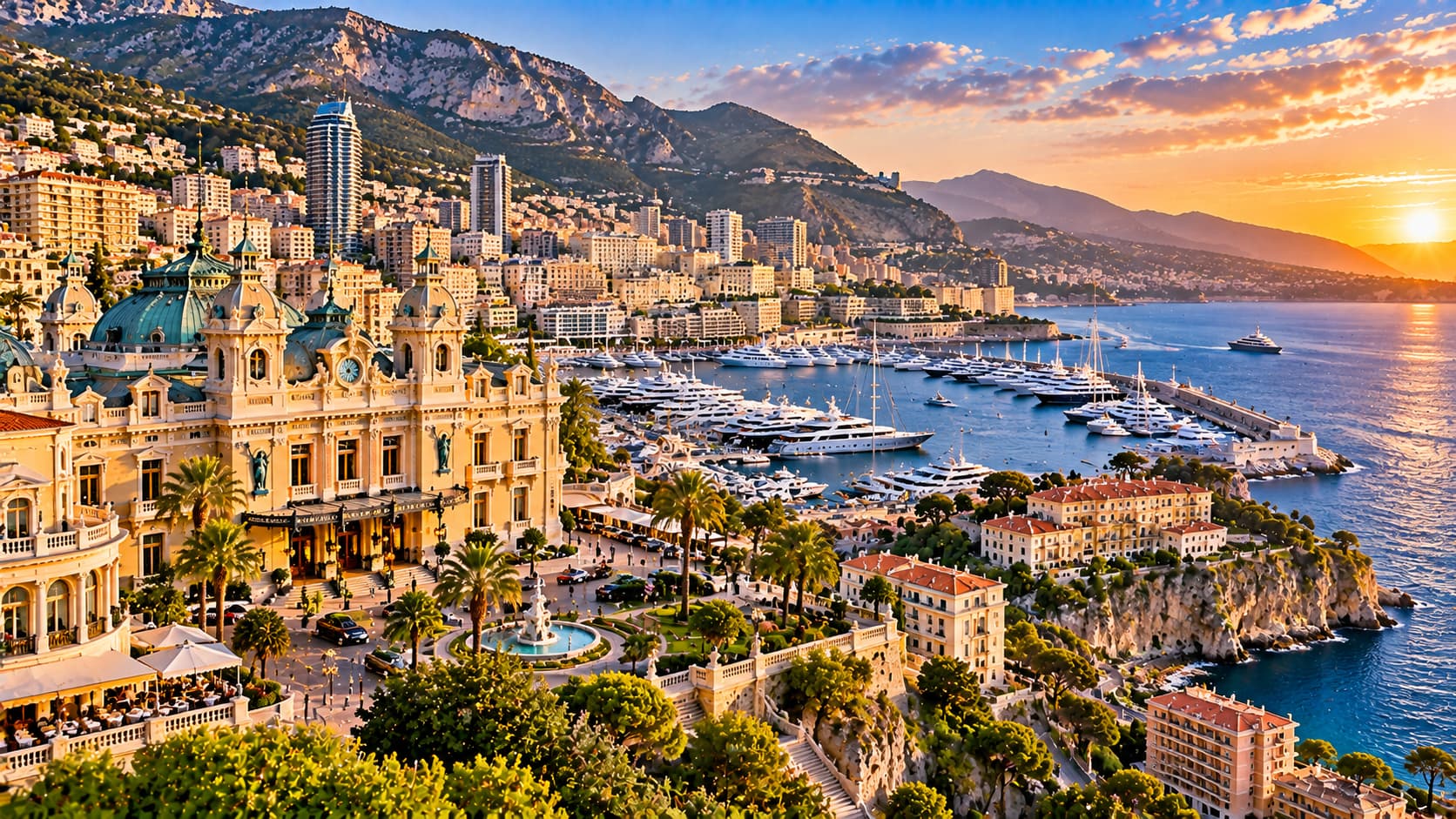
Monte Carlo is the country’s most recognizable district.
The Casino de Monte-Carlo stands among elegant hotels, gardens, and luxury boutiques.
The surrounding streets are also famous for hosting the Monaco Grand Prix.
Monaco-Ville, the historic district, occupies a rocky headland overlooking the sea.
Its narrow streets lead to the Prince’s Palace, the residence of the Grimaldi family.
Nearby, Monaco Cathedral contains the tombs of former rulers, including Prince Rainier III and Princess Grace.
Port Hercules is filled with luxury yachts, while the Oceanographic Museum occupies a spectacular cliffside position.
Why visit Monaco? Its glamorous atmosphere, Mediterranean scenery, royal landmarks, and world-famous motorsport heritage make it one of Europe’s most distinctive destinations.
26. Montenegro – Dramatic Mountains and Adriatic Coastal Towns
Montenegro is a small Balkan country offering an extraordinary combination of rugged mountains, deep canyons, glacial lakes, and beautiful Adriatic towns.
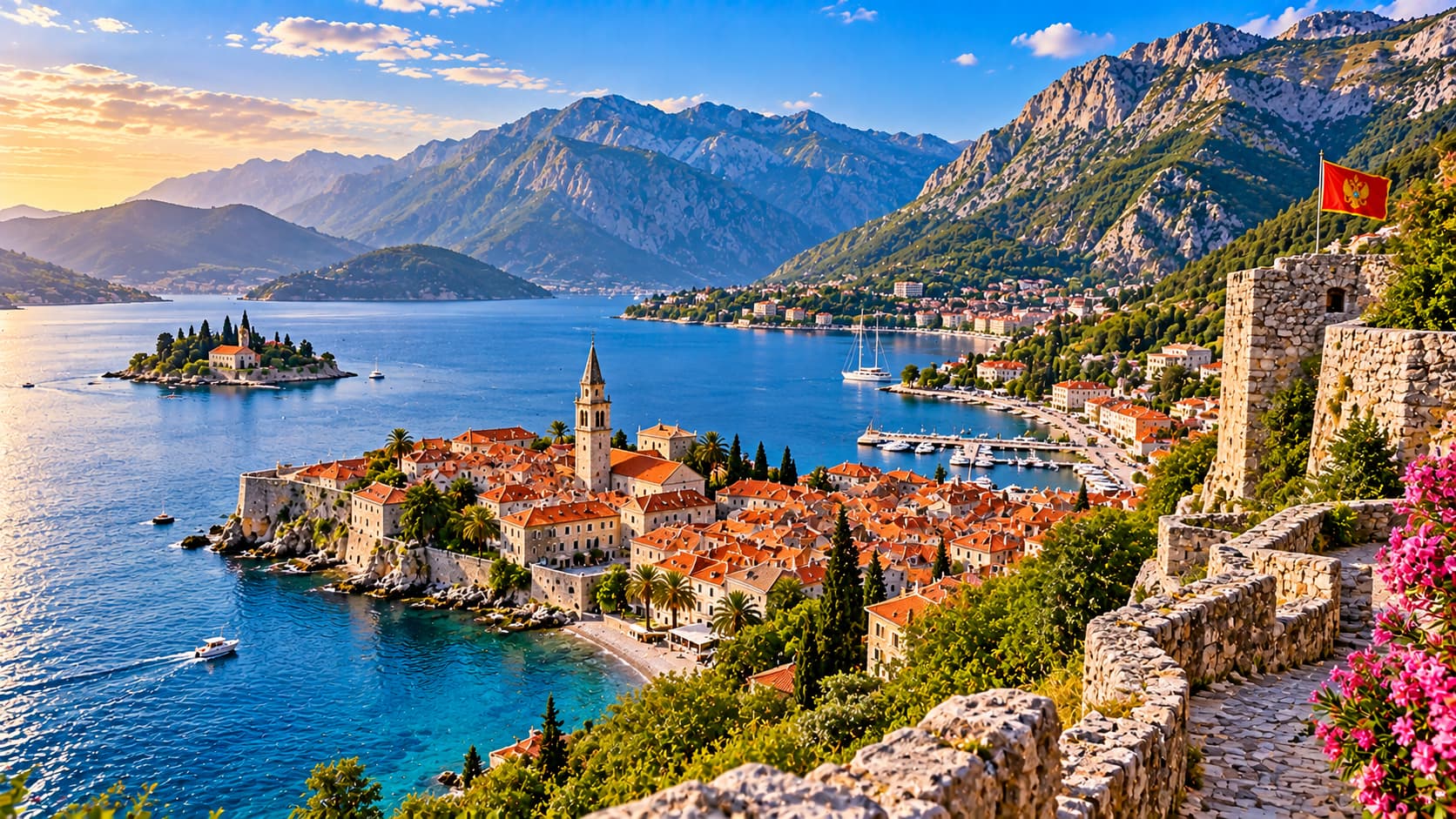
The Bay of Kotor is among the country’s most famous destinations.
Surrounded by steep mountains, the bay contains historic settlements, peaceful waterfront villages, and beautiful coastal scenery.
Kotor is known for its medieval walls, narrow stone streets, churches, and Venetian architecture.
Nearby, Perast offers elegant waterfront buildings and views toward the island church of Our Lady of the Rocks.
Budva combines a historic fortified Old Town with popular beaches and a lively seaside atmosphere.
Inland, Durmitor National Park features dramatic mountain peaks, dense forests, and the beautiful Black Lake.
The Tara River Canyon offers spectacular scenery and opportunities for rafting.
Lake Skadar provides a peaceful landscape of wetlands, traditional fishing villages, monasteries, and important bird habitats.
Why visit Montenegro? Its dramatic contrasts between Mediterranean coastlines and wild mountain landscapes make it one of Europe’s most scenic compact destinations.
27. Netherlands – Canals, Windmills, and Colorful Tulip Fields
The Netherlands is a country shaped by water, famous for its historic canals, traditional windmills, beautiful tulip fields, and innovative cities.
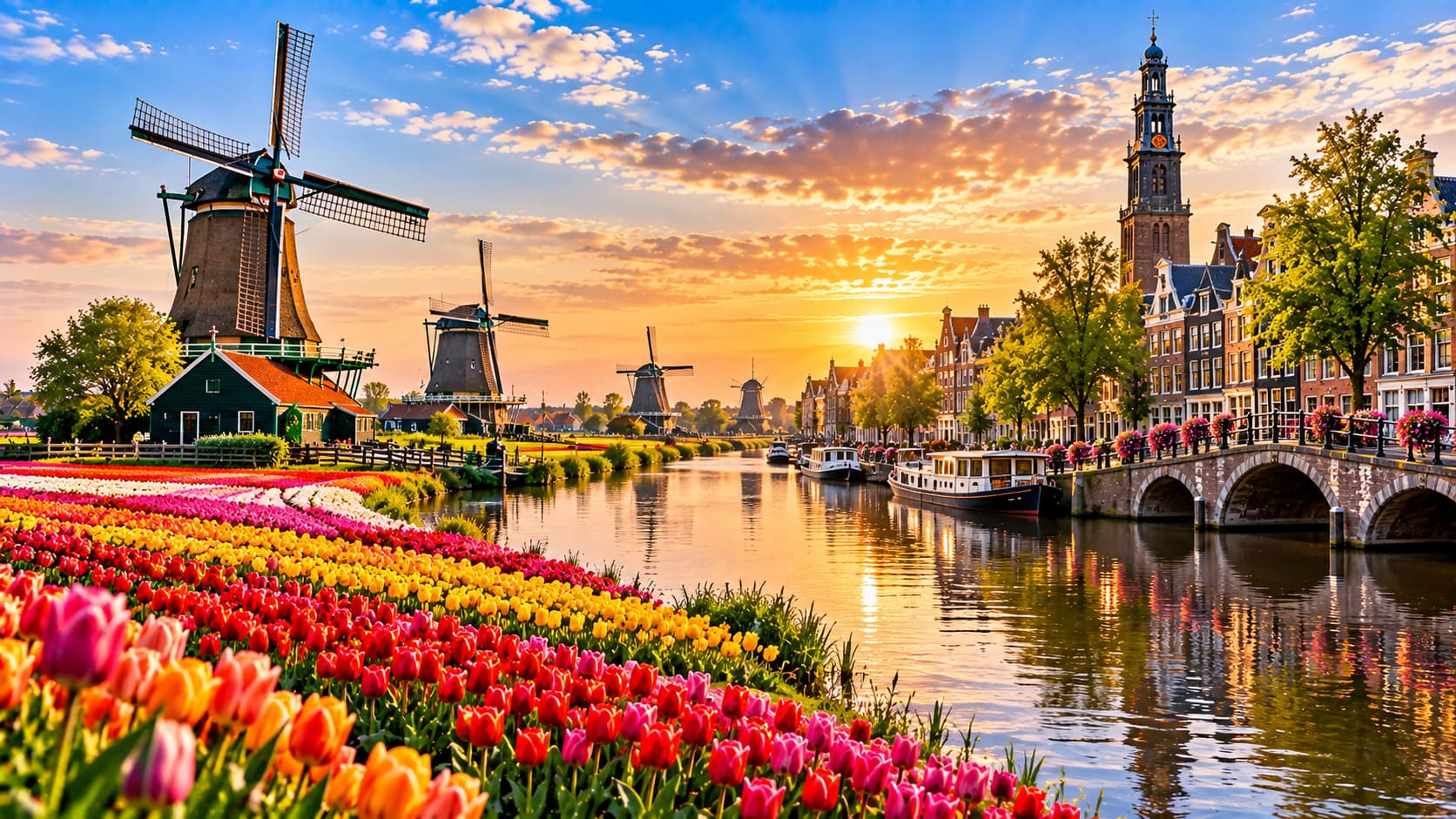
Amsterdam, the capital, is known for its UNESCO-listed canal ring, historic merchant houses, elegant bridges, and world-class museums.
Its artistic heritage includes masterpieces associated with Rembrandt and Vincent van Gogh.
Rotterdam presents a more modern architectural landscape and one of Europe’s most important ports.
The Hague combines royal landmarks, international institutions, and access to the North Sea coastline.
Beyond the major cities, the Dutch countryside reveals green fields, picturesque villages, and historic windmills.
Kinderdijk is famous for its remarkable collection of traditional windmills, while Giethoorn is known for peaceful waterways and charming houses.
During spring, the country’s tulip-growing regions transform into colorful landscapes, particularly around Keukenhof.
Traditional Dutch foods include regional cheeses, fresh herring, and stroopwafels.
Why visit the Netherlands? Its historic cities, picturesque canals, beautiful flower fields, cycling culture, and charming countryside create a distinctive European experience.
28. North Macedonia – Ancient Lakes and Balkan Mountain Landscapes
North Macedonia is a landlocked Balkan country known for its beautiful lakes, historic churches, mountain landscapes, and Ottoman-era towns.
Skopje, the capital, combines historic landmarks with modern architecture.
The Stone Bridge crosses the Vardar River, connecting the city center with the Old Bazaar.
Kale Fortress overlooks the capital, while traditional shops, mosques, and cafés preserve the atmosphere of earlier centuries.
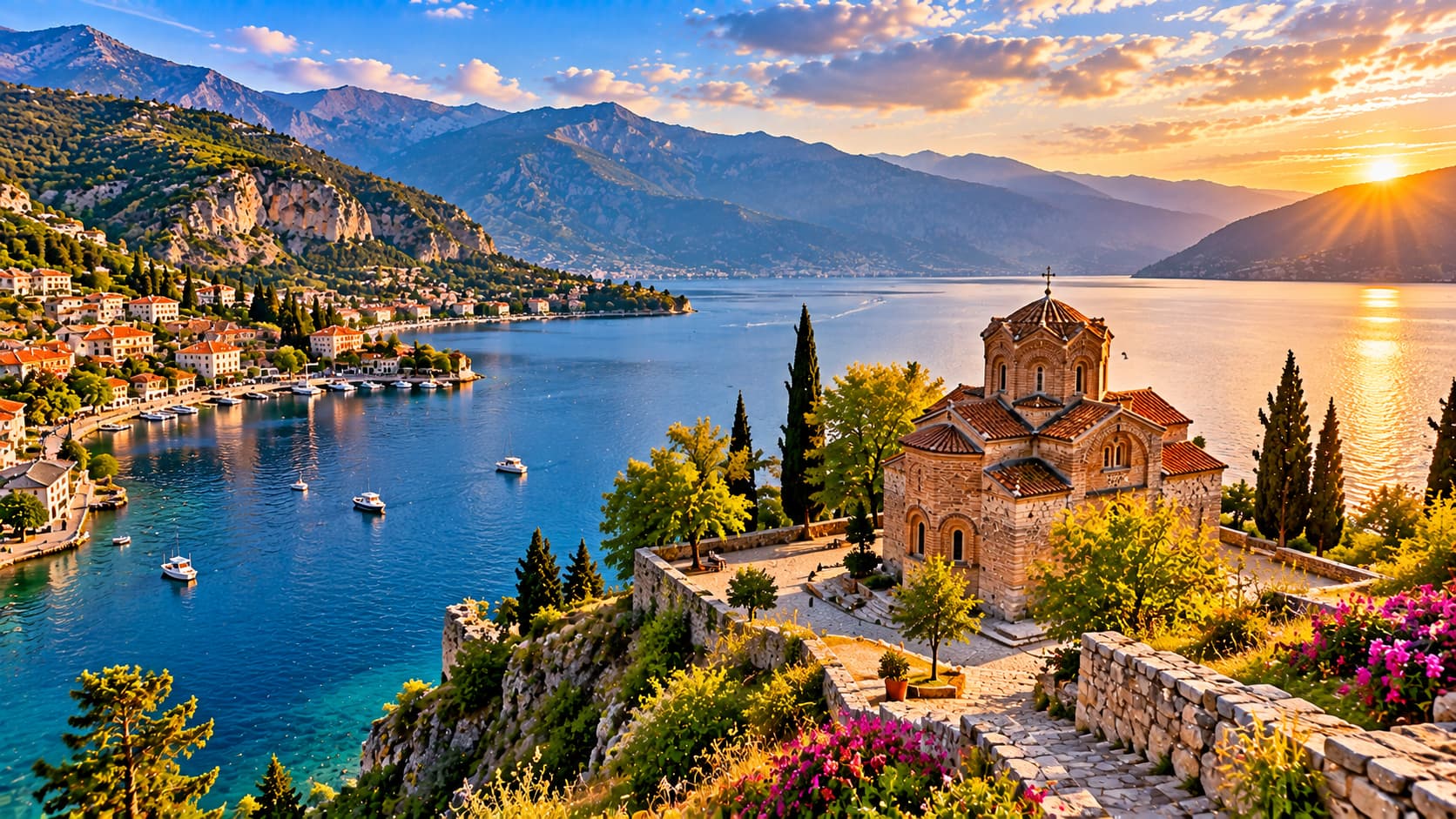
Lake Ohrid is one of the country’s greatest natural treasures.
Ohrid, the historic lakeside town, features traditional houses, ancient churches, cobblestone streets, and beautiful views across the water.
The Church of St. John at Kaneo is one of the most recognizable landmarks in the Balkans.
Samuel’s Fortress overlooks the town, while boat trips reveal scenic shorelines and historic monasteries.
Mavrovo National Park offers mountain villages, forests, hiking routes, and winter sports.
Matka Canyon, near Skopje, features dramatic cliffs and emerald water.
Why visit North Macedonia? Its ancient lakes, historic towns, spectacular mountain scenery, and traditional Balkan culture make it a rewarding destination for travelers seeking lesser-known European experiences.
29. Norway – Majestic Fjords and Arctic Wilderness
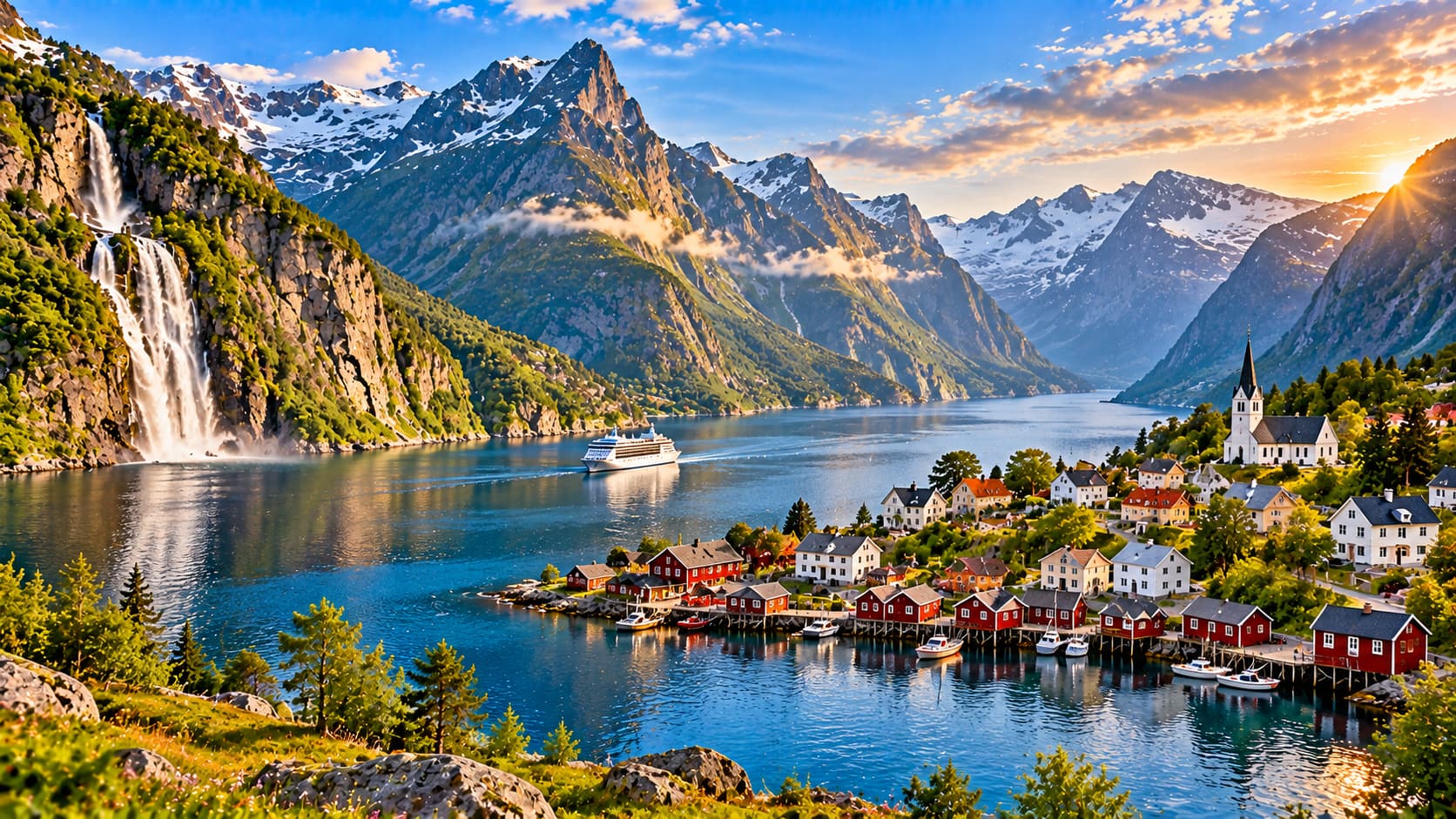
Norway is one of Europe’s most spectacular natural destinations, famous for its deep fjords, towering mountains, dramatic waterfalls, and remote Arctic landscapes.
Oslo, the capital, combines modern architecture with museums, waterfront neighborhoods, and nearby forests.
The Royal Palace and Akershus Fortress reveal important chapters of Norwegian history, while Viking-era discoveries reflect the country’s maritime heritage.
Beyond Oslo, Norway’s extraordinary landscapes dominate.
Geirangerfjord is celebrated for its steep mountains and spectacular waterfalls.
Flåm offers scenic mountain railways, dramatic valleys, and access to the beautiful Nærøyfjord.
Farther north, the Lofoten Islands feature jagged peaks, traditional red fishing cabins, beautiful beaches, and sheltered harbors.
Tromsø is a popular gateway to Arctic experiences and Northern Lights viewing.
During summer, northern Norway experiences the midnight sun, when daylight extends through the night.
Why visit Norway? Its immense fjords, dramatic mountains, Arctic landscapes, and scenic coastal journeys make it one of the world’s most breathtaking nature destinations.
30. Poland – Historic Cities, Mountain Landscapes, and Cultural Resilience
Poland is a country of beautifully restored historic cities, medieval architecture, peaceful lakes, and spectacular mountain scenery.
Warsaw, the capital, reflects the country’s remarkable history of resilience and reconstruction.
Its historic center was carefully rebuilt after extensive destruction during World War II.
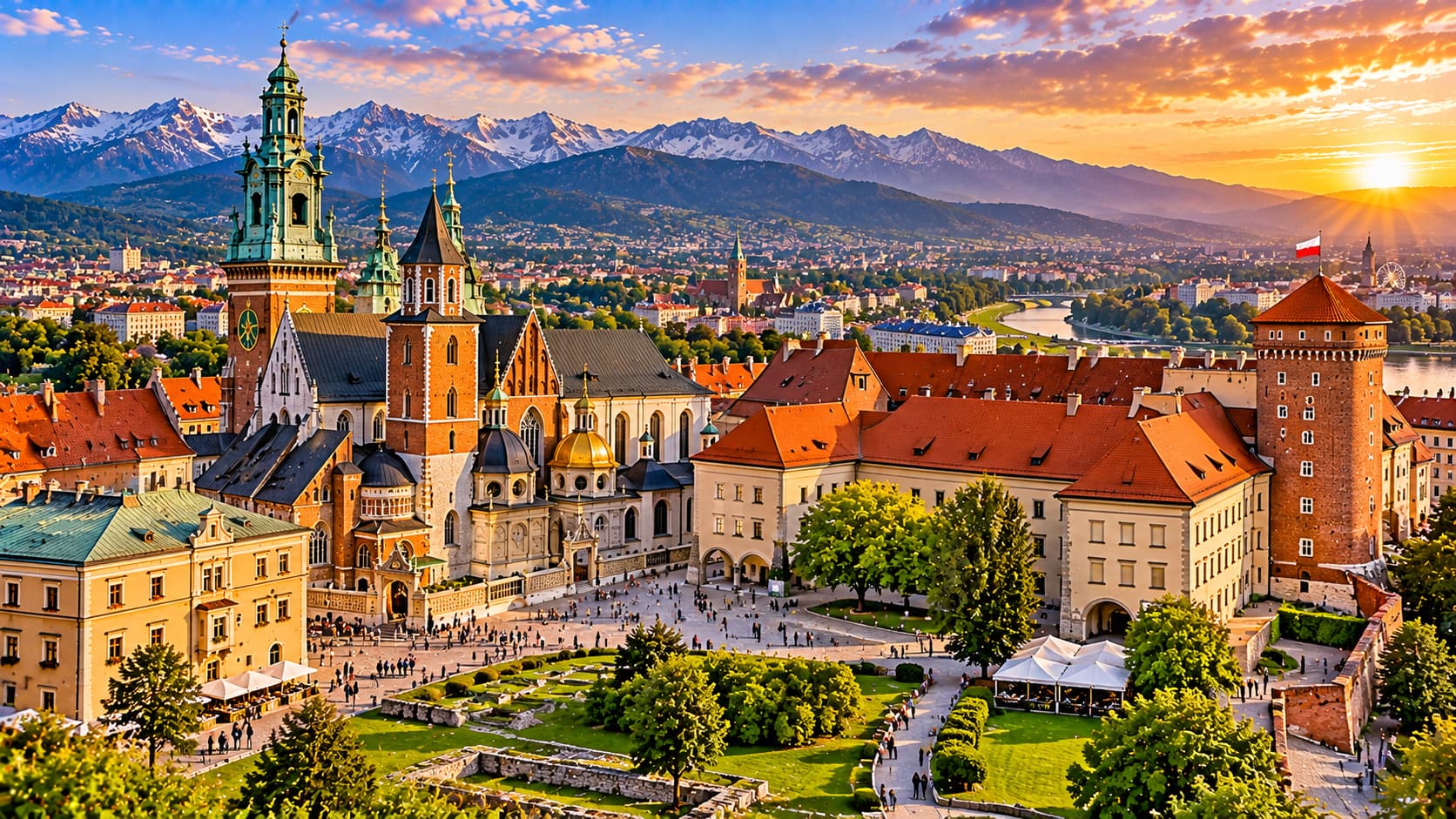
Kraków is one of Poland’s most beautiful cities, known for its historic Main Market Square, Wawel Castle, and preserved medieval architecture.
Nearby, the Wieliczka Salt Mine features extraordinary underground chambers and chapels carved from salt.
Gdańsk offers elegant merchant houses and a strong maritime identity along the Baltic coast.
The Masurian Lake District provides beautiful forests, lakes, and waterways.
In southern Poland, the Tatra Mountains offer spectacular hiking landscapes.
Zakopane is famous for its traditional wooden architecture and highland culture.
Polish cuisine includes pierogi, traditional soups, smoked cheeses, and regional cakes.
Why visit Poland? Its combination of historic cities, cultural heritage, beautiful mountains, and scenic lakes makes it one of Central Europe’s most rewarding destinations.
31. Portugal – Atlantic Coastlines, Historic Cities, and Island Adventures
Portugal is a beautiful Atlantic country known for its dramatic coastline, historic cities, charming villages, vineyards, and spectacular islands.
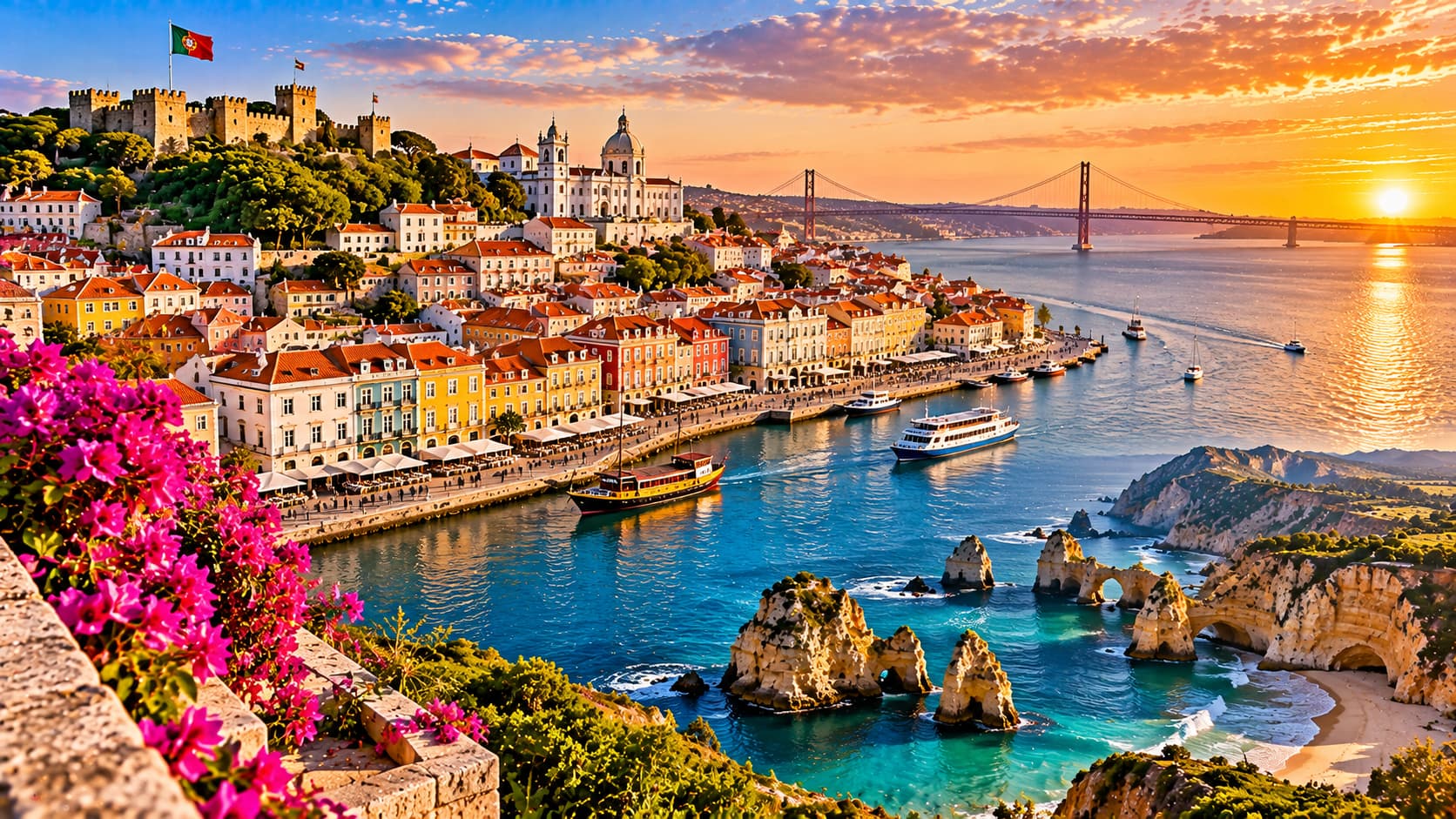
Lisbon, the capital, rises across hills overlooking the Tagus River.
Its colorful neighborhoods, historic trams, tiled buildings, and scenic viewpoints create a distinctive urban atmosphere.
Porto is famous for its riverside architecture, elegant bridges, and world-renowned port wine.
The Algarve offers golden cliffs, hidden coves, sandy beaches, and turquoise waters.
The Douro Valley features terraced vineyards stretching along a winding river.
Sintra is celebrated for its romantic palaces and beautiful forested hills.
Beyond mainland Portugal, Madeira offers lush mountains, dramatic coastal cliffs, and scenic hiking routes.
The Azores are famous for volcanic lakes, waterfalls, green landscapes, and spectacular Atlantic scenery.
Portuguese culture is deeply connected to maritime history, traditional seafood dishes, regional wines, pastries, and the emotional melodies of fado music.
Why visit Portugal? Its combination of Atlantic scenery, charming historic cities, beautiful islands, and rich cultural traditions makes it one of Europe’s most appealing destinations.
32. Romania – Transylvanian Castles and Carpathian Wilderness
Romania is a country of medieval towns, historic castles, beautiful mountain landscapes, and traditional villages.
Bucharest, the capital, combines grand boulevards, historic architecture, museums, and the enormous Palace of Parliament.
Beyond the capital, Transylvania is one of Romania’s most fascinating regions.
Brașov, Sibiu, and Sighișoara are famous for their colorful historic squares, medieval towers, and cobblestone streets.
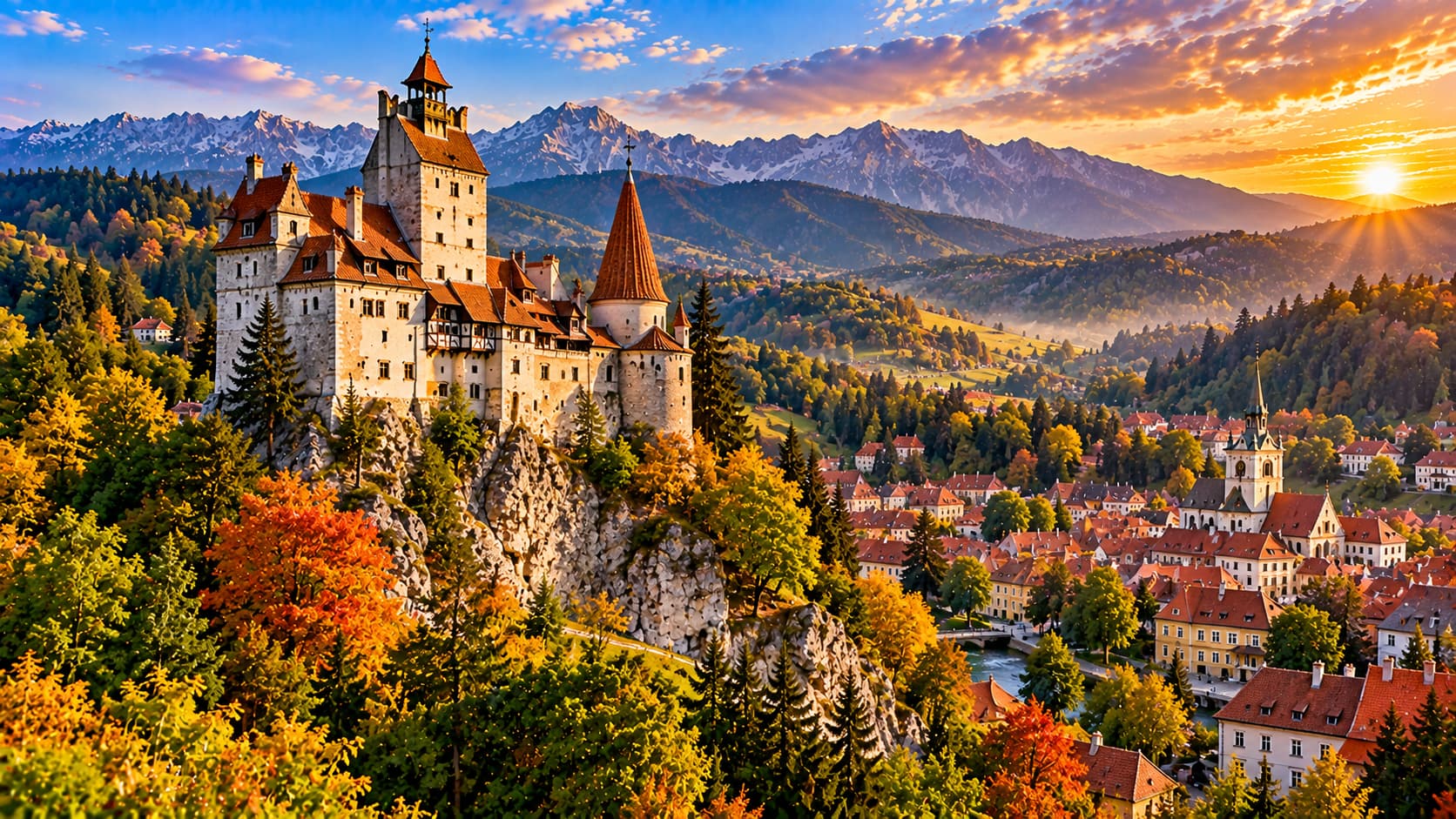
Bran Castle, often associated with the Dracula legend, is one of the country’s most recognizable landmarks.
The Carpathian Mountains protect extensive forests and wildlife habitats, including populations of brown bears and wolves.
The Danube Delta, where the river reaches the Black Sea, is one of Europe’s most important wetland ecosystems.
Traditional villages preserve folk music, handicrafts, local cuisine, and historic customs.
Why visit Romania? Its medieval towns, mysterious castles, spectacular mountains, and authentic rural traditions make it a fascinating destination for cultural and nature-based travel.
33. Russia – Imperial Cities and Vast Cultural Heritage
Russia is a transcontinental country whose European regions contain magnificent cities, historic churches, imperial palaces, and extensive forests.
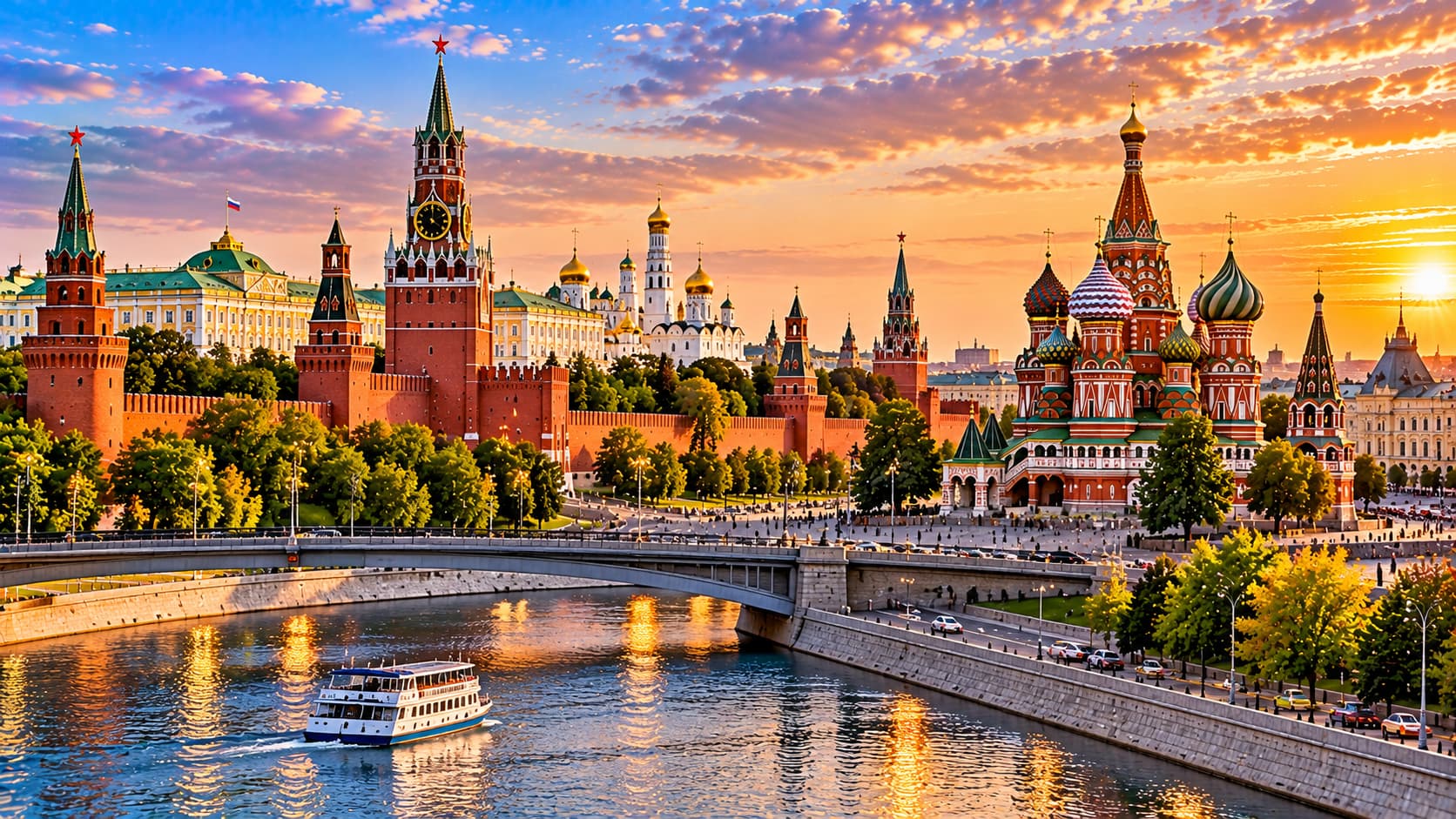
Moscow is famous for the Kremlin, Red Square, and the colorful domes of St. Basil’s Cathedral.
Its historic architecture, museums, monasteries, and elaborate metro stations reflect centuries of cultural development.
St. Petersburg is celebrated for its elegant canals, imperial architecture, and extraordinary art collections.
The Hermitage Museum is among the world’s most important cultural institutions, while nearby Peterhof is famous for its magnificent palace and fountains.
The historic Golden Ring towns, including Suzdal, preserve traditional Russian architecture, Orthodox churches, and ancient monasteries.
Northern European Russia features forests, lakes, and remote settlements extending toward the Arctic.
Russian literature, classical music, ballet, and architecture have profoundly influenced European culture.
Travel considerations: Russia’s ongoing full-scale invasion of Ukraine has significantly affected international relations, transport, and travel conditions. Visitors should consult current government travel advisories and official entry requirements.
34. San Marino – Medieval Towers Above the Italian Countryside
San Marino is one of the world’s oldest surviving republics and one of Europe’s smallest independent countries.
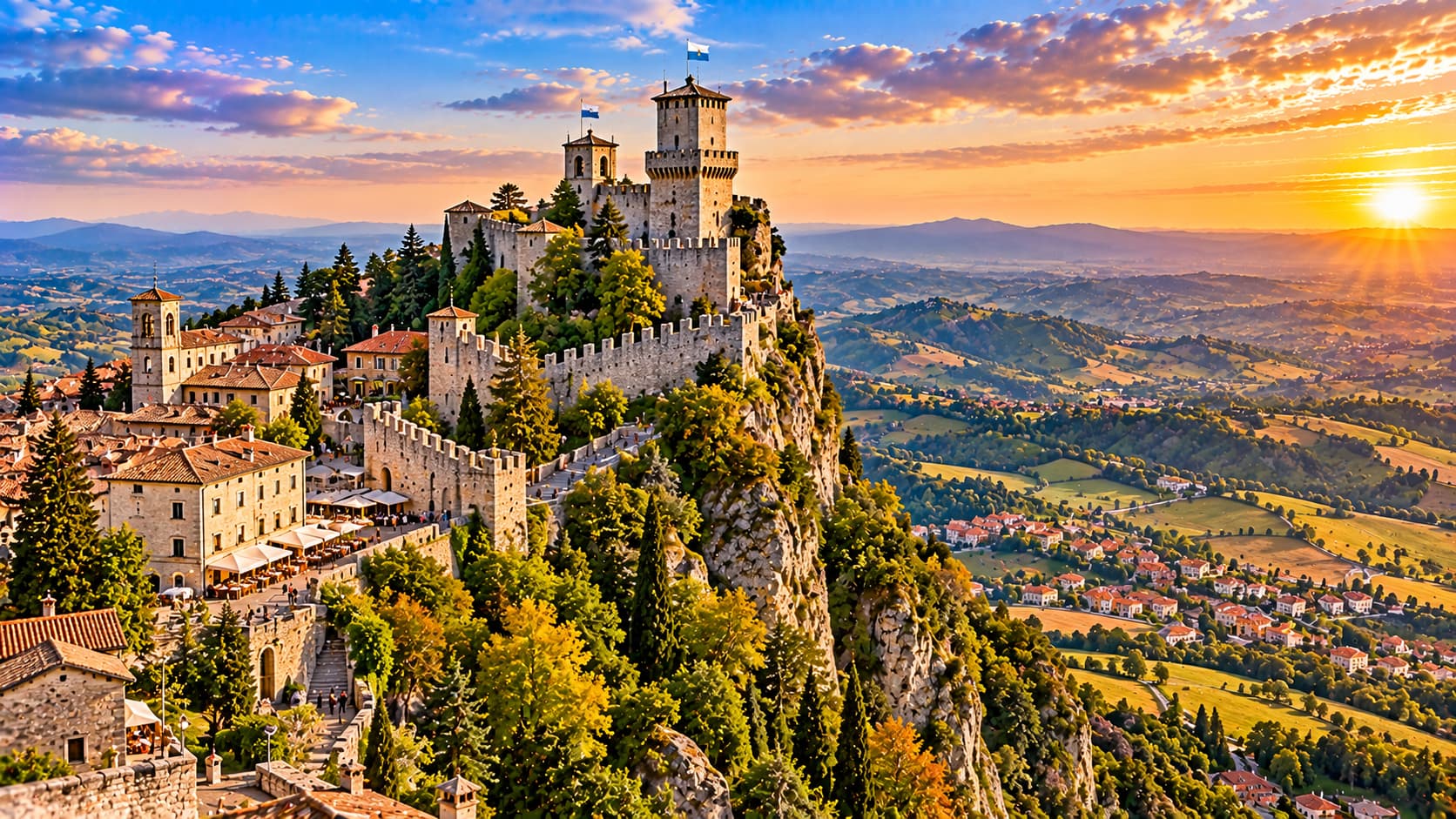
Completely surrounded by Italy, it is famous for its dramatic hilltop setting, medieval towers, and beautiful countryside views.
The historic City of San Marino rises along the slopes of Mount Titano.
Its narrow stone streets lead through charming squares, traditional shops, museums, and historic buildings.
Piazza della Libertà is the civic heart of the capital, overlooked by the Palazzo Pubblico.
The country’s three famous towers are its most recognizable landmarks.
Guaita, Cesta, and Montale stand along the mountain ridge, providing spectacular views across the surrounding Italian landscape.
The Basilica of San Marino is another important historic landmark.
Why visit San Marino? Its medieval atmosphere, dramatic mountain setting, historic fortifications, and unique national identity make it an unforgettable small-country destination.
35. Serbia – Historic Fortresses and Vibrant Balkan Culture
Serbia is a country of lively cities, medieval monasteries, historic fortresses, and beautiful river landscapes.
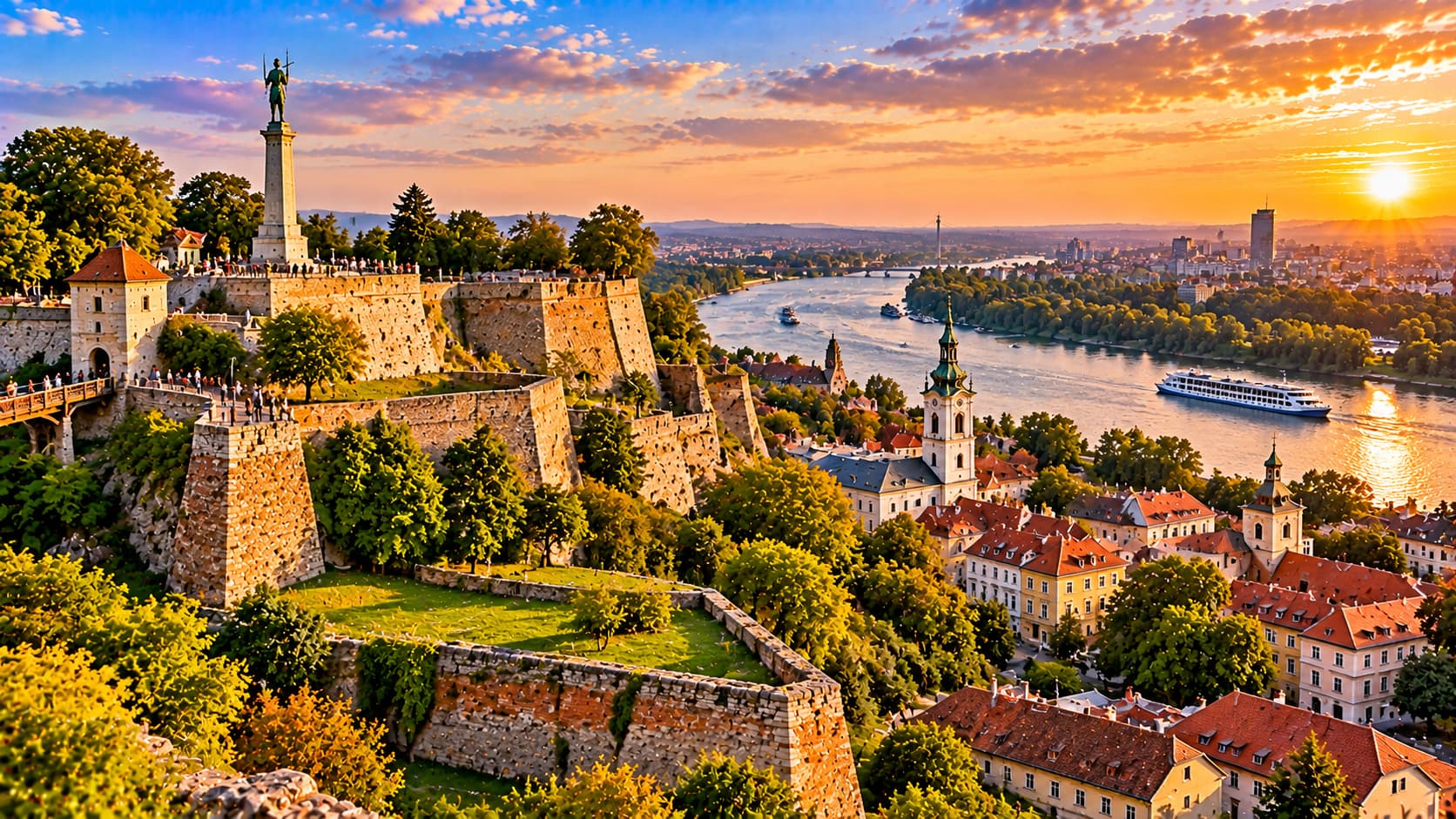
Belgrade, the capital, stands at the confluence of the Danube and Sava rivers.
Kalemegdan Fortress overlooks the rivers, while the historic streets of Stari Grad feature cafés, museums, restaurants, and lively pedestrian areas.
The Church of Saint Sava is one of the city’s most impressive religious landmarks.
Novi Sad offers elegant Austro-Hungarian architecture and a relaxed atmosphere beside the Danube.
Petrovaradin Fortress provides beautiful views over the city and surrounding countryside.
Beyond the urban centers, Tara National Park protects dense forests, mountain viewpoints, and dramatic river valleys.
The Drina River is famous for its scenic landscapes.
Serbia’s medieval Orthodox monasteries preserve remarkable frescoes and religious traditions.
Why visit Serbia? Its historic cities, welcoming café culture, medieval heritage, and beautiful natural landscapes provide a distinctive Balkan travel experience.
36. Slovakia – Medieval Castles and the High Tatras
Slovakia is a Central European country famous for its dramatic mountains, historic castles, picturesque towns, and traditional villages.
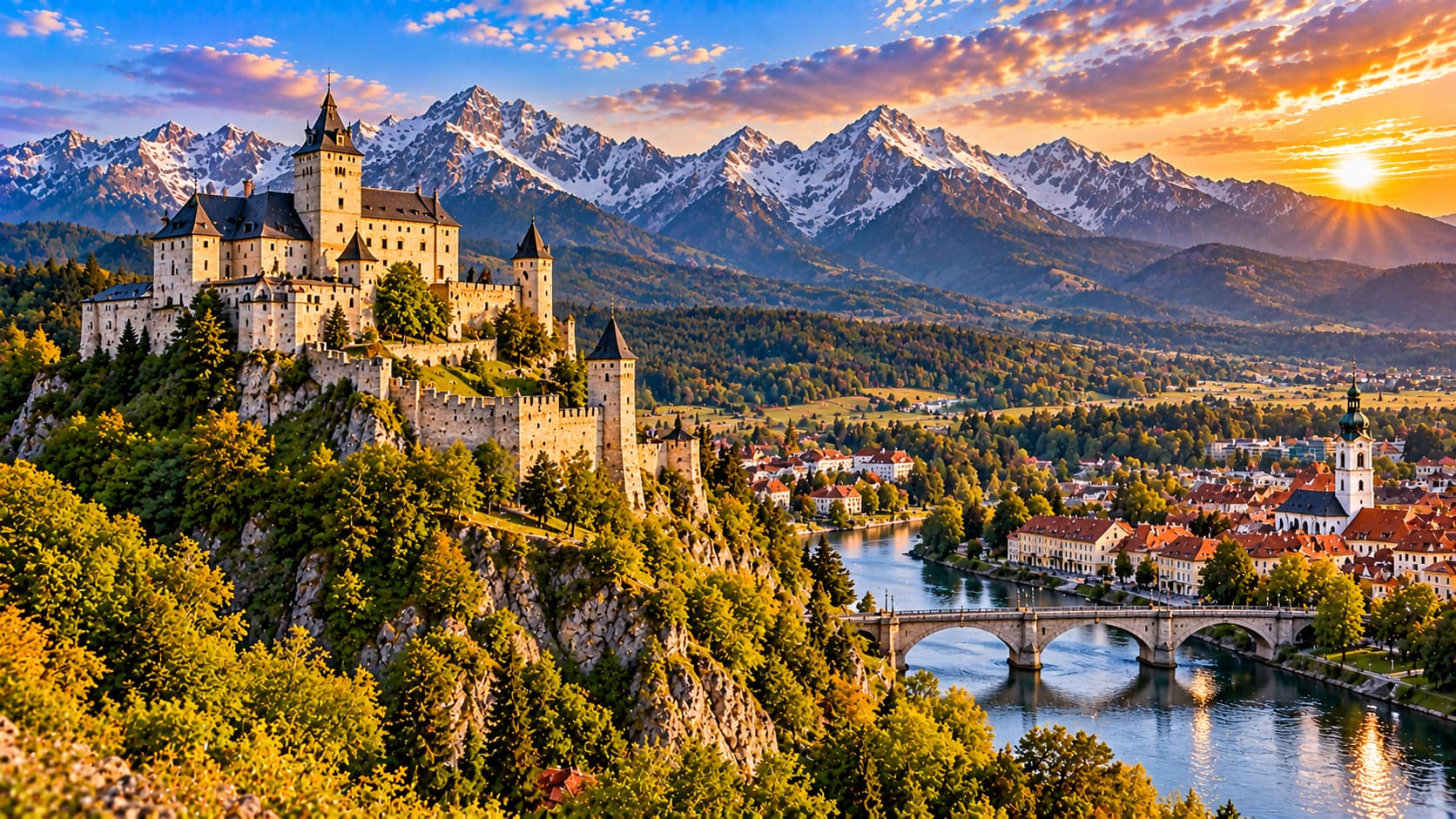
Bratislava, the capital, lies along the Danube River near Austria and Hungary.
Its compact Old Town features colorful buildings, cobblestone streets, cafés, and historic squares.
Bratislava Castle overlooks the river, while St. Martin’s Cathedral reflects the city’s royal history.
Beyond the capital, the High Tatras form Slovakia’s most dramatic natural landscape.
Jagged mountain peaks, glacial lakes, waterfalls, and hiking trails attract outdoor enthusiasts throughout the year.
Spiš Castle is one of Europe’s largest medieval castle complexes, while Bojnice Castle is famous for its romantic architecture.
Traditional wooden churches, folk crafts, and regional cuisine preserve Slovakia’s rural cultural heritage.
Why visit Slovakia? Its spectacular mountains, medieval castles, charming towns, and peaceful countryside make it an excellent destination for nature and history lovers.
37. Slovenia – Alpine Lakes, Turquoise Rivers, and Mediterranean Towns
Slovenia is one of Europe’s most geographically diverse small countries, combining Alpine mountains, beautiful lakes, underground caves, and a short Adriatic coastline.
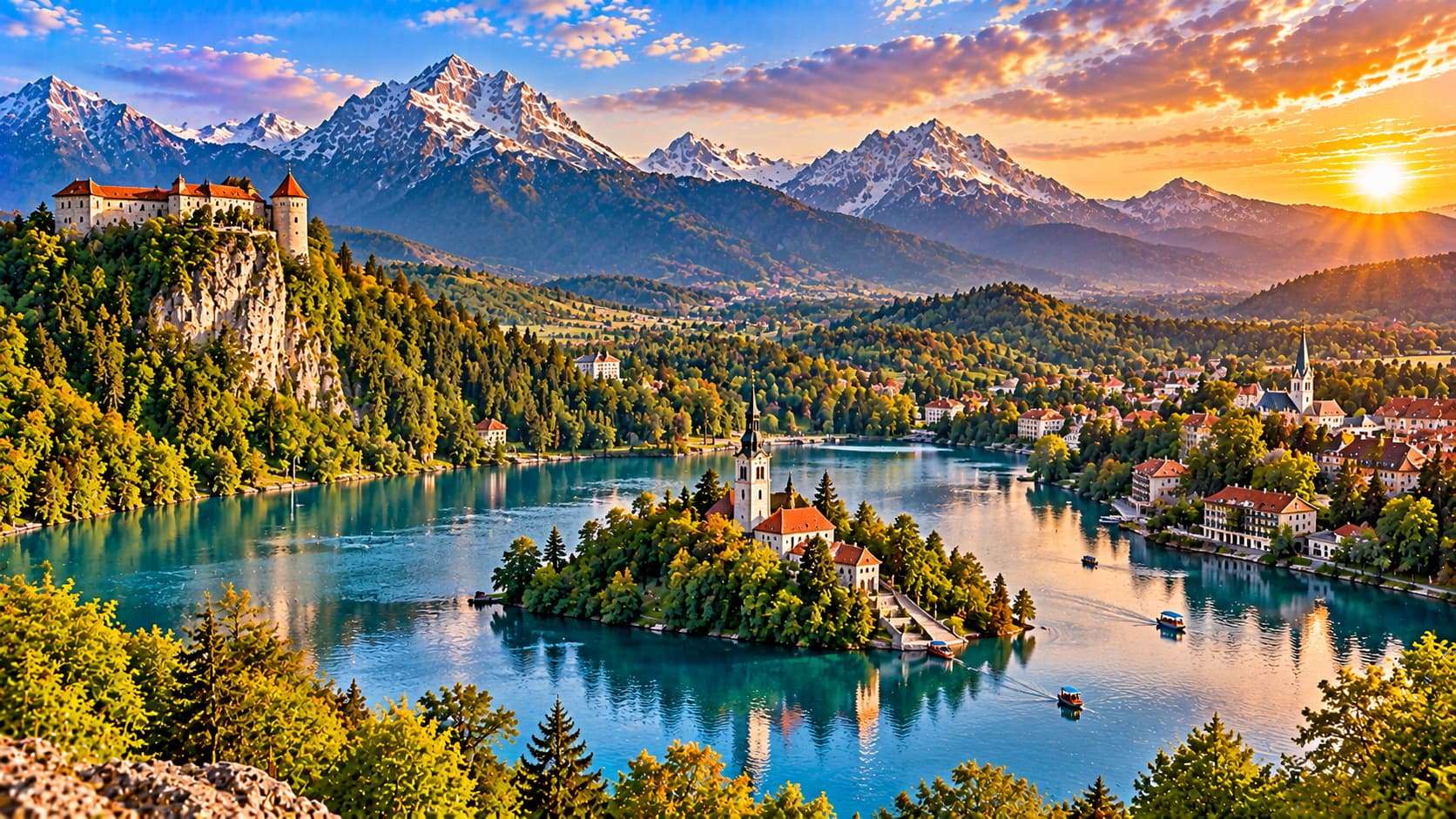
Ljubljana, the capital, is a charming city centered around the Ljubljanica River.
The Triple Bridge, Dragon Bridge, colorful buildings, and Ljubljana Castle create a picturesque historic center.
Lake Bled is one of Slovenia’s most iconic destinations.
A small church stands on an island in the middle of the lake, while Bled Castle rises above the water with the Julian Alps in the background.
Triglav National Park protects spectacular mountain landscapes, waterfalls, forests, and the brilliant turquoise Soča River.
Postojna Cave features enormous underground chambers and remarkable limestone formations.
Nearby, Predjama Castle is dramatically built into a towering cliff.
Along the Adriatic coast, Piran offers Venetian architecture, narrow streets, and beautiful sea views.
Why visit Slovenia? Its combination of Alpine scenery, picturesque lakes, dramatic caves, and Mediterranean charm makes it one of Europe’s most versatile travel destinations.
38. Spain – Historic Cities, Beautiful Beaches, and Vibrant Traditions
Spain is one of Europe’s most diverse countries, offering magnificent architecture, historic cities, spectacular coastlines, mountain landscapes, and vibrant regional cultures.
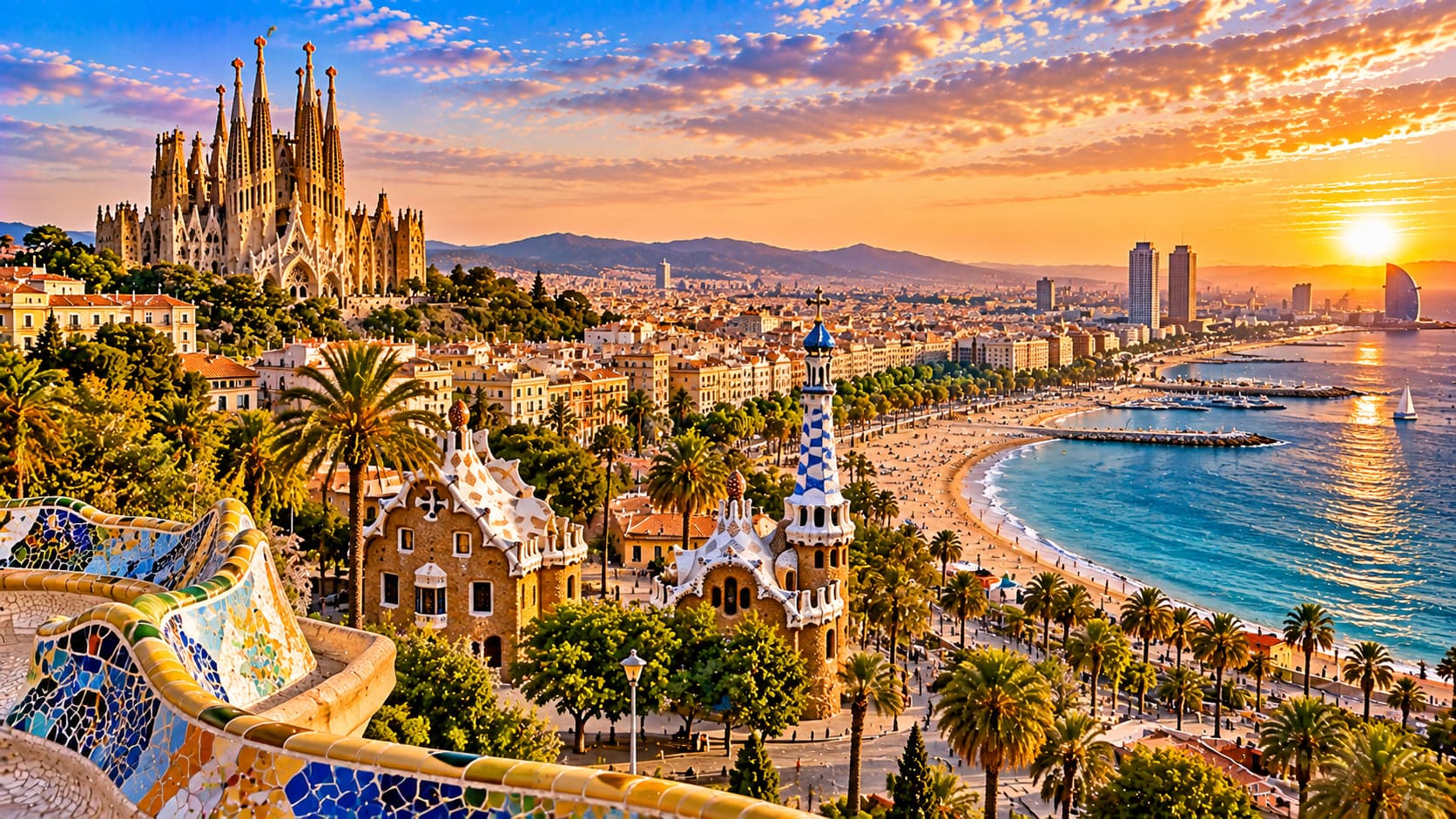
Madrid, the capital, is famous for its grand boulevards, royal landmarks, lively squares, and world-class museums such as the Prado.
Barcelona offers a distinctive combination of Gothic architecture and the extraordinary creations of Antoni Gaudí.
The Sagrada Família and Park Güell are among the city’s most recognizable attractions.
In southern Spain, Andalusia preserves remarkable Moorish heritage.
The Alhambra in Granada, the historic architecture of Córdoba, and the palaces of Seville reveal centuries of cultural influence.
Whitewashed villages, flamenco traditions, and picturesque courtyards add to the region’s appeal.
Along the Mediterranean, Málaga, Alicante, and the Costa del Sol offer beautiful beaches and warm coastal scenery.
Northern Spain reveals greener landscapes, including the dramatic Picos de Europa and the rugged coastline of Galicia.
Santiago de Compostela is an important destination for pilgrims, while the Basque Country is celebrated for its architecture and cuisine.
Spain’s islands provide even more variety.
The Balearic Islands feature turquoise coves and coastal villages, while the Canary Islands offer extraordinary volcanic landscapes.
Why visit Spain? Its magnificent architecture, beautiful beaches, diverse regional cultures, and celebrated cuisine make it one of Europe’s most exciting destinations.
39. Sweden – Nordic Cities, Endless Forests, and Arctic Landscapes
Sweden is Scandinavia’s largest country, offering vast forests, thousands of lakes, beautiful coastal islands, and modern Nordic cities.
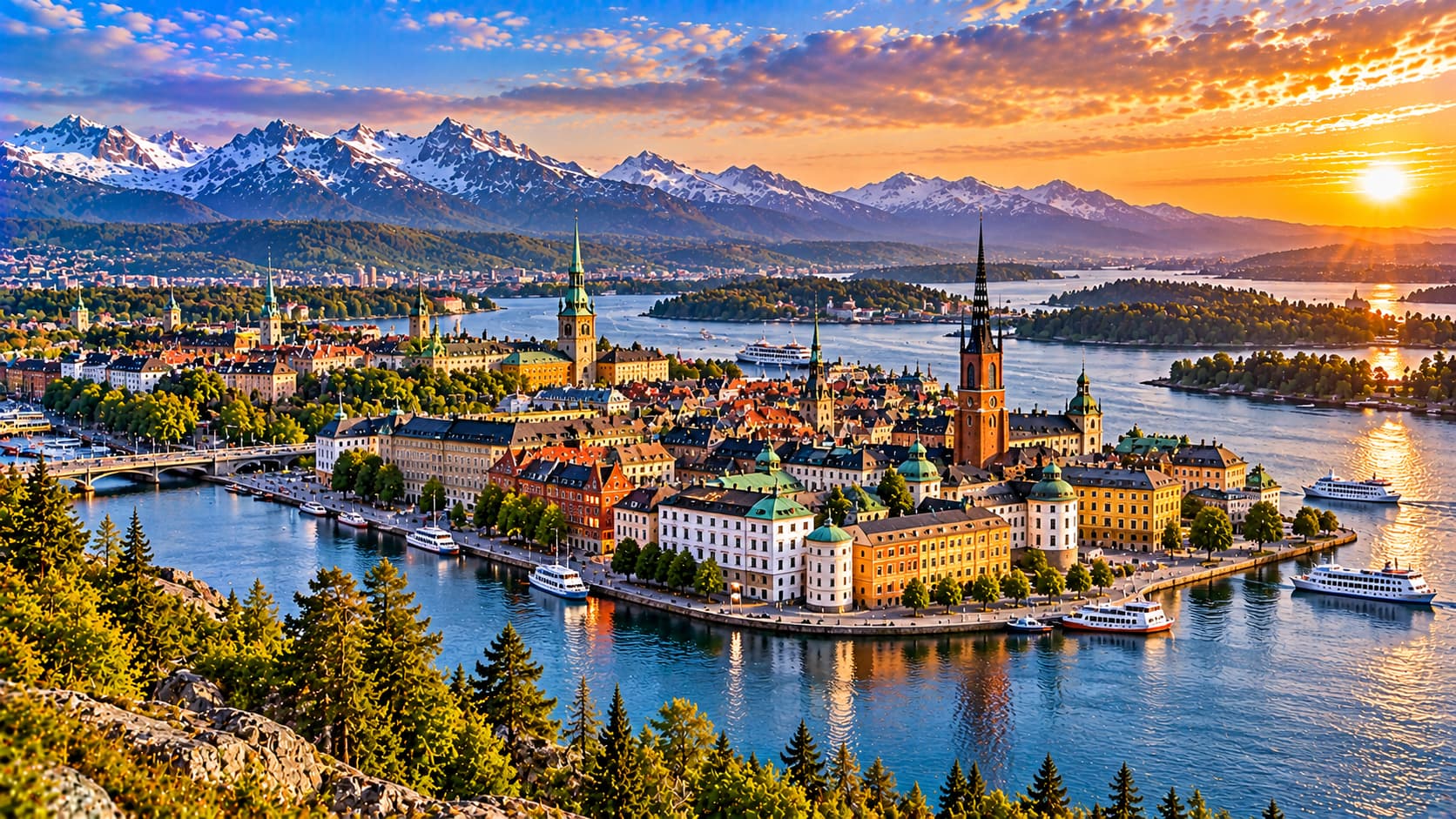
Stockholm, the capital, spreads across 14 islands connected by bridges.
Gamla Stan, the historic Old Town, features colorful buildings, narrow cobblestone streets, and the Royal Palace.
The Vasa Museum preserves an extraordinary seventeenth-century warship.
Beyond Stockholm, the surrounding archipelago contains thousands of islands, peaceful villages, and beautiful coastal landscapes.
Gothenburg offers picturesque canals, seafood markets, and access to Sweden’s western archipelago.
Farther north, Swedish Lapland features forests, mountains, frozen rivers, and Arctic wilderness.
Abisko National Park is famous for its hiking opportunities and Northern Lights viewing.
Traditional red wooden houses, Midsummer celebrations, and the Swedish custom of fika reflect the country’s distinctive cultural identity.
Why visit Sweden? Its combination of beautiful Nordic cities, peaceful forests, island landscapes, and Arctic adventures makes it ideal for travelers seeking nature and culture.
40. Switzerland – Spectacular Alps and Picture-Perfect Villages
Switzerland is one of Europe’s most spectacular mountain destinations, celebrated for its snow-covered peaks, turquoise lakes, picturesque villages, and scenic railways.
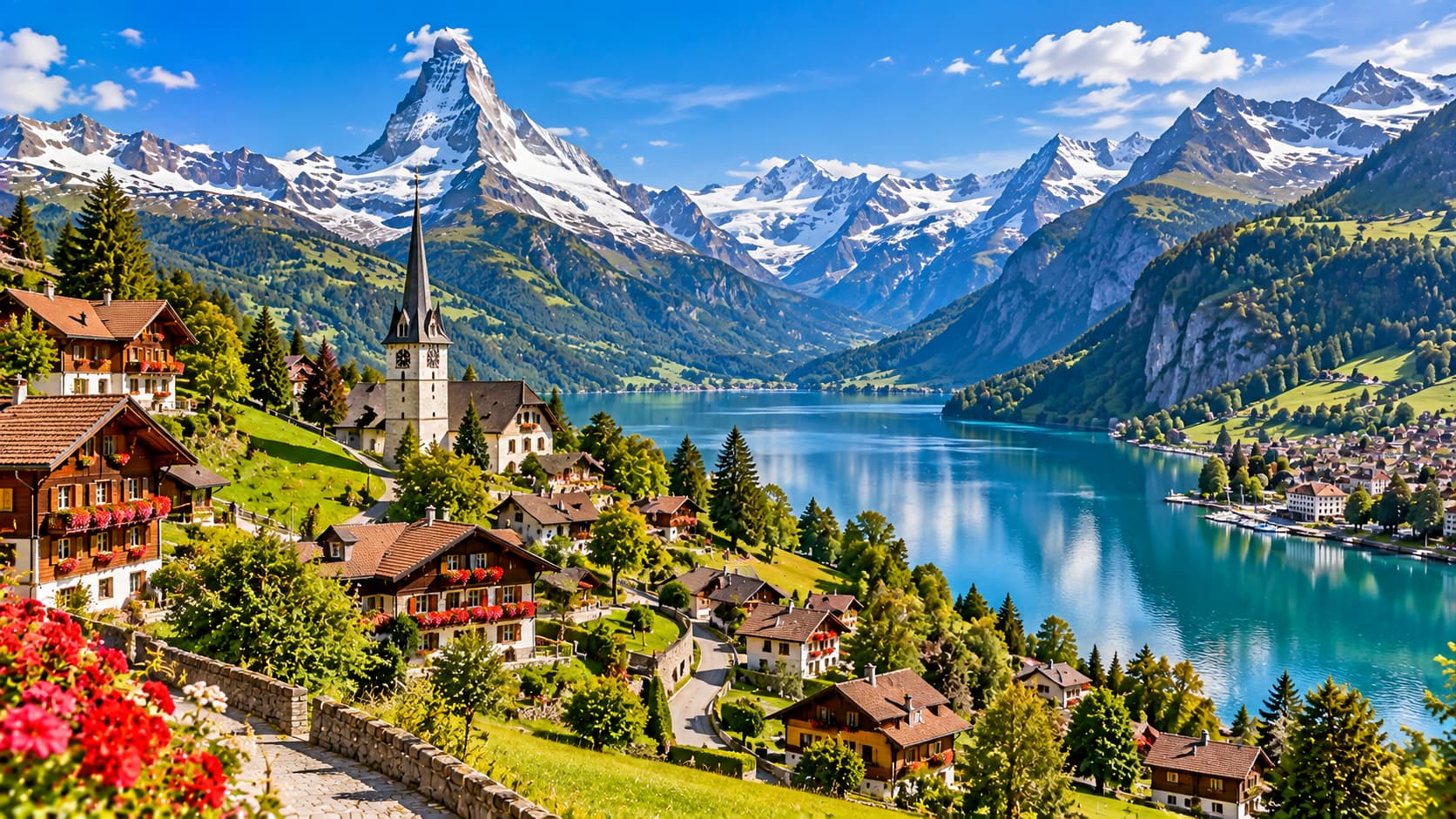
Bern, the federal capital, features a UNESCO-listed Old Town with medieval arcades, historic fountains, and the famous Zytglogge clock tower.
Lucerne offers another classic Swiss landscape, with its historic Chapel Bridge, beautiful lake, and surrounding mountains.
The Swiss Alps provide the country’s most famous scenery.
Lauterbrunnen is known for its dramatic valley, towering cliffs, and beautiful waterfalls.
Nearby, Grindelwald and Wengen offer access to hiking trails, ski slopes, and views of the Eiger, Mönch, and Jungfrau mountains.
Zermatt lies beneath the iconic Matterhorn and provides access to extraordinary Alpine viewpoints.
Lake Geneva features beautiful lakeside towns and vineyards, while Lugano offers a Mediterranean atmosphere in Switzerland’s Italian-speaking region.
Swiss chocolate, cheese, traditional mountain chalets, and scenic train journeys add to the experience.
Why visit Switzerland? Its magnificent Alpine landscapes, picturesque villages, beautiful lakes, and world-famous mountain railways create one of Europe’s most unforgettable travel experiences.
41. Ukraine – Historic Cities, Carpathian Mountains, and Cultural Heritage
Ukraine is one of Europe’s largest countries, with a rich cultural heritage shaped by historic cities, traditional villages, mountain landscapes, and centuries of European history.
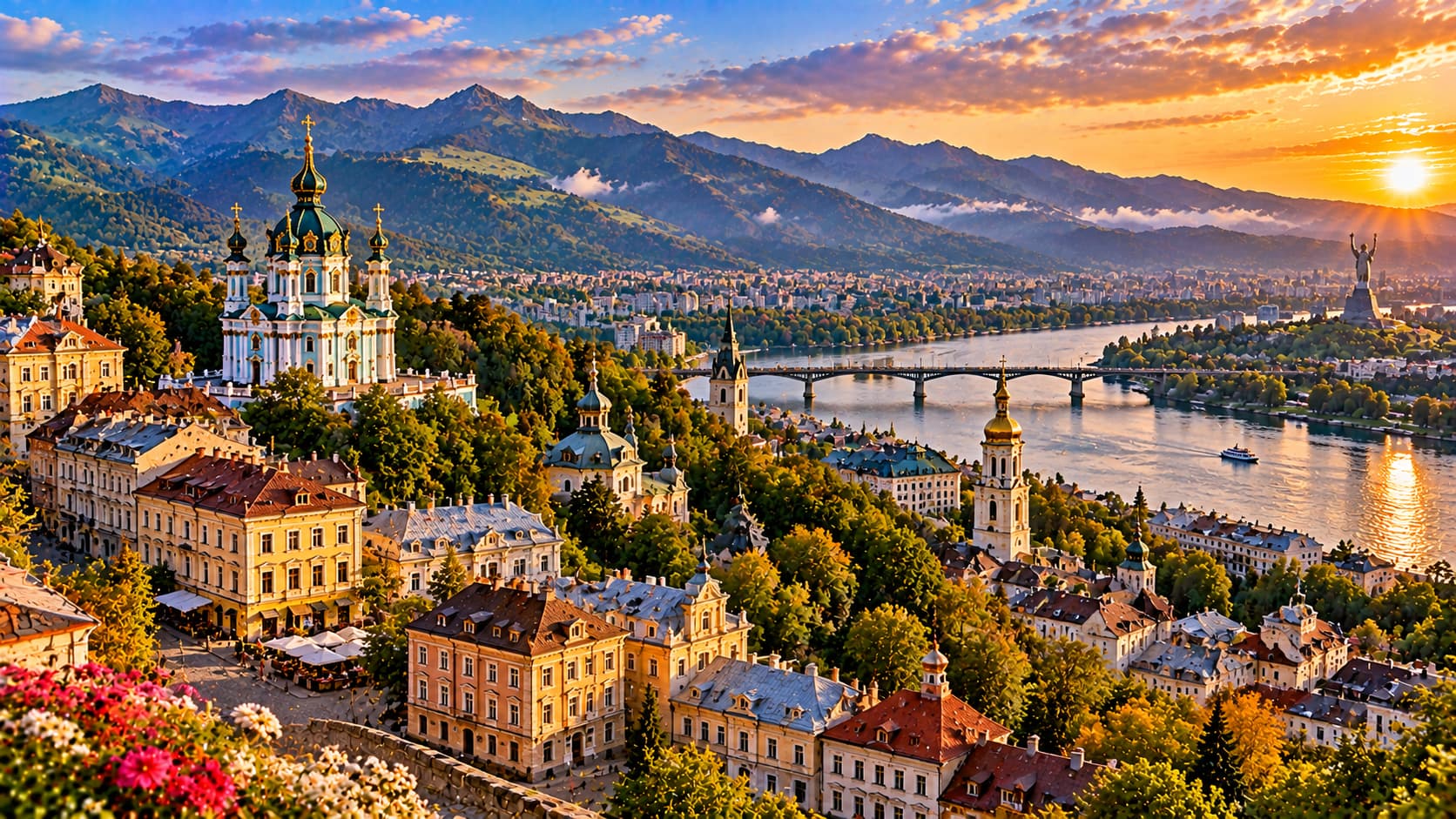
Kyiv, the capital, stands along the Dnipro River.
Saint Sophia Cathedral and the Kyiv Pechersk Lavra are among the country’s most important religious and architectural landmarks.
Lviv, in western Ukraine, is celebrated for its historic architecture, cobblestone streets, colorful buildings, and Central European influences.
The Carpathian Mountains feature forests, traditional villages, high meadows, and distinctive Hutsul cultural traditions.
Ukrainian heritage is reflected in traditional embroidery, folk music, religious celebrations, and regional dishes such as borscht and varenyky.
However, Ukraine continues to face the devastating consequences of Russia’s full-scale invasion, including destruction of infrastructure, historic sites, and communities.
Many areas remain unsafe or inaccessible for tourism.
Why learn about Ukraine? Its remarkable cultural heritage, historic architecture, beautiful landscapes, and enduring national traditions make it an important part of Europe’s identity, even as wartime conditions severely restrict travel.
42. United Kingdom – Royal History and Spectacular British Landscapes
The United Kingdom consists of England, Scotland, Wales, and Northern Ireland, each offering a distinctive combination of history, culture, and natural beauty.
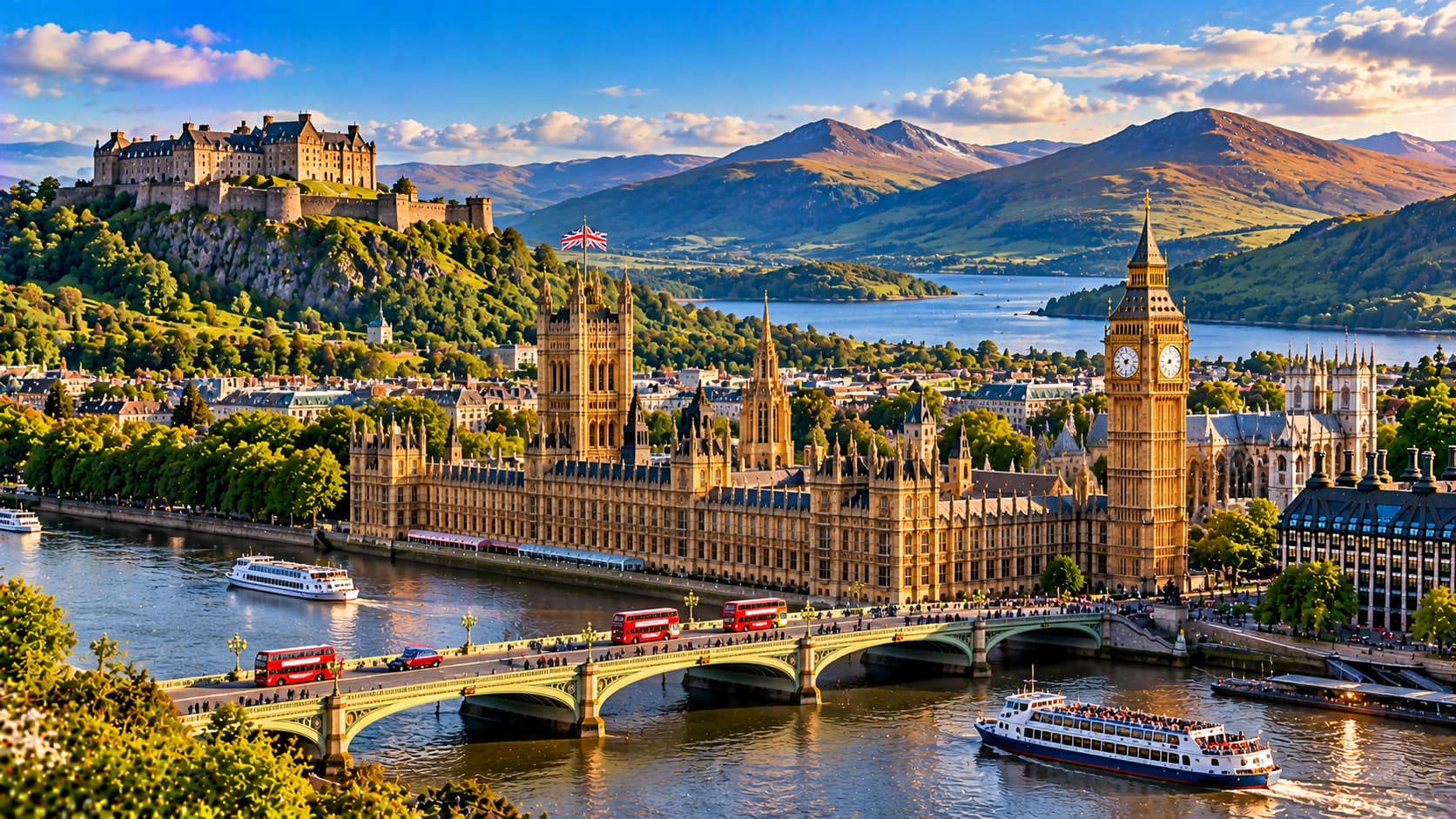
London is one of the world’s most famous cities, home to Buckingham Palace, the Tower of London, Big Ben, and Westminster Abbey.
Edinburgh is celebrated for its dramatic hilltop castle, historic streets, and elegant Georgian architecture.
York preserves medieval lanes, historic walls, and a magnificent cathedral.
Scotland’s Highlands offer rugged mountains, deep glens, beautiful lochs, and spectacular scenery.
The Isle of Skye is particularly famous for its dramatic landscapes.
In Wales, Eryri (Snowdonia) National Park features rugged peaks, waterfalls, and historic castles.
Northern Ireland’s Giant’s Causeway is one of Europe’s most extraordinary geological landmarks.
England’s Lake District, the Cotswolds, and Cornwall reveal peaceful lakes, picturesque villages, rolling countryside, and dramatic coastal cliffs.
Oxford and Cambridge are internationally known for their historic universities.
The United Kingdom’s cultural heritage also includes Shakespeare, the Beatles, traditional pubs, afternoon tea, and influential literature and music.
Why visit the United Kingdom? Its combination of royal landmarks, historic cities, spectacular countryside, and rich cultural traditions makes it one of Europe’s most diverse travel destinations.
43. Vatican City – The World’s Smallest Independent Country
Vatican City is the smallest independent country in the world, located entirely within Rome, Italy.
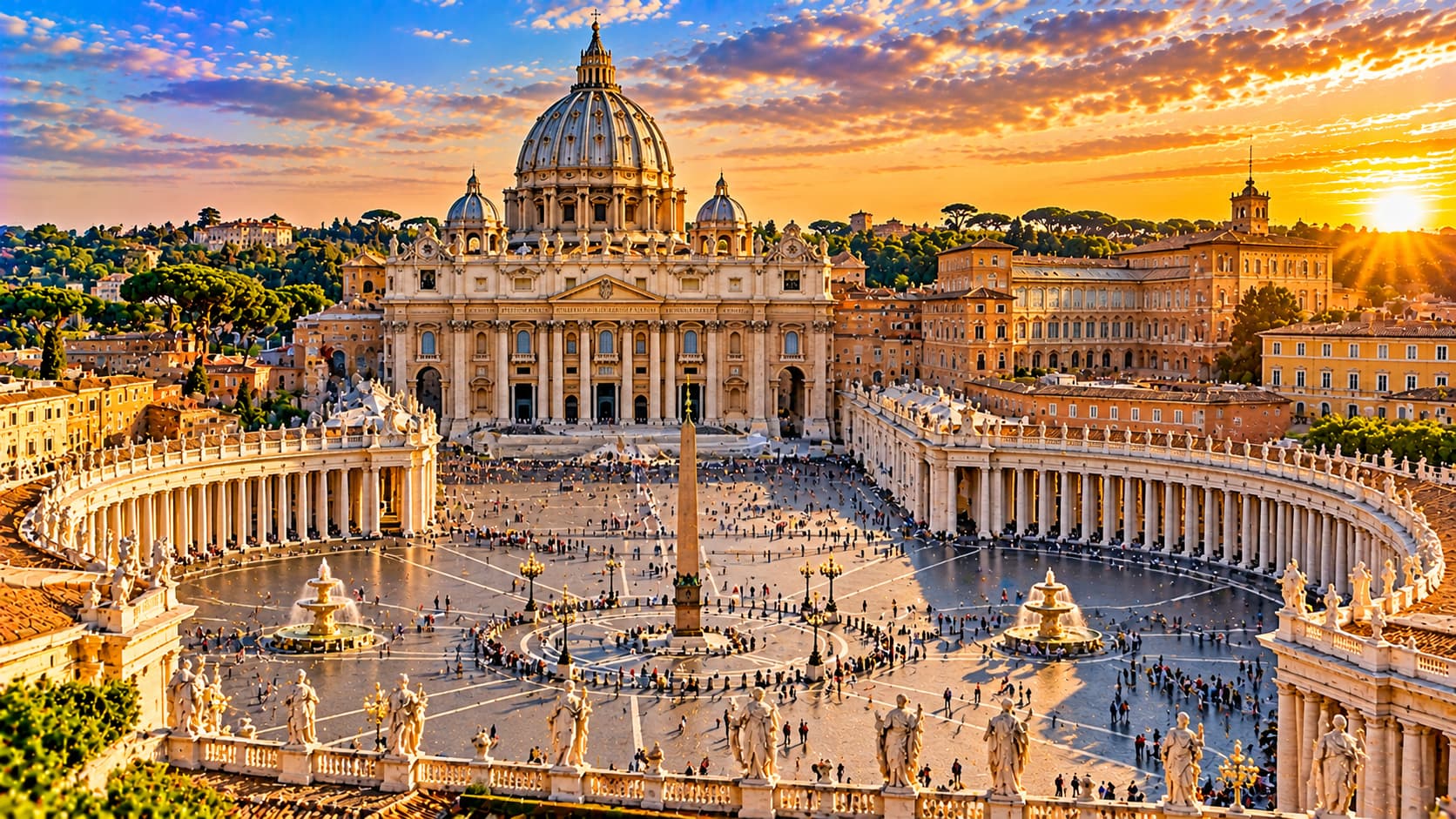
Despite its tiny size, it contains some of the world’s most extraordinary religious, artistic, and architectural treasures.
St. Peter’s Basilica is one of the largest and most magnificent churches ever constructed.
Its famous dome, designed in large part by Michelangelo, dominates the surrounding skyline.
Inside, visitors can admire extraordinary artistic masterpieces, including Michelangelo’s Pietà.
St. Peter’s Square is framed by Bernini’s magnificent colonnades and serves as an important gathering place for religious ceremonies.
The Vatican Museums contain an extraordinary collection of ancient sculptures, Renaissance paintings, tapestries, and historical treasures.
The Sistine Chapel is particularly famous for Michelangelo’s magnificent ceiling frescoes and The Last Judgment.
Vatican City’s artistic and spiritual heritage has influenced European culture for centuries.
Why visit Vatican City? Its unparalleled concentration of Renaissance art, religious history, magnificent architecture, and cultural significance makes it one of Europe’s most extraordinary destinations.
44. Moldova – Hidden Monasteries, Rolling Vineyards, and Eastern European Charm
Moldova is one of Europe’s most underrated travel destinations, offering a captivating blend of peaceful countryside, ancient monasteries, historic landmarks, and rich winemaking traditions.
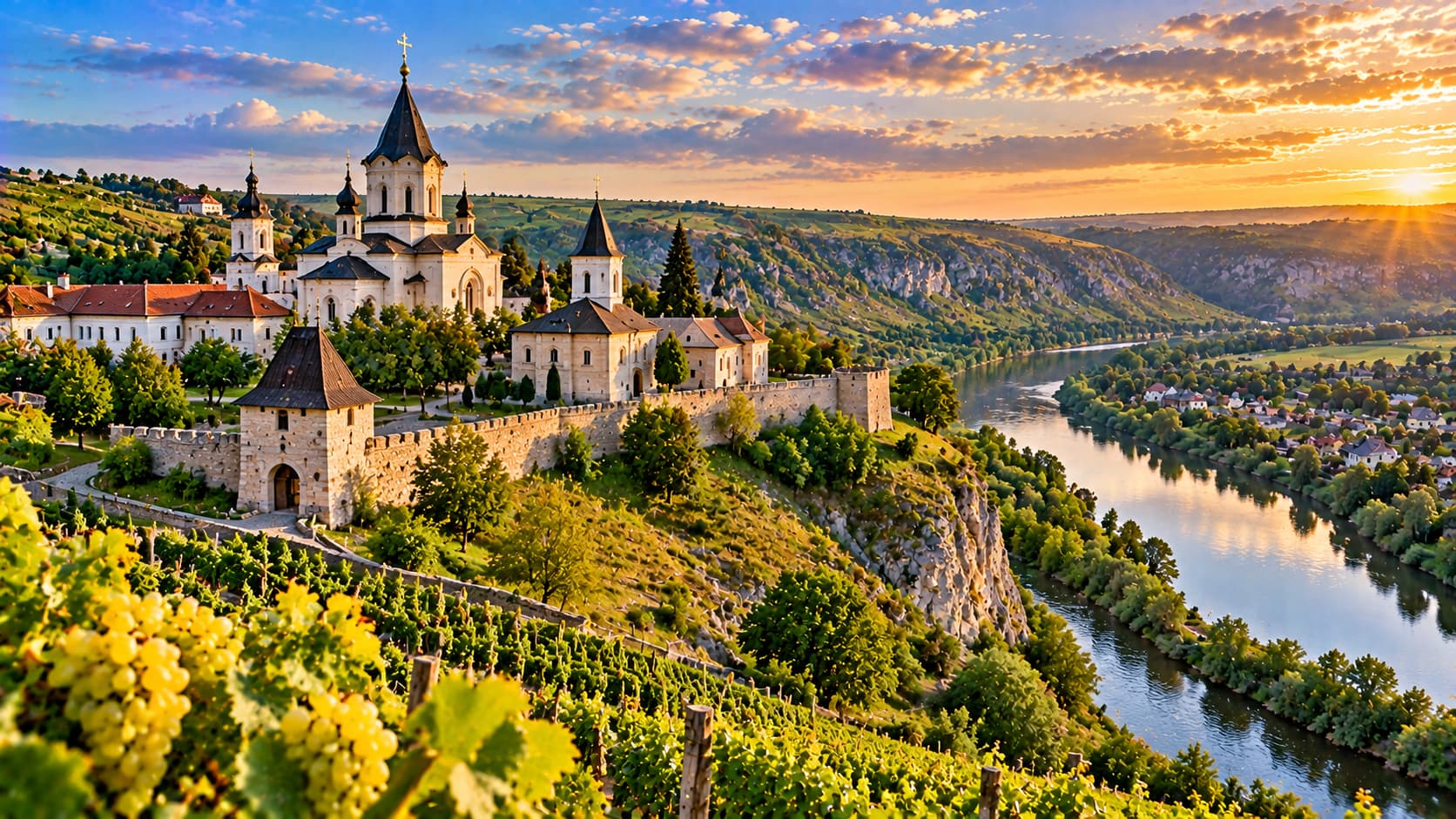
Nestled between Romania and Ukraine, this charming Eastern European country invites travelers to discover an authentic side of Europe away from crowded tourist hotspots.
One of the best places to visit in Moldova is Orheiul Vechi (Old Orhei), a remarkable archaeological and cultural complex featuring centuries-old cave monasteries carved into limestone cliffs overlooking the picturesque Răut River valley.
In the capital, Chișinău, visitors can explore leafy parks, historic churches, vibrant markets, and welcoming cafés that reflect Moldova’s unique cultural identity.
Wine enthusiasts should not miss Cricova and Mileștii Mici, renowned for their extensive underground wine cellars and celebrated Moldovan wines.
Beyond its cultural attractions, Moldova’s rolling hills, fertile vineyards, traditional villages, and tranquil landscapes provide wonderful opportunities for countryside exploration and slow travel.
With its warm hospitality, fascinating heritage, and unspoiled natural beauty, Moldova is a hidden gem in Europe that deserves a place on every adventurous traveler’s itinerary.
Why visit Moldova? Discover breathtaking monastery landscapes, centuries-old traditions, world-famous underground wine cellars, and authentic Eastern European hospitality in one of Europe’s lesser-explored destinations.
Europe’s Diverse Cultural and Natural Heritage
From the smallest independent states to vast transcontinental countries, Europe’s destinations reveal an extraordinary variety of landscapes, traditions, and historical experiences.
The continent’s beauty is not limited to its famous capitals or most visited landmarks.
Remote mountain communities, quiet coastal villages, ancient forests, historic fortresses, and lesser-known cultural regions all contribute to Europe’s unique identity.
Travelers can explore medieval streets in Central Europe, discover Mediterranean islands, admire dramatic Scandinavian fjords, or experience the peaceful countryside of the Baltic states.
Each destination provides a different perspective on the continent’s shared yet remarkably diverse history.
Editorial note: The source material describes a 44-country journey but contains 43 individually named country sections. This final section preserves the original 44-part structure without inventing an additional country.
Best Time to Visit Europe
Europe is a year-round travel destination, but the ideal season depends on the countries and experiences you want to explore.
| Season | Best experiences |
| Spring (March–May) | Historic cities, blooming gardens, countryside, and mild-weather sightseeing |
| Summer (June–August) | Mediterranean beaches, island hopping, Alpine hiking, and Nordic adventures |
| Autumn (September–November) | Vineyards, scenic countryside, cultural cities, and colorful forests |
| Winter (December–February) | Christmas markets, Alpine skiing, Arctic experiences, and Northern Lights viewing |
Tips for Planning a European Vacation
Planning a journey across Europe requires balancing destinations, travel distances, seasonal conditions, and personal interests.
- Choose destinations by region: Combining neighboring countries can make travel more efficient.
- Consider the seasons: Northern and southern Europe offer very different experiences throughout the year.
- Explore beyond major capitals: Smaller towns, rural landscapes, and national parks often provide unforgettable experiences.
- Research entry requirements: Visa rules and border procedures vary depending on nationality and destination.
- Use Europe’s transport networks: Trains, buses, ferries, and flights connect many major destinations.
- Respect local traditions: Learning about regional customs and cultural heritage can make each journey more meaningful.
- Check travel advisories: Security conditions and travel restrictions can change, particularly in countries affected by conflict.
Frequently Asked Questions About Countries in Europe
How many countries are there in Europe?
The number depends on geographic and political definitions. A commonly used 44-country classification focuses on sovereign states in Europe, while broader classifications may include additional transcontinental countries or disputed territories.
What are the most beautiful countries to visit in Europe?
Italy, Switzerland, Norway, France, Greece, Austria, Iceland, and Croatia are among Europe’s most celebrated scenic destinations. However, countries such as Albania, Montenegro, Slovenia, and Romania also offer extraordinary landscapes.
Which European countries are best for nature lovers?
Norway, Iceland, Finland, Sweden, Switzerland, Austria, and Slovenia are excellent destinations for travelers interested in mountains, lakes, forests, waterfalls, and outdoor adventures.
Which countries in Europe are best for history and culture?
Italy, Greece, France, Germany, Czechia, Spain, and the United Kingdom offer extensive collections of historic cities, ancient monuments, castles, museums, and cultural landmarks.
What is the best way to explore multiple European countries?
Combining neighboring countries into a regional itinerary is often the most practical approach. Rail travel works particularly well across many parts of Western and Central Europe, while flights, ferries, and buses can connect more distant destinations.
Conclusion: Discover the Extraordinary Diversity of Europe
Europe is far more than a collection of famous landmarks and iconic cities. It is a continent where ancient civilizations, magnificent landscapes, diverse cultures, and centuries of history come together.
From the turquoise coastlines of Albania and Croatia to the dramatic fjords of Norway, from the Renaissance masterpieces of Italy to the medieval streets of Czechia, every country offers a unique story waiting to be discovered.
Some destinations captivate visitors with extraordinary architecture. Others leave lasting impressions through peaceful lakes, dramatic mountains, beautiful beaches, or traditional village life.
Whether you dream of exploring ancient ruins, discovering hidden European towns, hiking through the Alps, or experiencing the Northern Lights, the continent offers countless opportunities for unforgettable adventures.
Europe is not simply one destination. It is a world of different experiences, connected by geography and enriched by history.
And the most rewarding journeys often begin when you venture beyond the familiar places to discover the extraordinary diversity of European countries.
Have any thoughts?
Share your reaction or leave a quick response — we’d love to hear what you think!
-
 0
0
-
 0
0
-
 0
0
-
 0
0
-
 0
0
-
 0
0