
The world is filled with extraordinary destinations, from tropical islands and ancient cities to towering mountains, spectacular waterfalls, pristine beaches, and some of the greatest natural wonders on Earth.
Whether you dream of watching hot-air balloons float over Cappadocia, exploring the ancient ruins of Petra, relaxing beside the turquoise waters of the Maldives, hiking through Patagonia, seeing wildlife in Tanzania, or standing beneath the Eiffel Tower in Paris, there is always another incredible place waiting to be discovered.
To inspire your next adventure, we have put together 50 of the best travel destinations in the world to add to your bucket list.
1. Iguazu Falls, Argentina and Brazil
Located on the border between Argentina and Brazil, Iguazu Falls is one of the most spectacular waterfall systems on Earth.

Situated within Iguazu National Park and recognized as a UNESCO World Heritage Site, this enormous natural attraction consists of countless waterfalls surrounded by lush subtropical vegetation.
One of its most dramatic sections is Devil’s Throat, where enormous quantities of water plunge into a narrow canyon below. Walkways around the falls allow visitors to experience the power of the water from several impressive viewpoints.
Many international travelers reach the region after flying through Buenos Aires before continuing to Iguazu.
For travelers who love dramatic natural landscapes, Iguazu Falls deserves a place near the top of any world travel bucket list.
2. Petra, Jordan
Hidden within the desert landscape of Jordan, Petra is one of the world’s most remarkable archaeological destinations.

The ancient city was associated with the Nabataeans before eventually coming under Roman influence around AD 106. Today, its rock-cut monuments, desert canyons, and archaeological remains attract visitors from around the world.
Petra is also recognized as a UNESCO World Heritage Site.
Visitors should allow at least a full day to explore the site, although spending additional time provides an opportunity to experience more of the surrounding landscape.
Petra can also be explored during special nighttime experiences, when parts of the ancient city take on an entirely different atmosphere.
3. Cappadocia, Turkey
With surreal rock formations, cave dwellings, historic sites, and hundreds of hot-air balloons floating through the morning sky, Cappadocia offers one of the most recognizable landscapes in Turkey.

Generations of inhabitants carved homes, churches, and other structures directly into the area’s unusual rock formations.
Today, Cappadocia is particularly famous for its hot-air balloon flights, which provide spectacular aerial views across valleys and rock formations.
Travelers can reach the region by flying from Istanbul, with Kayseri serving as one of the main airports for visitors heading to Cappadocia.
4. Costa Rica
Costa Rica is one of the most biodiverse countries in the world and an excellent destination for travelers interested in wildlife, beaches, rainforests, volcanoes, and outdoor adventures.

Visit Manuel Antonio for wildlife and tropical scenery, experience the hot springs around La Fortuna, and explore beaches along both the Caribbean and Pacific coasts.
International travelers commonly arrive through airports in San José or Liberia.
With so much natural diversity spread throughout the country, spending two or three weeks in Costa Rica provides more time to experience its different regions.
5. Tanzania
For unforgettable wildlife encounters and spectacular African landscapes, Tanzania is difficult to beat.

The country is home to Mount Kilimanjaro, Africa’s highest mountain and one of the world’s legendary trekking destinations.
Tanzania is equally famous for its wildlife safaris, offering opportunities to experience some of Africa’s most remarkable animals in their natural environment.
After exploring the mainland, travelers can continue to Zanzibar, where turquoise waters and tropical beaches provide a completely different experience.
From mountains and wildlife to beautiful coastlines, Tanzania combines several adventures within a single destination.
6. Angkor Wat, Cambodia
Located near Siem Reap, Angkor Wat is one of Southeast Asia’s greatest historical attractions.

Constructed during the Khmer Empire in the 12th century, the enormous temple complex was originally dedicated to the Hindu god Vishnu.
Covering hundreds of acres and surrounded by a moat, Angkor Wat represents only part of the extraordinary archaeological landscape around Siem Reap.
Ancient temples rising among tropical vegetation create an unforgettable atmosphere and make this one of the most important destinations to experience in Cambodia.
7. Galápagos Islands, Ecuador
Located off the coast of Ecuador, the Galápagos Islands are among the world’s most fascinating volcanic archipelagos.
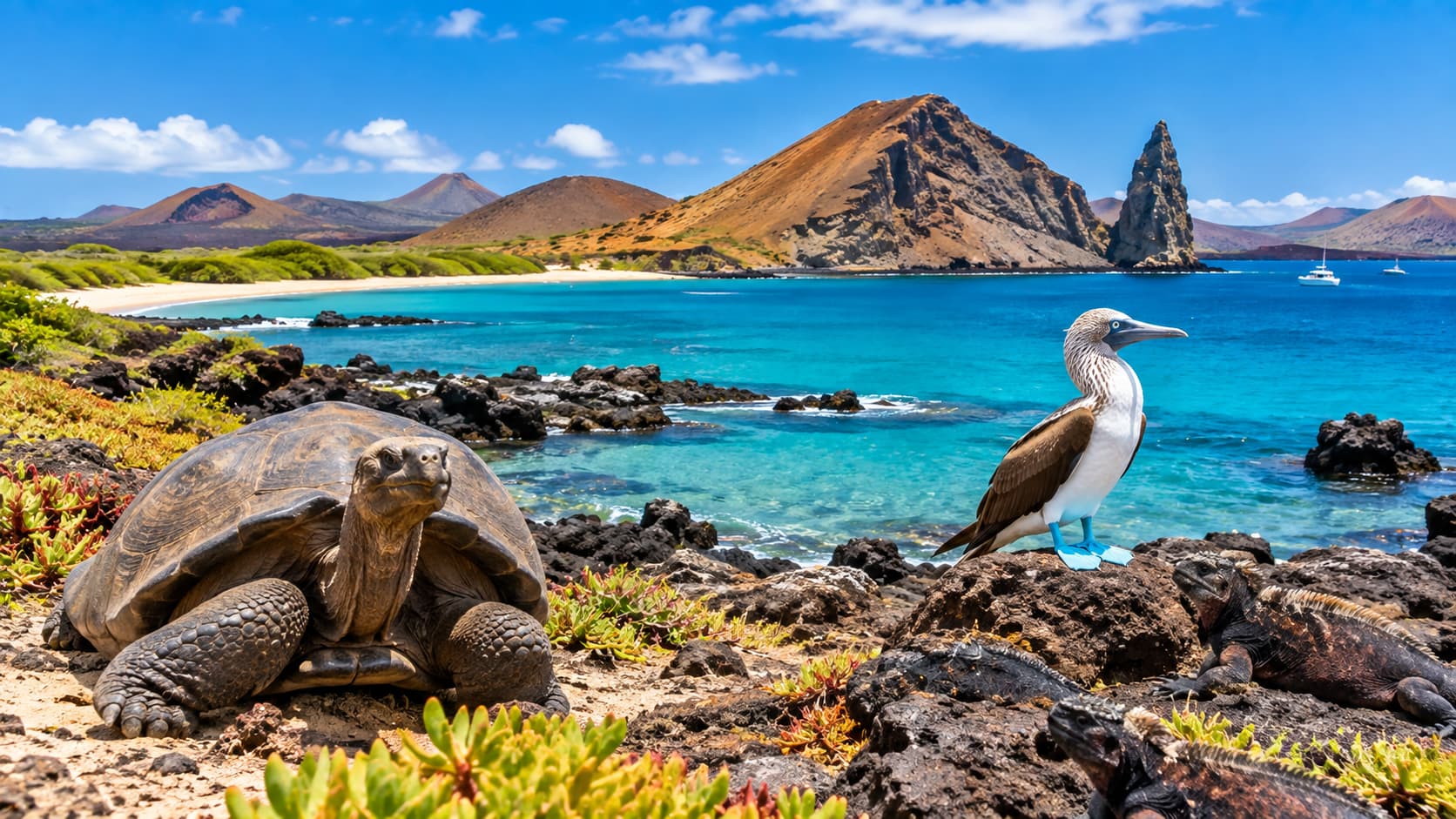
The islands became internationally famous through their association with Charles Darwin and his observations related to evolution.
What makes the Galápagos particularly remarkable is its wildlife.
Visitors may encounter giant tortoises, marine iguanas, blue-footed boobies, penguins, and numerous other species that have adapted to the islands’ unique environment.
For nature and wildlife enthusiasts, few destinations offer an experience quite like the Galápagos.
8. Bali, Indonesia
Temples, volcanic mountains, rice terraces, tropical beaches, distinctive traditions, and welcoming communities have helped make Bali one of Southeast Asia’s most popular destinations.
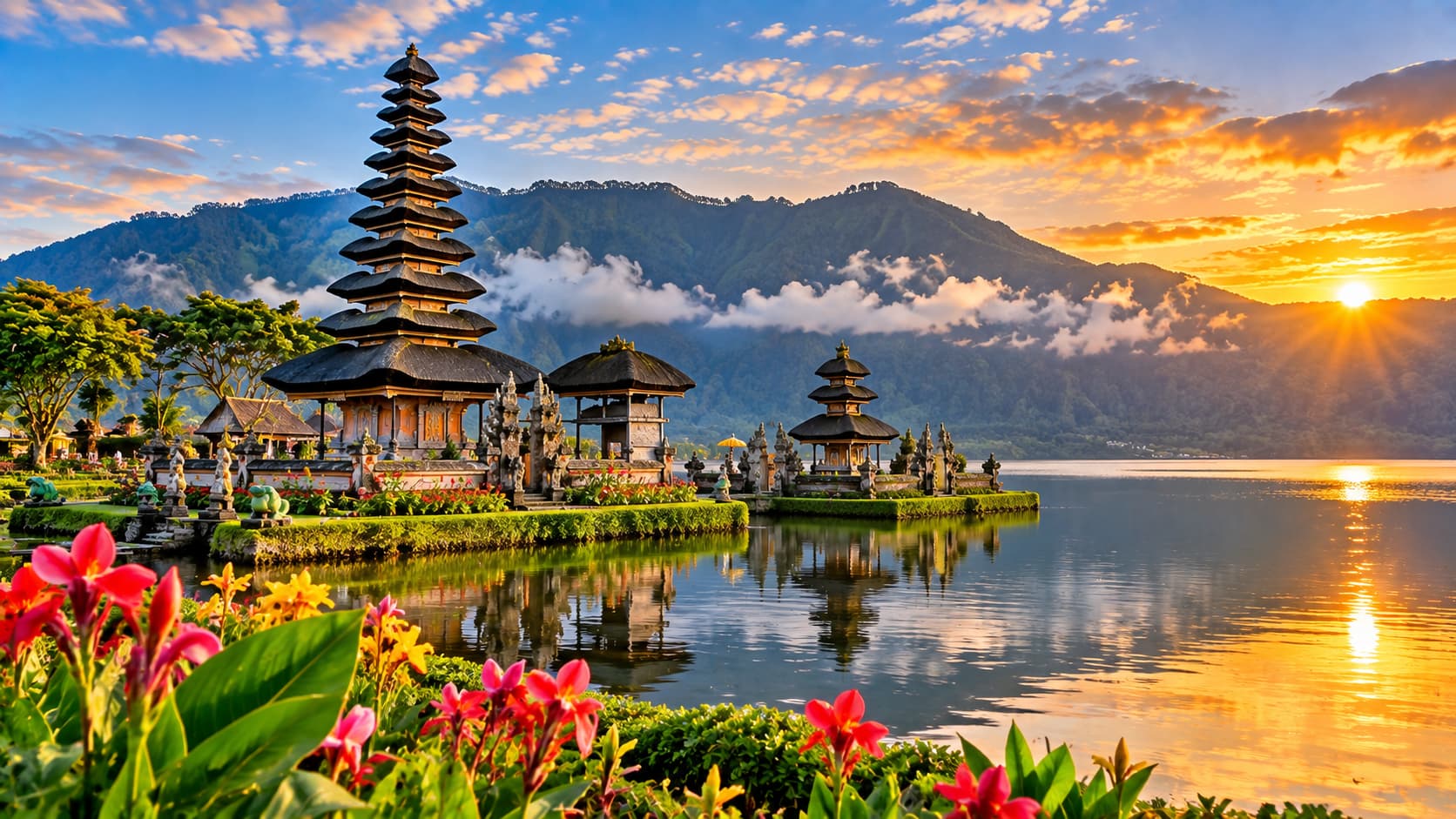
Mount Agung provides a dramatic volcanic backdrop, while Bali’s famous rice terraces showcase another side of the island’s landscape.
Popular areas include Kuta, Legian, Seminyak, and Uluwatu, each offering a different atmosphere.
Travelers generally arrive through the airport near Denpasar before exploring the island.
Food is another important part of the experience. Seafood and Indonesian favorites such as mie goreng and nasi goreng are widely available throughout Bali.
9. Cinque Terre, Italy
Italy’s Cinque Terre consists of five famous coastal villages surrounded by steep hillsides and the Mediterranean Sea.

The five villages are Vernazza, Corniglia, Manarola, Riomaggiore, and Monterosso al Mare.
Colorful houses cling to the hillsides while vineyards stretch across the surrounding slopes. Walking between viewpoints reveals spectacular perspectives over the villages and coastline.
Travelers can hike, swim, explore the narrow streets, and enjoy regional specialties such as seafood, pesto, and local wine.
10. Maldives
With more than 1,000 coral islands spread across 26 atolls, the Maldives represents the tropical island experience many travelers dream about.
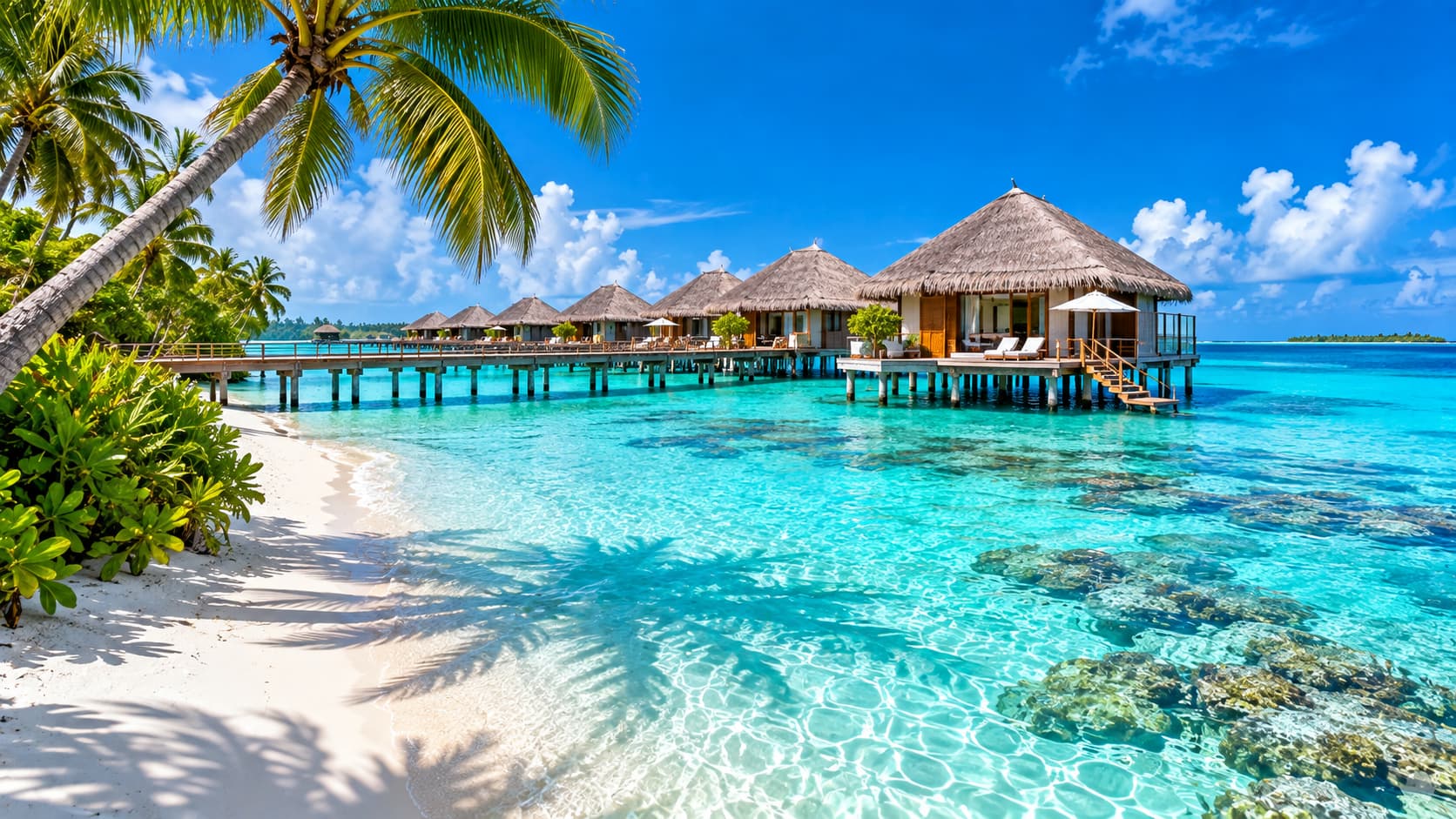
The country is famous for white-sand beaches, crystal-clear water, coral reefs, marine life, and luxurious overwater accommodations.
Its capital, Malé, provides a striking contrast to the peaceful resort islands scattered across the Indian Ocean.
For travelers looking for favorable dry-season weather, December through March is highlighted as an excellent period to visit.
11. Tahiti and Bora Bora, French Polynesia
French Polynesia offers some of the most beautiful tropical scenery in the Pacific.
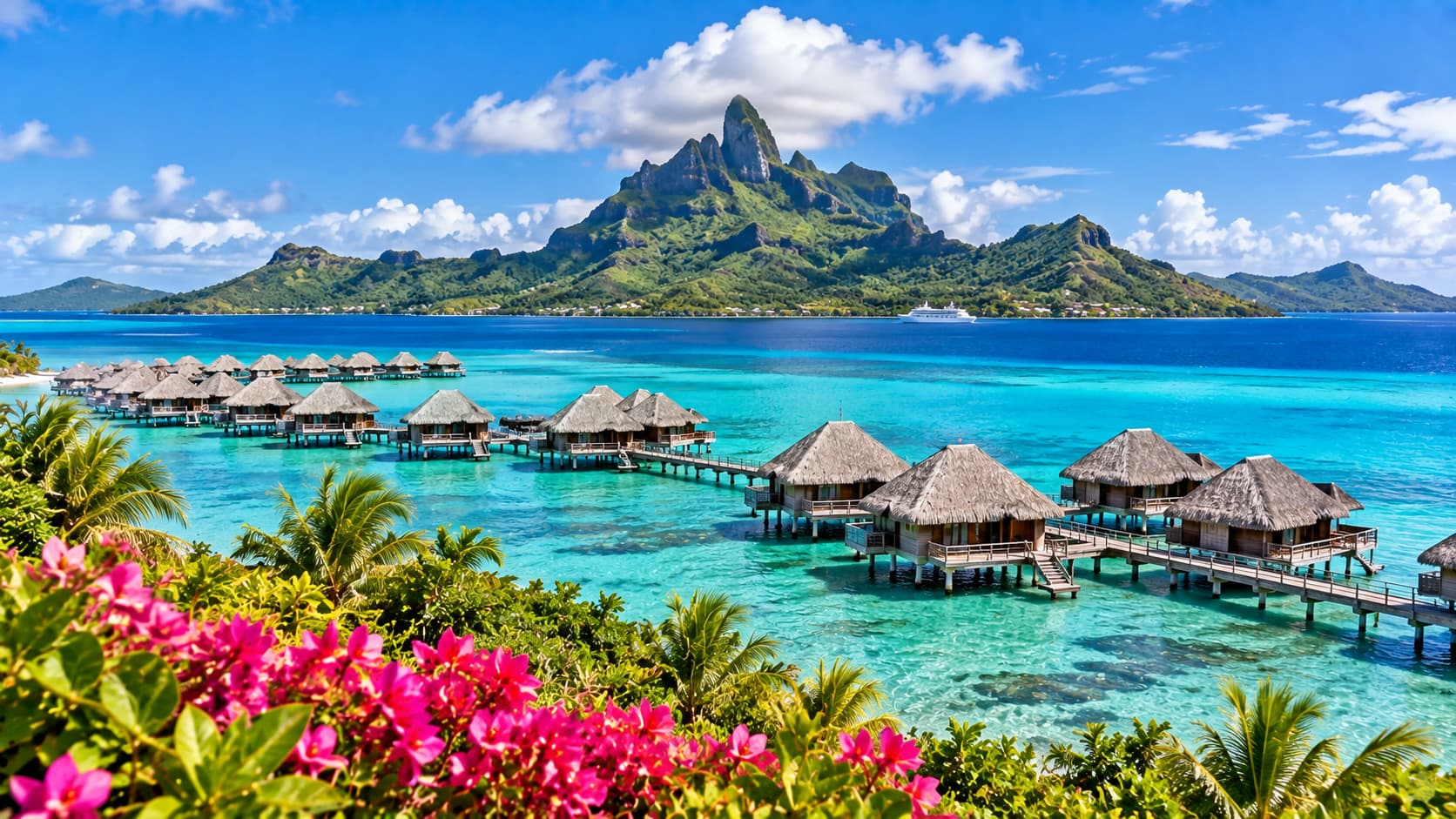
Among its most famous destinations is Bora Bora, a volcanic island surrounded by brilliant turquoise water and a coral reef.
Overwater bungalows have become an iconic part of the region’s tourism experience, offering direct access to spectacular lagoons.
Tahiti itself is divided into Tahiti Nui and Tahiti Iti, with international visitors generally arriving near Papeete through Faa’a International Airport.
For honeymooners and tropical-island enthusiasts, French Polynesia remains a classic bucket-list destination.
12. Peru
Peru packs an extraordinary range of landscapes, cultures, and historic attractions into one South American country.
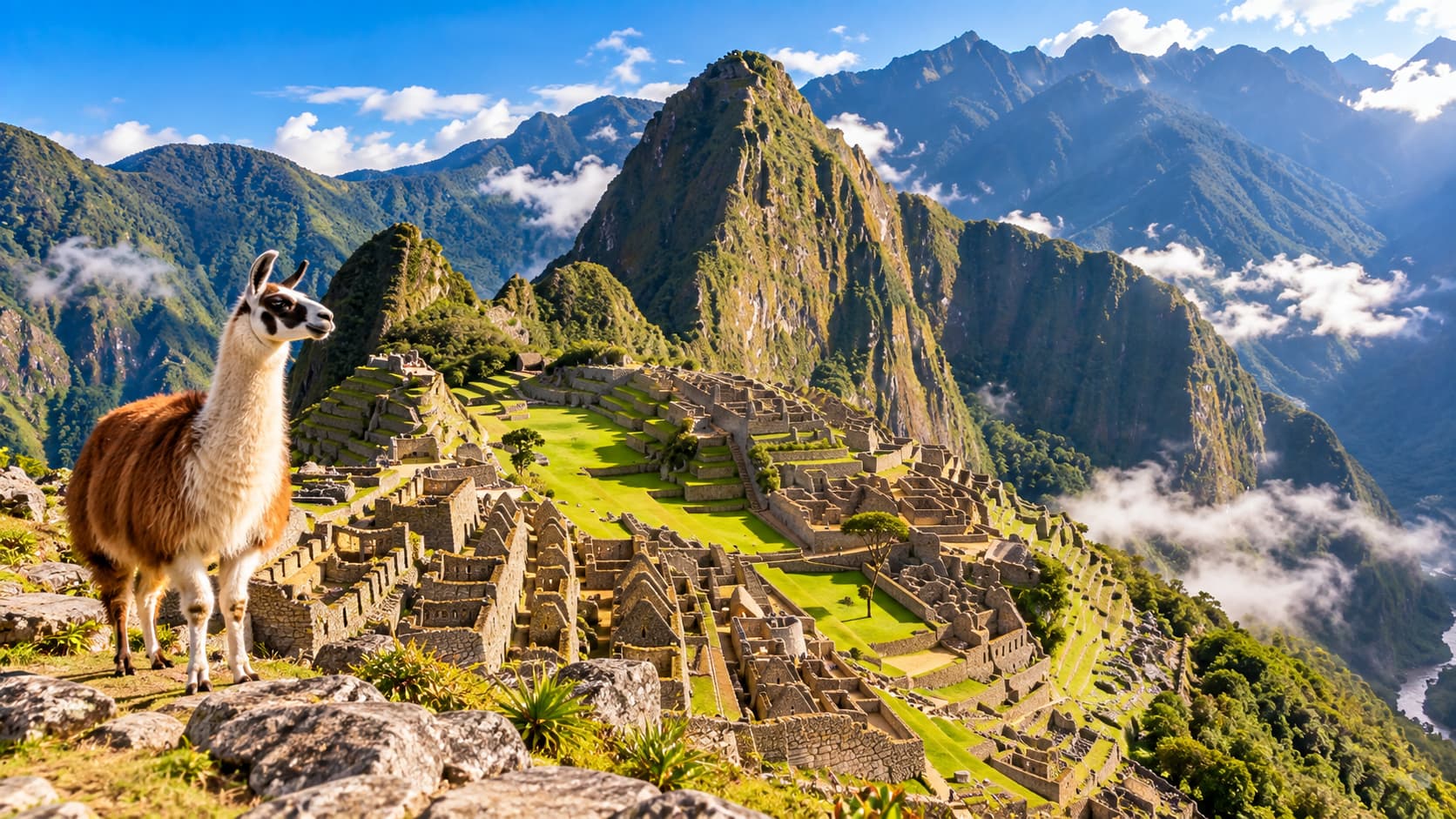
The Andes Mountains dominate much of the landscape, while the Amazon, Lake Titicaca, Lima, Cusco, and Machu Picchu provide travelers with dramatically different experiences.
Cusco is particularly important for travelers heading toward Machu Picchu and also deserves time to explore in its own right.
Peru is an ideal destination for travelers interested in archaeology, mountains, culture, cuisine, and outdoor adventure.
13. Philippines
With more than 7,000 islands, the Philippines offers an almost endless collection of tropical landscapes.
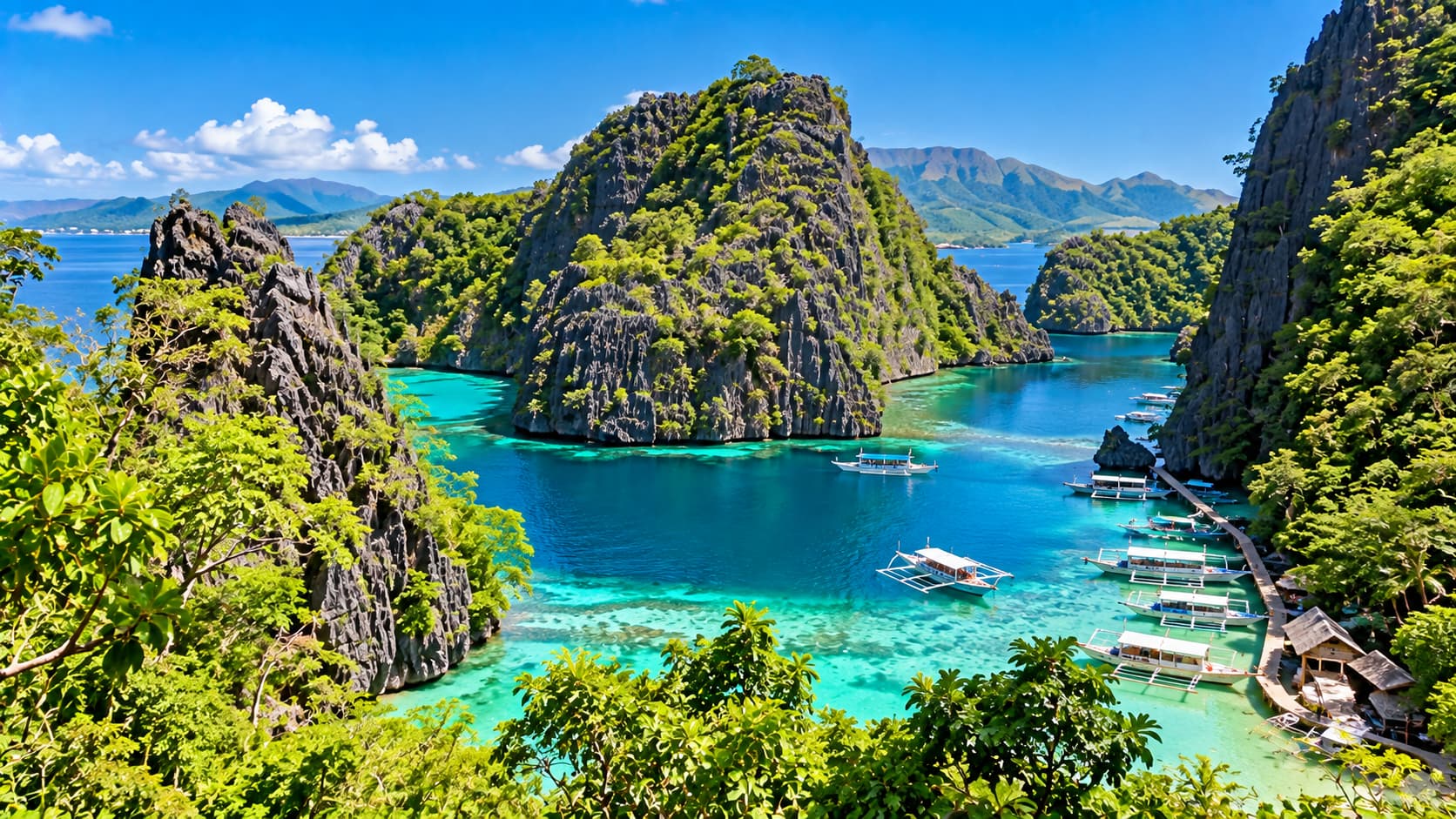
Many journeys begin in Manila before continuing toward the country’s spectacular islands.
Popular destinations include Palawan, El Nido, Boracay, Bohol, and Surigao del Sur.
Turquoise lagoons, limestone cliffs, white beaches, tropical forests, and marine environments make the Philippines especially appealing to beach lovers and island adventurers.
14. Taj Mahal, India
Located in Agra, the Taj Mahal is one of the most recognizable monuments in the world.

The white-marble mausoleum was commissioned by Mughal Emperor Shah Jahan in memory of his wife Mumtaz Mahal. Construction began in 1632 and was completed during the 17th century.
Its enormous dome, intricate architecture, symmetrical gardens, and famous reflection pool combine to create an unforgettable sight.
The white marble changes appearance as the light shifts throughout the day, making the Taj Mahal particularly captivating around sunrise and sunset.
15. Mount Everest and the Himalayas
Rising above the Himalayas on the border between Nepal and Tibet, Mount Everest is the highest mountain on Earth.

The mountain rises to roughly 29,000 feet and has long represented one of the ultimate challenges in mountaineering.
Its first confirmed summit was completed in 1953 by Sir Edmund Hillary of New Zealand and Tenzing Norgay, a Sherpa from Nepal.
Even for travelers who have no intention of attempting the summit, the Himalayan region offers extraordinary mountain scenery and trekking experiences.
16. Rio de Janeiro, Brazil
Few cities combine beaches, mountains, culture, and iconic landmarks as dramatically as Rio de Janeiro.

Located in southeastern Brazil, Rio is famous for Carnival and legendary beaches such as Copacabana, Ipanema, and Leblon.
Above the city stands the famous Christ the Redeemer, while Corcovado Mountain and Sugarloaf Mountain offer some of Rio’s most impressive panoramic views.
For a first visit, spending around three to five days provides enough time to experience many of the city’s major attractions.
17. Venice, Italy
Built across a collection of small islands connected by bridges and separated by canals, Venice is unlike almost any other city.

Its history as a major center of commerce during the Middle Ages and Renaissance can still be seen throughout its extraordinary architecture.
Highlights include Piazza San Marco, St. Mark’s Basilica, and the Grand Canal.
Gondola rides remain one of Venice’s most famous experiences, although simply wandering through its narrow streets, bridges, and quieter canals can be equally memorable.
18. Banff, Canada
Located in the Canadian Rockies, Banff is surrounded by mountains, glaciers, forests, and spectacular lakes.

Outdoor activities vary with the seasons and include skiing, snowboarding, hiking, and mountain biking.
The region is also known for Banff Hot Springs and beautiful lakes such as Lake Louise and Peyto Lake.
For travelers who love mountain scenery and outdoor adventures, Banff is one of Canada’s essential destinations.
19. Niagara Falls, Canada and the United States
Located along the Niagara River on the border between Canada and the United States, Niagara Falls consists of three waterfalls: Horseshoe Falls, American Falls, and Bridal Veil Falls.

Visitors can admire the waterfalls from observation areas, take boat tours into the mist, or experience aerial views.
The Canadian side provides some of the most famous panoramic perspectives of the falls.
20. Road to Hana, Maui
The Road to Hana is one of Hawaii’s classic scenic drives.

Stretching for roughly 52 miles through Maui’s lush tropical landscape, the winding road passes waterfalls, rainforest, coastal viewpoints, and small communities.
Travelers pass places such as Paia and Haiku before reaching Hana.
The surrounding region also offers colorful beaches, waterfalls, and natural pools, making the journey as important as the destination itself.
21. Patagonia, Argentina and Chile
Stretching across southern Argentina and Chile, Patagonia is one of the world’s great wilderness regions.

Its landscape includes towering mountains, enormous glaciers, lakes, marble caves, and remote stretches of untouched nature.
Wildlife can include pumas, flamingos, and camelids, while destinations such as Tierra del Fuego add another dimension to the experience.
For hiking, kayaking, photography, and dramatic scenery, Patagonia is an extraordinary destination.
22. Uluru, Australia
Rising dramatically from Australia’s remote interior, Uluru is one of the country’s most distinctive natural landmarks.

Formerly widely known as Ayers Rock, this enormous formation dominates the surrounding desert landscape.
Its isolation is part of what makes visiting Uluru so memorable, with vast stretches of the Australian Outback extending in almost every direction.
23. Swiss Alps, Switzerland
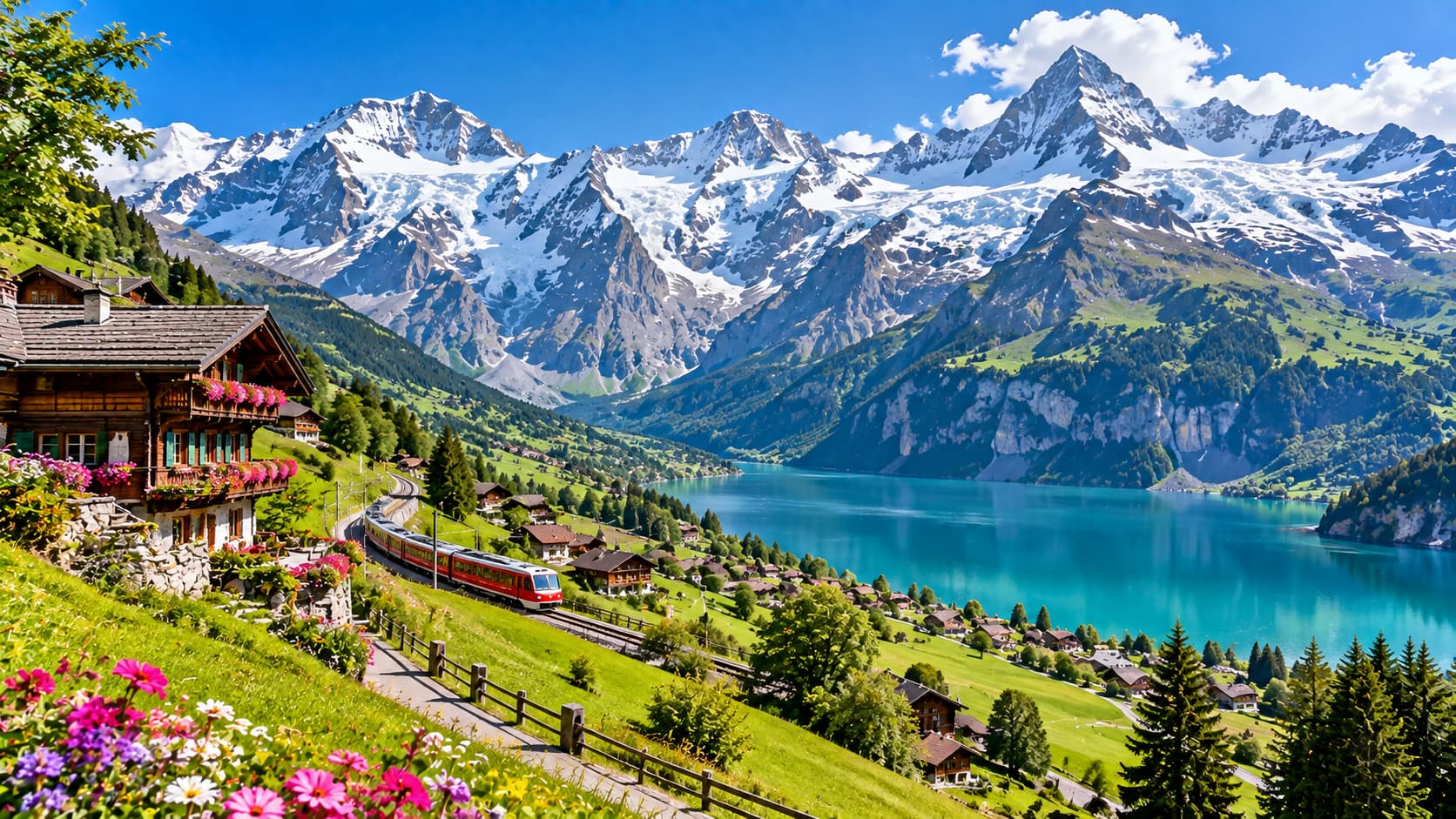
Snow-covered peaks, Alpine villages, spectacular rail journeys, and world-class ski resorts make the Swiss Alps one of Europe’s greatest mountain destinations.
Zermatt is particularly famous for its position beneath the Matterhorn.
Other beautiful destinations include Interlaken, Lauterbrunnen, and Grindelwald.
Scenic trains provide an excellent way to experience the mountains and villages, while skiing remains one of the region’s most popular winter activities.
The Swiss Alps are not limited to winter, however. Hiking and sightseeing make the region equally attractive during spring, summer, and autumn.
24. Ancient Egypt
Few destinations contain as much ancient history as Egypt.

Near Cairo, visitors can experience the Pyramids of Giza and the Great Sphinx, among the most famous archaeological monuments on Earth.
Traveling south along the Nile opens the door to destinations such as Luxor, Aswan, Abu Simbel, and the Valley of the Kings.
A Nile River cruise provides another memorable way to connect several historic destinations.
Allowing at least a week gives travelers more time to appreciate Egypt’s extraordinary ancient heritage.
25. Iceland
Known as the Land of Fire and Ice, Iceland is defined by volcanic landscapes, waterfalls, rivers, geothermal activity, and dramatic natural scenery.

Visitors can relax in geothermal pools such as the Blue Lagoon, explore waterfalls and geysers, and encounter Icelandic horses and other wildlife.
Depending on the season, travelers may also experience the Midnight Sun or search for the Northern Lights.
The Aurora Borealis is never guaranteed, which makes seeing it in person even more memorable.
26. Great Barrier Reef, Australia
Stretching along the coast of Queensland, the Great Barrier Reef is the largest coral reef system in the world.

It extends for more than a thousand miles and contains hundreds of islands, numerous coral species, and an extraordinary variety of marine life.
Snorkeling and diving provide opportunities to experience this underwater biodiversity directly.
Visitors should explore responsibly and help protect the fragile marine ecosystem.
27. Great Wall of China
Built and expanded across different periods of Chinese history, the Great Wall of China stretches for thousands of miles.

Construction began more than 2,000 years ago, with various sections built to defend territories against invasions from the north.
For many international travelers, Beijing provides the most convenient gateway.
Badaling is among the most accessible sections, although numerous other parts of the wall can also be explored.
28. Antarctica
Remote, frozen, and extraordinarily wild, Antarctica is one of the most difficult destinations on this list to reach—and one of the most unforgettable.

The southernmost continent contains an enormous percentage of the world’s ice and freshwater.
Its wildlife includes penguins and several species of whales.
Many tourist expeditions reach Antarctica by ship from southern Argentina, making the voyage itself part of the adventure.
29. New Zealand
New Zealand combines beaches, mountains, fjords, geothermal areas, forests, and waterfalls within a relatively compact island nation.

The North Island and South Island offer distinctly different landscapes.
The South Island is particularly famous for spectacular scenery around Queenstown, Mount Cook, Abel Tasman National Park, and the fjord regions.
Hiking, skiing, surfing, and other outdoor activities make New Zealand one of the world’s premier adventure destinations.
30. Rome, Italy
Thousands of years of history are visible throughout Rome.

Ancient landmarks include the Colosseum, Roman Forum, and Circus Maximus, while visitors can also experience the Pantheon, Trevi Fountain, and Vatican City.
Few cities allow travelers to encounter so many different layers of history within a single destination.
For a first visit, spending at least three days provides enough time to begin exploring Rome’s major attractions.
31. Dalmatian Coast, Croatia
Stretching along Croatia’s Adriatic coastline, the Dalmatian Coast combines historic towns, islands, bays, and beautiful blue water.
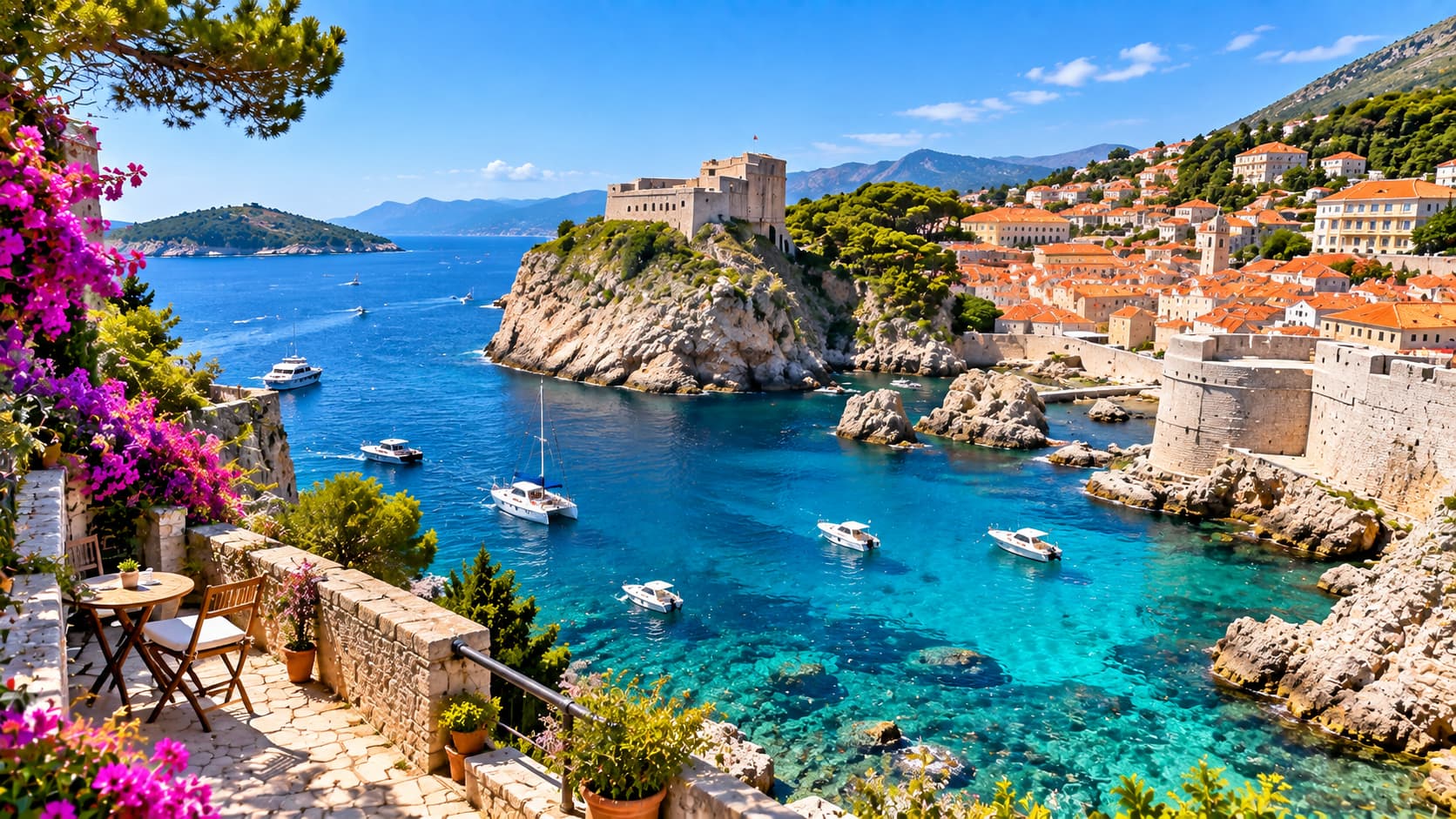
Places such as Dubrovnik and Hvar are among its best-known destinations.
Dubrovnik’s medieval architecture has also attracted fans of Game of Thrones, while the islands and coastal waters offer countless opportunities for exploration.
The combination of history and Mediterranean scenery makes this one of Europe’s most rewarding coastal regions.
32. Guatapé and El Peñol, Colombia
Located within reach of Medellín, Guatapé is surrounded by an extraordinary landscape of lakes, green hills, and waterways.
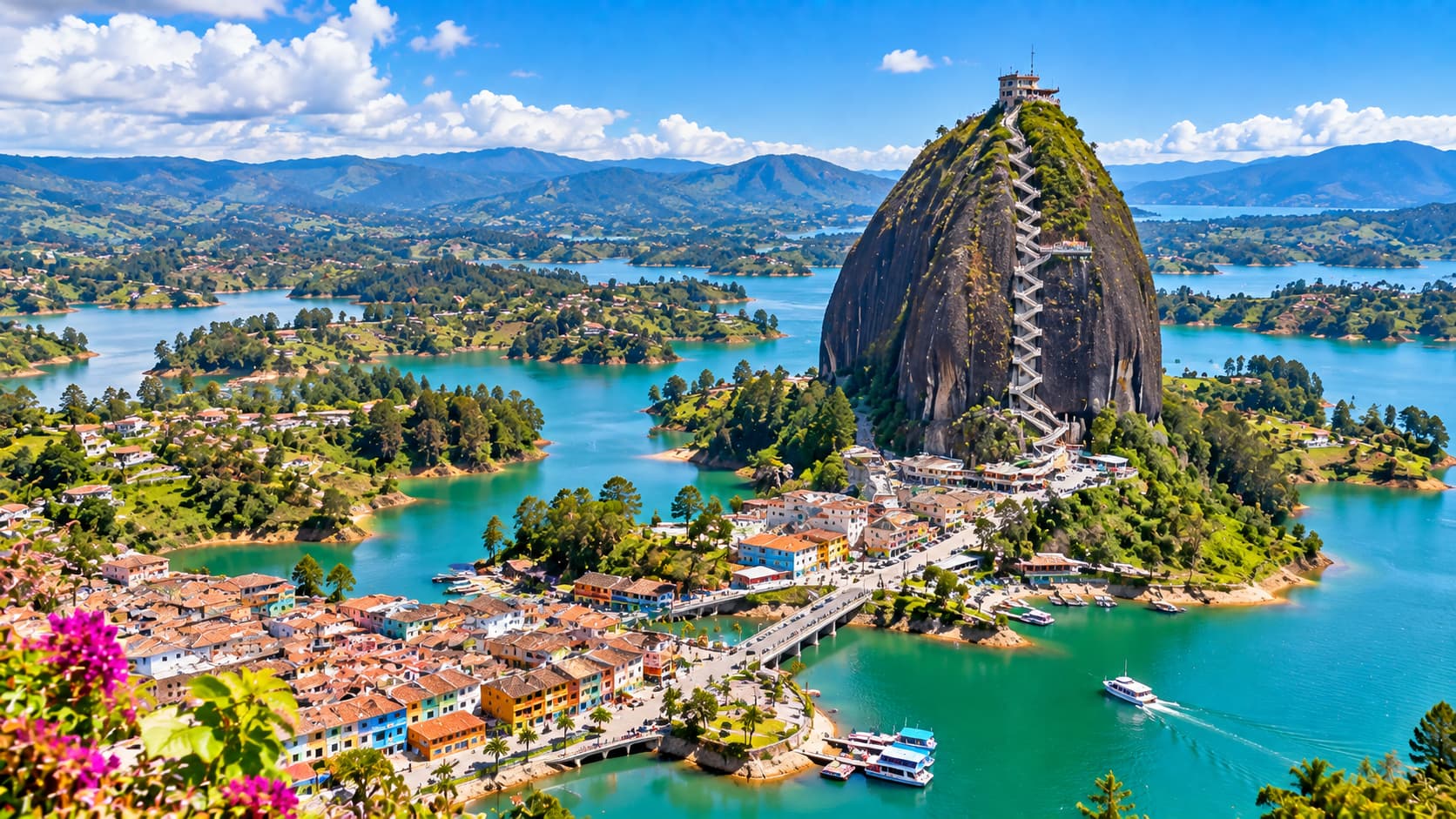
One of the area’s most famous landmarks is El Peñol, an enormous rock formation that visitors can climb using a staircase built along its side.
The reward is a spectacular panoramic view across the surrounding landscape.
Travelers can reach the area from Medellín, making Guatapé a popular excursion from the city.
33. White Sands, New Mexico
White Sands offers one of the most unusual desert landscapes in the United States.

Brilliant white dunes stretch across the landscape, creating scenery that can appear almost snow-covered from a distance.
Visitors can walk across the soft dunes and even try sandboarding.
The contrast between the white sand and surrounding desert makes this a particularly memorable photography destination.
34. Hawaiʻi Volcanoes National Park
Located on Hawaii’s Big Island, Hawaiʻi Volcanoes National Park showcases the powerful geological forces that created the Hawaiian Islands.
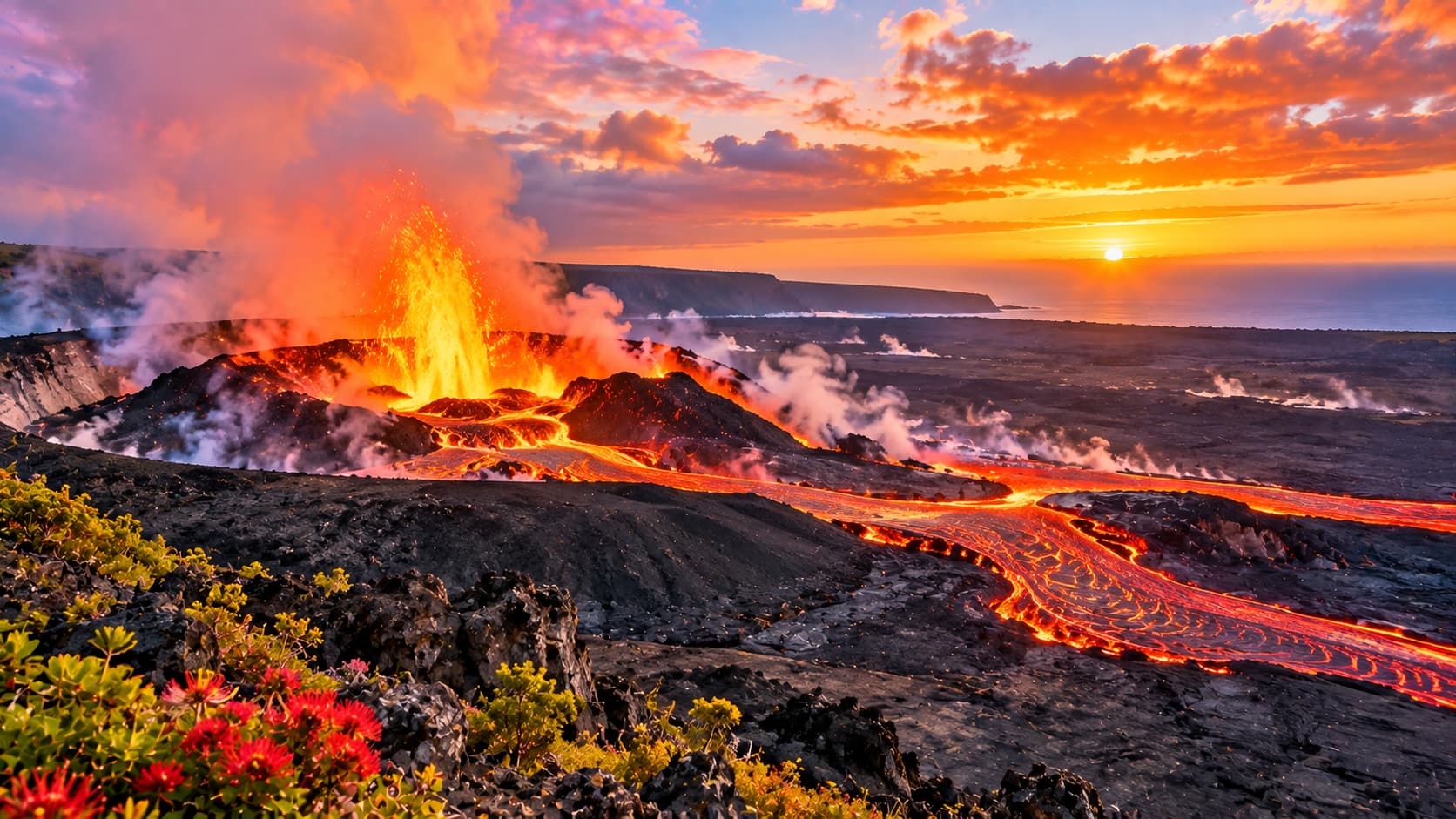
The area is associated with two famous volcanoes: Mauna Loa and Kīlauea.
Volcanic activity varies, so visible lava is never guaranteed, but the park offers numerous hiking opportunities and fascinating volcanic landscapes.
Visitors should research current conditions before exploring.
35. Santorini, Greece
Whitewashed villages, volcanic cliffs, blue water, and spectacular sunsets have made Santorini one of Greece’s most famous islands.

Located in the Cyclades, the island was shaped by volcanic activity and surrounds a dramatic caldera.
Popular areas include Oia, Fira, and Akrotiri.
Santorini is particularly popular with couples and honeymooners, and spending around four days provides time to explore several parts of the island.
36. Paris, France
Known around the world for art, architecture, fashion, cuisine, and romance, Paris belongs on almost every classic travel bucket list.

The Eiffel Tower remains its most recognizable landmark, and visitors can travel to its upper levels for panoramic city views.
Other highlights include Notre-Dame, Sacré-Cœur, the Palace of Versailles, the Moulin Rouge, and the famous shopping districts of the French capital.
With so much to see, spending at least four days in Paris is a good starting point for first-time visitors.
37. Dead Sea
Located between Jordan and Israel, the Dead Sea is famous for its extraordinarily salty water.

The high salt concentration creates enough buoyancy that visitors can easily float on the surface.
Mud treatments and saltwater bathing have also become popular experiences around the area.
The Dead Sea region is notable for being the lowest exposed land area on Earth, adding another reason to include it on a travel bucket list.
38. Nā Pali Coast, Kauai
The Nā Pali Coast on the Hawaiian island of Kauai contains some of the most dramatic coastal scenery in the Pacific.
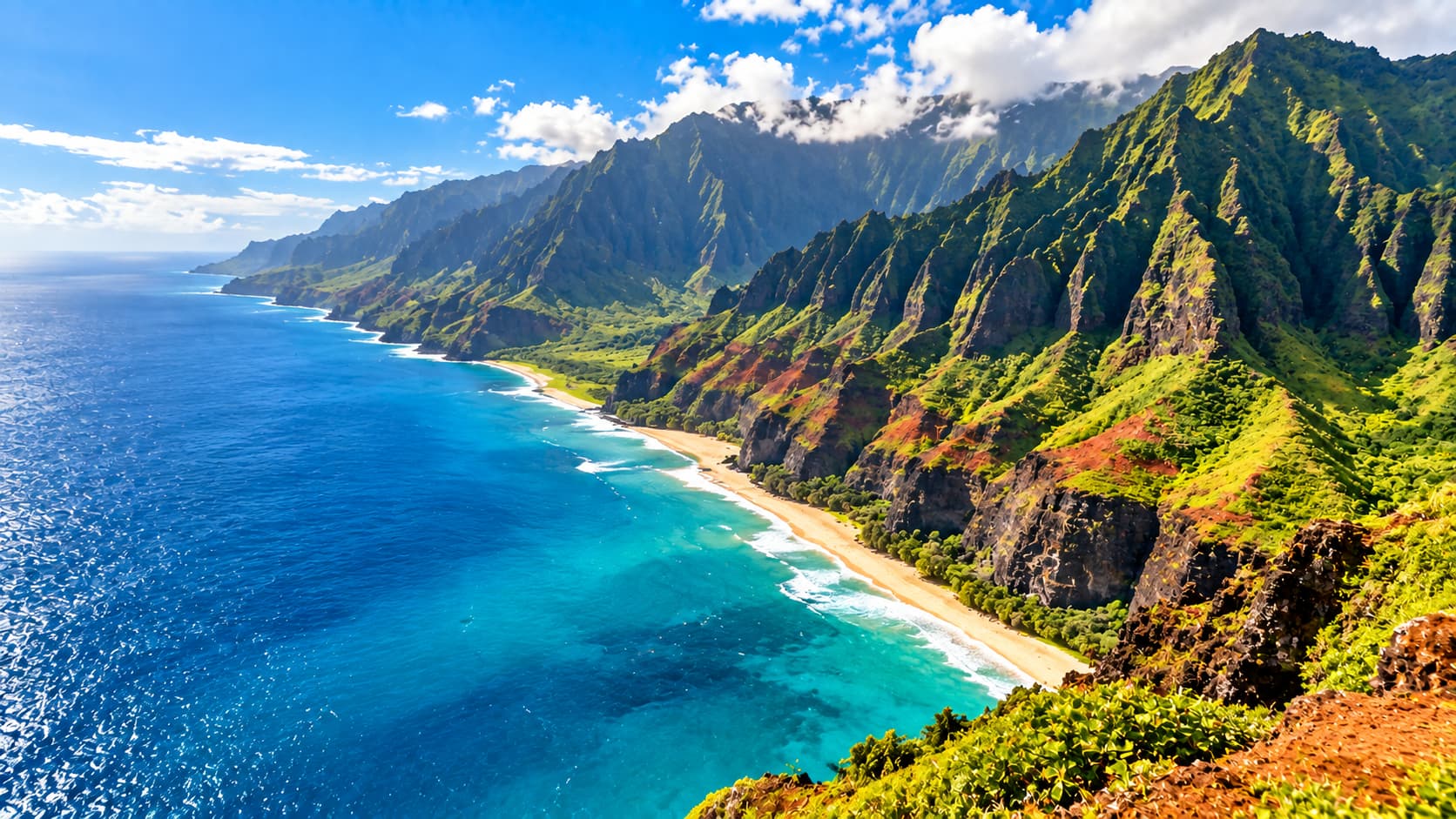
Towering sea cliffs rise above brilliant water and lush tropical vegetation.
The surrounding island also offers attractions such as Waimea Canyon and Hanalei Bay.
Boat tours provide views from the water, while helicopter flights reveal the extraordinary scale of the cliffs and valleys from above.
39. Yellowstone National Park, USA
Yellowstone National Park combines geothermal wonders, waterfalls, wildlife, forests, and enormous open landscapes.

Wildlife sightings may include bison, grizzly bears, wolves, and moose.
The park is equally famous for geothermal attractions such as Old Faithful and the brilliantly colored Grand Prismatic Spring.
For nature lovers, Yellowstone remains one of the most remarkable national parks in the United States.
40. Amazon Rainforest
The Amazon is one of the greatest natural regions on Earth.
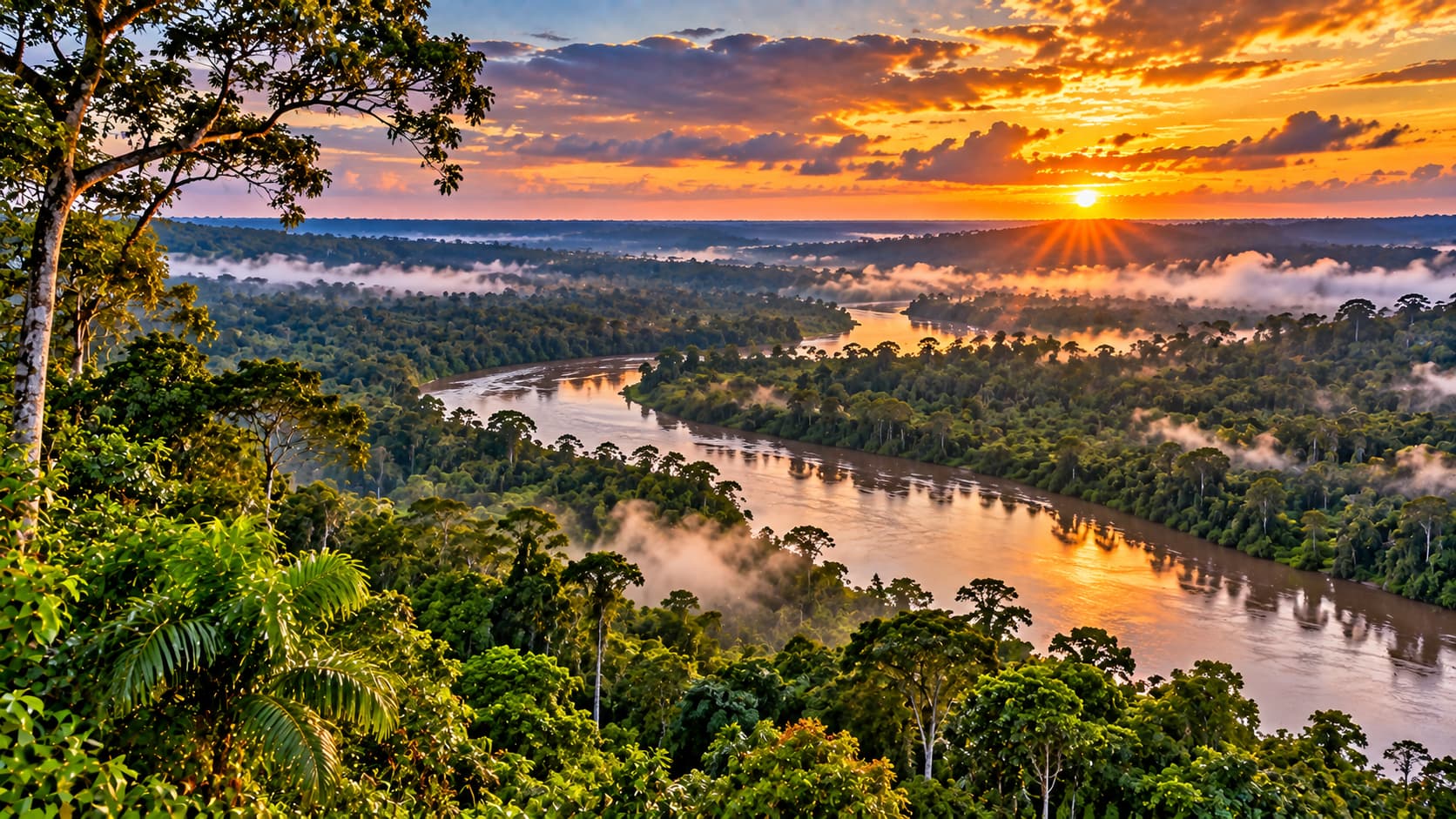
Covering millions of square miles, the Amazon Rainforest is the world’s largest tropical rainforest and is famous for its extraordinary biodiversity.
The Amazon River adds another dimension to the experience, flowing across the continent and supporting countless ecosystems and communities.
Exploring the Amazon offers travelers an opportunity to experience wildlife, rivers, rainforest, and one of the planet’s most important natural environments.
41. Amalfi Coast, Italy
Dramatic cliffs, colorful towns, Mediterranean water, and historic architecture make the Amalfi Coast one of Italy’s most celebrated coastal destinations.

Positano is among its most recognizable towns, while nearby Capri adds another famous island destination.
Historic settlements cling to the steep coastline, creating spectacular views across the Mediterranean.
The coastal roads are famously narrow and winding, so travelers planning to drive should be prepared for challenging conditions.
42. Riviera Maya, Mexico
Located in Quintana Roo on Mexico’s Yucatán Peninsula, the Riviera Maya combines Caribbean beaches with extraordinary Maya archaeological sites.

Many visitors arrive through Cancún before exploring destinations such as Playa del Carmen and Tulum.
The region also provides access to famous Maya sites including Chichén Itzá, while Tulum’s archaeological ruins occupy a particularly dramatic location beside the sea.
Around seven days gives travelers time to combine beaches, culture, and archaeological exploration.
43. Grand Canyon, Arizona
Carved by the Colorado River over an immense period of geological history, the Grand Canyon is one of America’s greatest natural landmarks.

Its enormous scale is difficult to appreciate until standing directly on the rim.
Travelers can admire the canyon from numerous viewpoints or tackle more demanding hiking routes.
The wider region also includes the spectacular Havasu Creek and Havasupai Falls, famous for their vivid blue-green water.
More experienced hikers may also consider challenging routes connecting different parts of the canyon.
44. Maya Bay, Thailand
Located in Thailand’s Phi Phi Islands in the Andaman Sea, Maya Bay is famous for its dramatic limestone cliffs and brilliant tropical water.

The bay became internationally recognized as one of Thailand’s most beautiful coastal destinations.
Access and swimming rules have changed over time as authorities work to protect and restore the environment.
Travelers commonly reach the area on tours from Phuket or Krabi or by staying within the Phi Phi Islands.
45. Lake Atitlán, Guatemala
Surrounded by volcanic mountains and Maya communities, Lake Atitlán is one of Guatemala’s most scenic destinations.

The freshwater lake sits beneath three volcanoes and is surrounded by lush green hillsides.
Visitors can explore Maya villages, experience local culture, hike, kayak, attend retreats, or simply relax beside the water.
The combination of volcanic scenery and indigenous culture gives Lake Atitlán a distinctive atmosphere.
46. Red Sea
For scuba diving and underwater exploration, the Red Sea is one of the world’s most exciting regions.

Its warm, clear water supports colorful coral reefs and diverse marine life.
Popular Egyptian destinations include Sharm El Sheikh and Hurghada, both offering access to numerous dive sites.
Travelers passionate about diving could easily spend one or two weeks exploring different parts of the Red Sea.
47. Thailand
Thailand deserves more than a single destination on a world travel bucket list because the country offers extraordinary variety.

In the north, Chiang Mai and Chiang Rai provide temples, culture, and access to the Golden Triangle region.
In central Thailand, Bangkok combines temples, markets, nightlife, food, and intense urban energy.
Travel south and the scenery changes again, with destinations such as Phuket, Krabi, and the Phi Phi Islands offering tropical beaches and spectacular limestone landscapes.
Floating markets, Buddhist temples, nightlife, local cuisine, and Thai culture make the country one of Southeast Asia’s most diverse travel destinations.
48. Dubai, United Arab Emirates
Futuristic architecture and ambitious engineering projects have transformed Dubai into one of the world’s most distinctive modern cities.
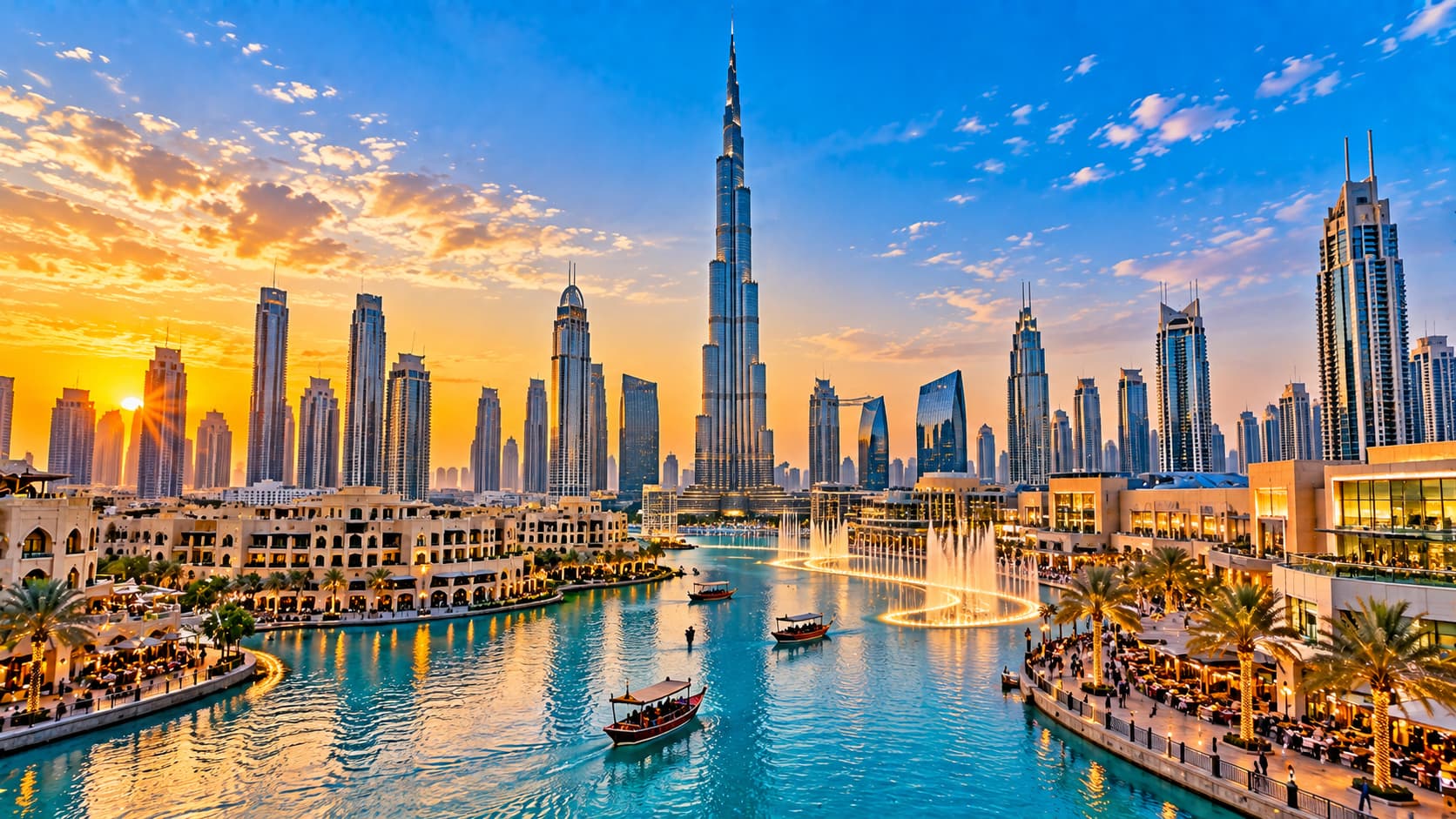
The skyline is dominated by the Burj Khalifa, the tallest building in the world, while attractions such as the Museum of the Future showcase Dubai’s focus on innovation.
Artificial islands, enormous entertainment projects, shopping centers, luxury hotels, and modern attractions continue to reshape the city.
For first-time visitors, around 72 to 96 hours can provide a good introduction.
The summer months of June, July, and August can be extremely hot, so travelers should take the climate into consideration when planning a trip.
49. New York City, USA
Few cities have influenced global culture as strongly as New York City.

For a first visit, Manhattan is the natural starting point.
Explore Times Square, walk through the city’s famous neighborhoods, admire its skyscrapers, experience its restaurants and entertainment, and discover landmarks recognized around the world.
New York rewards repeat visits, but around three to four days provides first-time travelers with an introduction to the energy of the Big Apple.
50. A World of Adventures Still Waiting
These 50 destinations represent only a small part of what our planet has to offer.
From the waterfalls of South America and the ancient monuments of Asia to the islands of the Pacific, the cities of Europe, the wilderness of Africa, and the national parks of North America, every region offers experiences worth traveling for.
And the bucket list does not end here.
Destinations such as Raja Ampat, Palau, Vietnam, and Cape Town could easily become part of another collection of incredible places to visit.
How to Choose the Best Travel Destination for You
With so many extraordinary places around the world, choosing where to travel next can be difficult.
The best approach is to think about the experience you want.
If you love tropical beaches, consider the Maldives, Bora Bora, Bali, the Philippines, Thailand, or Hawaii.
For mountains and outdoor adventures, Patagonia, the Swiss Alps, Banff, Mount Everest, New Zealand, and Tanzania offer dramatically different landscapes.
History enthusiasts may prefer Petra, Angkor Wat, Rome, Ancient Egypt, the Taj Mahal, or the Great Wall of China.
Wildlife lovers can look toward Tanzania, the Galápagos Islands, Costa Rica, Yellowstone, or the Amazon.
And if you prefer famous cities, Paris, Dubai, New York City, Rio de Janeiro, Rome, and Venice offer some of the world’s most recognizable urban experiences.
Best Bucket List Destinations by Travel Style
Best for Beaches and Tropical Islands
The Maldives, Bora Bora, Bali, the Philippines, Santorini, Thailand, Riviera Maya, and Hawaii are excellent choices for travelers searching for beautiful coastlines and tropical scenery.
Best for Nature and Adventure
Patagonia, Iceland, New Zealand, Banff, the Swiss Alps, Tanzania, Costa Rica, and the Grand Canyon stand out for outdoor experiences and spectacular landscapes.
Best for History and Culture
Petra, Angkor Wat, Ancient Egypt, Rome, the Taj Mahal, the Great Wall of China, and the Dalmatian Coast offer fascinating connections to ancient civilizations and historical cultures.
Best for Wildlife
The Galápagos Islands, Tanzania, Costa Rica, Yellowstone National Park, the Amazon, and Antarctica offer some of the most memorable wildlife experiences on the planet.
Best for First-Time International Travelers
Paris, Rome, Bali, Thailand, Dubai, New York City, and Costa Rica combine famous attractions with a wide range of experiences, making them appealing choices for travelers planning a major international trip.
Final Thoughts
Creating a list of the best travel destinations in the world is never easy because every traveler values something different.
Some people dream about white-sand beaches and turquoise lagoons. Others want to hike through mountains, explore ancient ruins, encounter wildlife, discover new cultures, or experience the energy of the world’s great cities.
That is exactly what makes travel so exciting.
From standing beside Iguazu Falls and exploring Petra to watching the sunset in Santorini, diving in the Red Sea, hiking through Patagonia, exploring the temples of Thailand, or seeing the New York skyline for the first time, the world offers an almost endless collection of unforgettable experiences.
The hardest part may simply be deciding which destination to visit first.
Frequently Asked Questions
What are the best travel destinations in the world?
Some of the world’s most memorable destinations include Iguazu Falls, Petra, Cappadocia, Bali, the Maldives, Patagonia, Iceland, the Swiss Alps, Rome, Paris, Thailand, New Zealand, the Galápagos Islands, Tanzania, and the Grand Canyon.
What are the best tropical destinations in the world?
The Maldives, Bora Bora, Bali, the Philippines, Thailand, Hawaii, and the Riviera Maya are among the most appealing destinations for travelers looking for beaches, warm weather, and tropical scenery.
What are the best destinations for nature lovers?
Patagonia, Iceland, Banff, Costa Rica, Tanzania, the Galápagos Islands, Yellowstone, New Zealand, the Amazon, and Antarctica offer exceptional natural landscapes and wildlife experiences.
What are the best historical destinations to visit?
Petra, Angkor Wat, Ancient Egypt, Rome, the Taj Mahal, and the Great Wall of China are excellent destinations for travelers interested in history, archaeology, and ancient civilizations.
Which destinations are best for adventure travel?
Mount Everest and the Himalayas, Patagonia, the Swiss Alps, New Zealand, Banff, Tanzania, Costa Rica, Iceland, and the Grand Canyon provide outstanding opportunities for hiking and outdoor adventure.
How do I choose where to travel next?
Start by deciding what kind of experience you want. Consider your budget, available travel time, preferred climate, interests, and the activities you want to experience. Then choose destinations that best match those priorities rather than simply selecting the most famous place.
How many destinations should be on a travel bucket list?
There is no ideal number. A bucket list should evolve as you discover new places. Start with the destinations that excite you most, prioritize the ones that are realistic for your budget and schedule, and continue adding new adventures over time.
Have any thoughts?
Share your reaction or leave a quick response — we’d love to hear what you think!
-
 0
0
-
 0
0
-
 0
0
-
 0
0
-
 0
0
-
 0
0