
Every year, the world changes—but some destinations continue to stand out and inspire travelers to pack their bags and explore.
In 2027, travel is about much more than simply choosing where to go. It is about discovering why a destination deserves a place on your travel bucket list.
Imagine walking through ancient streets filled with centuries of history, exploring remote landscapes that seem untouched by time, relaxing on spectacular coastlines beneath golden sunsets, or experiencing cultures that welcome visitors with extraordinary warmth.
From the romantic cities of France and dramatic deserts of Jordan to the tropical islands of Indonesia, ancient temples of Japan, spectacular fjords of Norway, and emerald landscapes of Vietnam, these destinations represent some of the most exciting travel experiences the world has to offer.
Whether you are looking for adventure, culture, history, food, beaches, wildlife, or breathtaking natural scenery, here are the 25 best countries to visit in 2027.
1. France
France remains one of the world’s most captivating travel destinations, offering far more than the iconic Eiffel Tower.
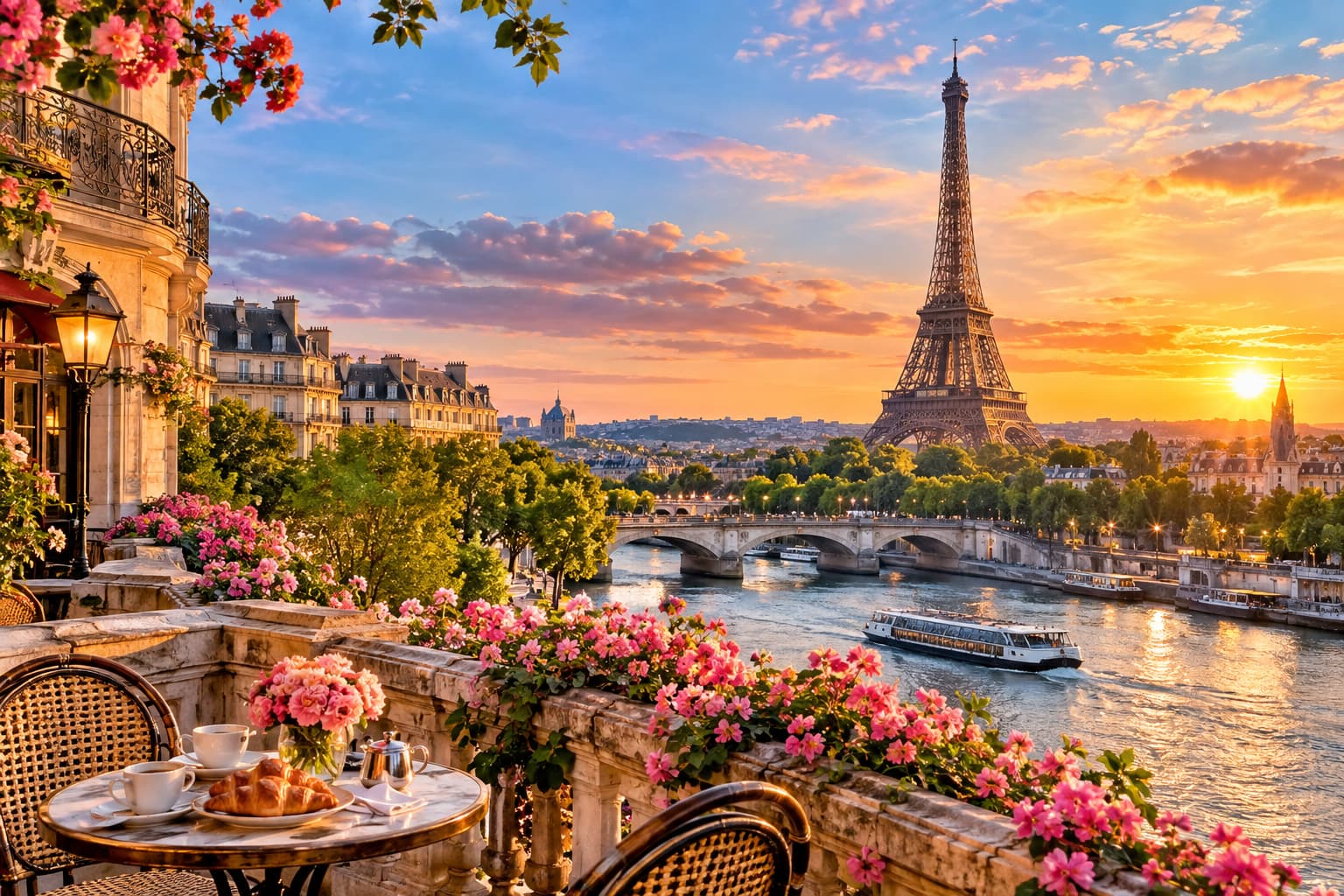
Every region tells a different story. In Provence, lavender fields transform the countryside into endless purple horizons during summer. Along the French Riviera, the Mediterranean coastline stretching through destinations such as Nice and Cannes represents European seaside elegance at its finest.
Wine lovers can explore Bordeaux’s vineyard-covered estates, where centuries-old châteaux continue to produce some of the world’s most celebrated wines.
The Loire Valley feels like a journey into a fairy tale, with magnificent Renaissance castles including Château de Chambord and Château de Chenonceau standing as monuments to France’s royal past.
Adventure travelers can head toward the French Alps and Chamonix, where Mont Blanc dominates one of Europe’s most dramatic mountain landscapes.
Paris remains France’s cultural heart. The Louvre, Montmartre, historic cafés, elegant boulevards, and legendary French cuisine make the capital a destination travelers can return to again and again.
Yet the true soul of France can also be discovered beyond Paris—in medieval Carcassonne, the picturesque canals of Annecy, Brittany’s rugged Celtic coastline, and Lyon’s celebrated culinary scene.
From Normandy’s historic D-Day beaches to Corsica’s wild landscapes, France combines history, cuisine, sophistication, nature, and the unmistakable French art of living.
2. Jordan
Jordan is one of the Middle East’s greatest destinations for history, archaeology, desert landscapes, and adventure.
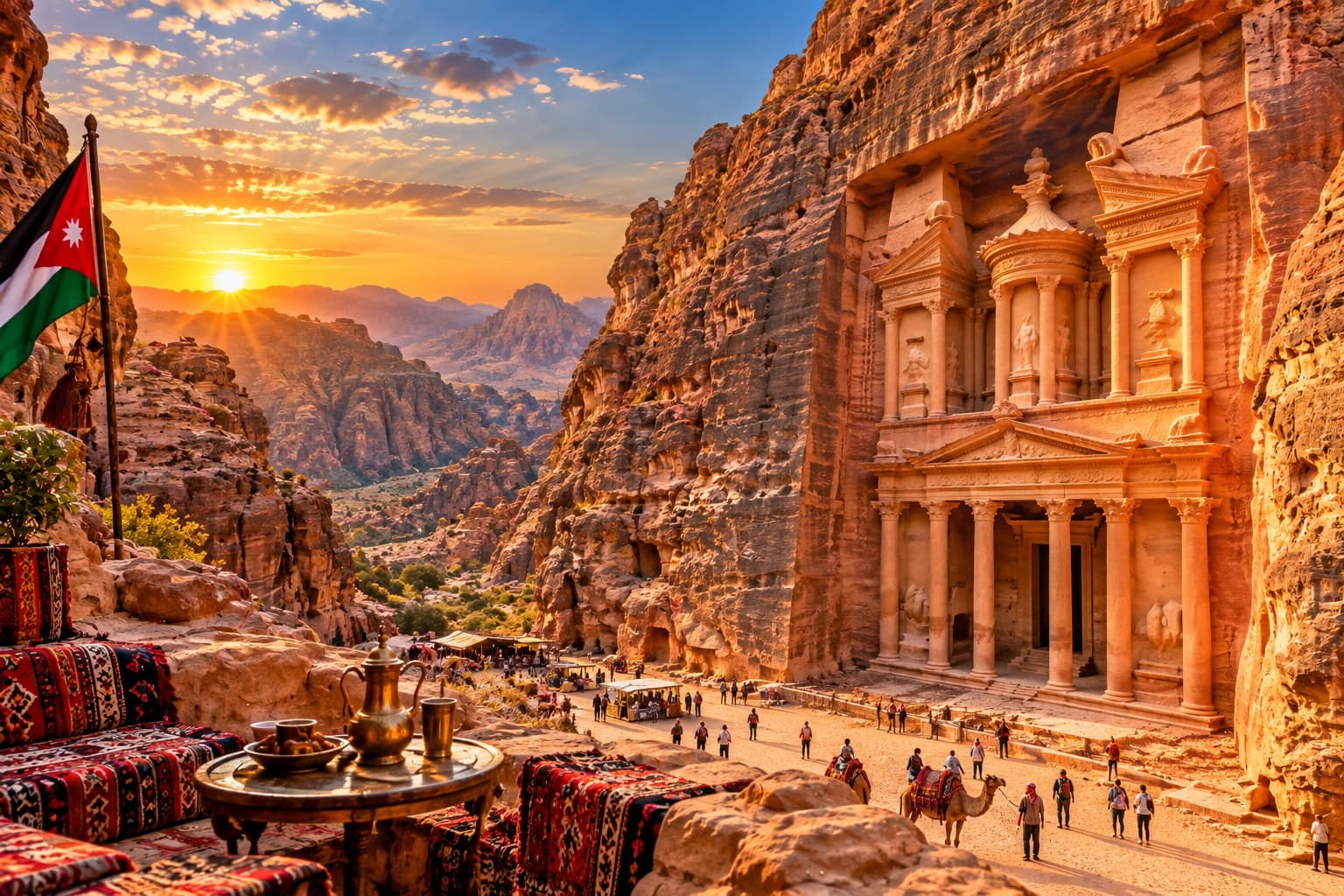
Its most famous attraction is undoubtedly Petra. Hidden behind the narrow Siq canyon, the rose-colored Treasury carved into sandstone by the Nabataeans approximately two thousand years ago creates one of travel’s most unforgettable first impressions.
Beyond Petra lies Wadi Rum, where enormous sandstone formations rise above rust-colored desert valleys. Travelers can explore this extraordinary landscape before spending the night in traditional Bedouin-style camps beneath star-filled skies.
The Dead Sea offers an entirely different experience. Its exceptionally salty water allows visitors to float effortlessly while surrounded by a stark desert landscape.
History continues in Jerash, where Roman streets, columns, plazas, and amphitheaters remain remarkably impressive.
Amman combines ancient heritage with contemporary Jordanian life, while Dana Biosphere Reserve provides opportunities for hiking through rugged valleys and diverse ecosystems.
On the Red Sea, Aqaba offers beaches, diving, and colorful coral reefs.
Jordan’s relatively compact geography makes it possible to experience deserts, archaeological wonders, mountains, cities, and the sea within a single journey.
3. Canada
Few destinations can match the enormous scale and natural diversity of Canada.
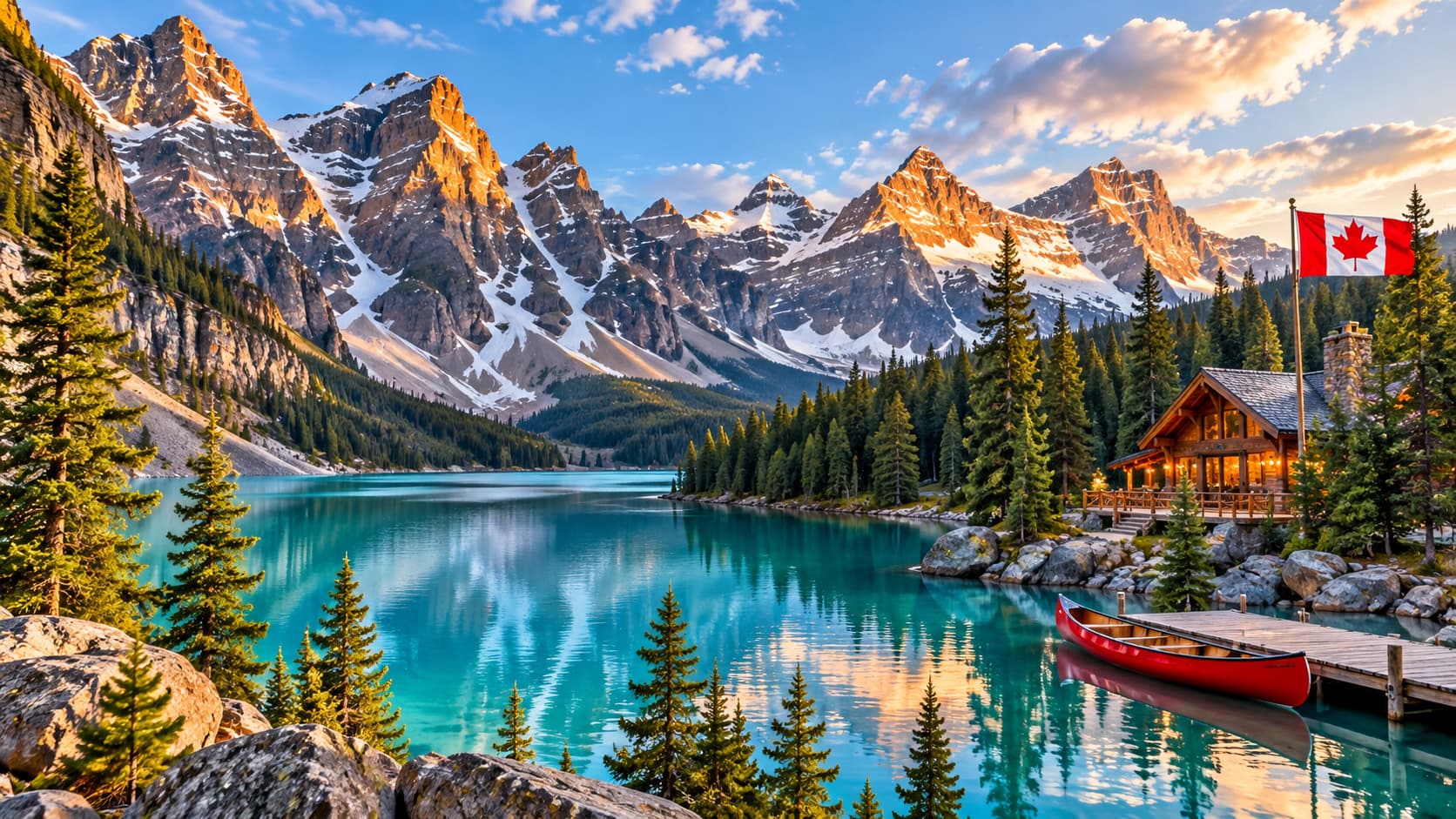
The Canadian Rockies deliver some of North America’s most spectacular mountain scenery. Around Banff, brilliant turquoise lakes reflect snow-covered peaks, while Jasper offers glaciers, forests, wildlife, and access to the Columbia Icefield.
On Vancouver Island, temperate rainforests filled with ancient trees meet remote Pacific beaches, creating an atmosphere completely different from the Rockies.
Farther north, Churchill, Manitoba, has become famous for opportunities to observe polar bears in their Arctic environment.
Canada’s cities are equally diverse.
Montreal blends European character with multicultural creativity, while Toronto’s neighborhoods showcase cuisines and communities from around the world. Quebec City’s fortified historic center can make visitors feel as though they have traveled back to old Europe.
On the Atlantic coast, Nova Scotia’s Cabot Trail combines dramatic coastal scenery with Celtic heritage, while Niagara Falls remains one of the country’s most powerful natural attractions.
Canada also offers travelers opportunities to learn more about Indigenous cultures, traditions, art, and connections to the land.
For travelers seeking wilderness on an enormous scale without sacrificing vibrant cities and cultural experiences, Canada remains one of the best countries to travel to in 2027.
4. Chile
Stretching for more than 4,000 kilometers along South America’s western edge, Chile contains an astonishing variety of landscapes.
In the north, the Atacama Desert offers salt flats, geysers, unusual rock formations, and some of the clearest night skies on Earth. The region’s dry climate and minimal light pollution have also made it one of the world’s leading locations for astronomical observation.
Santiago provides a modern urban base surrounded by mountains and famous wine regions such as the Maipo and Casablanca valleys.
Valparaíso delivers a completely different atmosphere. Its colorful hillside neighborhoods, historic funiculars, bohemian culture, and street art make it one of Chile’s most distinctive cities.
Thousands of kilometers offshore, Easter Island—or Rapa Nui—continues to fascinate travelers with its mysterious Moai statues.
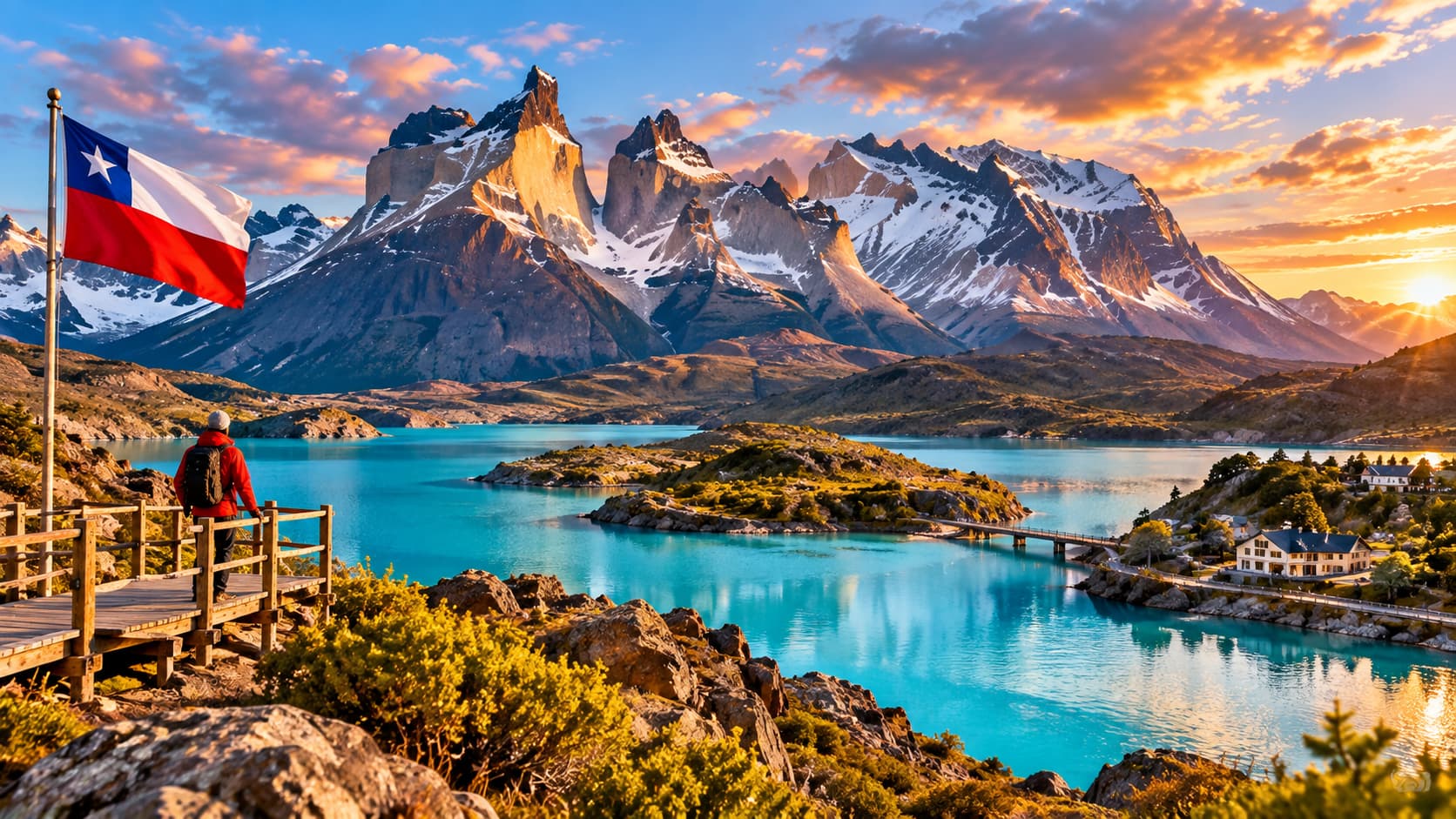
Southern Chile becomes increasingly wild as travelers enter Patagonia. Torres del Paine is famous for granite towers, turquoise lakes, glaciers, hiking trails, and opportunities to encounter wildlife.
From one of Earth’s driest deserts to glaciers near the southern edge of the continent, Chile compresses an extraordinary collection of ecosystems into one long, narrow country.
5. Indonesia
With more than 17,000 islands, Indonesia offers a level of cultural and natural diversity few countries can match.
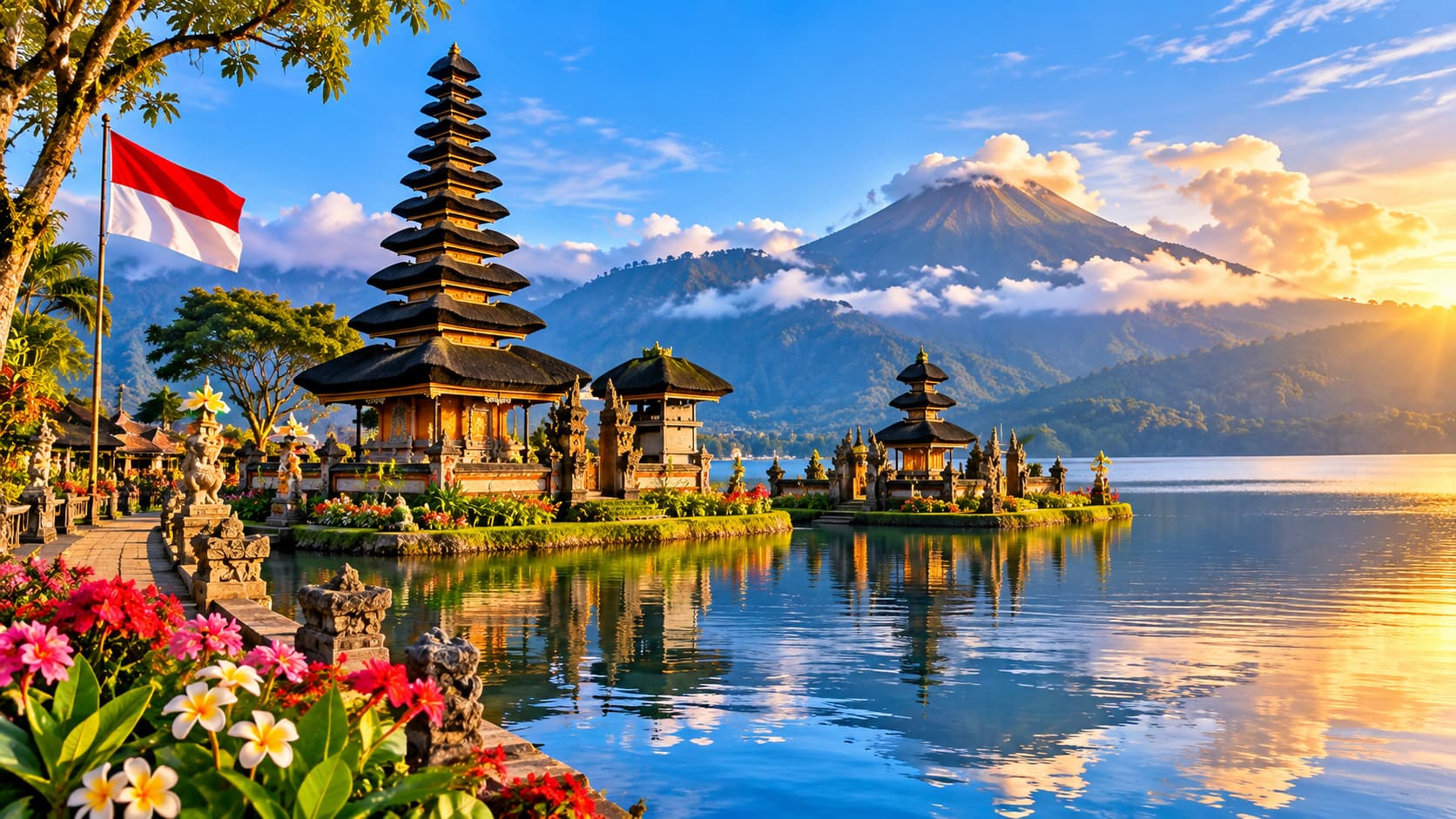
Bali remains the country’s most famous gateway. Around Ubud, emerald rice terraces descend across tropical hillsides, while ancient temples, traditional dances, beaches, and spiritual traditions continue to attract travelers from around the world.
But Indonesia extends far beyond Bali.
Komodo National Park protects the legendary Komodo dragon while surrounding waters provide spectacular diving and opportunities to encounter manta rays.
Raja Ampat in West Papua is renowned for exceptional marine biodiversity, making it a dream destination for divers and underwater photographers.
On Java, Borobudur—the world’s largest Buddhist temple—is one of Southeast Asia’s greatest cultural landmarks. Mount Bromo provides another unforgettable experience, particularly at sunrise when volcanic peaks emerge from the morning mist.
Sumatra’s rainforests shelter endangered orangutans and other extraordinary wildlife.
Food is another essential part of the Indonesian experience. Rendang, nasi goreng, satay, and countless regional dishes reflect the country’s enormous cultural diversity.
Indonesia does not offer just one travel experience. It offers thousands.
6. South Africa
South Africa combines spectacular wildlife, dramatic coastlines, mountains, vineyards, multicultural cities, and a complex modern history.
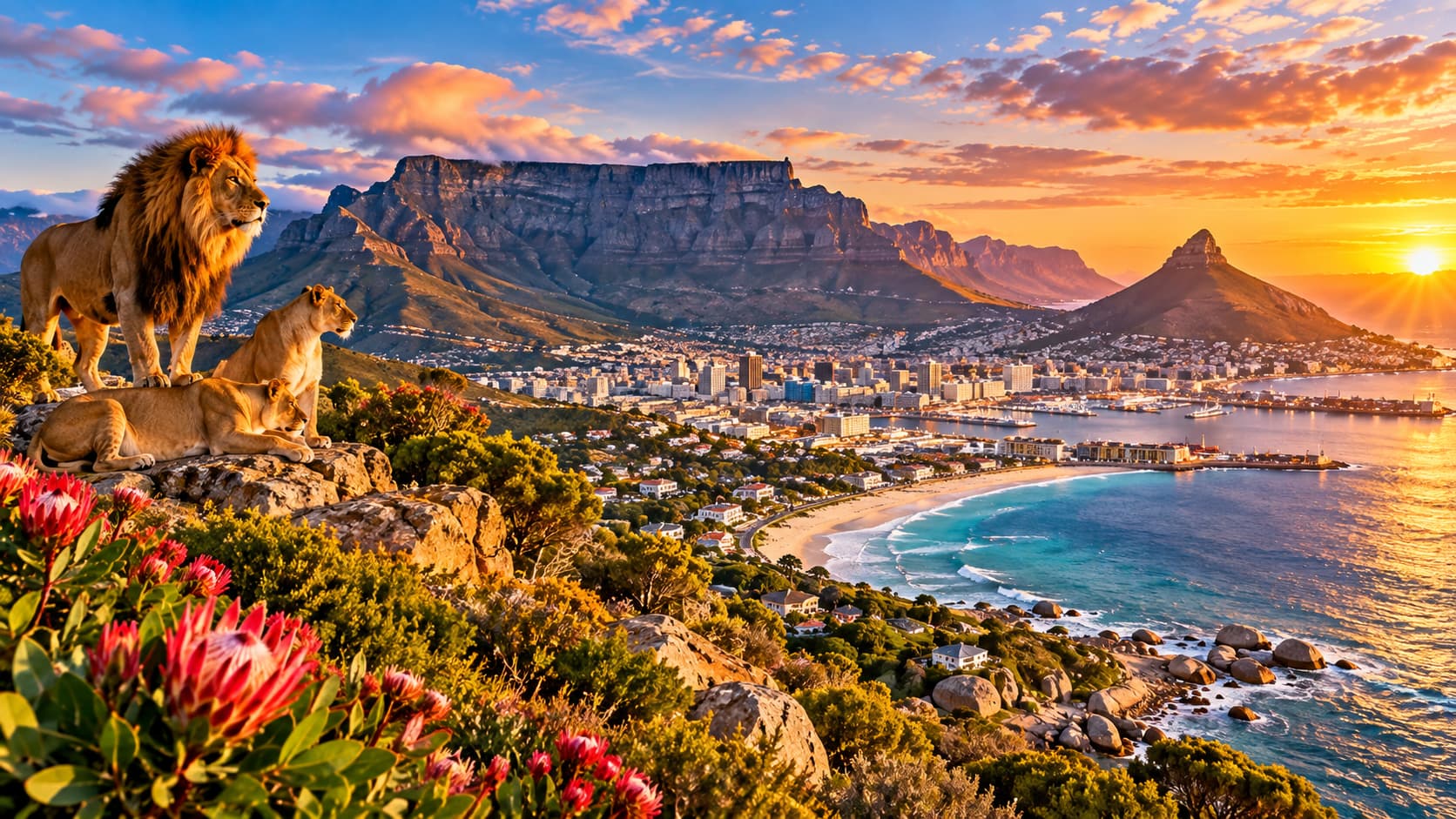
Cape Town immediately captures attention. Table Mountain towers above the city, providing extraordinary views across the Atlantic coastline and surrounding peninsula.
Nearby, the Cape Winelands around Stellenbosch and Franschhoek combine vineyards, mountain scenery, historic architecture, and internationally respected wines.
The Garden Route links forests, lagoons, beaches, and charming coastal towns.
For wildlife enthusiasts, Kruger National Park delivers one of Africa’s classic safari experiences. Lions, elephants, leopards, rhinos, buffalo, and countless other species inhabit its vast landscapes.
Private reserves such as Sabi Sands provide another level of safari experience with expert guides and luxury lodges.
Beyond wildlife, travelers can explore Durban, Johannesburg, the Drakensberg Mountains, and culturally significant destinations connected to South Africa’s history.
South Africa is beautiful, complicated, inspiring, and deeply memorable—a country where extraordinary natural experiences exist alongside powerful human stories.
7. Slovenia
Small in size but remarkably rich in experiences, Slovenia remains one of Europe’s most underrated destinations.
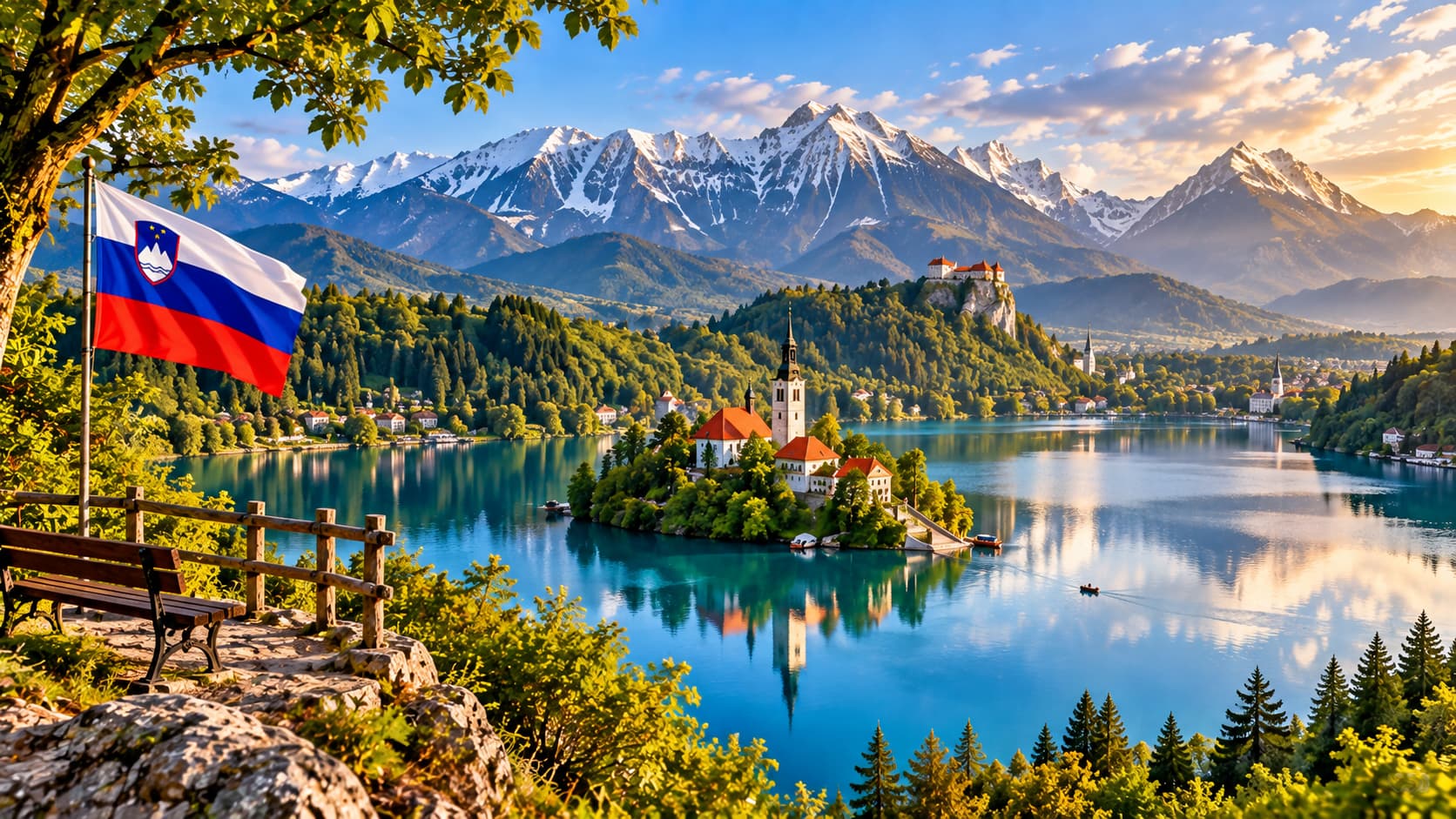
Lake Bled is its postcard icon. A church stands on a tiny island surrounded by emerald water, while a medieval castle overlooks the lake from dramatic cliffs and the Julian Alps rise in the background.
Ljubljana, Slovenia’s charming capital, offers pedestrian-friendly streets, riverside cafés, Baroque architecture, bridges, and a relaxed atmosphere.
Below ground, Postojna Cave reveals an enormous network of subterranean passages and rock formations. Nearby, Predjama Castle appears almost impossibly built into the entrance of a cliff.
Outdoor travelers should explore the Soča River, famous for its emerald color and activities such as kayaking and rafting.
Triglav National Park protects alpine peaks, waterfalls, forests, and meadows, while Slovenia’s small Adriatic coastline offers destinations such as Piran with strong Venetian influences.
Slovenia combines Alpine scenery, Mediterranean warmth, Slavic culture, excellent food, wine, and a strong commitment to sustainable tourism.
8. Thailand
Thailand continues to be one of Asia’s most complete travel destinations.
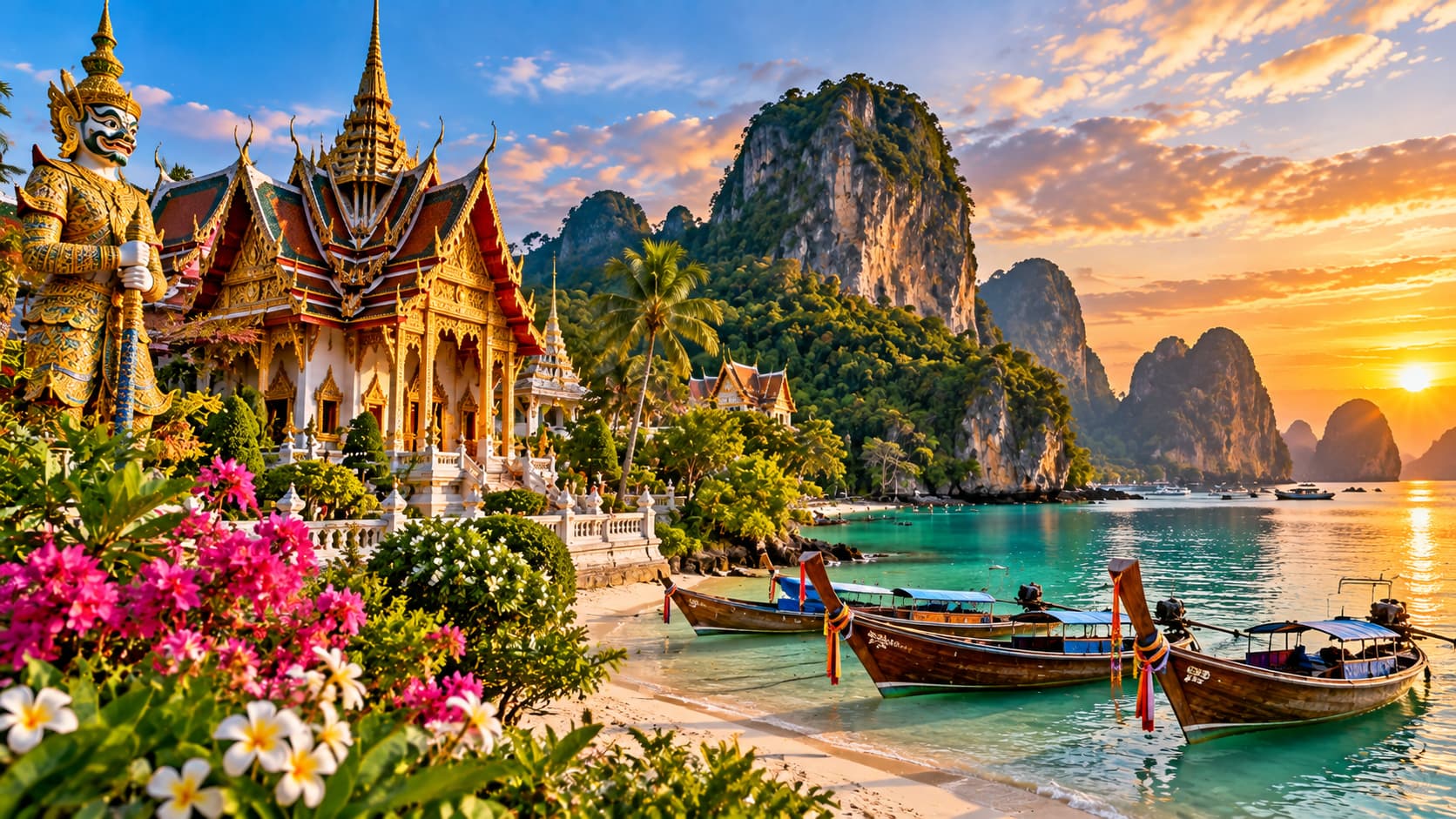
Bangkok delivers an unforgettable mixture of energy and tradition. Golden temples and the Grand Palace stand beside skyscrapers, shopping malls, markets, street-food stalls, and tuk-tuks weaving through crowded streets.
Northern Thailand offers a calmer experience. Chiang Mai is surrounded by mountains, Buddhist temples, traditional communities, and wildlife experiences.
In the south, limestone cliffs rise dramatically from turquoise water around Krabi and Phang Nga Bay. Phuket and Koh Samui combine resorts and nightlife, while islands such as Koh Lanta and Koh Tao offer more relaxed alternatives.
History lovers can explore the ruins of Ayutthaya, once one of Southeast Asia’s most important cities.
And then there is the food.
Pad Thai, green curry, mango sticky rice, spicy salads, grilled satay, fragrant soups, and countless regional specialties make Thailand one of the world’s great culinary destinations.
From backpackers to luxury travelers, Thailand has an extraordinary ability to satisfy almost every style of traveler.
9. Colombia
Modern Colombia has transformed into one of South America’s most fascinating destinations.
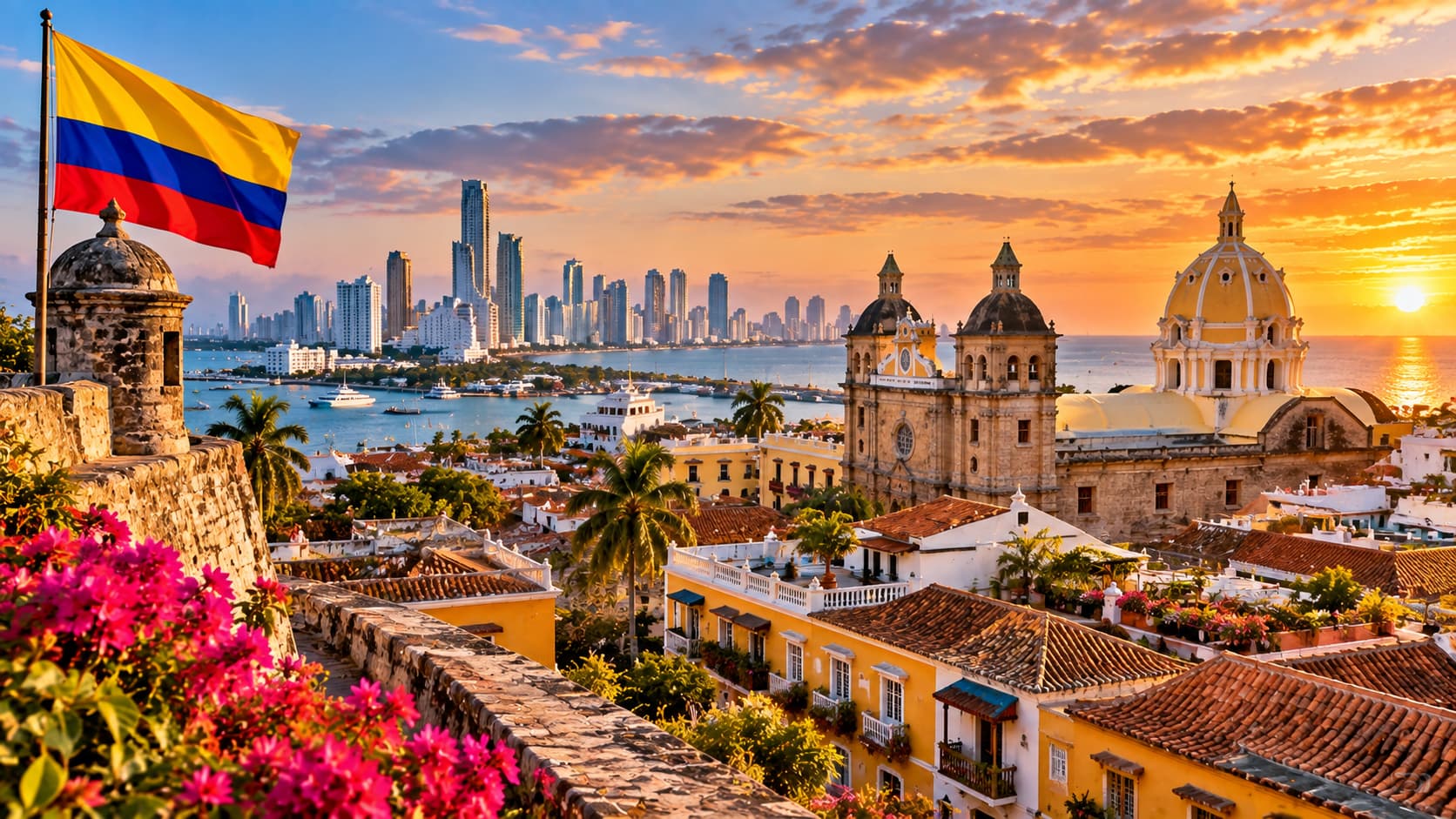
Medellín is particularly impressive. Once internationally associated with violence, the city has become known for urban innovation, cable cars, public spaces, art, and ambitious infrastructure projects.
Cartagena offers Caribbean beauty and colonial architecture. Colorful buildings line cobblestone streets inside historic fortifications, while nearby islands provide opportunities for swimming and snorkeling.
High in the Andes, Bogotá combines museums, street art, historic neighborhoods, restaurants, and vibrant cultural life.
Travelers can also explore Colombia’s famous coffee-growing region, where green mountainsides are covered with coffee farms.
Tayrona National Park brings tropical forest directly to the Caribbean Sea, while the Lost City trek leads adventurous hikers through mountainous jungle toward ancient archaeological ruins.
Colombia rewards travelers willing to look beyond old stereotypes and discover the country’s extraordinary landscapes, culture, food, and hospitality.
10. Switzerland
Switzerland feels almost impossibly picturesque.
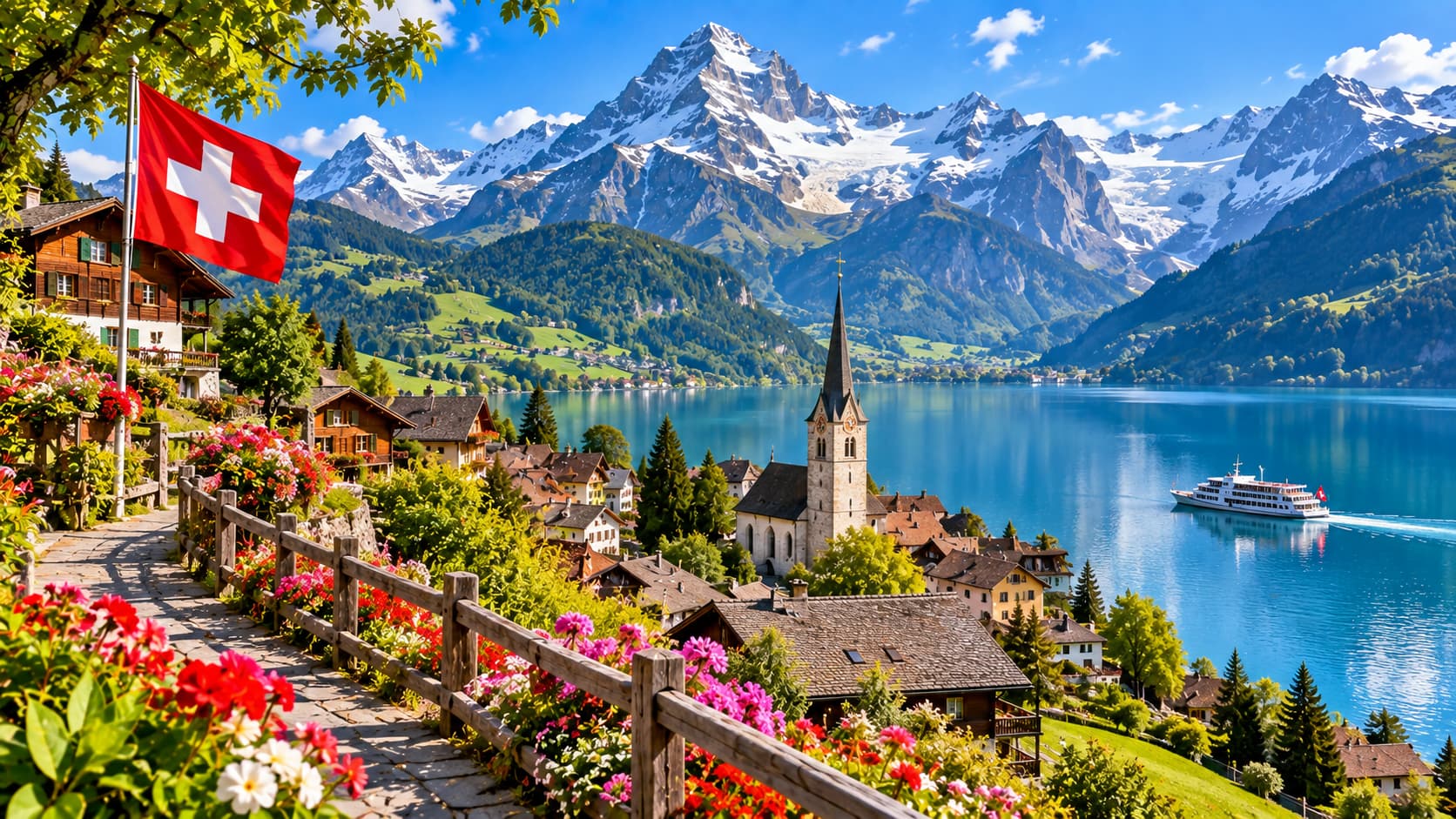
The Swiss Alps dominate the landscape, with destinations such as Zermatt providing iconic views of the Matterhorn.
Mountain railways carry travelers to panoramic viewpoints, while Interlaken provides access to lakes, glaciers, hiking trails, skiing, paragliding, and countless outdoor adventures.
The legendary Glacier Express crosses mountains, valleys, bridges, and tunnels on one of Europe’s most famous railway journeys.
Lucerne combines a beautiful lakefront setting with historic landmarks such as Chapel Bridge, while Geneva offers international sophistication beside Lake Geneva.
Beyond the scenery, Switzerland is famous for chocolate, cheese, watches, efficient transportation, immaculate towns, and exceptionally well-maintained hiking trails.
It is undeniably expensive, but travelers are rewarded with reliability, extraordinary landscapes, and some of Europe’s finest outdoor experiences.
11. Australia
Australia combines world-famous cities, tropical reefs, ancient rainforests, vast deserts, beaches, wildlife, and an unmistakably relaxed culture.
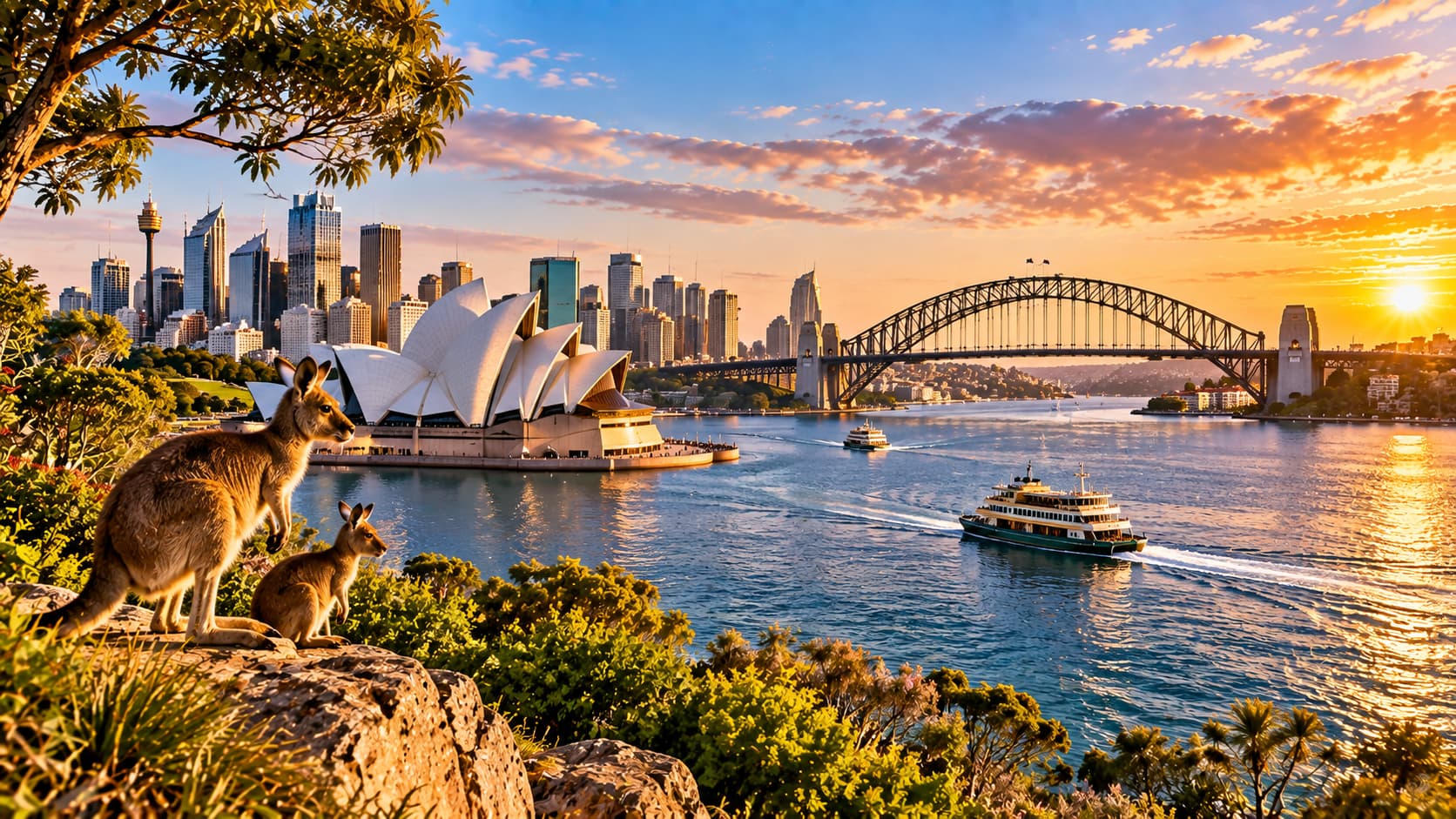
Sydney’s harbor provides one of the world’s great urban views, with the Sydney Opera House and Harbour Bridge overlooking waters filled with boats.
The Great Barrier Reef stretches for more than 2,000 kilometers along Queensland’s coast, offering extraordinary opportunities to encounter coral reefs, tropical fish, turtles, and other marine life.
Melbourne is known for its coffee, restaurants, laneways, art, and cultural scene.
In Australia’s Red Centre, Uluru rises dramatically from the desert and changes color as the sun moves across the sky.
Queensland’s Daintree Rainforest offers ancient tropical ecosystems, while Tasmania provides mountains, wilderness, hiking, beaches, and fresh local food.
The Great Ocean Road reveals dramatic southern coastline and the famous Twelve Apostles.
Add kangaroos, koalas, crocodiles, excellent wine regions, and friendly Australian hospitality, and it becomes clear why Australia remains a bucket-list destination.
12. Croatia
Croatia’s spectacular Adriatic coastline, historic cities, islands, waterfalls, and Mediterranean atmosphere have made it one of Europe’s most popular destinations.
Dubrovnik’s famous stone walls surround marble streets and Renaissance architecture overlooking the sea.
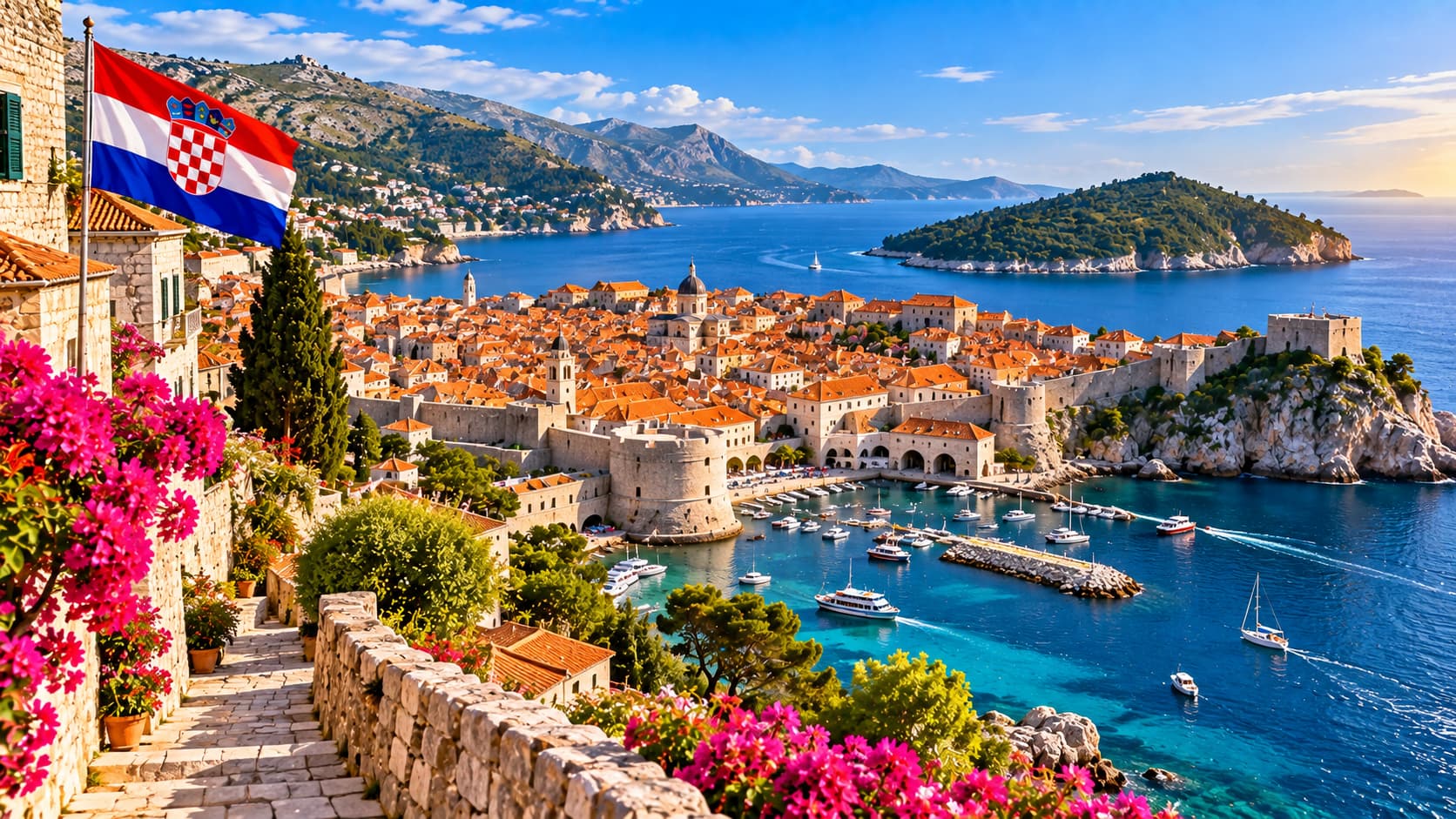
In Split, Diocletian’s Palace is not simply an archaeological site—it remains a living part of the city filled with homes, restaurants, cafés, and shops inside ancient Roman walls.
Plitvice Lakes National Park features a spectacular system of lakes and waterfalls connected by wooden walkways.
Croatia’s islands add another dimension. Hvar combines lavender landscapes with nightlife and sailing, while quieter islands provide secluded coves and traditional fishing villages.
Inland, Zagreb surprises visitors with museums, architecture, cafés, and a sophisticated urban atmosphere.
Croatia successfully combines Mediterranean scenery, Slavic hospitality, Roman and Venetian heritage, excellent food, wine, and extraordinary access to the Adriatic Sea.
13. Scotland
Scotland is a land of mist-covered mountains, mysterious lochs, ancient castles, whisky, and fierce cultural identity.
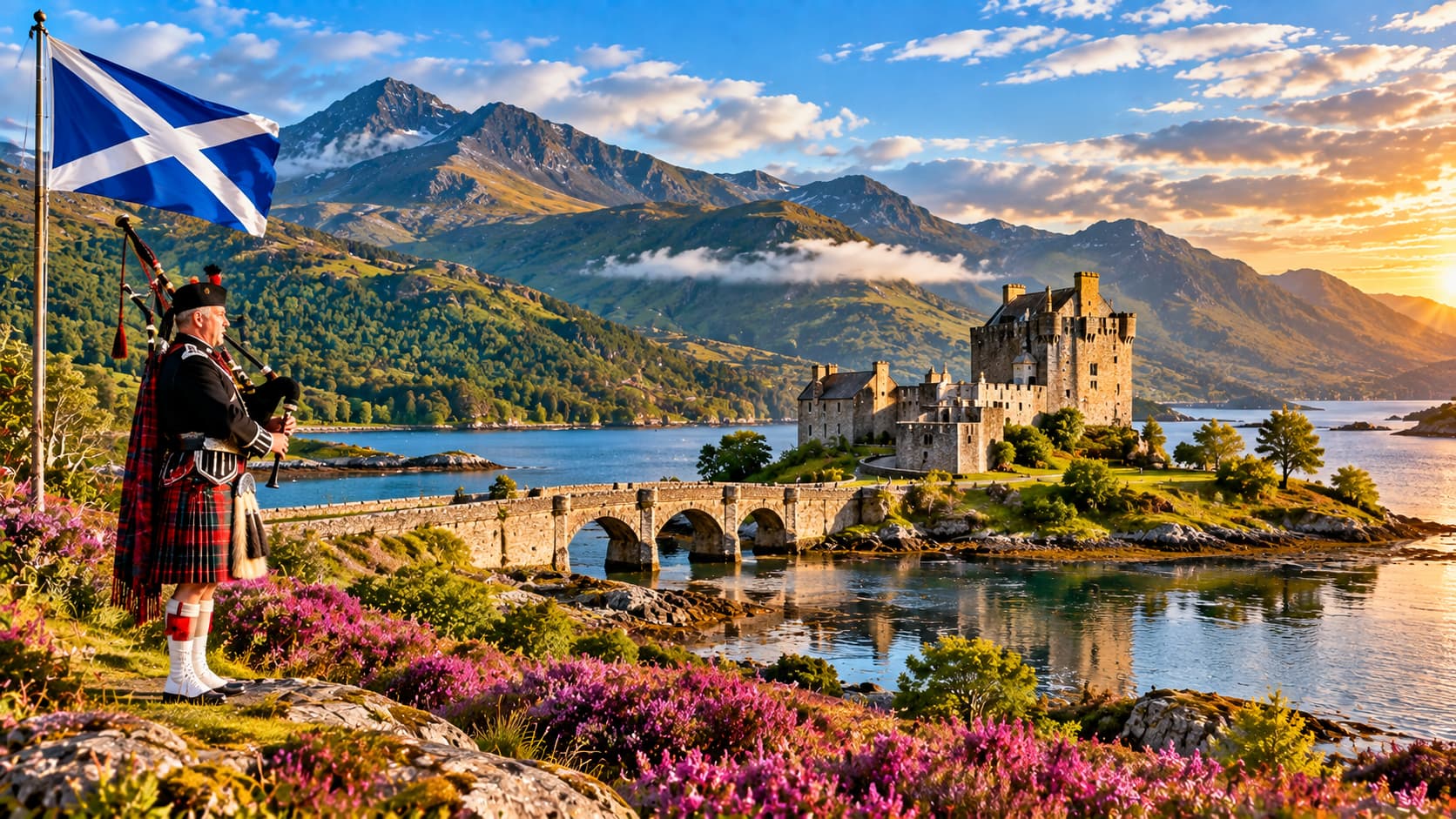
Edinburgh Castle towers above Scotland’s capital from its volcanic rock perch. The Royal Mile, medieval streets, historic buildings, and annual festivals make Edinburgh one of Europe’s most atmospheric cities.
Beyond the capital, the Scottish Highlands reveal the country’s wild character.
Glencoe is surrounded by dramatic mountains, Loch Ness continues to inspire legends, and Ben Nevis attracts hikers seeking Britain’s highest summit.
The Isle of Skye offers some of Scotland’s most recognizable scenery, including rugged cliffs, waterfalls, rock formations, and the famous Fairy Pools.
Whisky lovers can explore distilleries across Speyside, Islay, and other whisky-producing regions.
Glasgow contributes Victorian architecture, museums, music, nightlife, and a creative urban personality.
From prehistoric sites in Orkney to the scenic North Coast 500 road trip, Scotland feels rugged, proud, historic, and unforgettable.
14. Spain
Spain is a country where architecture, food, art, nightlife, history, and regional identities combine with extraordinary intensity.
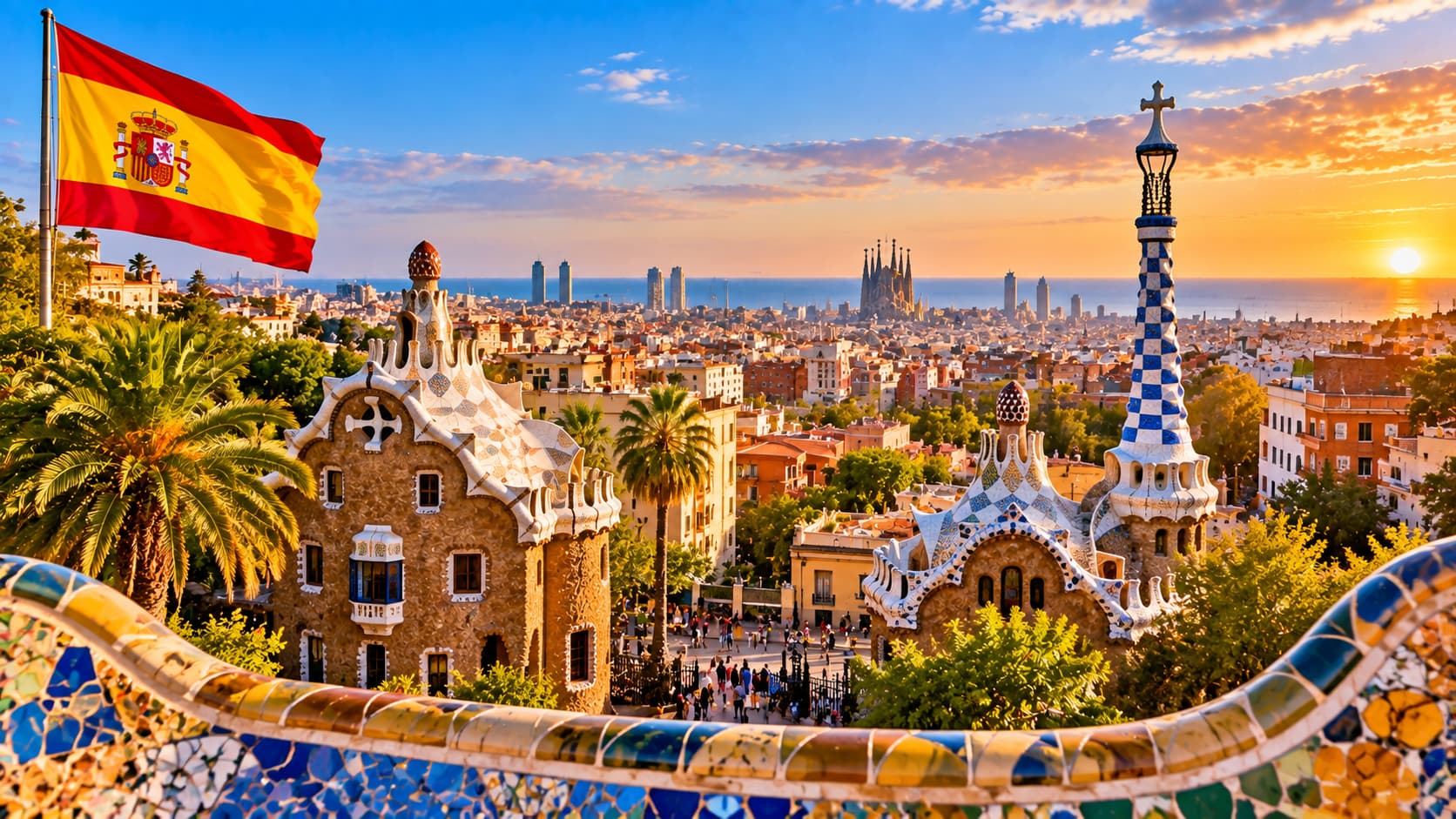
Barcelona is defined by Antoni Gaudí’s surreal architecture, including the Sagrada Família, Park Güell, and Casa Batlló.
Madrid offers world-class art museums, grand boulevards, lively neighborhoods, and legendary nightlife.
In northern Spain, the Basque Country has become one of Europe’s great culinary destinations, with San Sebastián particularly famous for pintxos and fine dining.
Southern Spain reveals centuries of Moorish influence. Granada’s Alhambra, Seville’s flamenco culture, and Córdoba’s Mosque-Cathedral represent some of the country’s greatest cultural treasures.
Spain’s islands provide yet more variety. Ibiza is famous for nightlife, while Mallorca combines beaches with mountain landscapes.
Wine regions, Mediterranean beaches, festivals, tapas, paella, and long evenings spent socializing make Spain a destination that celebrates life with remarkable energy.
15. Morocco
Morocco offers one of the most intense and colorful travel experiences in North Africa.
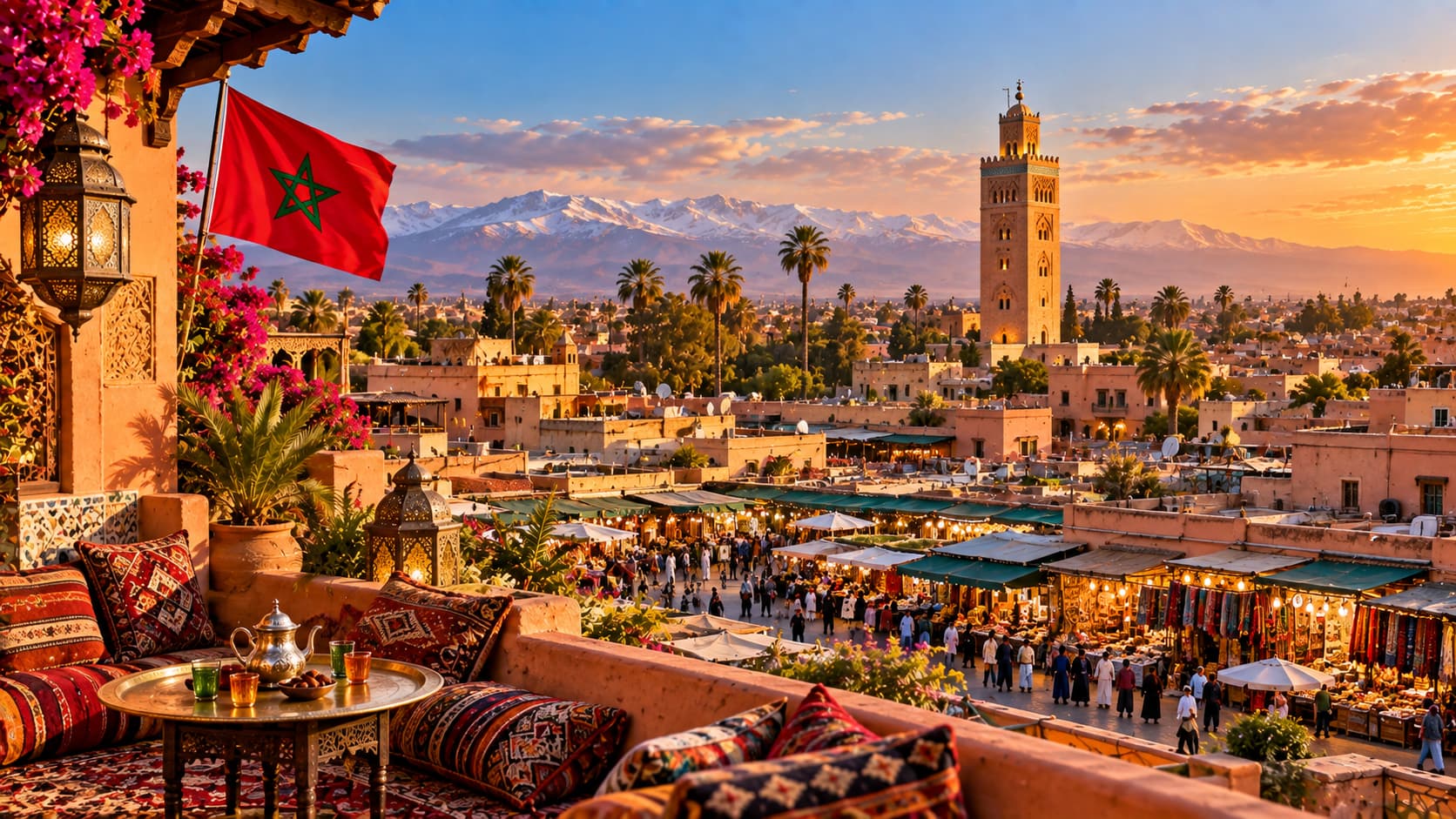
Marrakesh’s medina is a maze of markets, courtyards, riads, food stalls, and narrow streets. At night, Jemaa el-Fnaa transforms into an enormous open-air spectacle.
Fes preserves centuries-old craftsmanship and one of the world’s most fascinating historic medinas.
Chefchaouen’s blue-painted streets create one of Morocco’s most recognizable visual experiences, while Casablanca is home to the monumental Hassan II Mosque overlooking the Atlantic.
The Sahara Desert provides another unforgettable journey. From Merzouga, travelers can venture toward towering dunes, watch the sunset over the sand, and spend evenings beneath remarkably clear desert skies.
The Atlas Mountains reveal traditional Berber communities and dramatic hiking landscapes.
On the Atlantic coast, Essaouira combines historic fortifications, beaches, seafood, and strong coastal winds popular with water-sports enthusiasts.
Moroccan cuisine completes the experience with tagines, couscous, mint tea, grilled meats, spices, and the sweet-and-savory complexity of pastilla.
16. Peru
Few countries connect travelers with ancient civilizations as powerfully as Peru.
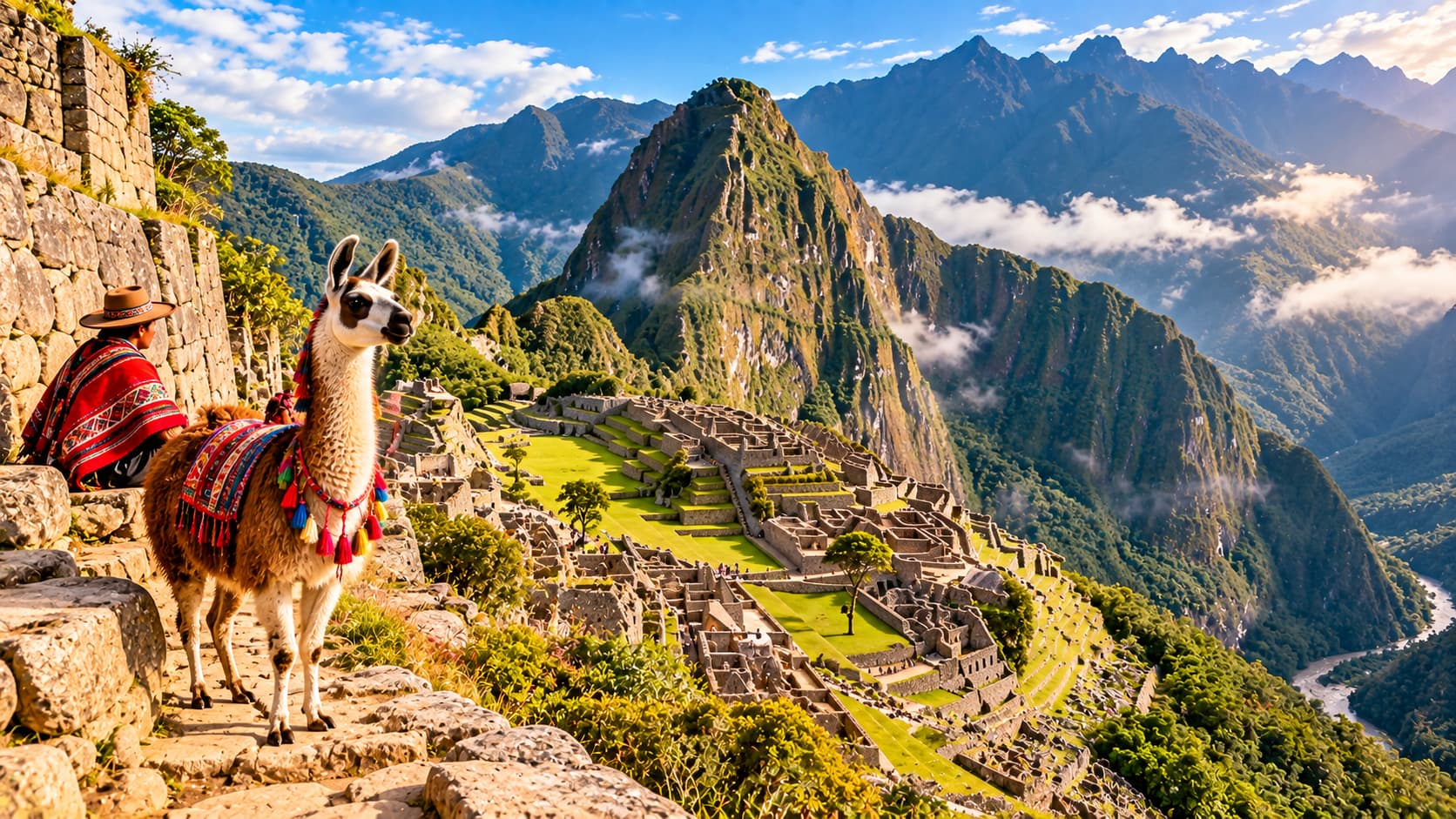
Machu Picchu remains the country’s greatest icon, standing high in the Andes surrounded by steep green mountains.
For adventurous travelers, the Inca Trail provides a multi-day journey through mountain passes and cloud forests before reaching the legendary archaeological site.
Cusco combines Spanish colonial architecture with Incan foundations, while the Sacred Valley contains traditional markets, archaeological sites, villages, and dramatic mountain landscapes.
Lake Titicaca offers another cultural experience through its high-altitude communities and islands.
Lima has meanwhile become internationally recognized for its culinary scene. Ceviche remains essential, while restaurants across the city demonstrate the creativity of modern Peruvian cuisine.
Travelers can also discover the mysterious Nazca Lines, explore the Amazon rainforest, and visit Arequipa beneath surrounding volcanoes.
In Peru, history does not feel distant. It remains deeply connected to the country’s landscapes, traditions, food, and everyday life.
17. Vietnam
Vietnam combines spectacular landscapes, energetic cities, ancient traditions, colonial heritage, beaches, mountains, and one of Asia’s most celebrated cuisines.
Ha Long Bay is among the country’s most famous natural attractions. Thousands of limestone karsts rise from emerald water, creating a dramatic landscape best explored by boat or kayak.
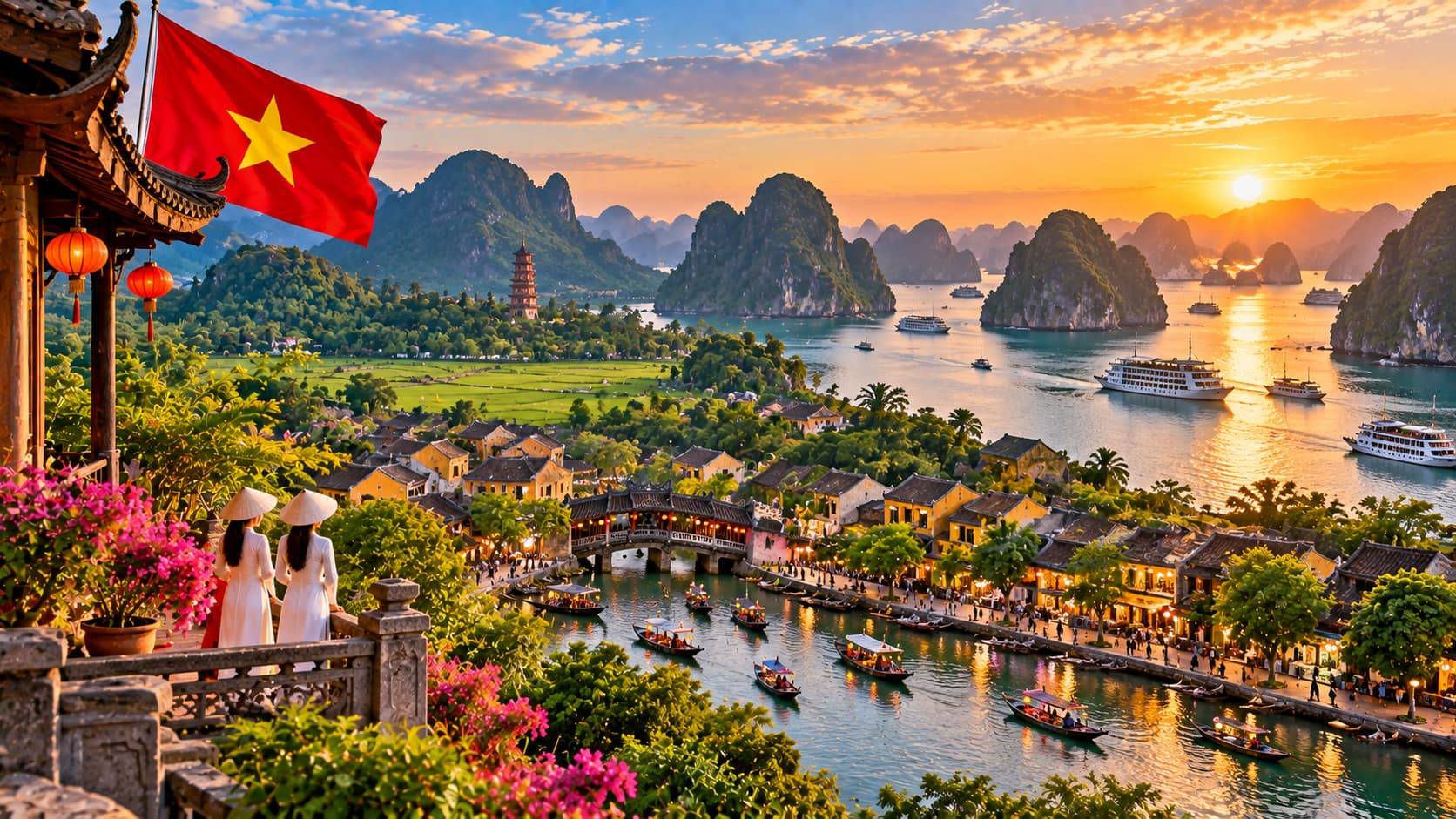
Hanoi’s Old Quarter delivers a completely different experience. Motorbikes fill narrow streets while street-food vendors, traditional shops, colonial architecture, temples, and modern cafés coexist in constant motion.
Hoi An is famous for its lantern-lit streets, historic architecture, tailors, and relaxed atmosphere.
Hue preserves the heritage of Vietnam’s imperial era through its citadel, royal tombs, and historic monuments.
In southern Vietnam, Ho Chi Minh City delivers intense metropolitan energy, while the Mekong Delta reveals riverside communities, orchards, markets, and agricultural landscapes.
Northern destinations such as Sapa are known for dramatic rice terraces and ethnic minority communities.
For beach lovers, Phu Quoc offers tropical scenery and fresh seafood.
Vietnamese cuisine alone is reason enough to visit. Pho, bánh mì, spring rolls, regional noodle dishes, fresh herbs, and countless street-food specialties combine freshness, fragrance, texture, and balance.
Vietnam’s ability to combine rapid modernization with deeply rooted traditions makes it one of the best countries to visit in 2027.
18. Greece
Greece gave the world philosophy, democracy, and some of Western civilization’s most influential ideas, but its appeal reaches far beyond ancient history.
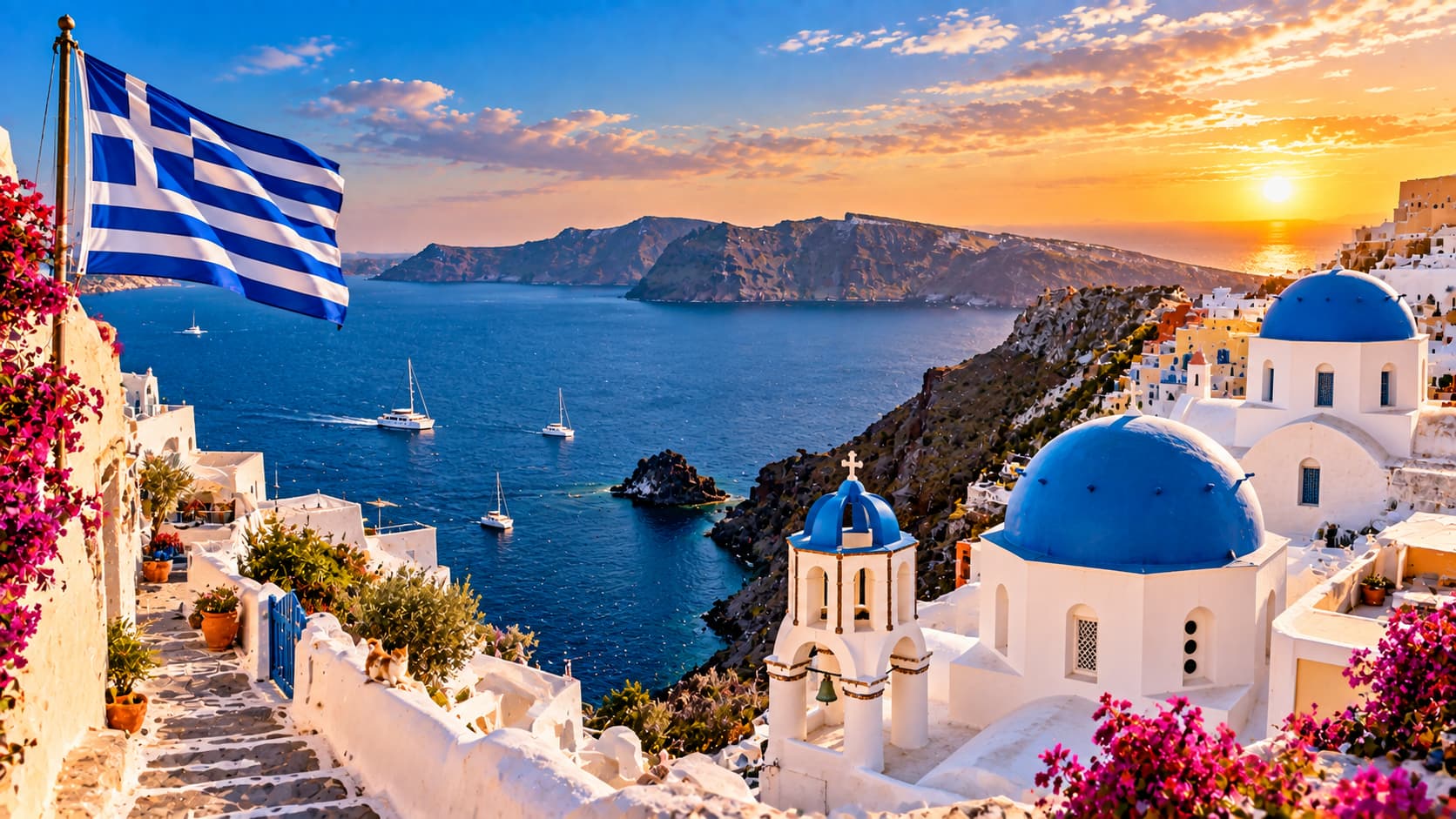
Athens combines the modern city with extraordinary archaeological landmarks. The Acropolis and Parthenon dominate the skyline, while the Acropolis Museum provides deeper insight into the ancient world.
The Greek islands offer endless possibilities.
Santorini is famous for whitewashed villages, blue-domed churches, volcanic cliffs, and legendary sunsets.
Mykonos combines beaches and nightlife, while Crete provides a broader mixture of beaches, mountains, archaeological sites, villages, and traditional cuisine.
On the mainland, Meteora’s monasteries stand dramatically atop enormous sandstone pillars.
The Peloponnese contains archaeological treasures, historic towns, beaches, olive groves, and mountainous landscapes.
Greek food brings travelers together around tables filled with moussaka, souvlaki, feta, seafood, olives, and local dishes prepared with exceptional olive oil.
In Greece, meals become celebrations and history becomes part of everyday life.
19. Norway
Norway’s fjords create some of the most dramatic landscapes in Europe.
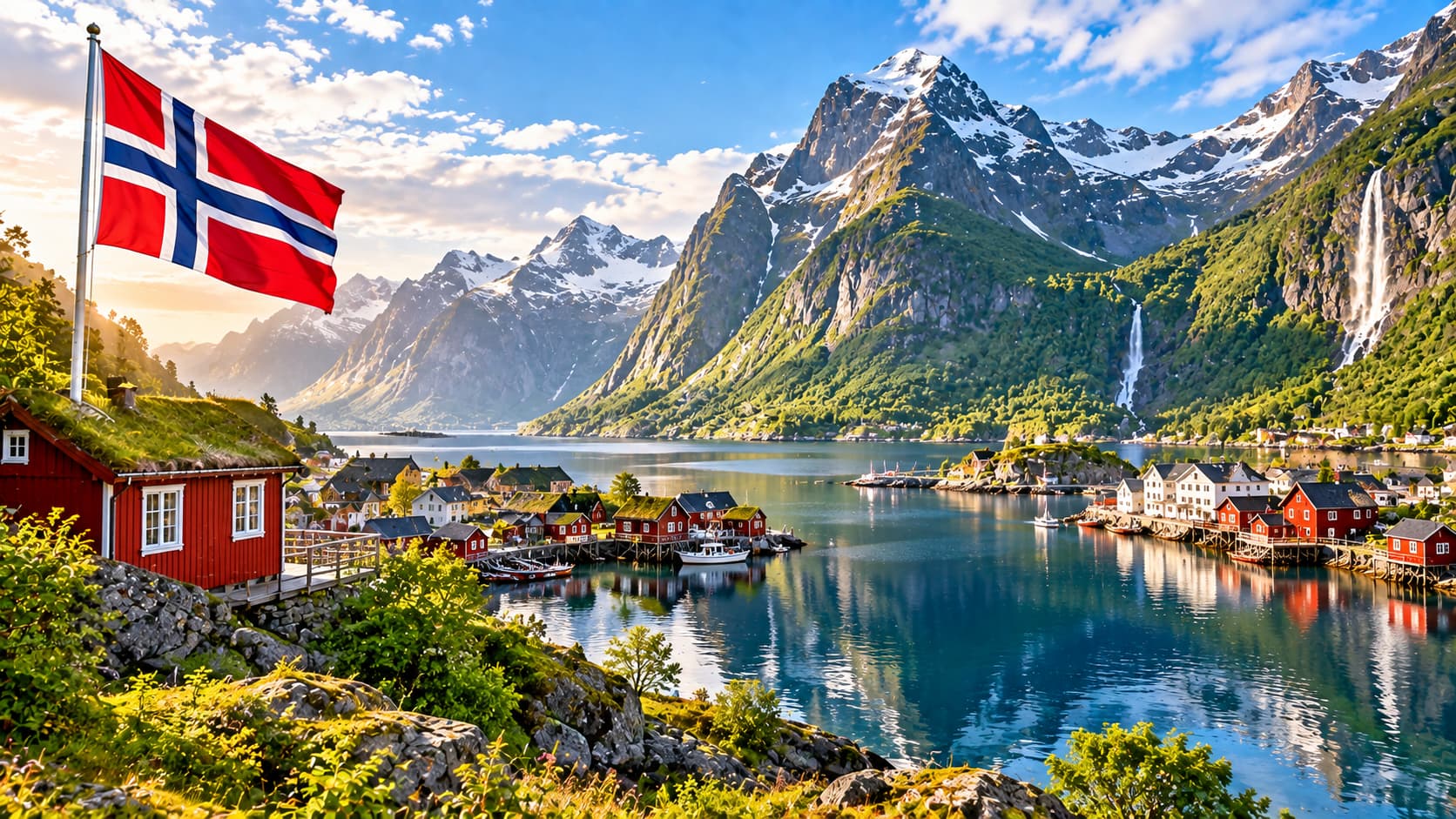
Geirangerfjord is surrounded by steep mountains and waterfalls plunging hundreds of meters toward emerald water.
The western coastline between cities such as Bergen and Trondheim reveals towering cliffs, remote farms, fishing villages, and narrow waterways best explored by road, rail, or ferry.
Bergen’s colorful historic waterfront reflects its maritime history and serves as a popular gateway to the fjords.
The Flåm Railway is another highlight, descending through dramatic mountain scenery toward fjord-level valleys.
Above the Arctic Circle, Tromsø is one of Europe’s most popular destinations for seeing the Northern Lights during the darker months.
The Lofoten Islands combine jagged mountains with fishing villages, beaches, and extraordinary Arctic light.
Travelers seeking adventure can hike to viewpoints such as Preikestolen, which towers hundreds of meters above Lysefjord.
Norway’s natural beauty operates on a scale that can make even experienced travelers feel small.
20. Italy
Few countries combine art, history, architecture, cuisine, and landscapes as successfully as Italy.
Rome alone contains enough history for an entire journey. The Colosseum, Roman Forum, Vatican City, Sistine Chapel, Trevi Fountain, and countless piazzas reveal layers of civilization.
Florence represents the heart of the Renaissance, with the Uffizi Gallery, Duomo, Michelangelo’s David, and extraordinary architecture filling its historic center.
Venice seems almost impossible—a city of islands, canals, bridges, palaces, and gondolas where roads have been replaced by waterways.
Northern Italy’s Dolomites provide some of Europe’s most dramatic mountain scenery.
Tuscany’s rolling hills, vineyards, cypress-lined roads, and medieval towns create the classic Italian countryside.
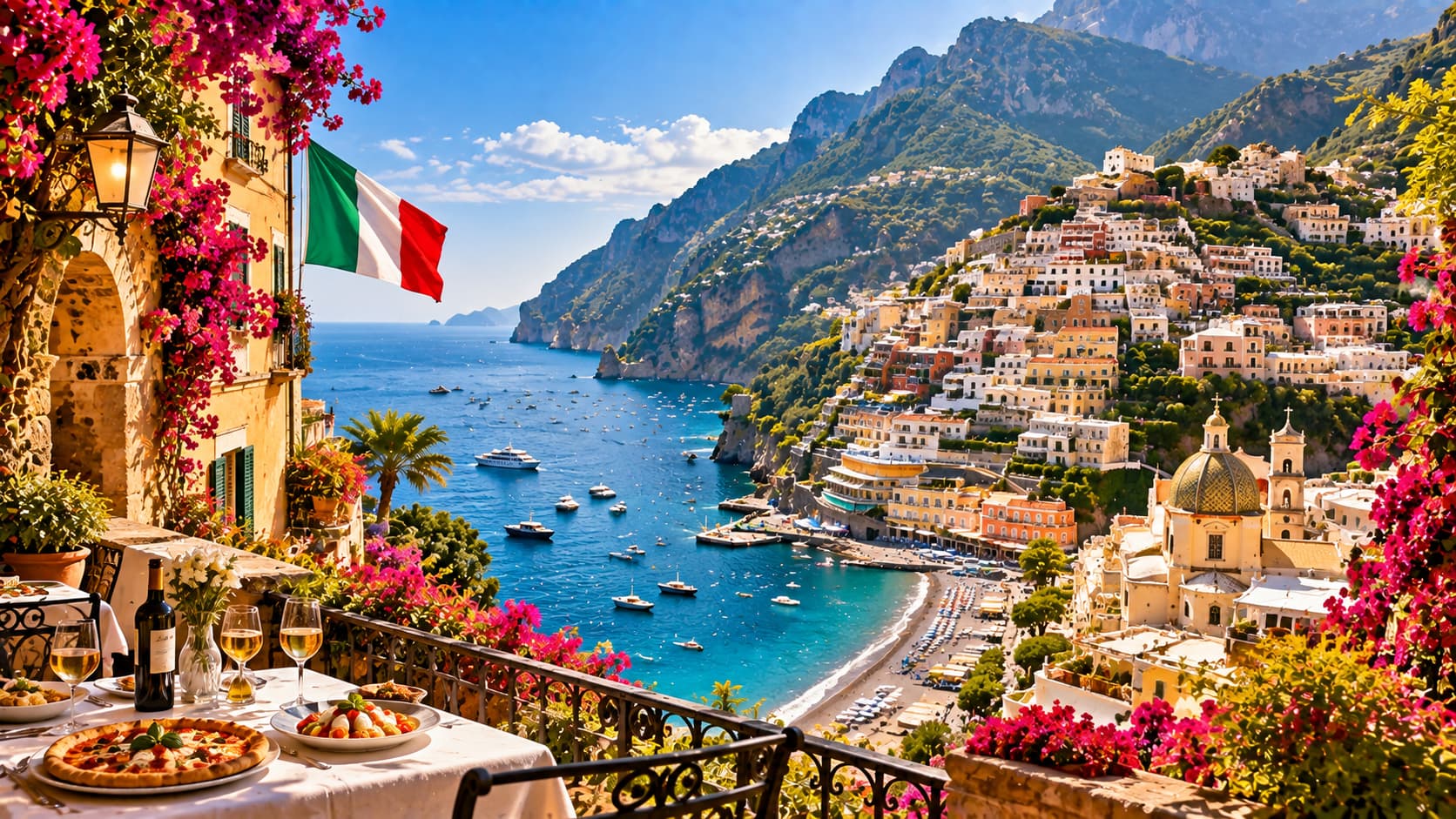
The Amalfi Coast combines cliffs with colorful villages overlooking the Mediterranean.
Farther south, Sicily offers Mount Etna, historic cities, archaeological sites, markets, beaches, and distinctive cuisine, while Puglia is famous for its trulli houses and beautiful coastline.
And then there is Italian food: pasta, pizza, gelato, cheese, wine, seafood, coffee, and countless regional specialties.
Italy does not simply preserve history inside museums. History lives in its streets, buildings, kitchens, and public squares.
21. Sri Lanka
Sri Lanka packs remarkable diversity into a relatively small island.
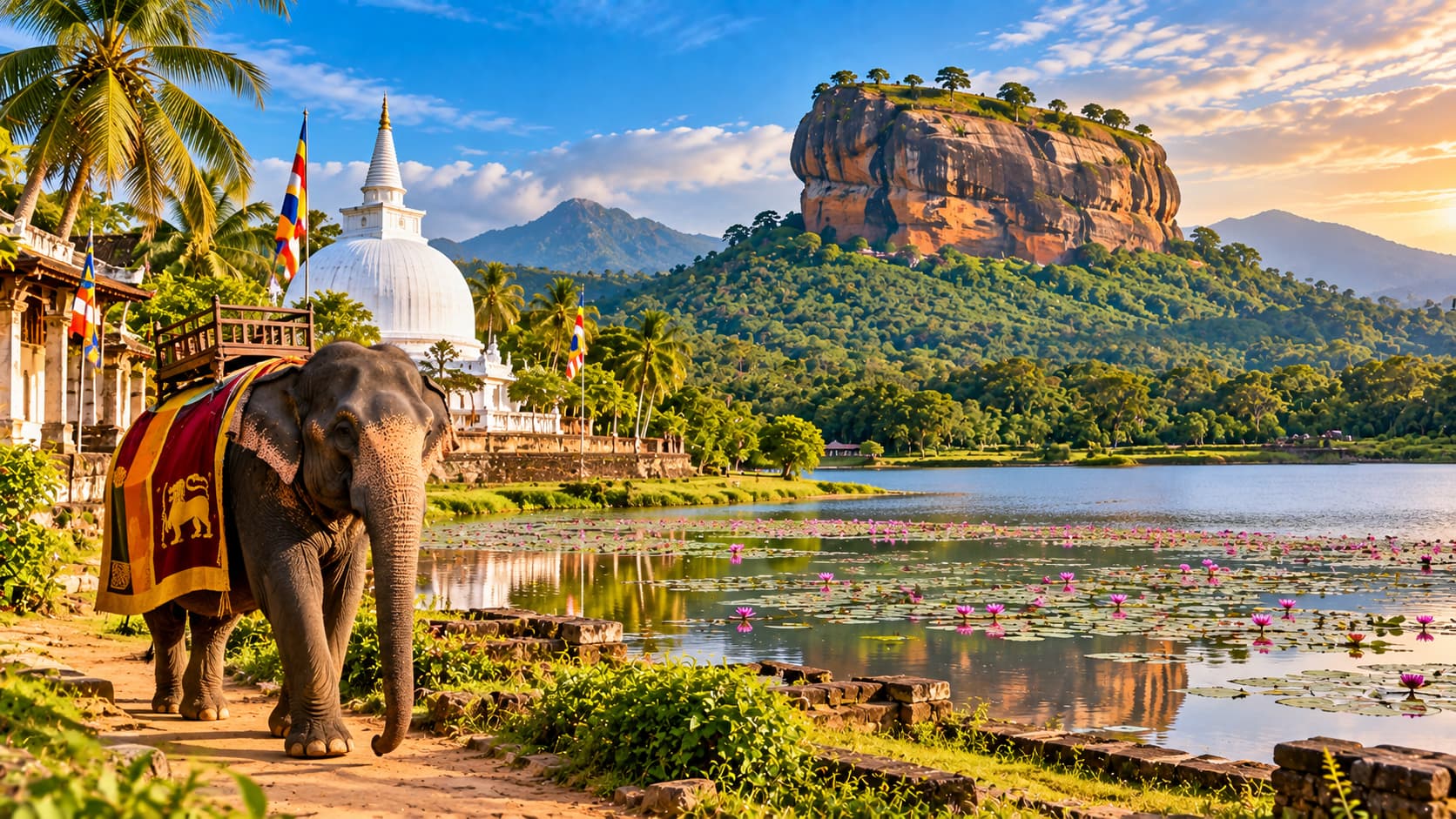
Sigiriya’s ancient rock fortress rises dramatically above the surrounding jungle, while the Cultural Triangle contains some of the country’s most important Buddhist and archaeological sites.
Kandy’s Temple of the Tooth remains an important religious destination surrounded by green hills.
The famous train journey through Sri Lanka’s central highlands passes tea plantations, waterfalls, valleys, villages, and mountain scenery on the way toward destinations such as Ella.
Wildlife is another major attraction. Yala National Park is known for elephants, leopards, birds, and other animals.
Along the coast, travelers can discover colonial architecture, beaches, surfing destinations, fishing communities, and whale-watching opportunities.
Sri Lankan cuisine combines spices, coconut, rice, seafood, vegetables, and fiery curries to create distinctive flavors.
For travelers looking for culture, wildlife, beaches, mountains, history, and food within one manageable destination, Sri Lanka offers extraordinary value.
22. Iceland
Iceland feels like another planet.
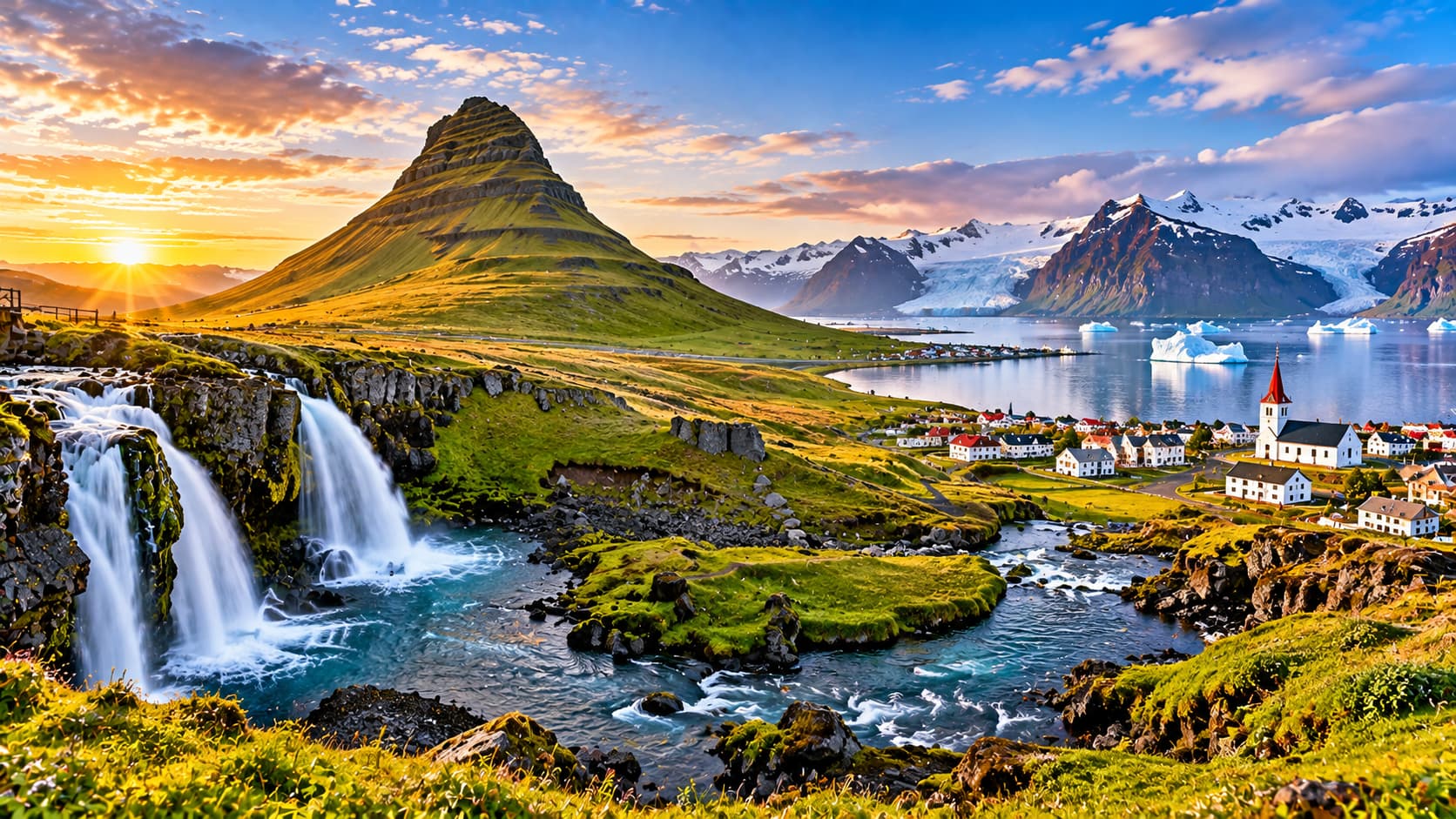
Volcanoes, glaciers, waterfalls, geothermal springs, black-sand beaches, and enormous lava fields have created landscapes unlike almost anywhere else.
The Golden Circle introduces travelers to several famous attractions, including Þingvellir National Park, geothermal areas, and Gullfoss waterfall.
Reykjavík combines colorful architecture, contemporary design, restaurants, nightlife, and cultural attractions in a compact capital.
The Blue Lagoon remains Iceland’s best-known geothermal experience, although hot springs and geothermal pools can be found throughout the country.
Jökulsárlón glacial lagoon provides extraordinary views of icebergs drifting toward the sea, while nearby Diamond Beach is covered with pieces of ice resting on black volcanic sand.
Along the South Coast, waterfalls such as Seljalandsfoss and Skógafoss create some of Iceland’s most recognizable scenery.
Northern and western Iceland reward travelers willing to leave the busiest routes with volcanic landscapes, whale watching, remote roads, and dramatic coastal scenery.
During winter, the Northern Lights can illuminate the sky. In summer, the midnight sun provides extremely long days for exploration.
Iceland’s raw geology makes every road trip feel like an expedition across a newly formed world.
23. Portugal
Portugal combines European history and sophistication with a relaxed Atlantic atmosphere.
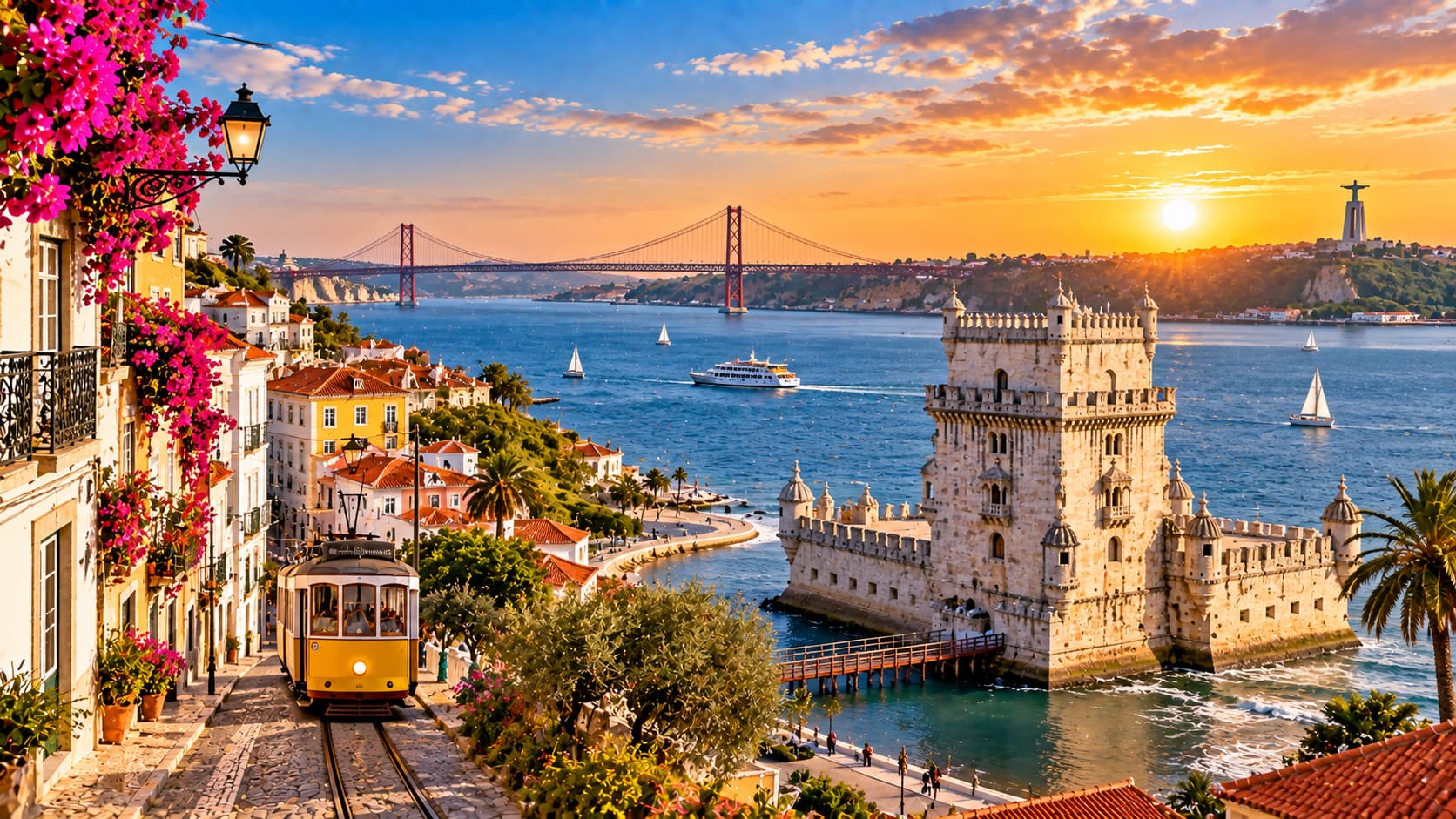
Lisbon’s hills are filled with historic trams, tiled buildings, viewpoints, cafés, and narrow streets. Belém’s monuments recall Portugal’s maritime age, while modern creative districts demonstrate the city’s contemporary side.
Porto has a different personality. Colorful buildings descend toward the Douro River, where historic port-wine cellars continue centuries of tradition.
Beyond Porto, the Douro Valley offers terraced vineyards and spectacular river scenery.
Sintra feels almost magical, with colorful palaces, romantic gardens, forested hills, and extravagant architecture.
In southern Portugal, the Algarve is famous for golden cliffs, beaches, sea caves, and warm weather.
Historic cities such as Évora preserve Roman and medieval heritage.
Portuguese cuisine emphasizes fresh ingredients and straightforward flavors—salt cod, grilled sardines, seafood rice, and the irresistible pastel de nata.
With excellent weather, welcoming people, beautiful cities, beaches, food, and comparatively good value, Portugal remains one of Europe’s most attractive destinations.
24. New Zealand
New Zealand looks as though it was designed for adventure movies—and there is a reason it became the cinematic home of Middle-earth.
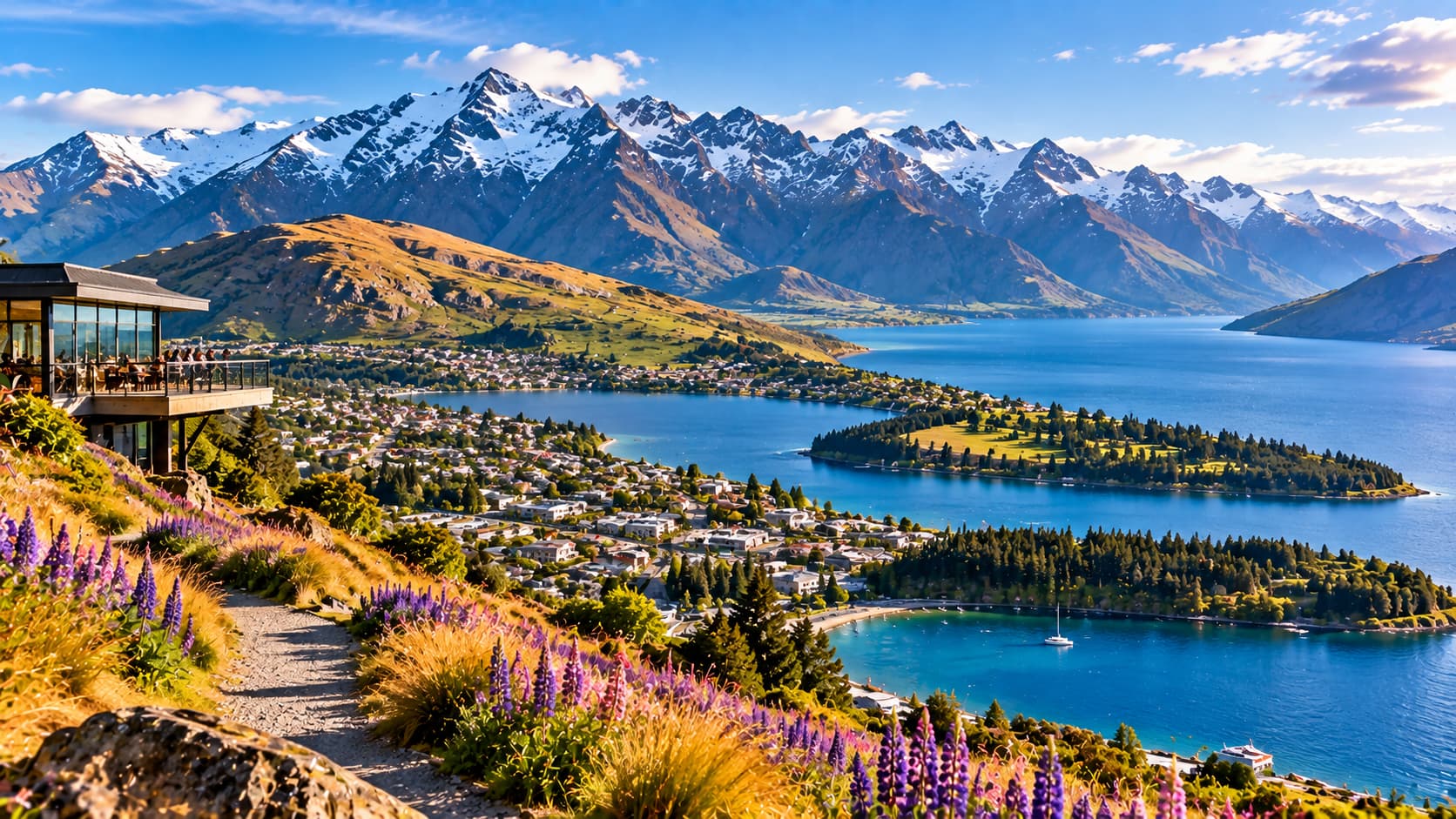
The South Island’s Southern Alps dominate the horizon around Aoraki/Mount Cook.
Milford Sound delivers classic New Zealand scenery, with glacier-carved cliffs rising directly from dark water while waterfalls descend from the mountains.
Queenstown has earned its reputation as an adventure capital through bungee jumping, skiing, jet boating, hiking, and countless outdoor activities.
Elsewhere on the South Island, travelers can explore golden beaches, glaciers, coastal hiking trails, vineyards, and remote wilderness.
The North Island adds geothermal landscapes, volcanic terrain, glowworm caves, beaches, and major cities.
Rotorua is famous for geothermal activity and Māori cultural experiences, while the Tongariro Alpine Crossing leads hikers across dramatic volcanic landscapes.
Wellington combines museums, restaurants, creative culture, and a compact waterfront setting. Auckland’s harbors provide opportunities for sailing and access to surrounding islands.
Māori heritage adds essential cultural depth to the New Zealand experience through traditions, language, food, performance, and a profound connection with the land.
For nature and adventure lovers, few destinations can compete.
25. Japan
Japan is a country where centuries-old traditions and futuristic technology coexist effortlessly.
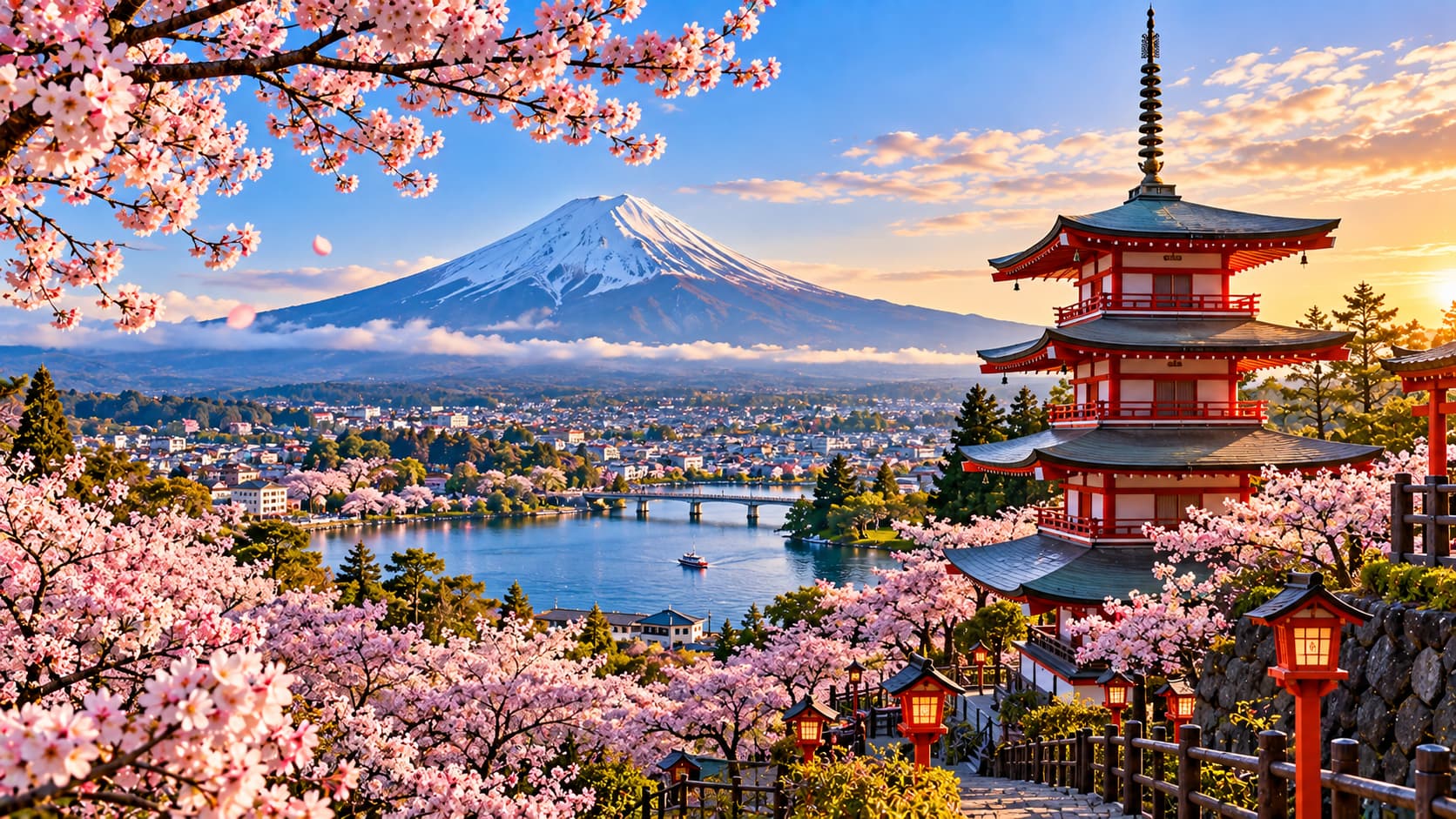
Tokyo can overwhelm the senses in the best possible way. Shibuya’s famous crossing, neon-lit neighborhoods, restaurants, shopping districts, temples, technology, and extraordinary public transportation create one of the world’s most dynamic cities.
High-speed Shinkansen trains connect Tokyo with destinations such as Kyoto, where temples, shrines, gardens, traditional neighborhoods, and historic architecture preserve another side of Japanese culture.
Fushimi Inari is famous for its thousands of vermilion torii gates, while Kinkaku-ji’s golden exterior reflects beautifully across its surrounding pond.
Mount Fuji remains Japan’s most recognizable natural symbol.
Osaka provides one of the country’s great food experiences, particularly through dishes such as takoyaki and okonomiyaki.
Hiroshima offers a powerful encounter with modern history and resilience, while Nara’s ancient temples and famous deer attract visitors from around the world.
Okinawa provides a tropical alternative with coral reefs, beaches, and a distinct Ryukyuan cultural heritage.
Cherry blossom season transforms cities and parks every spring, while hot springs, traditional inns, tea ceremonies, regional cuisine, and exceptional hospitality provide experiences throughout the year.
Japan’s greatest strength is its ability to preserve the past while continuously building the future.
Final Thoughts: Where Should You Travel in 2027?
The best countries to visit in 2027 are not defined by one type of experience.
Some travelers will dream of standing beneath the Northern Lights in Iceland or Norway. Others may prefer exploring the ancient monuments of Jordan, Peru, Greece, or Italy.
Food lovers can build entire journeys around France, Thailand, Vietnam, Japan, Spain, or Portugal. Adventure travelers may find their perfect destination among New Zealand’s mountains, Canada’s wilderness, Chilean Patagonia, or South Africa’s national parks.
And travelers seeking tropical escapes can explore the islands of Indonesia, Thailand, Sri Lanka, Croatia, or Greece.
What connects all 25 destinations is their ability to offer something memorable—a landscape, culture, meal, historic site, wildlife encounter, or simple human connection that stays with you long after the journey ends.
The world is enormous, and no single list can capture everything worth seeing.
But if 2027 is the year you want to explore somewhere new, these 25 countries are an excellent place to start.
Which country is at the top of your 2027 travel bucket list?
Have any thoughts?
Share your reaction or leave a quick response — we’d love to hear what you think!
-
 1
1
-
 0
0
-
 0
0
-
 0
0
-
 0
0
-
 0
0