
Italy is a country where every region feels like a world of its own. From the snow-covered peaks of the Alps to the turquoise waters of the Mediterranean, this remarkable European destination offers an extraordinary combination of natural beauty, ancient history, artistic masterpieces, and unforgettable culinary experiences.
While iconic cities such as Rome, Venice, and Florence attract millions of visitors, the true magic of Italy extends far beyond its famous landmarks. Medieval villages overlook rolling vineyards, colorful fishing towns cling to dramatic cliffs, and ancient ruins tell stories of civilizations that shaped European history.
Northern Italy is home to the magnificent Dolomites, romantic lakes, elegant cities, and world-renowned wine regions. Central Italy enchants visitors with Renaissance architecture, peaceful countryside, and historic hilltop towns. Southern Italy and its islands reveal sun-drenched beaches, rugged coastlines, ancient temples, and vibrant Mediterranean traditions.
Each of Italy’s regions has its own distinctive identity, reflected in its architecture, landscapes, cuisine, and local customs.
Whether you dream of exploring ancient Roman ruins, hiking through breathtaking mountain scenery, discovering charming coastal villages, or enjoying authentic Italian food, there is a region waiting to capture your imagination.
In this comprehensive Italy travel guide, we explore the 15 best regions to visit in Italy, highlighting the most beautiful destinations, cultural attractions, natural wonders, and experiences that make each region unique.
15. Marche – Italy’s Hidden Gem Between Mountains and Sea
Located between the Apennine Mountains and the Adriatic Sea, Marche is one of Italy’s most underrated travel destinations. This beautiful central Italian region combines rolling vineyards, medieval hilltop villages, Renaissance cities, spectacular mountains, and an inviting coastline.
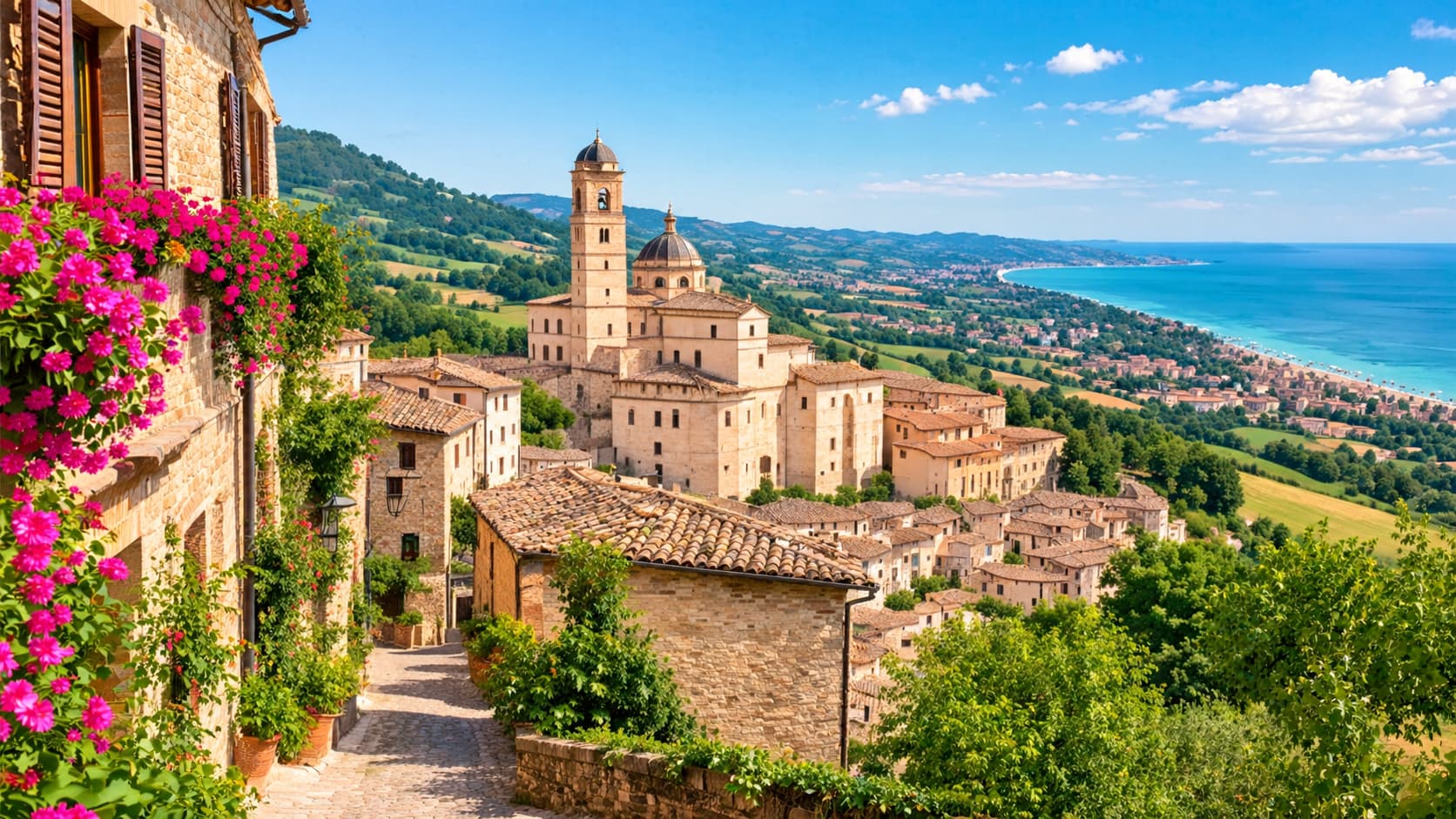
Unlike some of Italy’s more famous tourist regions, Marche offers a peaceful atmosphere where visitors can discover authentic Italian traditions without overwhelming crowds.
Best Places to Visit in Marche
Urbino is among the region’s greatest cultural treasures. Surrounded by historic defensive walls, this remarkable Renaissance city is the birthplace of the celebrated artist Raphael. Its magnificent Ducal Palace, winding stone streets, and panoramic viewpoints reflect its importance as one of Italy’s great artistic centers.
Along the Adriatic coast, the Conero Riviera offers a completely different landscape. Monte Conero rises dramatically above the sea, creating white limestone cliffs, secluded coves, and crystal-clear water. Beaches such as Due Sorelle are particularly admired for their natural beauty.
Nearby, Ancona combines the atmosphere of a historic port city with Roman remains and sweeping coastal views.
For nature lovers, the Sibillini Mountains provide opportunities to explore scenic hiking trails, wildflower-covered plateaus, deep valleys, and traditional mountain villages.
Another extraordinary attraction is the Frasassi Caves, an extensive underground world filled with enormous chambers, stalactites, and stalagmites.
Food and Local Experiences
Marche’s culinary traditions reflect its diverse geography. Visitors can enjoy fresh Adriatic seafood, traditional olive ascolane, regional pasta dishes, and excellent wines such as Verdicchio.
Why visit Marche? This region offers an exceptional balance of Renaissance art, untouched mountain landscapes, picturesque villages, vineyards, and beautiful beaches. It is ideal for travelers seeking a quieter and more authentic Italian experience.
14. Emilia-Romagna – Italy’s Culinary and Cultural Paradise
Emilia-Romagna is a region where extraordinary architecture, centuries of history, and world-famous cuisine come together.
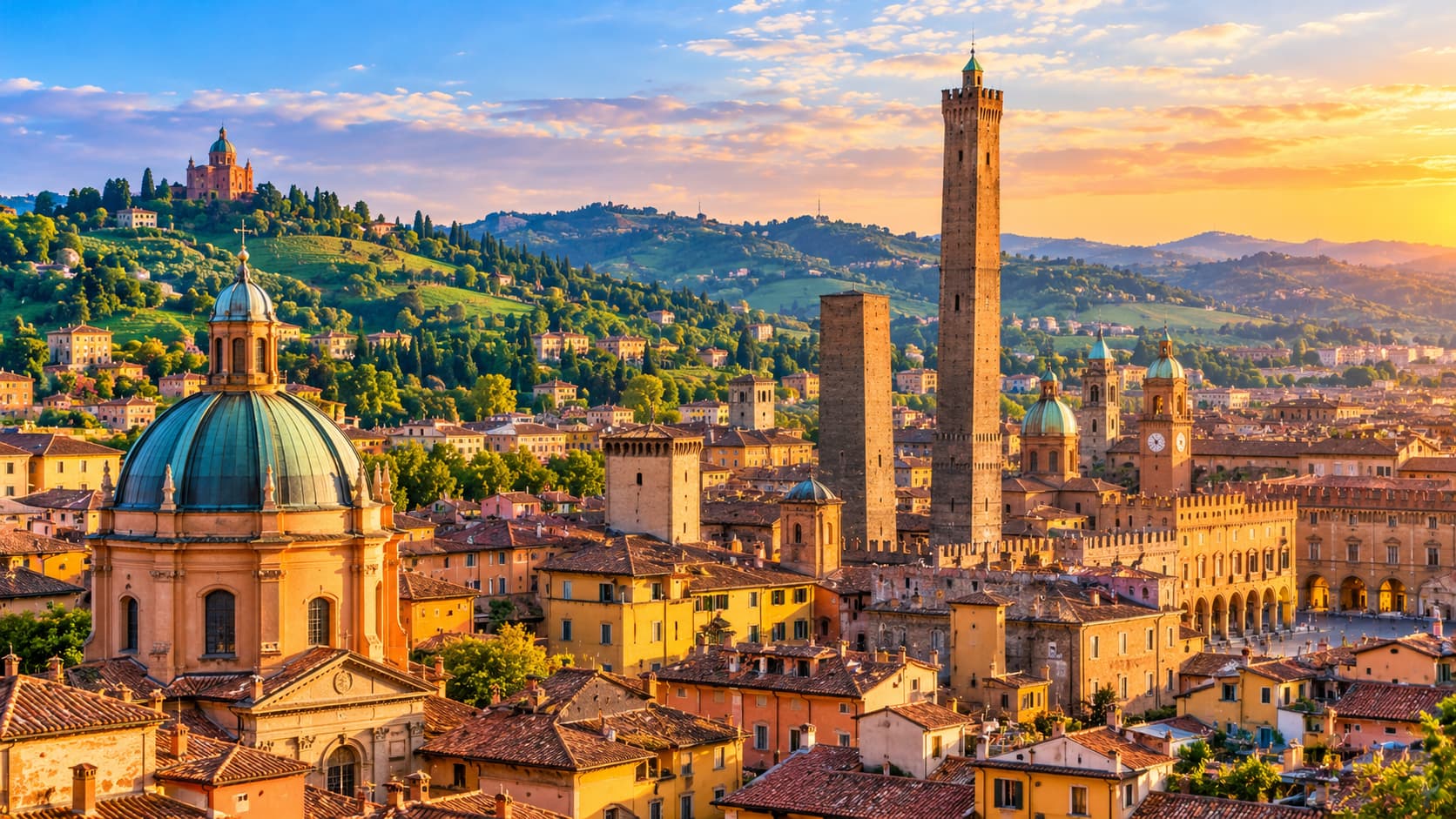
Stretching from the Apennine Mountains to the Adriatic coast, this northern Italian region features elegant cities, medieval towers, historic universities, seaside resorts, and fertile agricultural landscapes.
For food enthusiasts, Emilia-Romagna is undoubtedly one of the best regions to visit in Italy.
Best Places to Visit in Emilia-Romagna
The regional capital, Bologna, is instantly recognizable by its red rooftops, medieval towers, and extensive covered porticoes.
At the heart of the city, Piazza Maggiore is surrounded by magnificent historic buildings, including the impressive Basilica of San Petronio. Bologna is also home to one of the oldest universities in the Western world, giving the city a vibrant atmosphere that blends youthful energy with centuries of tradition.
Farther west, Parma is internationally celebrated for Parmigiano Reggiano cheese and Prosciutto di Parma.
Nearby, Modena is famous for traditional balsamic vinegar and its strong connection to Italian automotive heritage.
The historic city of Ravenna offers an entirely different cultural experience. Its extraordinary early Christian and Byzantine mosaics decorate churches and monuments that have survived for more than a thousand years.
Along the Adriatic coastline, Rimini combines long sandy beaches with important Roman landmarks, including the Arch of Augustus and Tiberius Bridge.
Food and Local Experiences
Emilia-Romagna is often considered one of Italy’s greatest culinary destinations.
Traditional dishes include freshly prepared tortellini, tagliatelle, regional cheeses, cured meats, and rich pasta sauces.
Local food traditions are deeply connected to family recipes and agricultural heritage, making culinary exploration an essential part of visiting the region.
Why visit Emilia-Romagna? Few destinations combine historic architecture, artistic treasures, beautiful countryside, and exceptional food so naturally.
13. Abruzzo – Wild Mountains and Authentic Italian Villages
Abruzzo is one of Italy’s most beautiful regions for travelers who appreciate dramatic mountain landscapes, medieval villages, and unspoiled nature.
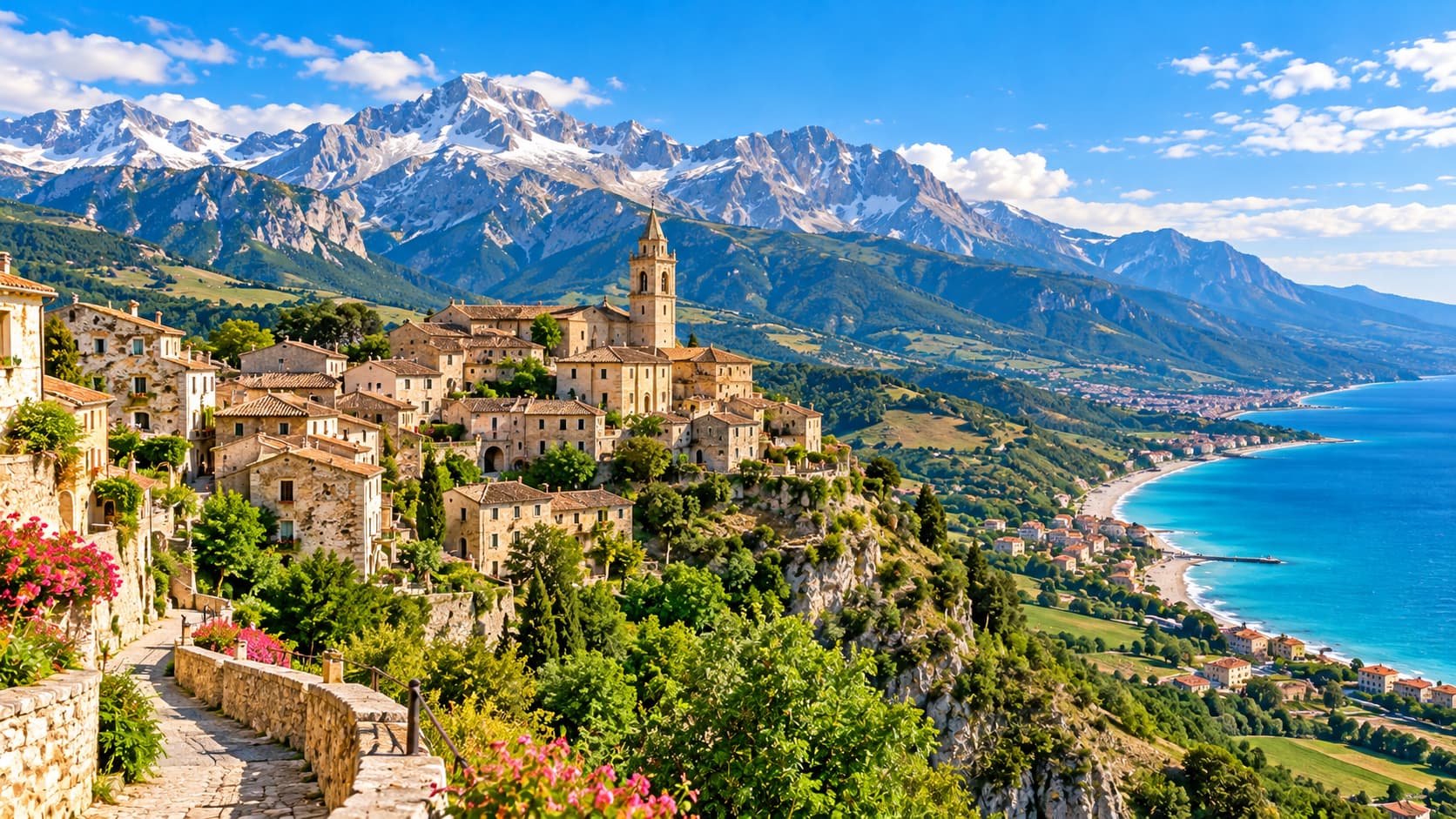
Situated in central Italy, the region stretches from the rugged Apennines to the Adriatic coastline.
Much of Abruzzo is protected by national and regional parks, preserving forests, mountain plateaus, wildlife habitats, and traditional rural communities.
Best Places to Visit in Abruzzo
The spectacular Gran Sasso mountain range dominates the region’s interior. Its highest summit, Corno Grande, is the tallest peak in the Apennines and mainland Italy.
Nearby, Campo Imperatore is an immense mountain plateau surrounded by distant peaks and open grasslands. Its dramatic scenery creates an atmosphere unlike almost anywhere else in Italy.
The regional capital, L’Aquila, features medieval and Renaissance architecture that reflects its rich historical heritage.
The beautiful mountain village of Santo Stefano di Sessanio preserves traditional stone houses, narrow streets, and a timeless atmosphere beneath the surrounding peaks.
Another fascinating destination is Sulmona, known for its elegant squares, Roman heritage, and colorful sugared almonds called confetti.
Along the Adriatic Sea, the Trabocchi Coast is famous for traditional wooden fishing structures extending over the water. Scenic beaches, secluded coves, and cycling routes make this coastline particularly appealing.
Food and Local Experiences
Abruzzo’s traditional cuisine reflects its agricultural and mountain heritage.
One of its most recognizable specialties is arrosticini, small skewers of grilled lamb. Regional cheeses, hearty pasta dishes, and Montepulciano d’Abruzzo wine are also essential parts of the local food culture.
Why visit Abruzzo? Travelers can explore spectacular mountain wilderness, discover centuries-old villages, visit protected natural landscapes, and relax beside the Adriatic Sea—all within one remarkably diverse region.
12. Piedmont – Alpine Scenery, Royal Palaces, and Famous Vineyards
Piedmont is one of northern Italy’s most sophisticated and scenic regions, combining majestic Alpine landscapes with historic cities, royal residences, and internationally acclaimed wine country.
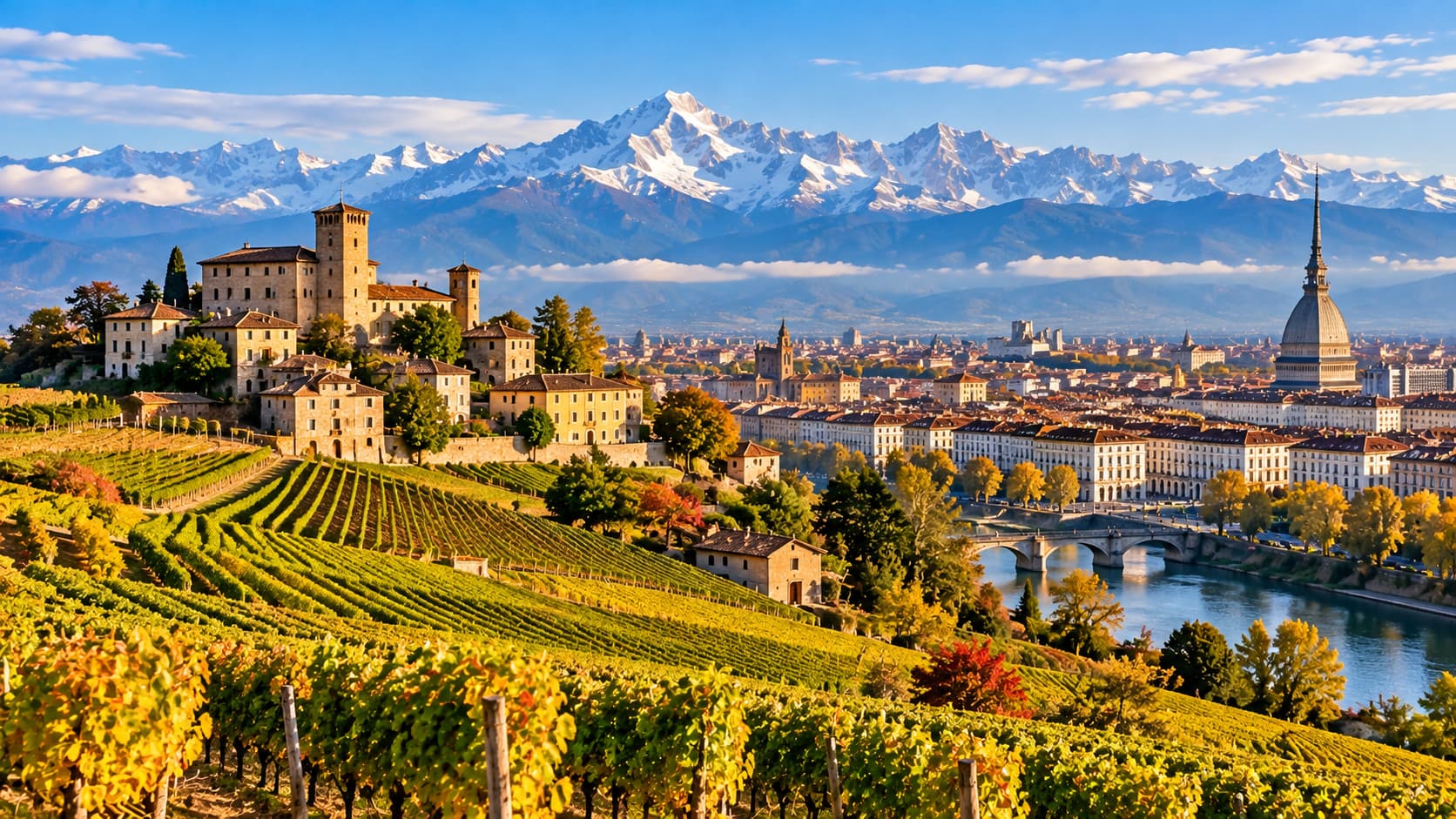
Bordering France and Switzerland, Piedmont offers a fascinating mixture of natural beauty, aristocratic heritage, and exceptional culinary traditions.
Best Places to Visit in Piedmont
The regional capital, Turin, is celebrated for its elegant boulevards, covered arcades, historic cafés, and impressive Baroque architecture.
Once the seat of the House of Savoy and the first capital of unified Italy, Turin preserves remarkable landmarks such as the Royal Palace and Palazzo Madama.
The iconic Mole Antonelliana dominates the skyline and remains one of the city’s most recognizable architectural symbols.
South of Turin, the beautiful landscapes of Langhe, Roero, and Monferrato unfold across vineyard-covered hills, historic castles, traditional farms, and medieval villages.
This UNESCO-listed wine-producing countryside is internationally famous for prestigious wines such as Barolo and Barbaresco.
The town of Alba is equally renowned for its highly prized white truffles.
Northern Piedmont offers another unforgettable experience around Lake Maggiore, where elegant villas, landscaped gardens, mountains, and picturesque lakeside communities create romantic scenery.
The nearby Borromean Islands are especially admired for their magnificent palaces and gardens.
The region’s Alpine valleys also provide excellent opportunities for hiking, skiing, and exploring traditional mountain villages.
Food and Local Experiences
Piedmont is a paradise for travelers interested in wine, regional gastronomy, and refined Italian culinary traditions.
Its famous vineyards, seasonal truffles, and historic food culture make the region particularly appealing to culinary travelers.
Why visit Piedmont? From Turin’s grand royal architecture to vineyard-covered hills and breathtaking Alpine lakes, Piedmont offers an elegant combination of culture, gastronomy, and natural beauty.
11. Umbria – The Green Heart of Italy
Known as the Green Heart of Italy, Umbria is a peaceful region filled with rolling hills, ancient churches, medieval towns, vineyards, and olive groves.
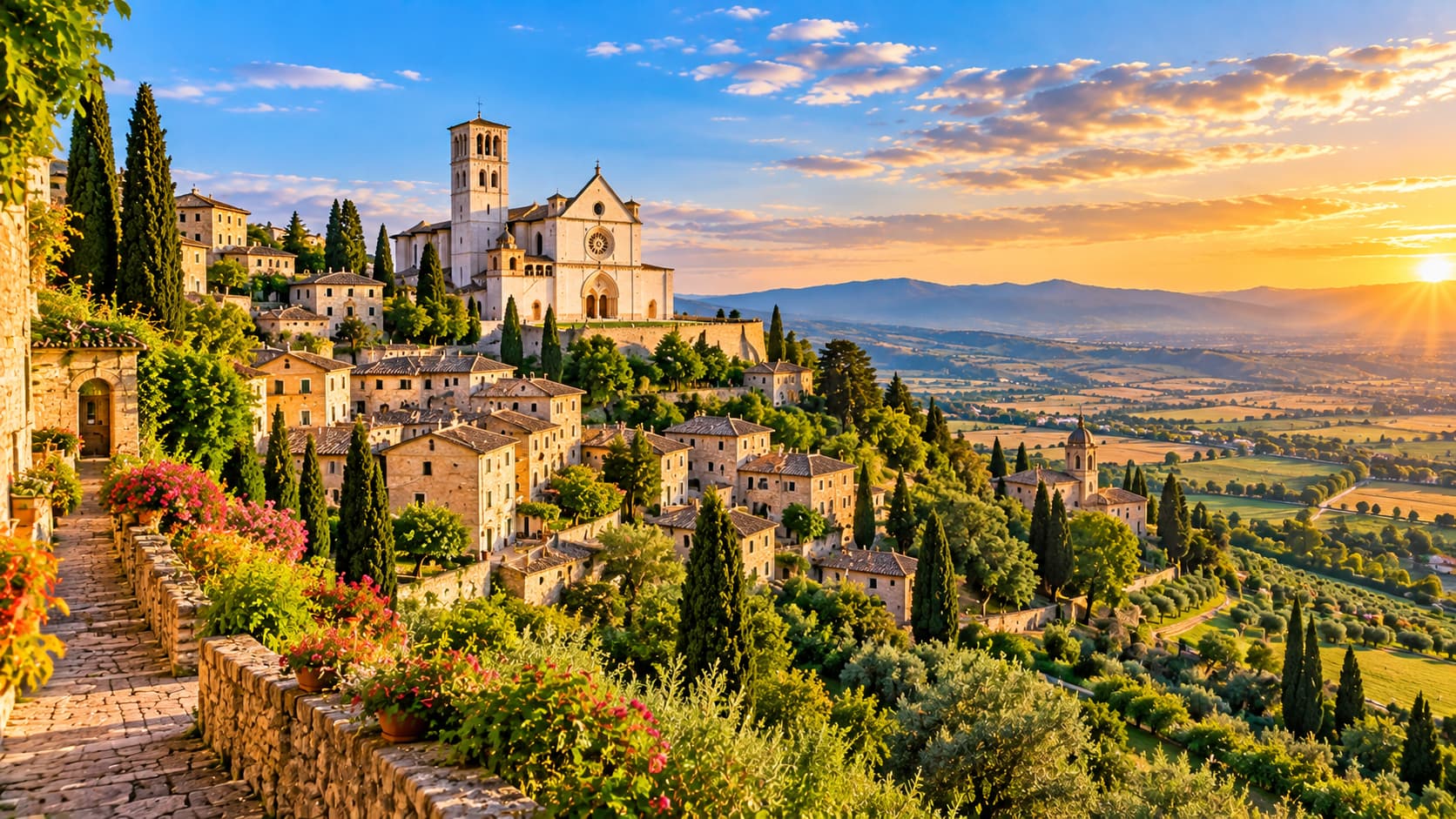
Located in central Italy and surrounded by Tuscany, Lazio, and Marche, Umbria has no coastline. Instead, its beauty comes from wooded mountains, fertile valleys, historic villages, and remarkably well-preserved cultural traditions.
Best Places to Visit in Umbria
The regional capital, Perugia, rises above the surrounding countryside behind ancient defensive walls.
Its historic center features winding stone streets, Gothic architecture, lively squares, and impressive landmarks such as Palazzo dei Priori and Fontana Maggiore.
Perugia is also famous for its chocolate-making traditions and internationally recognized jazz festival.
Farther east, Assisi is one of Italy’s most important spiritual destinations.
As the birthplace of St. Francis, the town attracts visitors from around the world. The magnificent Basilica of St. Francis contains extraordinary medieval frescoes and overlooks the beautiful Umbrian countryside.
The charming town of Spello is known for its flower-filled streets, historic buildings, and Roman remains.
Orvieto stands dramatically on a volcanic plateau above the surrounding vineyards and valleys. Its spectacular Gothic cathedral is one of central Italy’s greatest architectural masterpieces.
Nature lovers can explore the peaceful shores of Lake Trasimeno or admire Marmore Falls, where powerful waterfalls descend through a lush forested landscape near Terni.
Food and Local Experiences
Umbria’s cuisine is deeply connected to the countryside.
Traditional ingredients include truffles, olive oil, lentils, cured meats, and locally produced wines.
Why visit Umbria? Its peaceful medieval villages, historic pilgrimage routes, picturesque valleys, and authentic countryside make it an excellent destination for travelers seeking a slower Italian journey.
10. Puglia – Whitewashed Towns and Turquoise Mediterranean Waters
Puglia, also known as Apulia, is one of the most distinctive regions in southern Italy.
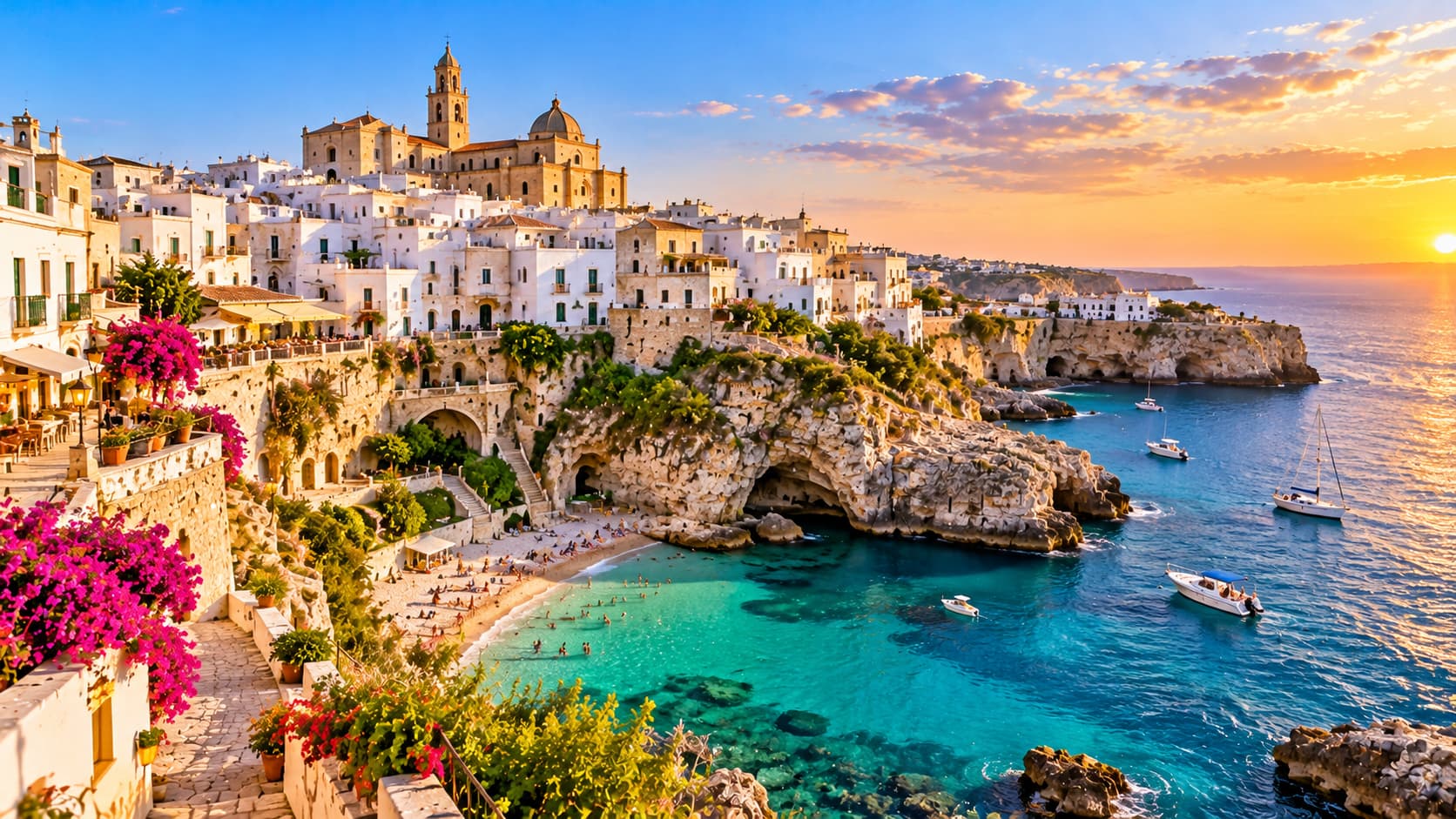
Forming the heel of the Italian Peninsula, this beautiful region stretches between the Adriatic and Ionian Seas.
Its landscape is defined by whitewashed villages, ancient olive groves, limestone cliffs, turquoise waters, and traditional Mediterranean architecture.
Best Places to Visit in Puglia
One of Puglia’s most recognizable destinations is Alberobello, famous for its extraordinary trulli houses.
These traditional white stone buildings feature distinctive conical roofs and create one of Italy’s most unusual architectural landscapes.
Nearby, the beautiful Valle d’Itria stretches across rolling countryside filled with olive trees, vineyards, traditional farmhouses, and picturesque towns such as Locorotondo and Martina Franca.
Along the Adriatic coast, Polignano a Mare stands dramatically above limestone cliffs overlooking brilliant blue water.
The beautiful town of Ostuni, often called the White City, rises above the surrounding countryside with its maze of whitewashed houses, narrow stairways, and charming hidden courtyards.
Farther south, the Salento Peninsula offers sandy beaches, rocky coves, historic communities, and beautiful Mediterranean scenery.
The city of Lecce is particularly famous for its elaborate Baroque architecture and richly decorated historic buildings.
Food and Local Experiences
Puglia’s cuisine celebrates fresh ingredients and traditional agricultural practices.
Visitors can enjoy orecchiette pasta, burrata cheese, focaccia, fresh seafood, regional wines, and locally produced olive oil.
Why visit Puglia? With its distinctive stone architecture, spectacular coastline, ancient olive groves, and relaxed Mediterranean atmosphere, Puglia offers an unforgettable experience in southern Italy.
9. Lazio – Ancient Rome and Timeless Italian History
Lazio is one of Italy’s most historically significant regions, offering an extraordinary combination of ancient Roman monuments, medieval hill towns, volcanic lakes, and Mediterranean coastline.
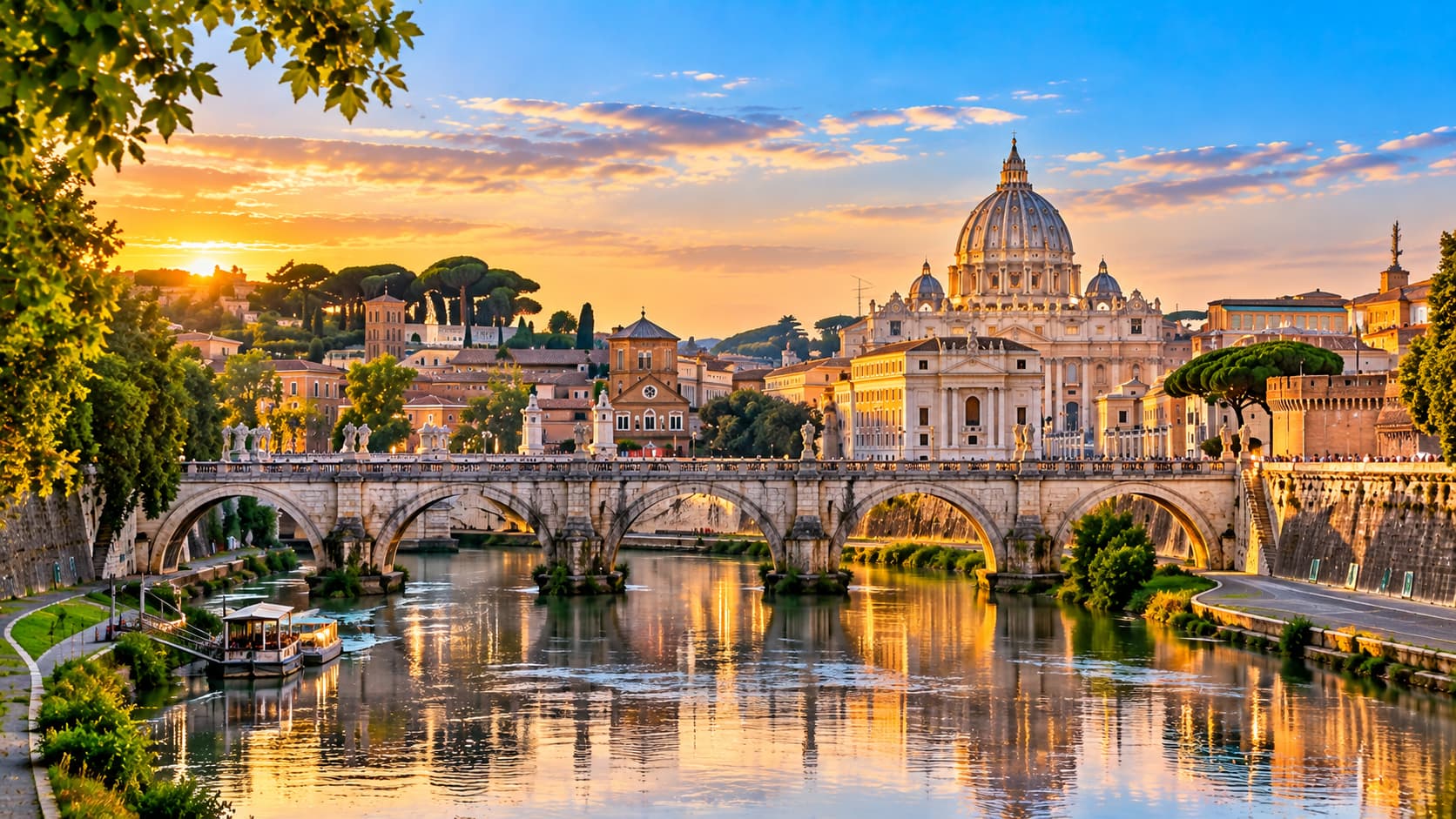
Although Rome is undoubtedly the region’s greatest attraction, Lazio also contains beautiful countryside, remarkable archaeological sites, elegant villas, and peaceful historic communities.
Best Places to Visit in Lazio
Rome, the Italian capital, is one of the world’s most extraordinary historic cities.
Its iconic landmarks include the Colosseum, Roman Forum, Pantheon, Trevi Fountain, and Piazza Navona.
Together, these monuments reveal different chapters of a city shaped by more than two thousand years of history.
Within Rome lies the independent state of Vatican City, home to St. Peter’s Basilica, the Vatican Museums, and the magnificent Sistine Chapel.
Beyond the capital, Tivoli offers spectacular Renaissance architecture and gardens.
The famous Villa d’Este is celebrated for its elaborate fountains and beautifully designed gardens, while nearby Hadrian’s Villa preserves the extensive remains of an imperial Roman retreat.
North of Rome, Civita di Bagnoregio rises dramatically above an eroded hilltop, connected to the surrounding landscape by a long pedestrian bridge.
The peaceful waters of Lake Bolsena fill an ancient volcanic basin surrounded by traditional towns and beautiful countryside.
Along the coast, visitors can discover sandy beaches, fishing communities, and important archaeological sites.
Among the most fascinating is Ostia Antica, the remarkably preserved ancient port city associated with Rome.
Food and Local Experiences
Exploring Lazio provides opportunities to experience traditional Roman cuisine, historic markets, local food culture, and centuries-old culinary customs.
Why visit Lazio? Beyond Rome’s world-famous monuments, the region offers volcanic lakes, medieval villages, magnificent villas, and landscapes filled with thousands of years of history.
8. Lombardy – Romantic Lakes, Alpine Mountains, and Elegant Cities
Lombardy is one of Italy’s most diverse northern regions, combining cosmopolitan cities, romantic lakes, Alpine mountains, and beautiful historic villages.
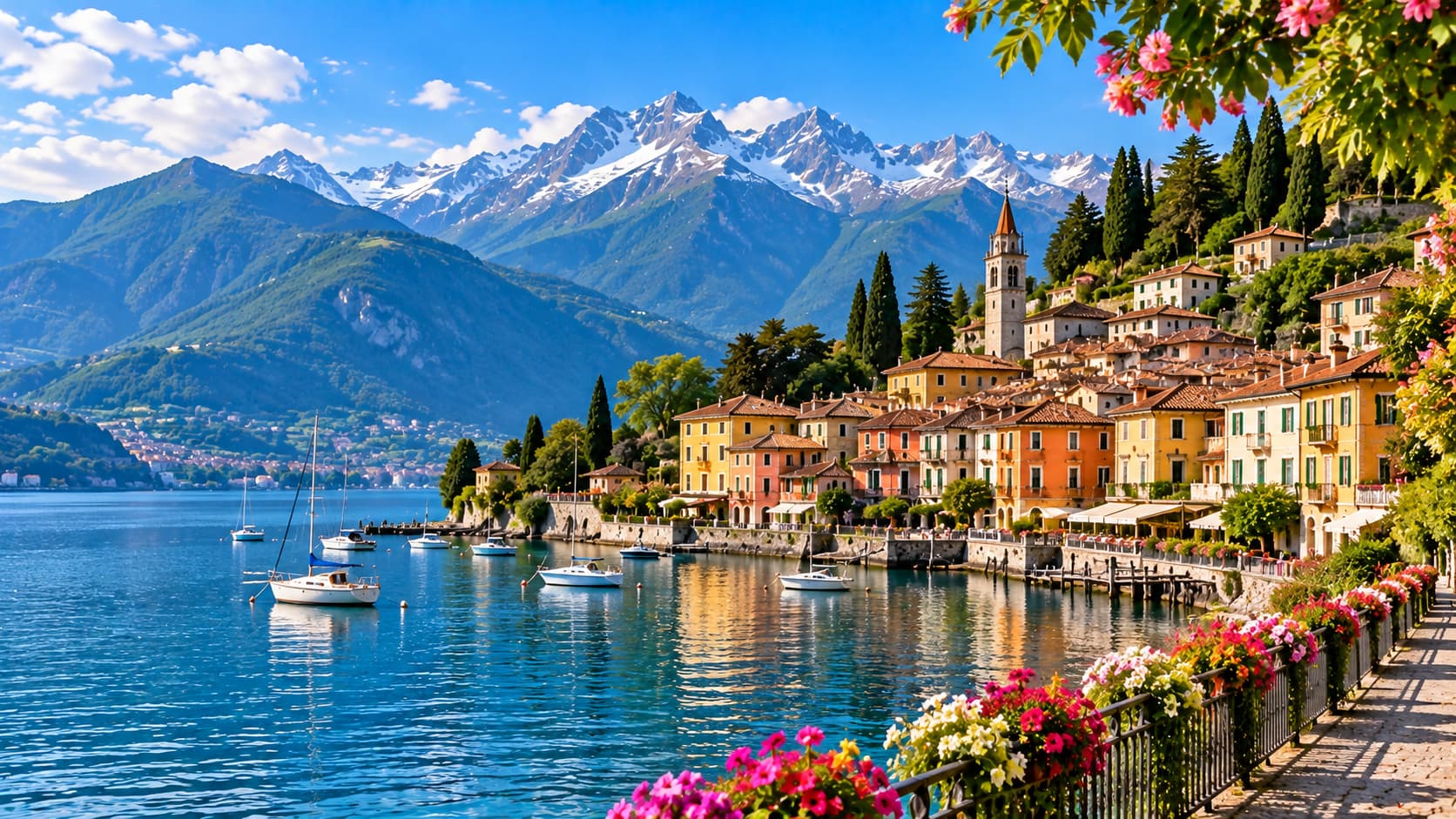
Stretching from the Swiss border to the fertile plains of northern Italy, Lombardy offers world-class art, sophisticated architecture, mountain adventures, and some of Europe’s most celebrated lakeside scenery.
Best Places to Visit in Lombardy
Milan, Lombardy’s largest city and economic center, is internationally recognized for fashion, design, art, and architecture.
The magnificent Milan Cathedral dominates the city center with its elaborate Gothic spires and thousands of sculptural decorations.
Nearby, the elegant Galleria Vittorio Emanuele II is one of Europe’s most beautiful historic shopping arcades.
Milan is also home to Leonardo da Vinci’s celebrated masterpiece, The Last Supper.
North of the city, Lake Como offers one of the most romantic landscapes in Italy.
Steep mountains descend toward deep blue water, while historic villas, beautiful gardens, and picturesque villages line the shores.
Bellagio occupies a spectacular position where the lake divides into separate branches, while Varenna charms visitors with colorful houses and peaceful waterfront paths.
Lake Garda is another magnificent destination, surrounded by mountains, vineyards, historic towns, and elegant resorts.
The beautiful city of Bergamo deserves special attention for its historic Città Alta, enclosed by impressive Venetian defensive walls.
Farther north, Alpine destinations such as Bormio provide spectacular mountain scenery, skiing, hiking, and relaxing thermal springs.
Food and Local Experiences
Lombardy offers a sophisticated blend of city culture, lakeside dining, traditional regional food, and mountain hospitality.
Why visit Lombardy? From Milan’s magnificent cathedral and fashionable streets to peaceful lakeside villages and dramatic Alpine valleys, Lombardy reveals some of northern Italy’s most unforgettable scenery.
7. Sardinia – Spectacular Beaches and Ancient Island Traditions
Sardinia is a breathtaking Mediterranean island known for its turquoise coves, white sandy beaches, rugged mountains, and mysterious prehistoric monuments.
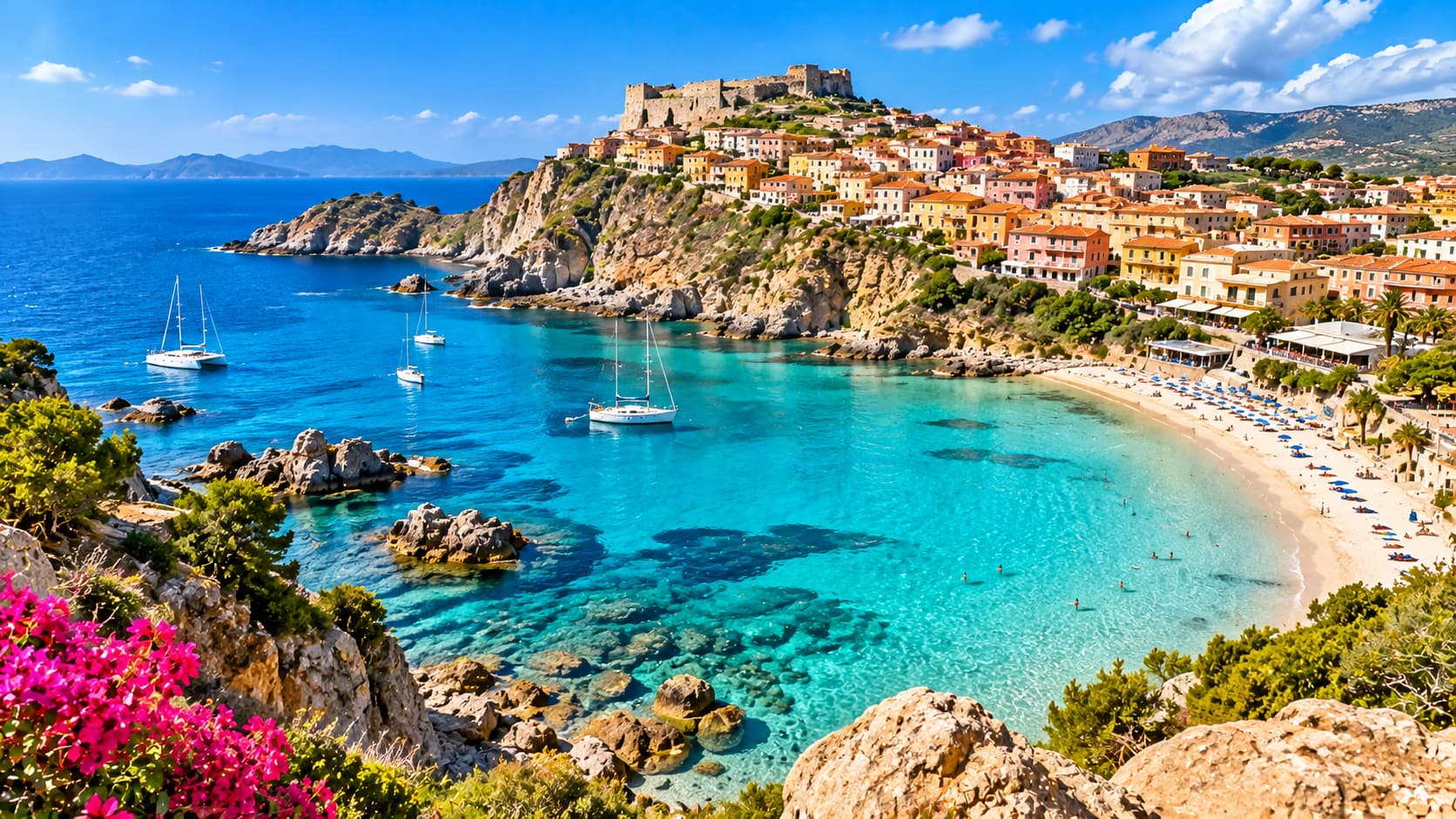
Located west of the Italian Peninsula, Sardinia has developed a distinctive cultural identity shaped by ancient civilizations, traditional communities, and its island geography.
While its spectacular coastline attracts visitors from around the world, the island’s mountainous interior reveals another fascinating side of Sardinian life.
Best Places to Visit in Sardinia
The glamorous Costa Smeralda, located in northeastern Sardinia, is famous for crystal-clear water, granite rock formations, secluded bays, and elegant coastal resorts.
Beautiful beaches can also be found around Villasimius, where pale sand and inviting Mediterranean waters create idyllic seaside scenery.
The spectacular Gulf of Orosei features dramatic limestone cliffs, secluded beaches, and some of Sardinia’s most impressive natural landscapes.
Among its most extraordinary coastal destinations is Cala Goloritzé, a beautiful cove surrounded by towering limestone formations.
The regional capital, Cagliari, overlooks Sardinia’s southern coastline.
Its historic Castello district contains medieval streets, ancient towers, churches, and panoramic viewpoints overlooking the city and sea.
On the northwest coast, Alghero reflects strong Catalan influences through its historic architecture, fortified walls, and cultural traditions.
Sardinia’s mountainous Barbagia region preserves traditional villages, pastoral landscapes, local crafts, and festivals connected to the island’s cultural heritage.
One of the island’s most remarkable archaeological features is its collection of ancient nuraghi.
These mysterious stone towers were constructed by the Nuragic civilization, with Su Nuraxi at Barumini representing one of the most celebrated surviving examples.
Food and Local Experiences
Sardinia offers a distinctive culinary heritage influenced by both coastal communities and inland pastoral traditions.
Its regional dishes, traditional crafts, historic festivals, and archaeological treasures make the island much more than a beach destination.
Why visit Sardinia? The combination of spectacular Mediterranean beaches, ancient ruins, mountain villages, and unique island culture makes Sardinia one of Italy’s most remarkable destinations.
6. Liguria – Colorful Villages Along the Italian Riviera
Liguria is one of Italy’s most picturesque coastal regions, famous for colorful villages, historic fishing harbors, dramatic cliffs, and beautiful Mediterranean views.
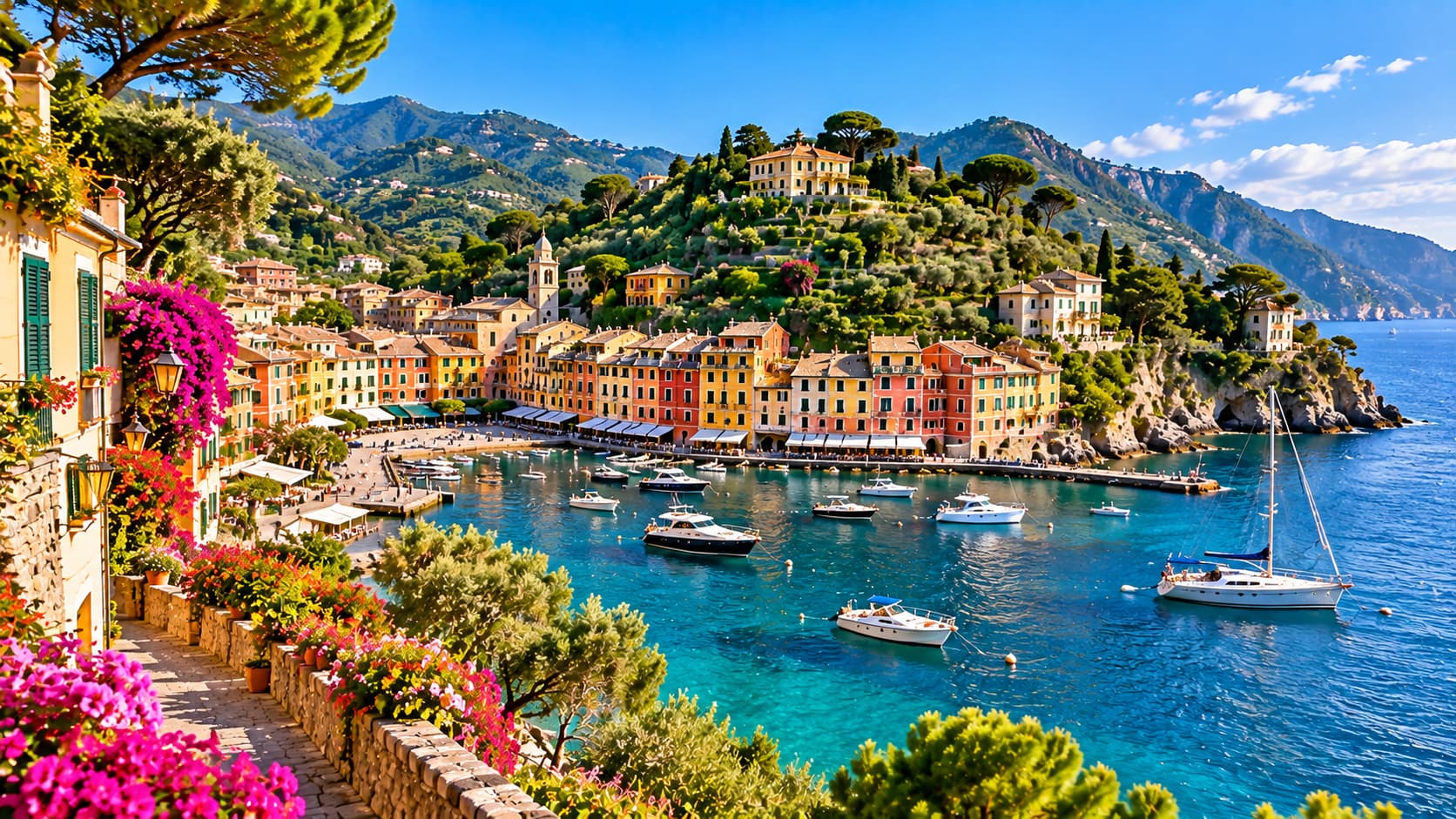
Stretching along the northwestern coastline between France and Tuscany, this narrow region is widely associated with the Italian Riviera.
Here, mountains descend almost directly into the sea, creating extraordinary scenery filled with terraced vineyards, pastel-colored houses, secluded coves, and charming seaside communities.
Best Places to Visit in Liguria
The world-famous Cinque Terre is undoubtedly Liguria’s most recognizable destination.
This spectacular coastal area consists of five historic villages: Monterosso al Mare, Vernazza, Corniglia, Manarola, and Riomaggiore.
Surrounded by steep terraced hillsides, the villages are connected by rail services and a network of walking trails and coastal routes.
Their colorful houses, picturesque harbors, and dramatic seaside locations create some of Italy’s most celebrated landscapes.
Farther along the coast, Portofino surrounds a small, beautiful harbor backed by green hills and elegant waterfront buildings.
Nearby, Santa Margherita Ligure offers attractive seaside streets, historic architecture, and convenient access to surrounding coastal destinations.
The regional capital, Genoa, reveals another important part of Liguria’s history.
Once a powerful maritime republic, Genoa preserves an extensive historic center filled with narrow lanes, churches, markets, grand palaces, and lively squares.
The magnificent Palazzi dei Rolli reflect the prosperity of the city’s influential merchant families.
Food and Local Experiences
Liguria is closely associated with traditional Italian coastal cuisine.
Genoa is particularly famous as the birthplace of pesto, traditionally prepared with fragrant local basil.
Focaccia, fresh seafood, and regional olive oil are also essential elements of Ligurian gastronomy.
Why visit Liguria? Its colorful coastal villages, dramatic Mediterranean scenery, historic ports, and delicious cuisine make Liguria one of the most visually captivating regions in Italy.
5. Veneto – Romantic Venice, Historic Cities, and the Dolomites
Veneto is one of Italy’s most culturally rich and geographically diverse regions.
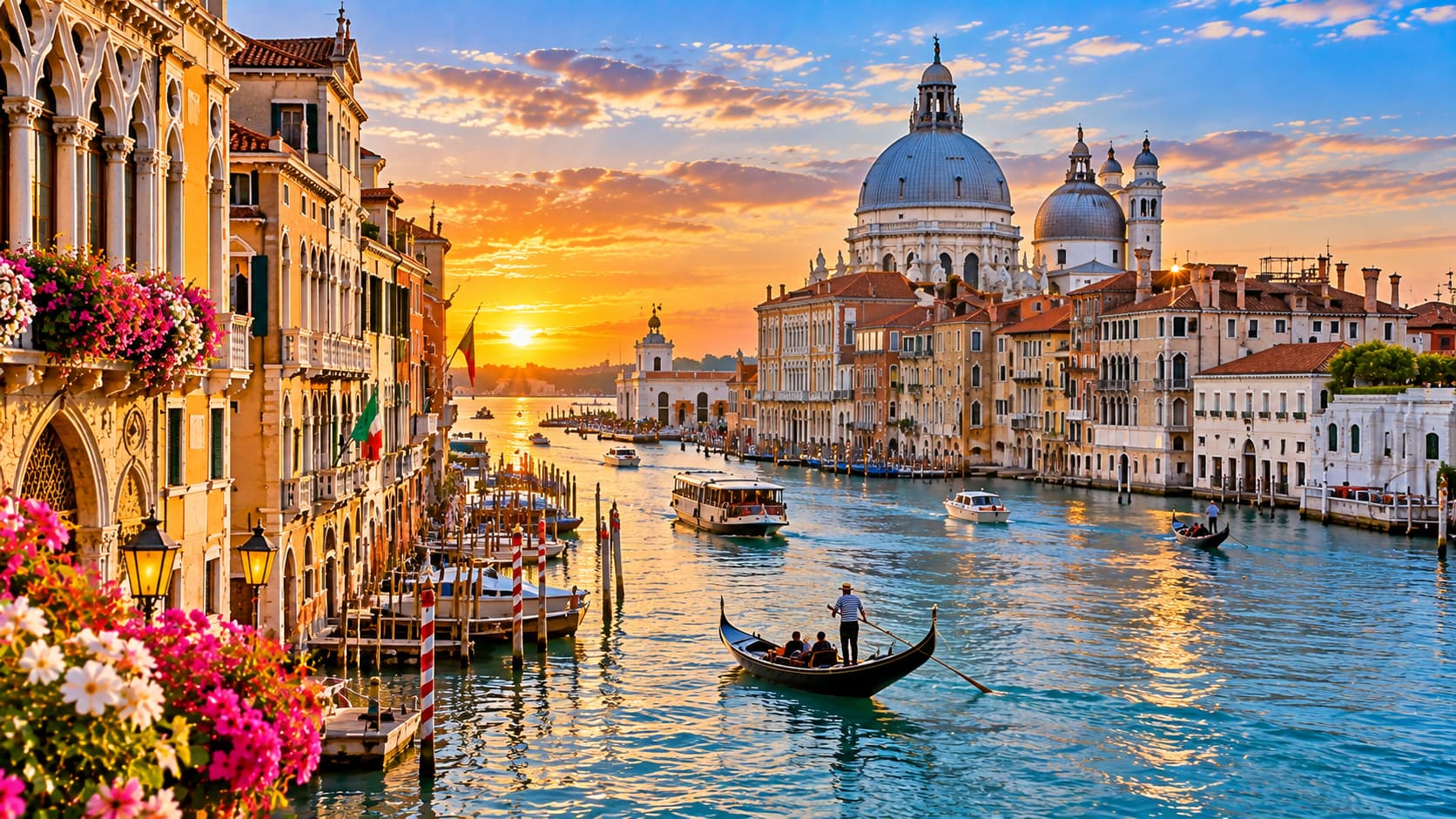
Located in northeastern Italy, it stretches from the Adriatic coastline toward the magnificent Dolomites.
The region combines romantic canals, Renaissance architecture, ancient Roman landmarks, vineyard-covered hills, and spectacular Alpine landscapes.
Best Places to Visit in Veneto
Venice is Veneto’s most famous destination and one of the world’s most extraordinary cities.
Built across more than one hundred islands, Venice is defined by its network of canals, historic bridges, and magnificent waterfront palaces.
Iconic attractions include St. Mark’s Square, St. Mark’s Basilica, the Doge’s Palace, and the Grand Canal.
These remarkable landmarks reflect centuries of prosperity during the era of the powerful Venetian Republic.
Beyond the most visited areas, Venice also offers quieter neighborhoods, traditional workshops, charming stone bridges, and hidden squares.
Inland, Verona combines Roman heritage with medieval architecture along the Adige River.
Its remarkably preserved Roman Arena continues to host performances, while historic piazzas and elegant streets give the city a romantic atmosphere.
Padua is another major cultural destination, famous for the Basilica of St. Anthony and Giotto’s extraordinary frescoes inside the Scrovegni Chapel.
Farther north, Cortina d’Ampezzo sits among the magnificent peaks of the Dolomites.
The surrounding mountains provide spectacular hiking routes, scenic passes, and unforgettable Alpine views.
Veneto is also internationally associated with Prosecco, produced among the beautiful vineyard-covered hills surrounding Conegliano and Valdobbiadene.
Food and Local Experiences
Veneto offers a rich combination of regional cuisine, historic wine traditions, romantic canal-side experiences, and Alpine outdoor activities.
Why visit Veneto? Few Italian regions offer such dramatic contrasts between iconic cities, ancient monuments, picturesque vineyards, and spectacular mountain landscapes.
4. Sicily – Ancient Civilizations, Volcanoes, and Mediterranean Beauty
Sicily is the largest island in the Mediterranean and one of Italy’s most fascinating travel destinations.
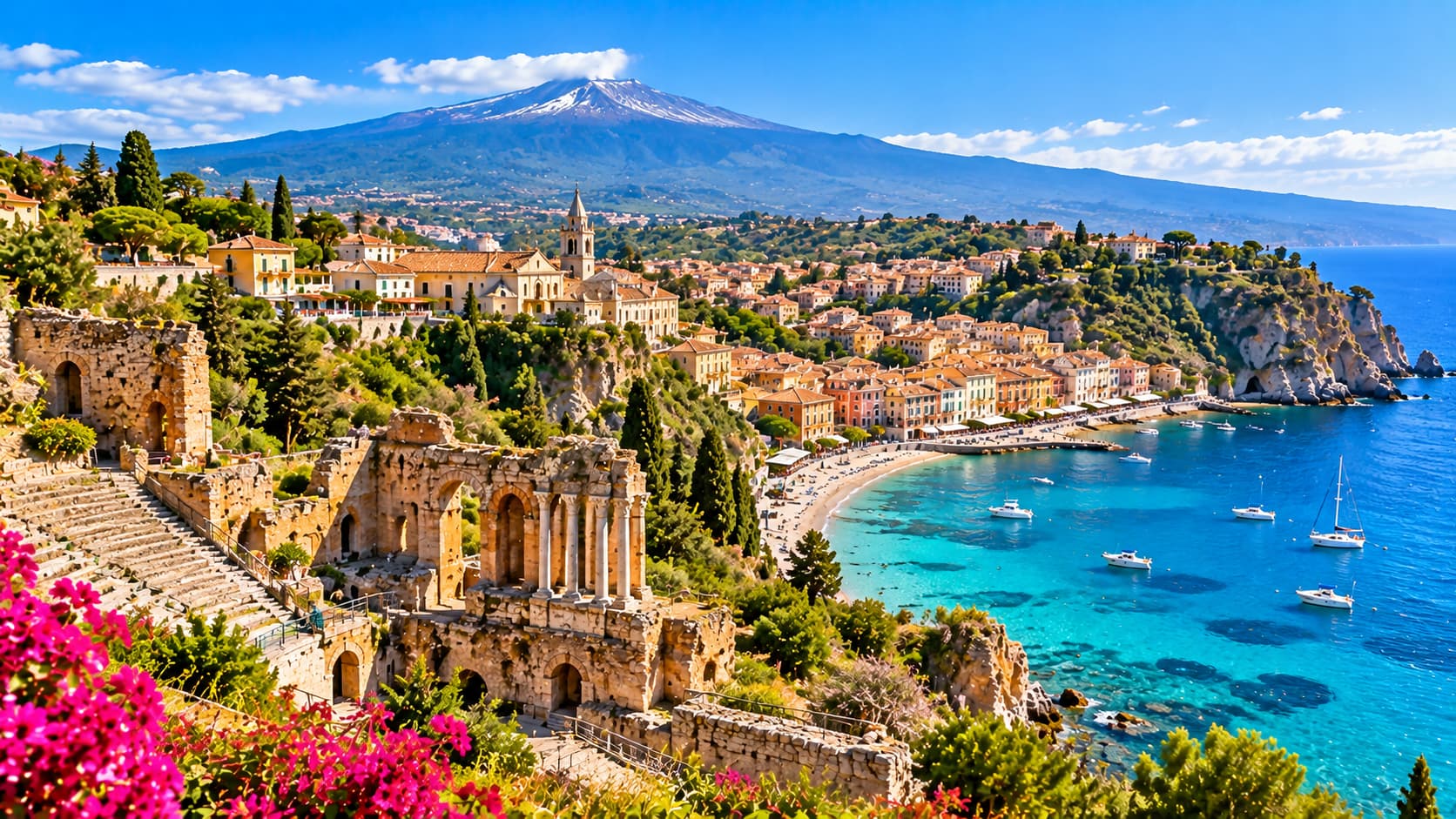
Its extraordinary landscapes combine ancient temples, elegant Baroque cities, dramatic volcanoes, rugged mountains, and beautiful turquoise coastlines.
Throughout history, Sicily has been influenced by Greek, Roman, Arab, Norman, and other civilizations.
These diverse cultural influences remain visible in the island’s architecture, cuisine, traditions, and archaeological heritage.
Best Places to Visit in Sicily
The regional capital, Palermo, is a vibrant city filled with historic markets, grand churches, impressive palaces, and remarkable Arab-Norman architecture.
Important landmarks such as Palermo Cathedral and the Palatine Chapel demonstrate the island’s rich history of cultural exchange.
On Sicily’s eastern side, Mount Etna dominates the landscape.
As Europe’s highest active volcano, Etna creates a dramatic natural backdrop for nearby cities and villages.
At the foot of the volcano, Catania is known for its dark volcanic stone architecture, historic squares, and lively urban atmosphere.
Nearby, Taormina combines elegant streets with spectacular Mediterranean views.
Its ancient Greek theater is especially famous for its breathtaking setting overlooking the sea and Mount Etna.
Farther south, Syracuse preserves an extraordinary collection of ancient Greek and Roman heritage.
The beautiful island of Ortigia, forming the city’s historic center, features narrow streets, Baroque buildings, waterfront promenades, and a cathedral incorporating elements of an ancient Greek temple.
Near Agrigento, the magnificent Valley of the Temples contains some of the finest surviving ancient Greek monuments in the Mediterranean.
These remarkable temples stand above a beautiful landscape of olive and almond trees.
Food and Local Experiences
Sicily’s cuisine reflects centuries of cultural interaction and its rich Mediterranean agricultural heritage.
Exploring traditional markets, local restaurants, coastal communities, and historic villages offers a deeper understanding of the island’s distinctive identity.
Why visit Sicily? With its active volcanoes, ancient archaeological treasures, beautiful beaches, vibrant cities, and multicultural heritage, Sicily feels like an entire world waiting to be discovered.
3. Campania – The Amalfi Coast, Pompeii, and Naples
Campania is one of southern Italy’s most captivating regions, famous for its dramatic coastline, ancient Roman cities, colorful villages, Mediterranean islands, and the unmistakable silhouette of Mount Vesuvius.
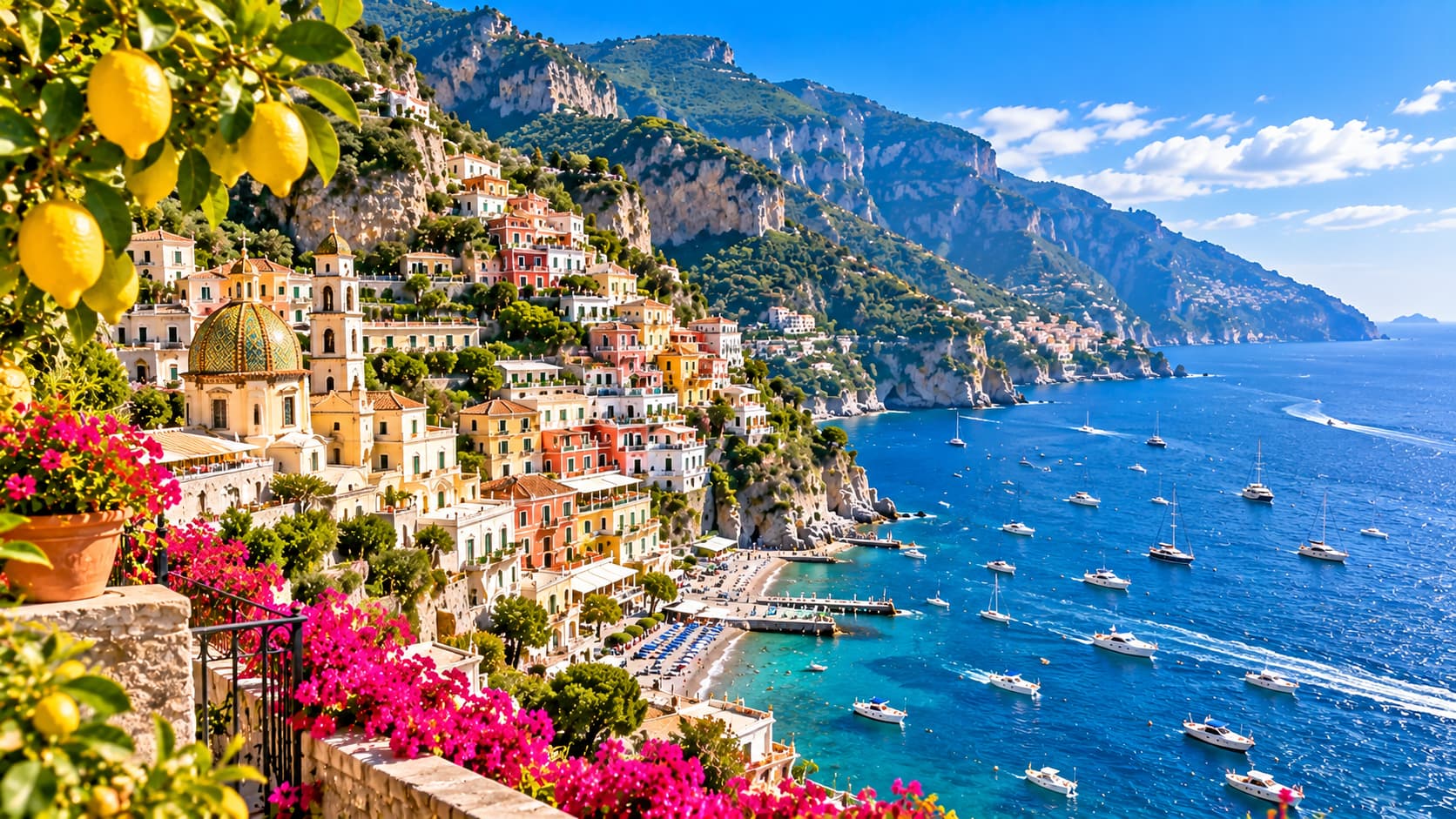
Stretching along the Tyrrhenian Sea, Campania combines spectacular natural scenery with extraordinary archaeological sites and a vibrant culinary culture.
Best Places to Visit in Campania
Naples is the energetic cultural heart of Campania.
Its historic center is filled with narrow streets, Baroque churches, lively markets, underground passages, and traditional pizzerias.
The city is closely associated with the origins of modern pizza, making food an essential part of the Neapolitan experience.
Nearby, Pompeii is one of the world’s most extraordinary archaeological destinations.
Buried during the eruption of Mount Vesuvius in AD 79, the ancient city preserves streets, houses, temples, and public buildings that provide a remarkable glimpse into everyday Roman life.
The nearby archaeological site of Herculaneum offers another fascinating example of a Roman settlement destroyed by the same eruption.
Along the coastline, the famous Amalfi Coast is celebrated for its dramatic cliffs, winding roads, lemon groves, and spectacular Mediterranean views.
Beautiful towns such as Positano, Amalfi, and Ravello rise above the sea, their colorful buildings creating unforgettable coastal scenery.
Offshore, Capri is famous for its towering cliffs, sea caves, elegant streets, and panoramic walking trails.
The nearby island of Ischia offers beautiful beaches, volcanic landscapes, and relaxing thermal springs.
Food and Local Experiences
Campania’s cuisine is among the most recognizable in Italy.
Traditional Neapolitan pizza, fresh Mediterranean ingredients, and regional culinary customs play an important role in everyday life.
Why visit Campania? The combination of ancient Roman ruins, dramatic volcanic landscapes, charming coastal villages, Mediterranean islands, and celebrated cuisine makes Campania one of Italy’s most rewarding destinations.
2. Trentino-Alto Adige – Spectacular Dolomites and Alpine Lakes
Trentino-Alto Adige, also known as Trentino-South Tyrol, is one of Italy’s most spectacular mountain regions.
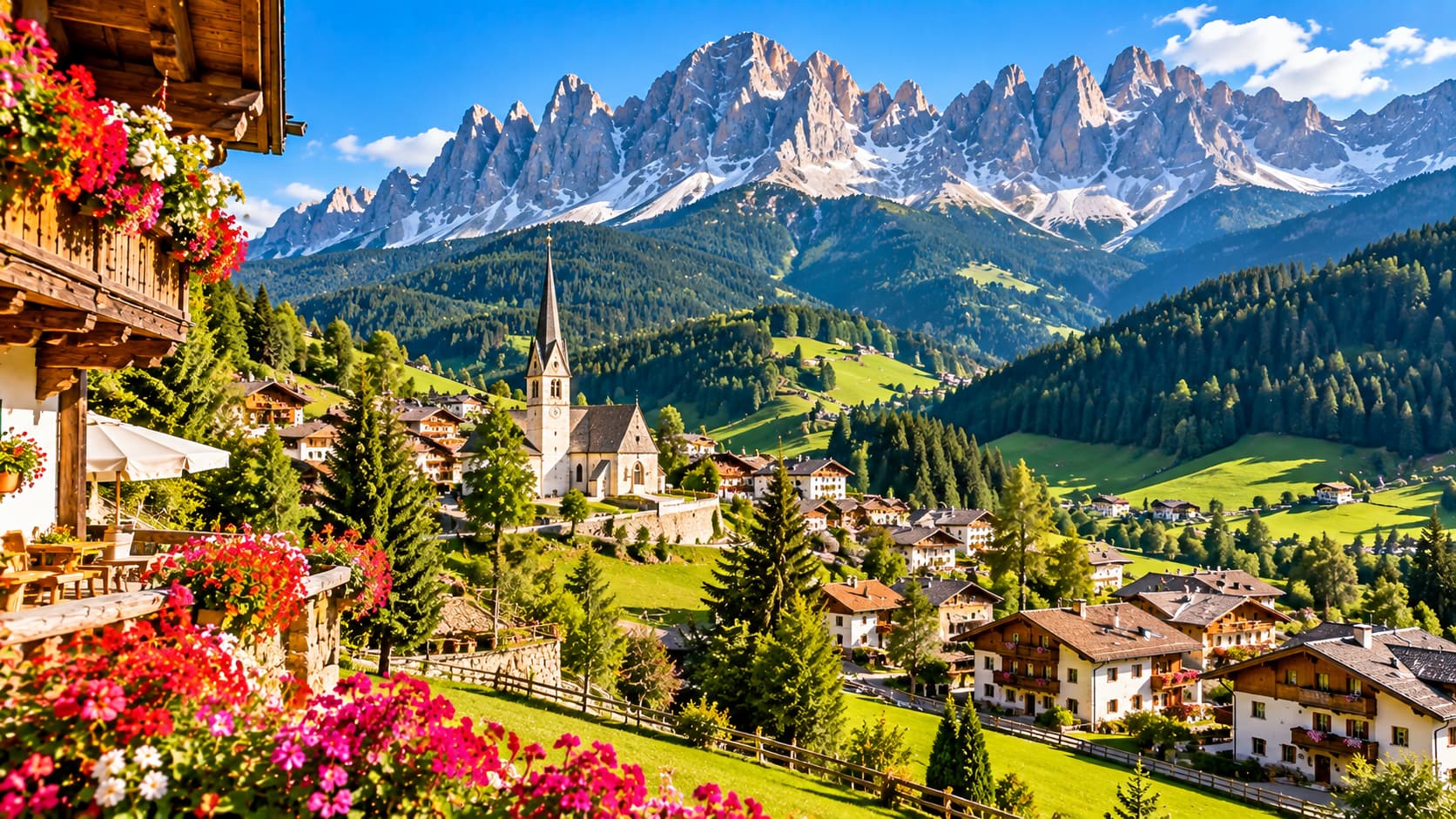
Located in northern Italy along the borders with Austria and Switzerland, this beautiful region combines dramatic Dolomite peaks, emerald lakes, Alpine villages, medieval castles, and vineyard-covered valleys.
Its distinctive cultural identity reflects a fascinating blend of Italian and Central European influences.
Italian and German are widely spoken, while traditional architecture, local customs, and regional cuisine reveal the area’s multicultural heritage.
Best Places to Visit in Trentino-Alto Adige
The magnificent Dolomites dominate much of the region’s landscape.
Around Val Gardena, jagged mountain peaks rise above green meadows, traditional wooden chalets, and picturesque Alpine villages.
The charming village of Ortisei is particularly popular for its beautiful mountain surroundings.
Farther east, the iconic Tre Cime di Lavaredo form one of the most recognizable mountain landscapes in the Alps.
The city of Bolzano reflects the region’s multicultural identity through colorful buildings, historic arcades, lively markets, and a mixture of Italian and Austrian traditions.
Its archaeological museum is home to Ötzi, the remarkably preserved Copper Age mummy discovered in the Alps.
To the south, Trento features Renaissance architecture, historic squares, and the impressive Buonconsiglio Castle.
The elegant town of Merano is known for its gardens, vineyards, attractive architecture, and long tradition of thermal bathing.
The region also contains some of Italy’s most beautiful Alpine lakes.
Lago di Braies is surrounded by towering mountains, while Lake Carezza is famous for its striking colors and peaceful forest setting.
During winter, the region becomes a major destination for skiing and other snow sports.
In summer, visitors can enjoy hiking, cycling, scenic mountain drives, and breathtaking Alpine landscapes.
Food and Local Experiences
Trentino-Alto Adige offers a distinctive combination of Italian and Central European culinary traditions.
Its historic towns, mountain communities, vineyards, and traditional hospitality provide a cultural experience unlike many other parts of Italy.
Why visit Trentino-Alto Adige? Spectacular mountain peaks, pristine Alpine lakes, picturesque villages, and a unique multicultural identity make this region an unforgettable destination for nature lovers and outdoor enthusiasts.
1. Tuscany – Italy’s Most Iconic Countryside and Renaissance Heritage
Tuscany is one of Italy’s most celebrated regions, renowned for its rolling hills, cypress-lined roads, medieval villages, magnificent vineyards, and extraordinary Renaissance masterpieces.
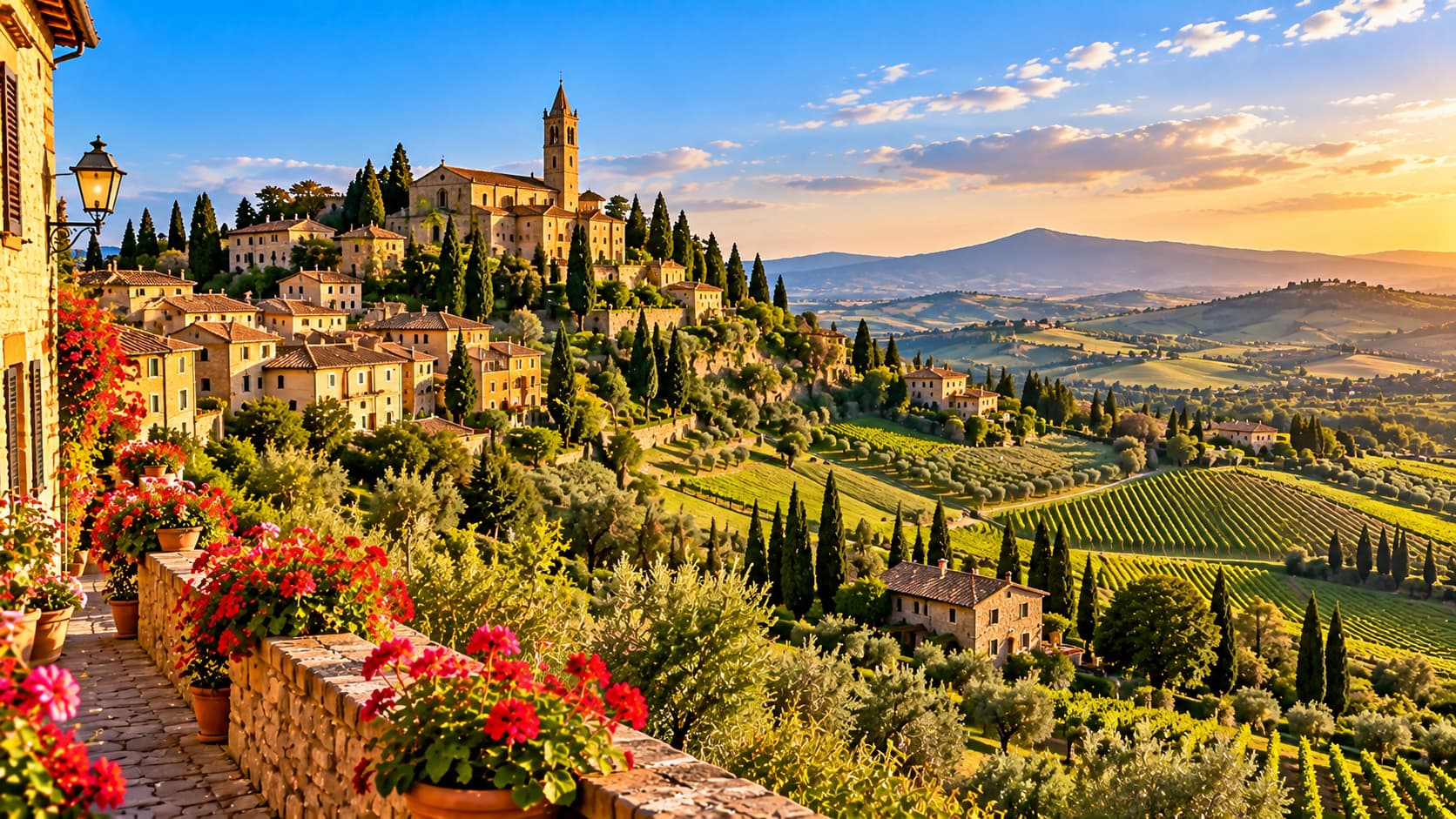
Located in central Italy, Tuscany combines world-famous historic cities with peaceful countryside, traditional cuisine, artistic treasures, and a beautiful coastline overlooking the Tyrrhenian Sea.
For travelers seeking the classic Italian experience, Tuscany is one of the best regions to visit in Italy.
Best Places to Visit in Tuscany
Florence is Tuscany’s cultural centerpiece and one of the most important cities in the history of the Renaissance.
The magnificent Cathedral of Santa Maria del Fiore dominates the skyline with its extraordinary dome and beautiful architectural details.
The famous Uffizi Gallery houses masterpieces associated with celebrated artists such as Botticelli, Leonardo da Vinci, and Michelangelo.
Another iconic landmark is the historic Ponte Vecchio, one of Florence’s most recognizable bridges.
Beyond Florence, Siena preserves a remarkably atmospheric medieval center.
Its beautiful Piazza del Campo is the heart of the city and the setting for the famous Palio horse race.
Nearby, San Gimignano rises above the Tuscan countryside with its distinctive medieval towers.
Pisa is internationally famous for the Leaning Tower and the surrounding Piazza dei Miracoli, one of Italy’s most recognizable architectural complexes.
However, Tuscany’s true character becomes even more apparent beyond its historic cities.
The breathtaking Val d’Orcia is a landscape of rolling hills, golden fields, vineyards, picturesque hilltop villages, and winding roads lined with cypress trees.
This beautiful countryside has inspired painters, photographers, writers, and travelers for generations.
Wine production is deeply connected to Tuscany’s identity, particularly in the celebrated areas of Chianti, Montepulciano, and Montalcino.
Food and Local Experiences
Tuscan cuisine celebrates simple, high-quality ingredients and traditional rural cooking.
Olive oil, bread, pasta, meat, seasonal vegetables, and locally produced wines form the foundation of many regional dishes.
Exploring vineyards, visiting traditional villages, and enjoying countryside dining experiences are among the most memorable activities in Tuscany.
Why visit Tuscany? From Florence’s extraordinary Renaissance art to medieval hilltop towns and world-famous vineyard landscapes, Tuscany captures many of the most beautiful and timeless aspects of Italy in one unforgettable region.
How to Choose the Best Region to Visit in Italy
With so many beautiful destinations, choosing the right Italian region depends on your interests and preferred travel experiences.
The following comparison can help you decide where to go.
| Travel Interest | Recommended Regions |
| Art and Renaissance history | Tuscany, Marche, Umbria |
| Ancient Roman ruins | Lazio, Campania, Sicily |
| Beautiful beaches and coastlines | Sardinia, Puglia, Liguria, Campania |
| Mountains and outdoor adventures | Trentino-Alto Adige, Abruzzo, Piedmont |
| Romantic lakes and scenic villages | Lombardy, Piedmont |
| Food and wine experiences | Emilia-Romagna, Tuscany, Piedmont |
| Peaceful countryside and hidden gems | Marche, Umbria, Abruzzo |
| Romantic cities and architecture | Veneto, Tuscany, Lombardy |
| Islands and Mediterranean culture | Sicily, Sardinia |
Frequently Asked Questions About Visiting Italy
What is the most beautiful region in Italy?
Tuscany is often considered one of Italy’s most beautiful regions because of its rolling countryside, Renaissance cities, historic villages, and famous vineyards. However, the Dolomites in Trentino-Alto Adige, the coastlines of Sardinia, and the dramatic scenery of Campania are equally impressive for different reasons.
Which region in Italy is best for first-time visitors?
Tuscany, Lazio, and Veneto are excellent choices for first-time visitors. These regions are home to iconic destinations such as Florence, Rome, and Venice, offering extraordinary opportunities to experience Italian history, architecture, art, and culture.
Which Italian region has the best beaches?
Sardinia, Puglia, Sicily, and Campania are among the best Italian regions for beach lovers. Sardinia is especially famous for its crystal-clear Mediterranean water, while Puglia offers beautiful beaches along both the Adriatic and Ionian coasts.
What is the best region in Italy for food?
Emilia-Romagna is particularly famous for its culinary traditions, including Parmigiano Reggiano, Prosciutto di Parma, tortellini, and traditional balsamic vinegar. Piedmont, Tuscany, Campania, and Sicily also offer outstanding regional food experiences.
Where can I find beautiful mountains in Italy?
Trentino-Alto Adige is one of the best regions for exploring the Dolomites and spectacular Alpine lakes. Piedmont offers magnificent Alpine landscapes, while Abruzzo is ideal for discovering rugged Apennine mountains and protected natural parks.
Which regions in Italy are less crowded?
Marche, Umbria, and Abruzzo are excellent options for travelers seeking quieter destinations. These regions offer beautiful countryside, historic towns, and natural attractions without the same level of tourism found in Italy’s most famous cities, although popular sites can still become busy during peak travel periods.
Final Thoughts: Discover the Incredible Diversity of Italy
Italy is much more than a collection of famous cities and iconic monuments. Its true beauty lies in the extraordinary diversity of its regions, each offering a different combination of landscapes, history, architecture, traditions, and cuisine.
From the peaceful hills of Marche and Umbria to the spectacular Dolomites of Trentino-Alto Adige, every region reveals a unique side of the country.
Tuscany enchants visitors with Renaissance masterpieces and timeless countryside. Sicily preserves the legacy of ancient civilizations beneath the shadow of Mount Etna. Sardinia offers extraordinary beaches and prehistoric monuments, while Campania combines Roman ruins with some of the Mediterranean’s most spectacular coastal scenery.
Whether you are planning your first Italian vacation or returning to explore beyond the famous tourist destinations, these 15 best regions to visit in Italy provide endless inspiration for an unforgettable journey.
The most rewarding way to discover Italy is to explore beyond the familiar landmarks, experience regional traditions, and appreciate the remarkable differences that make every part of this country special.
Start planning your Italian adventure and discover the landscapes, cultures, and destinations that make Italy one of the world’s most extraordinary places to visit.
Have any thoughts?
Share your reaction or leave a quick response — we’d love to hear what you think!
-
 0
0
-
 0
0
-
 0
0
-
 0
0
-
 0
0
-
 0
0