
Slovenia is one of Europe’s most captivating hidden gems, a small but remarkably diverse country where the majestic Alps meet the sparkling Adriatic Sea. From emerald-green rivers and enchanting medieval castles to charming coastal towns and picturesque vineyards, Slovenia offers an extraordinary variety of landscapes and cultural experiences.
Despite its compact size, this Central European destination is packed with beautiful places waiting to be discovered. Snow-capped mountains tower over traditional Alpine villages, historic town squares reveal centuries of architectural heritage, and colorful Mediterranean settlements overlook the crystal-clear waters of the Adriatic.
While Ljubljana and Lake Bled attract much of the international attention, Slovenia has far more to offer. Beyond these famous destinations lie beautifully preserved medieval towns, peaceful riverside communities, historic wine-producing regions, and charming coastal retreats that remain relatively untouched by mass tourism.
Whether you’re planning your first trip to Slovenia or looking to explore beyond the usual tourist attractions, this guide introduces the 10 best towns and cities in Slovenia that deserve a place on your travel itinerary.
1. Celje – A Medieval City with a Magnificent Castle
Nestled beside the Savinja River in eastern Slovenia, Celje is a fascinating destination where medieval history meets modern urban life. As Slovenia’s third-largest city, Celje offers an appealing combination of ancient architecture, cultural attractions, green spaces, and scenic countryside.
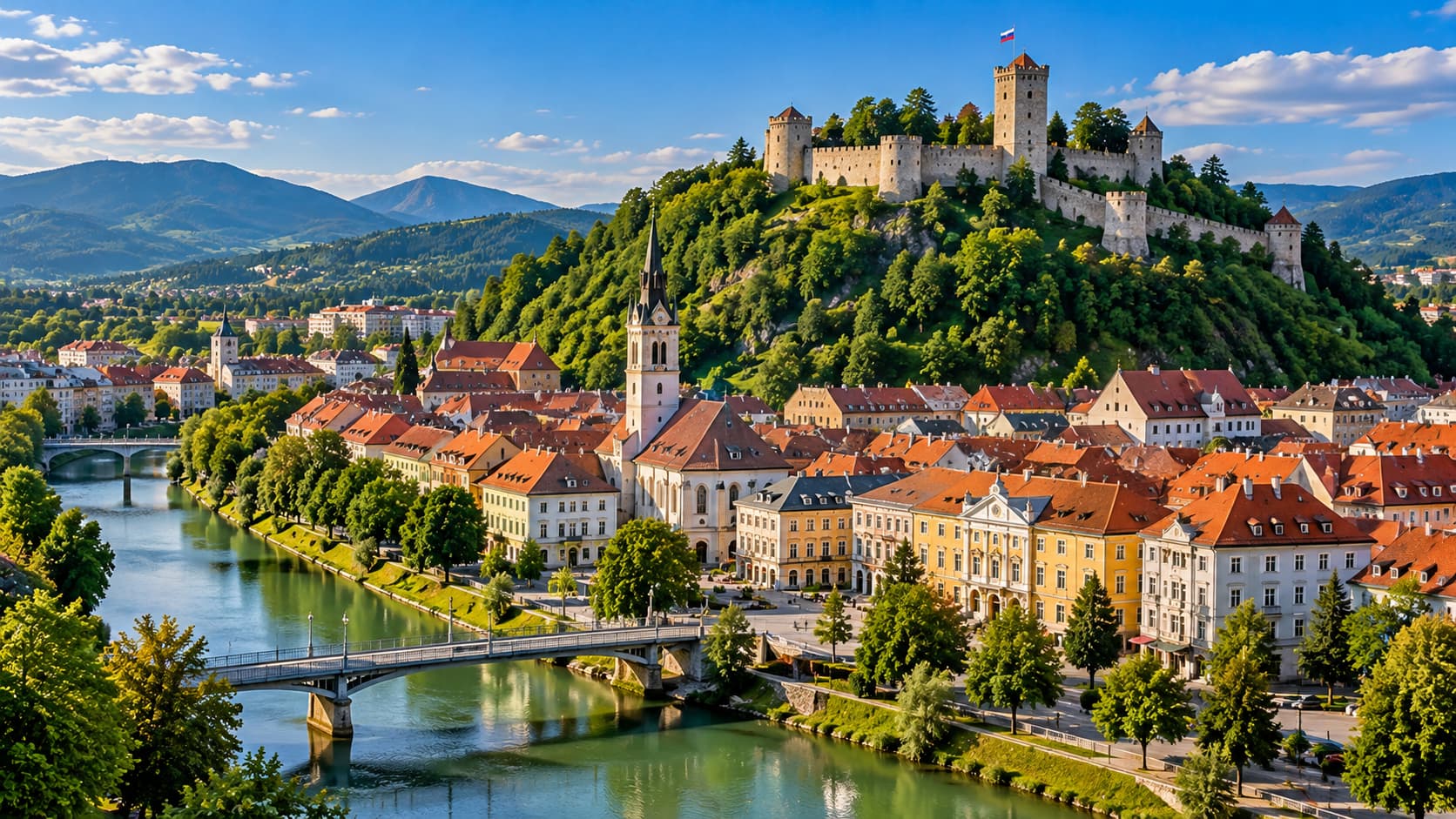
The city’s most impressive landmark is Celje Castle, one of the largest medieval fortress complexes in Slovenia. Perched on a forested hill overlooking the valley, this magnificent stronghold was once the residence of the powerful Counts of Celje, one of the most influential noble families in medieval Central Europe.
Visitors can explore the castle’s restored towers, defensive walls, and historic courtyards while enjoying panoramic views of the surrounding landscape.
Top Attractions in Celje
The charming historic center is filled with architectural treasures that reveal different chapters of the city’s history.
Krek Square, the Prince’s Mansion, centuries-old churches, and colorful historic buildings create a delightful setting for exploring on foot.
History enthusiasts will also appreciate the city’s museums, which preserve archaeological discoveries from ancient Celeia, the Roman settlement that once flourished in this region.
For nature lovers, the Savinja River and nearby parks provide peaceful places to relax. Just outside the city, Šmartinsko Lake offers scenic walking trails, cycling routes, and tranquil waterfront views.
Celje’s medieval legacy remains an essential part of Slovenia’s national identity. The three golden stars associated with the Counts of Celje still appear on the Slovenian coat of arms.
Why Visit Celje? Celje is perfect for travelers interested in medieval castles, Roman history, cultural heritage, and beautiful countryside without the crowds of Slovenia’s most famous tourist destinations.
2. Vipava – A Picturesque Wine Town Surrounded by Mountains
Surrounded by lush vineyards, limestone mountains, and fertile countryside, Vipava is one of Slovenia’s most charming small towns.
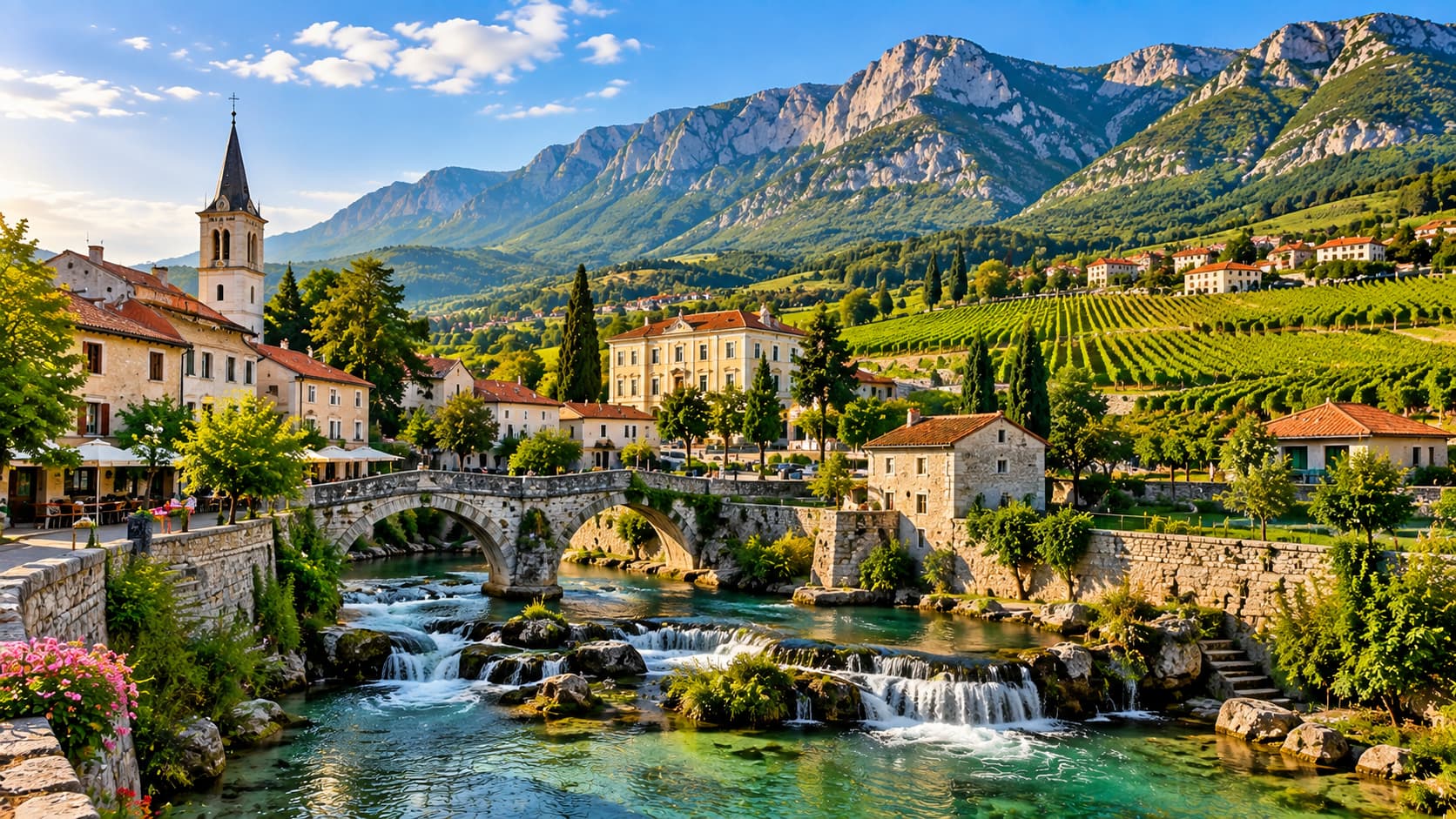
Located in the beautiful Vipava Valley, this peaceful destination sits at the crossroads of Mediterranean, Alpine, and Karst landscapes, creating a unique environment known for its natural beauty, delicious cuisine, and exceptional wines.
One of Vipava’s most distinctive features is its network of natural springs. Several sources of the Vipava River emerge directly within the historic town center, flowing beneath picturesque stone bridges and alongside traditional buildings.
These waterways give Vipava an atmosphere unlike that of many other Slovenian towns.
Best Things to Do in Vipava
Explore the historic center, where elegant mansions, small squares, charming bridges, and old churches reflect centuries of regional history.
Nearby, Zemono Manor stands on a gentle hill surrounded by vineyards, while the ruins of Vipava’s old castle offer sweeping views across the valley.
However, Vipava is perhaps best known for its remarkable wine culture.
The surrounding countryside is one of Slovenia’s most important wine-producing regions, particularly celebrated for indigenous grape varieties such as Zelen and Pinela.
Family-run wine cellars welcome visitors to sample locally produced wines accompanied by regional specialties, including artisanal cheeses, cured meats, and traditional Slovenian dishes.
Outdoor enthusiasts can enjoy hiking and cycling through vineyards, orchards, charming villages, and rolling hills shaped by the region’s powerful Bora wind.
Why Visit Vipava? Vipava is an excellent destination for wine lovers, food enthusiasts, nature photographers, and travelers seeking an authentic Slovenian countryside experience.
3. Most na Soči – A Peaceful Riverside Town with Turquoise Waters
Located at the meeting point of the Soča and Idrijca rivers, Most na Soči is one of the most picturesque small towns in western Slovenia.
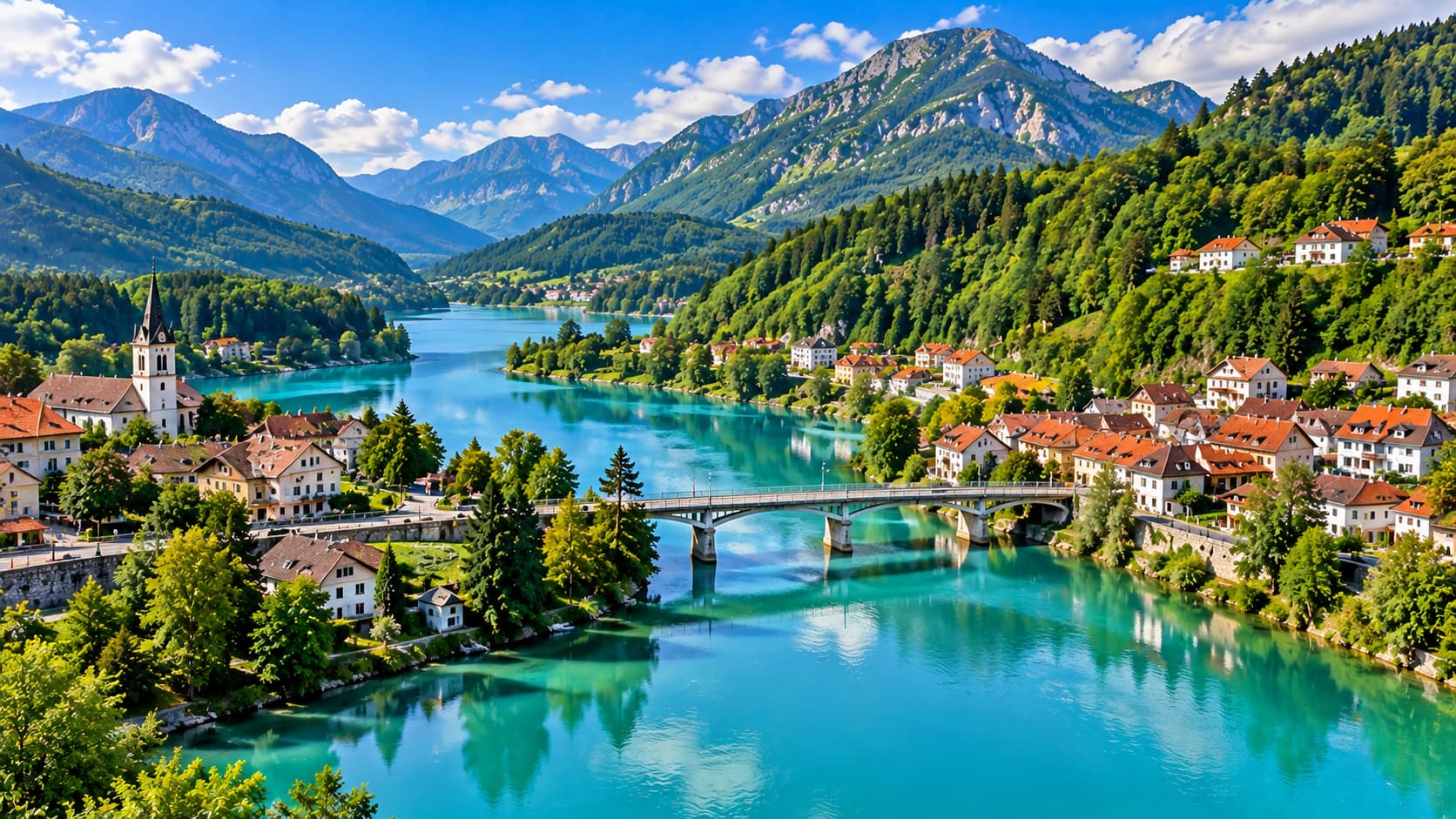
Surrounded by forested hills and the breathtaking landscapes of the Soča Valley, this charming settlement is famous for its striking turquoise waters and peaceful natural surroundings.
The town’s defining feature is its beautiful reservoir, fed by the crystal-clear Soča River.
Its blue-green waters wind between wooded slopes, reflecting colorful houses and the lush surrounding countryside.
Exploring Most na Soči
The waterfront is ideal for relaxing walks, scenic photography, and peaceful afternoons beside the water.
Visitors can also explore the reservoir by kayak, paddleboard, or boat, enjoying a completely different perspective of the surrounding scenery.
Beyond its natural beauty, Most na Soči has an extraordinary archaeological heritage.
Thousands of Iron Age graves have been discovered in the area, associated with the ancient Santa Lucia culture that existed long before the Roman period.
The town’s archaeological collections provide fascinating insights into this remarkable history.
Most na Soči also serves as a convenient starting point for exploring Tolmin, the dramatic Tolmin Gorges, traditional mountain villages, and the magnificent Julian Alps.
The historic Bohinj Railway passes through the area, connecting visitors with some of Slovenia’s most spectacular landscapes.
Why Visit Most na Soči? This peaceful town is ideal for nature lovers, photographers, kayaking enthusiasts, and travelers who want to experience the breathtaking beauty of the Soča Valley.
4. Izola – A Charming Mediterranean Fishing Town
With its pastel-colored houses, traditional fishing boats, and sparkling Adriatic coastline, Izola offers an authentic Mediterranean atmosphere.
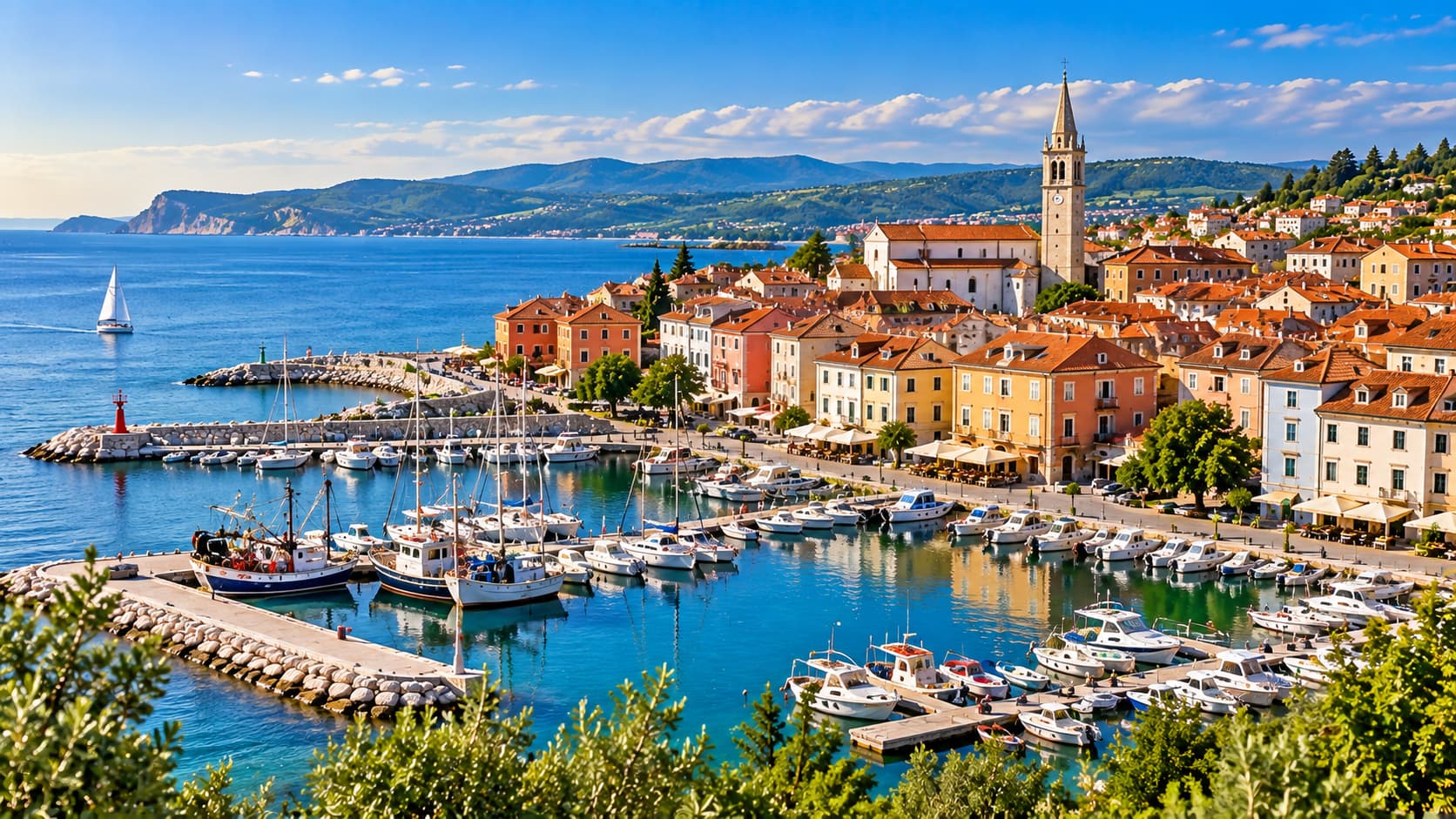
Located between Koper and Piran on Slovenia’s short but beautiful coastline, Izola combines Venetian architectural heritage with a relaxed seaside lifestyle.
Originally established on an island, Izola became connected to the mainland after the separating channel was filled during the 19th century.
Its Italian name, Isola, meaning island, still reflects this fascinating history.
Best Places to Explore in Izola
The old town is a maze of narrow streets, charming squares, historic churches, and colorful buildings influenced by centuries of Venetian rule.
One of the town’s most recognizable landmarks is the Church of St. Maurus, accompanied by an impressive bell tower that offers beautiful views over the rooftops and Adriatic Sea.
The fishing harbor remains central to everyday life in Izola, where traditional fishing boats share the waterfront with modern sailing yachts.
Visitors can relax at Svetilnik Beach, explore the picturesque promenade, or follow scenic cycling routes along the coast.
Izola is also an excellent destination for seafood lovers.
Waterfront restaurants serve fresh fish, calamari, and traditional Istrian specialties, often accompanied by local Malvasia wine and olive oil.
As evening approaches, the harbor becomes especially atmospheric. Fishing boats return, waterfront restaurants fill with visitors, and golden sunlight illuminates the colorful old buildings.
Why Visit Izola? Izola is ideal for travelers looking for a peaceful coastal escape, authentic seafood, Venetian architecture, and a relaxed Mediterranean atmosphere.
5. Maribor – Slovenia’s Wine Capital and Cultural Gem
Situated along the Drava River in northeastern Slovenia, Maribor is the country’s second-largest city and one of its most important cultural destinations.
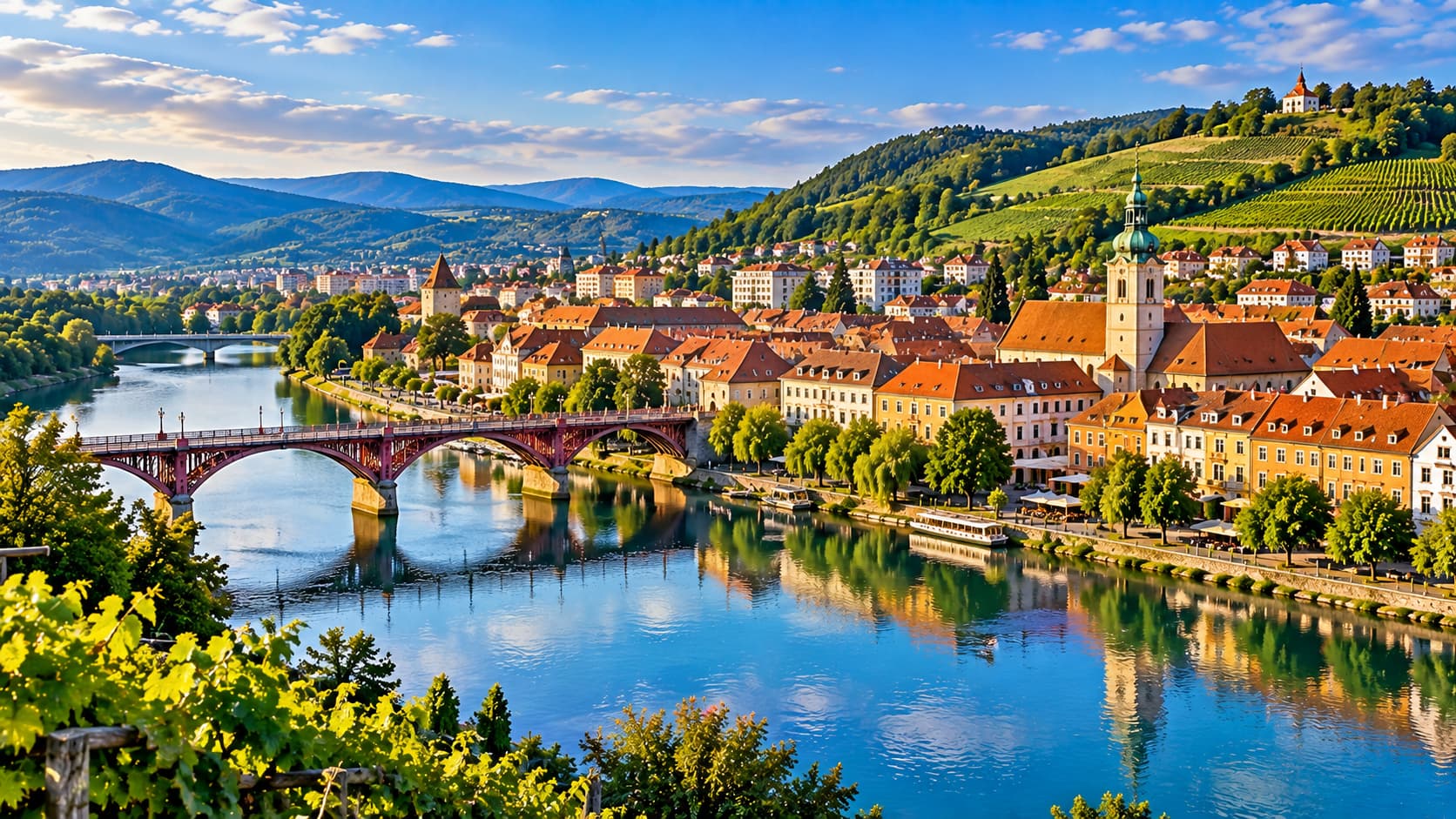
Known for its historic architecture, thriving wine traditions, and proximity to the Pohorje Mountains, Maribor offers a wonderful balance between urban attractions and outdoor adventures.
The city’s historic heart centers around Main Square, where colorful buildings surround the impressive Plague Column and Renaissance-style Town Hall.
Nearby attractions include Maribor Cathedral, the medieval Water Tower, and pedestrian-friendly streets filled with inviting cafés and shops.
Discover Maribor’s Famous Old Vine
One of Maribor’s most remarkable attractions is the Old Vine, located in the historic Lent district beside the Drava River.
Recognized as the world’s oldest known grape-producing vine, it has survived for more than 400 years and remains an important symbol of the city’s wine heritage.
The surrounding wine cellars, festivals, and vineyards celebrate a winemaking tradition deeply rooted in the region.
Maribor is also a gateway to outdoor recreation.
The nearby Pohorje Mountains offer scenic hiking and mountain biking trails during summer, while winter transforms the slopes into a popular skiing destination.
Beyond the city, the rolling vineyards of the Štajerska region provide beautiful countryside drives, panoramic viewpoints, and opportunities to sample local wines.
In the evening, Maribor’s riverside terraces create a lively yet relaxed atmosphere as lights reflect across the Drava.
Why Visit Maribor? Maribor is a must-visit destination for wine enthusiasts, cultural travelers, outdoor adventurers, and anyone seeking a lively Slovenian city surrounded by nature.
6. Ptuj – Discover Slovenia’s Oldest Town
Often described as Slovenia’s oldest town, Ptuj is a captivating destination with nearly 2,000 years of recorded history.
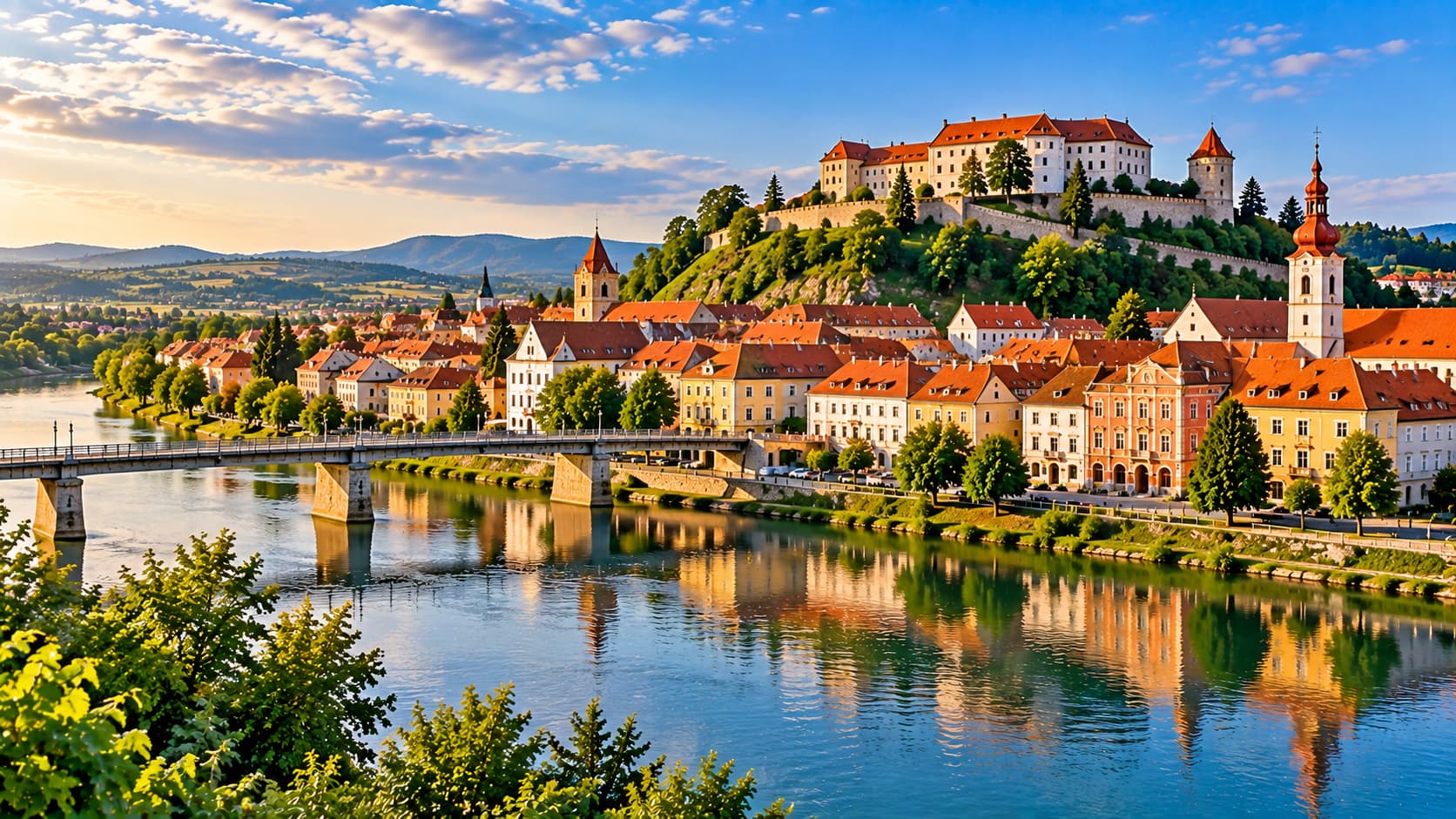
Located beside the Drava River, Ptuj is famous for its beautifully preserved medieval architecture, ancient Roman heritage, traditional festivals, and surrounding vineyards.
The town’s skyline is dominated by magnificent Ptuj Castle, which rises above the historic center.
Inside the castle, visitors can discover museum collections featuring historical furniture, weapons, musical instruments, paintings, and traditional costumes.
The castle terraces also provide some of the best panoramic views in the region.
Historical and Cultural Highlights of Ptuj
Below the castle, narrow cobblestone streets wind through charming squares lined with colorful buildings, cafés, historic churches, and centuries-old houses.
One of Ptuj’s most significant ancient landmarks is the Orpheus Monument, a Roman funerary monument dating to the second century.
Standing near the medieval City Tower, it offers a fascinating reminder of Poetovio, the important Roman settlement that once occupied this area.
Ptuj is equally famous for its traditional Kurentovanje festival.
Held during the carnival season, this colorful celebration features parades, music, and distinctive Kurent figures wearing elaborate sheepskin costumes, masks, horns, and large bells.
The surrounding countryside is filled with vineyards that reflect a winemaking tradition stretching back to Roman times.
Visitors can also enjoy the region’s thermal waters and spa facilities.
Why Visit Ptuj? Ptuj is one of the best places in Slovenia for discovering Roman history, medieval architecture, traditional festivals, and authentic cultural experiences.
7. Škofja Loka – A Beautifully Preserved Medieval Town
Nestled where two rivers meet beneath forested hills, Škofja Loka is one of the best-preserved medieval towns in Slovenia.
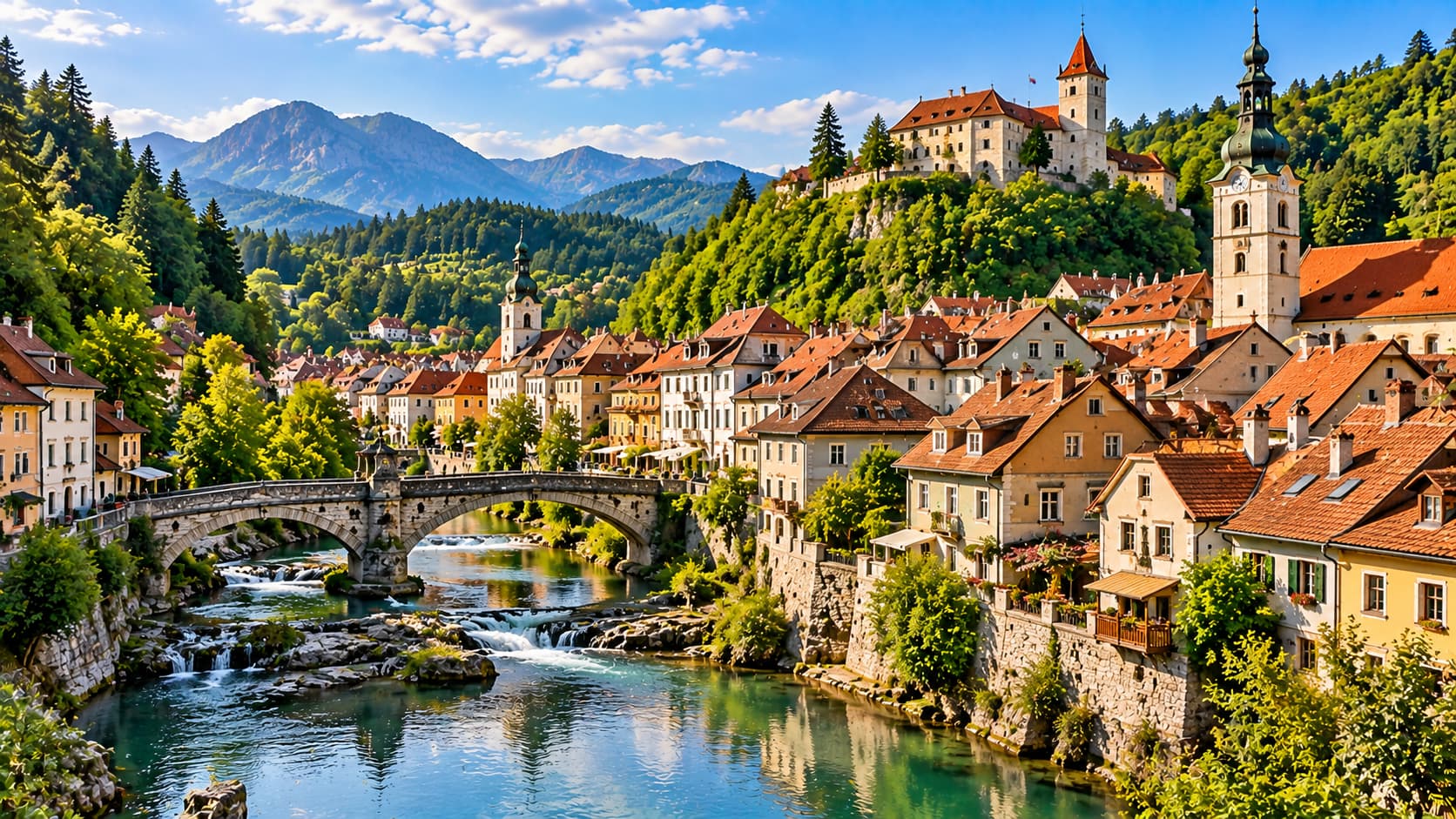
Located northwest of Ljubljana, this enchanting destination is known for its colorful historic buildings, cobbled streets, ancient bridges, and magnificent hilltop castle.
Unlike many popular European medieval towns, Škofja Loka retains a peaceful atmosphere that allows visitors to appreciate its architectural beauty without overwhelming crowds.
Things to See in Škofja Loka
The historic Town Square is the heart of the old center.
Elegant merchant houses painted in soft pastel colors surround the long square, while traditional cafés, fountains, and narrow passageways create a timeless atmosphere.
Nearby, the famous Capuchin Bridge crosses the Selca Sora River.
Dating back to the medieval period, it is among the oldest surviving stone bridges of its kind in Central Europe.
Above the old town stands Škofja Loka Castle, which was rebuilt after a major earthquake in the 16th century.
Today, the castle houses a museum dedicated to local history, traditional crafts, and rural life.
Its elevated position also provides beautiful views across the town and surrounding countryside.
For outdoor enthusiasts, the nearby Škofja Loka Hills offer walking and cycling routes through forests, traditional villages, historic churches, and peaceful farmland.
The town is also internationally recognized for the Škofja Loka Passion Play, a centuries-old theatrical tradition included on UNESCO’s Intangible Cultural Heritage list.
Why Visit Škofja Loka? Škofja Loka is perfect for history lovers, photographers, and travelers searching for authentic medieval architecture in a peaceful Slovenian setting.
8. Bled – Slovenia’s Most Famous Alpine Paradise
Few destinations capture Slovenia’s natural beauty quite like Bled.
Surrounded by the majestic Julian Alps, this charming resort town is famous for its breathtaking lake, fairy-tale island church, medieval castle, and spectacular mountain scenery.
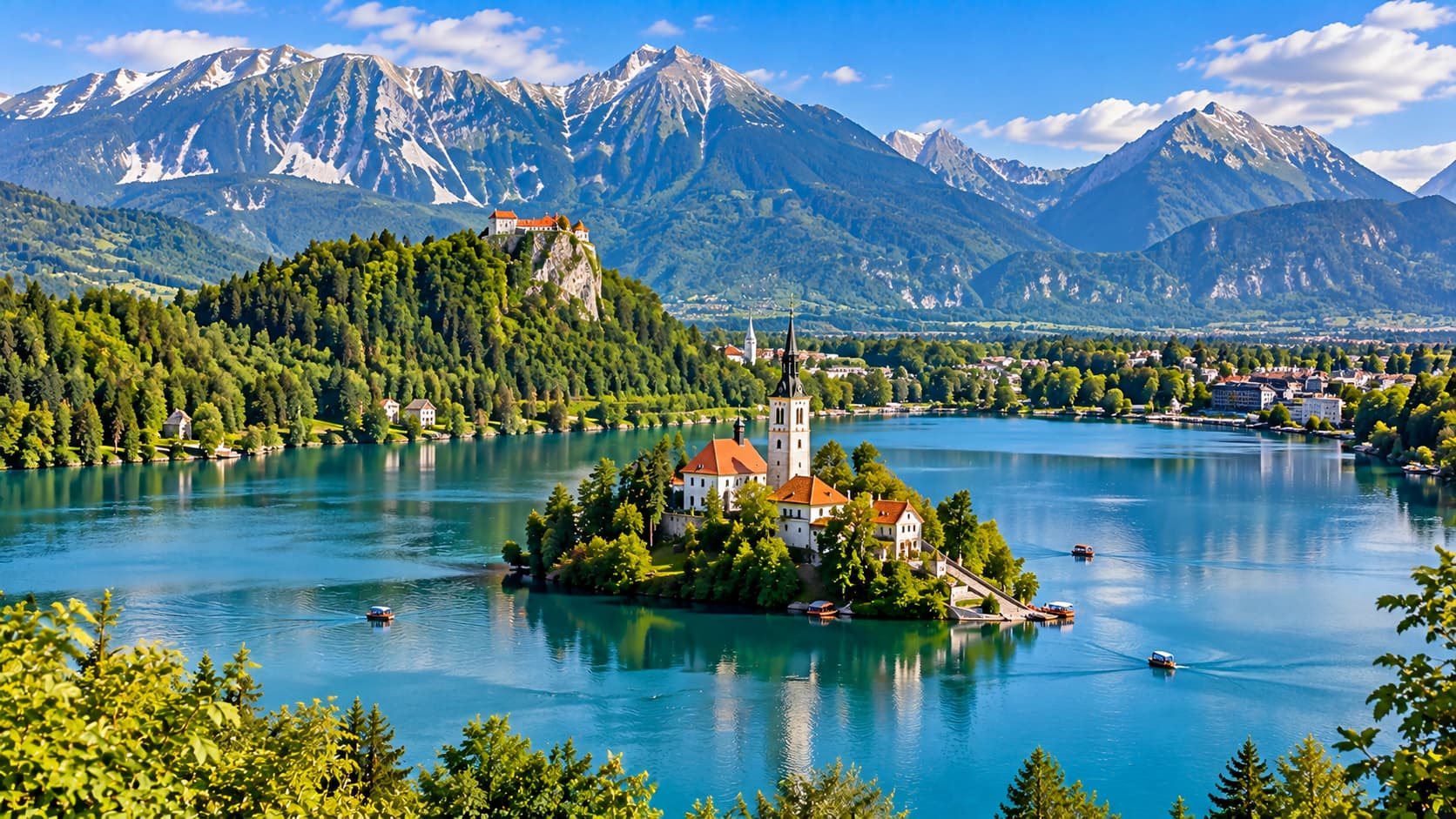
Lake Bled is one of the most photographed destinations in Europe, and its extraordinary setting makes it an essential stop on any Slovenian travel itinerary.
At the center of the lake lies Bled Island, Slovenia’s only natural island.
Traditional wooden pletna boats transport visitors across the water to the picturesque Church of the Assumption.
A grand stone staircase leads from the shoreline to the historic church, where local tradition suggests that ringing the bell can make a wish come true.
Best Things to Do in Bled
High above the lake, Bled Castle stands dramatically on a rocky cliff more than 100 meters above the water.
With a history stretching back over a thousand years, the castle offers unforgettable panoramic views of the island, surrounding forests, and distant Alpine peaks.
A scenic walking trail circles Lake Bled, passing peaceful swimming areas, lakeside cafés, and numerous photography viewpoints.
For more adventurous visitors, hiking trails lead to Ojstrica and Mala Osojnica, two spectacular viewpoints overlooking the entire lake.
No visit to Bled would be complete without tasting the famous Bled cream cake, known locally as kremšnita.
This delicious dessert features layers of vanilla cream, whipped cream, and crisp pastry.
Early morning is particularly magical at Lake Bled, when gentle mist drifts across the water and the first sunlight illuminates the mountains.
Why Visit Bled? Bled is an essential destination for nature lovers, couples, photographers, and travelers seeking one of Europe’s most beautiful Alpine landscapes.
9. Ljubljana – Slovenia’s Charming Green Capital
Elegant bridges, colorful Baroque architecture, leafy riverside promenades, and a magnificent hilltop castle make Ljubljana one of Europe’s most charming capital cities.
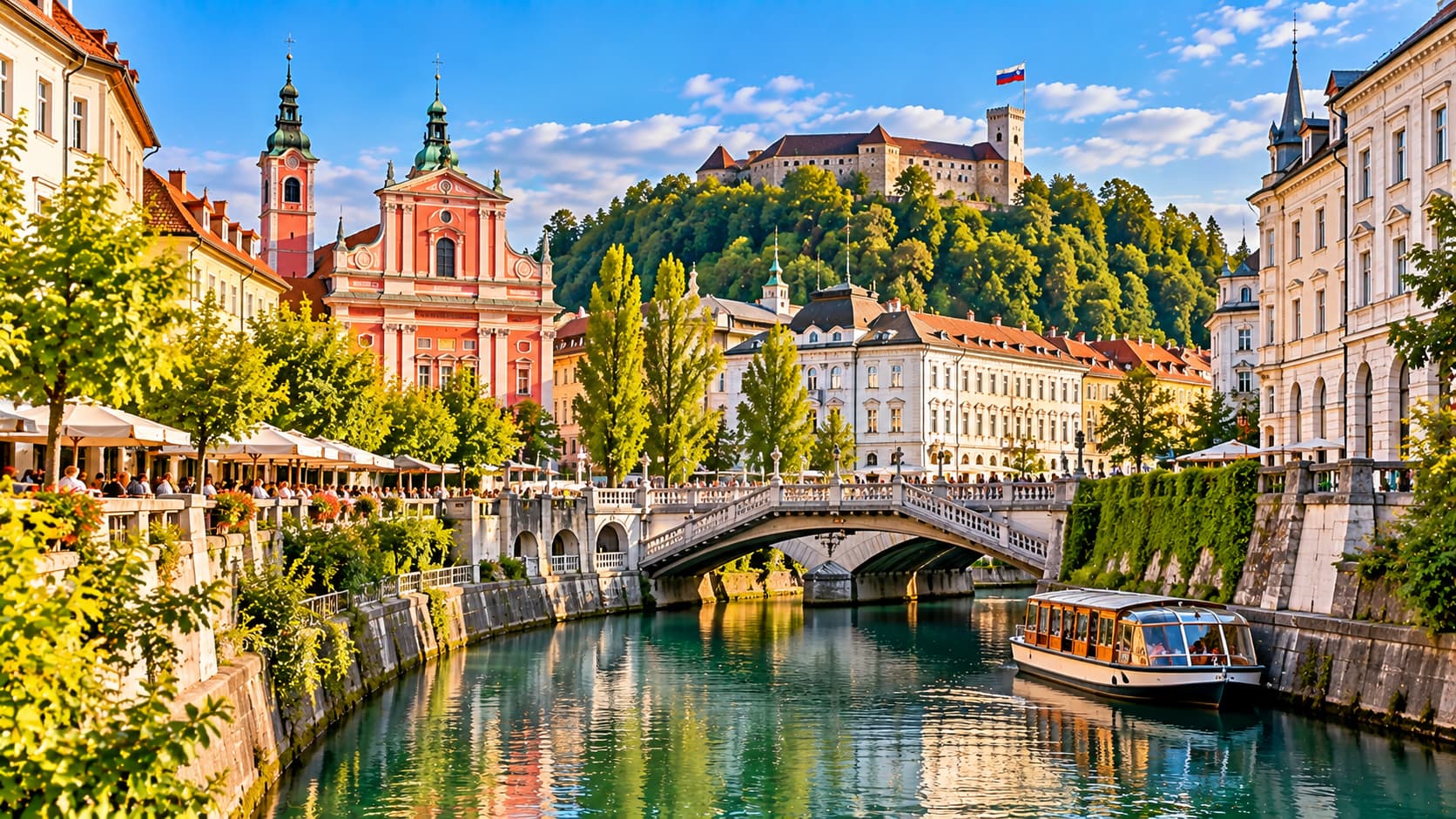
As Slovenia’s largest city, Ljubljana combines centuries of history with a youthful, creative atmosphere.
Despite being the country’s political and cultural center, it remains remarkably compact, green, and easy to explore on foot.
The Ljubljanica River flows through the heart of the city, creating a beautiful setting for waterfront cafés, outdoor restaurants, and scenic boat rides.
Top Attractions in Ljubljana
One of the city’s most recognizable landmarks is the Triple Bridge, which connects Prešeren Square with the historic old town.
Nearby, the famous Dragon Bridge features impressive dragon sculptures representing one of Ljubljana’s most enduring symbols.
Overlooking the city is Ljubljana Castle, accessible by walking trails or a convenient funicular railway.
From its elevated viewpoints, visitors can enjoy sweeping panoramas across the red-tiled rooftops and toward the distant Alps.
The old town is filled with charming streets, Baroque churches, traditional shops, and lively public squares.
At the Central Market, visitors can discover fresh produce, flowers, herbs, cheeses, and regional Slovenian specialties.
Much of Ljubljana’s distinctive architectural character was shaped by the renowned Slovenian architect Jože Plečnik.
His bridges, market buildings, columns, and thoughtfully designed public spaces helped transform the city during the 20th century.
Another reason Ljubljana feels so inviting is its pedestrian-friendly historic center, where limited vehicle traffic creates space for walking, cycling, shopping, and relaxing beside the river.
Why Visit Ljubljana? Ljubljana is ideal for cultural sightseeing, architectural photography, food experiences, and travelers looking for a beautiful European capital with a relaxed atmosphere.
10. Piran – A Stunning Venetian-Style Town on the Adriatic
Perched on a narrow peninsula overlooking the sparkling Adriatic Sea, Piran is widely regarded as one of Slovenia’s most beautiful coastal destinations.
With its red-tiled rooftops, Venetian-style bell towers, winding stone streets, and spectacular sea views, Piran feels like a small piece of Italy tucked along the Slovenian coast.
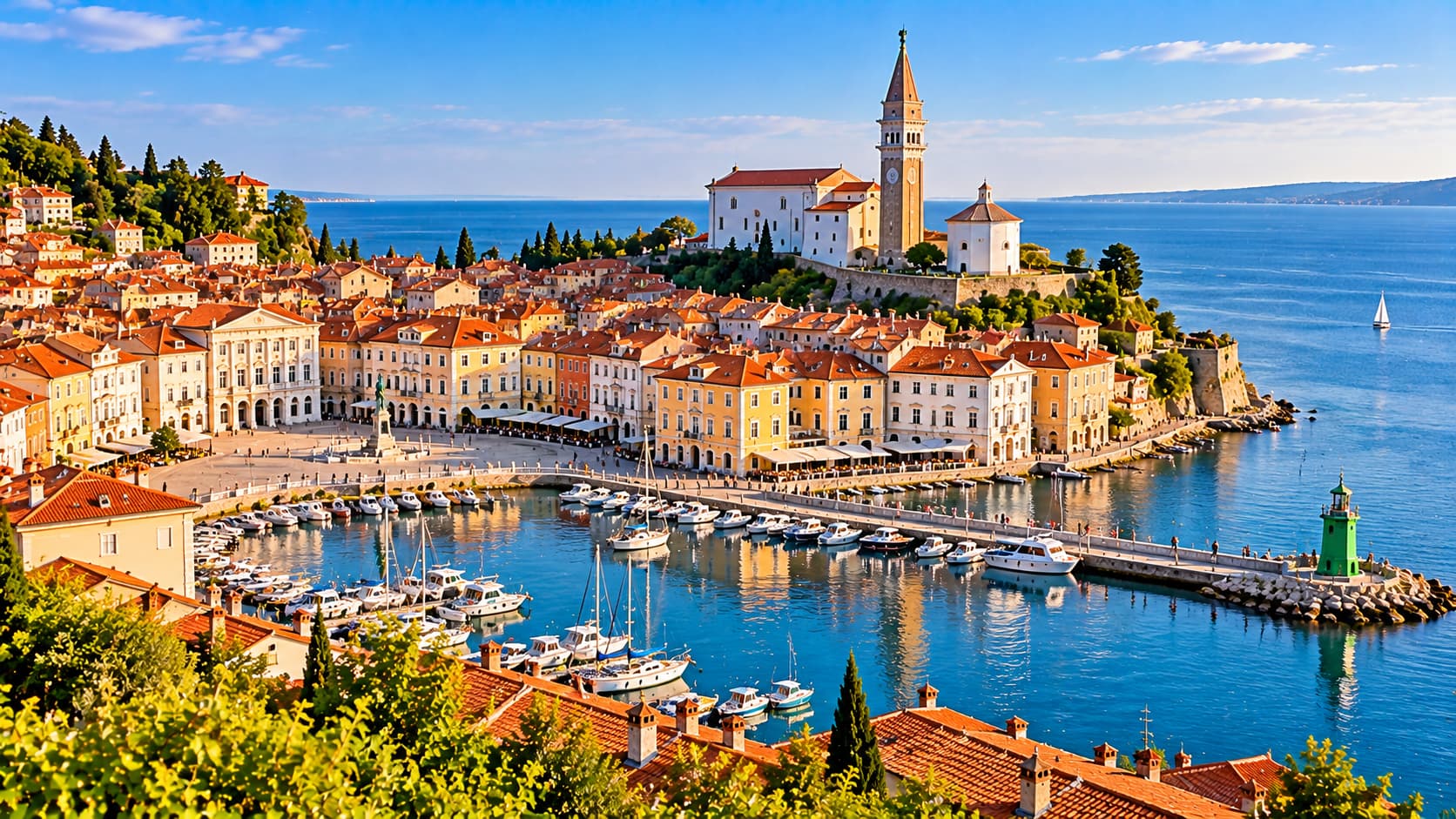
Centuries of Venetian influence have shaped the town’s architecture, culture, and Mediterranean atmosphere.
Best Attractions in Piran
At the heart of Piran lies Tartini Square, an elegant oval-shaped plaza surrounded by colorful historic buildings, charming cafés, and impressive architecture.
The square is named after Giuseppe Tartini, the famous violinist and composer who was born in Piran.
Above the historic center rises St. George’s Parish Church, accompanied by a beautiful bell tower inspired by the famous Campanile in Venice.
The terrace beside the church offers breathtaking views over the Adriatic Sea and surrounding coastline.
For an even more spectacular panorama, visitors can climb to the remains of Piran’s medieval town walls.
From this elevated viewpoint, the entire peninsula unfolds below, with tightly packed red rooftops stretching toward the blue sea.
However, Piran’s greatest pleasure may simply be wandering through its atmospheric streets.
Narrow alleys twist between historic stone buildings, hidden courtyards, tiny squares, and charming passageways that unexpectedly open onto the waterfront.
Along the harbor, restaurants serve fresh seafood and traditional Istrian cuisine while fishing boats gently move across the water.
Sunset is particularly memorable in Piran.
As the evening light turns golden, the old buildings glow warmly, church bells echo through the streets, and locals gather along the waterfront to enjoy the peaceful Adriatic atmosphere.
Why Visit Piran? Piran is perfect for romantic getaways, coastal photography, Mediterranean cuisine, historic architecture, and unforgettable seaside sunsets.
Final Thoughts: Discover the Best of Slovenia
Slovenia may be one of Europe’s smaller countries, but its remarkable diversity makes it an extraordinary destination for travelers.
From the medieval castles of Celje and Ptuj to the peaceful waterways of Most na Soči, the vineyards of Vipava, and the colorful Adriatic streets of Izola and Piran, every destination reveals a different side of Slovenia’s rich cultural and natural heritage.
Maribor offers historic charm and world-famous wine traditions, while Škofja Loka transports visitors into a beautifully preserved medieval world.
Meanwhile, Lake Bled delivers some of Europe’s most breathtaking Alpine scenery, and Ljubljana combines historic elegance with the relaxed atmosphere of a modern green capital.
Together, these destinations demonstrate why Slovenia deserves a place on every European travel bucket list.
Whether you’re interested in medieval history, scenic mountain landscapes, local wines, outdoor adventures, or charming seaside towns, Slovenia offers unforgettable experiences in every season.
Which of these beautiful towns and cities in Slovenia would you love to visit first?
Start planning your Slovenian adventure and discover the remarkable beauty of this underrated European destination.
Have any thoughts?
Share your reaction or leave a quick response — we’d love to hear what you think!
-
 0
0
-
 0
0
-
 0
0
-
 0
0
-
 0
0
-
 0
0