
Europe may occupy only a small portion of the Earth’s surface, but few regions offer such an extraordinary concentration of history, culture, architecture, and natural beauty.
This is a continent shaped by ancient civilizations, medieval kingdoms, powerful empires, artistic revolutions, and diverse cultures. Gothic cathedrals rise above cobblestone streets, ancient ruins stand beside modern neighborhoods, and spectacular landscapes stretch from the Mediterranean coast to the Arctic Circle.
Whether you dream of wandering through romantic cities, exploring medieval castles, relaxing beside turquoise seas, hiking through the Alps, or watching the Northern Lights, Europe offers an almost endless variety of experiences.
To help inspire your next adventure, here are 20 of the best places to visit in Europe, featuring some of the continent’s most beautiful cities, islands, mountains, and cultural destinations.
20. Dubrovnik, Croatia
Known as the Pearl of the Adriatic, Dubrovnik is one of Croatia’s most captivating destinations.
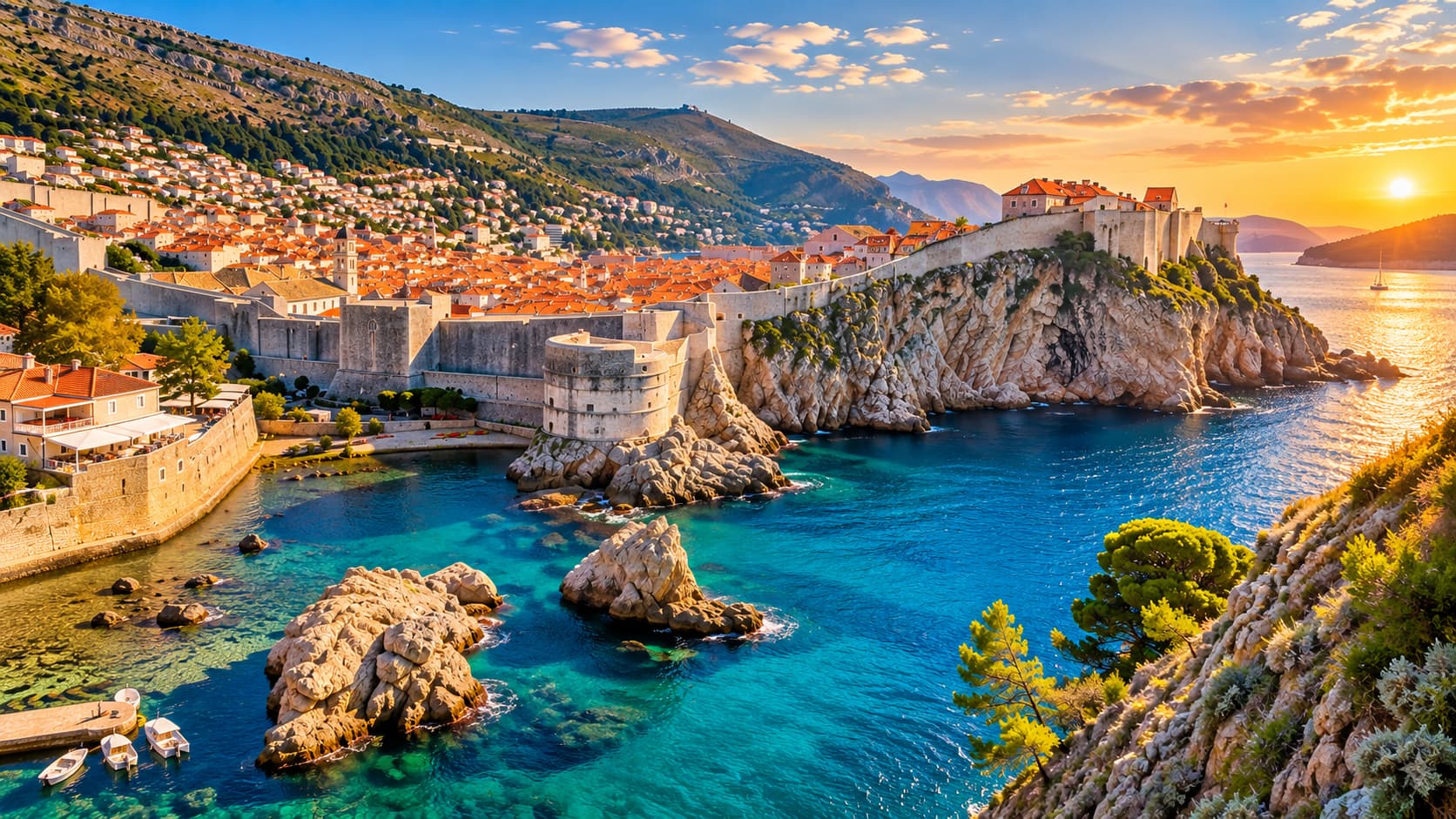
For more than 450 years, the city flourished as the independent Republic of Ragusa. Today, Dubrovnik’s beautifully preserved historic center is recognized as a UNESCO World Heritage Site.
One of the best ways to appreciate the city is by walking along the famous Dubrovnik Walls. Stretching for nearly 2 kilometers around the Old Town, these enormous defensive walls once protected the city from invasion and have survived centuries of conflict and earthquakes.
Today, they provide spectacular panoramic views across Dubrovnik’s terracotta rooftops and the brilliant blue Adriatic Sea.
Another impressive landmark is Lovrijenac Fortress, dramatically positioned on a rocky cliff overlooking the water. The fortress became a powerful symbol of Dubrovnik’s determination to preserve its independence.
Inside the Old Town, narrow streets lead to elegant churches, historic squares, stone buildings, restaurants, and a picturesque harbor filled with boats.
After exploring the city’s history, head toward Banje Beach and relax beside the turquoise waters of the Adriatic.
Dubrovnik combines history, architecture, coastal scenery, and Mediterranean charm in one unforgettable destination.
19. Cappadocia, Turkey
Cappadocia looks like a landscape created for a fantasy movie.
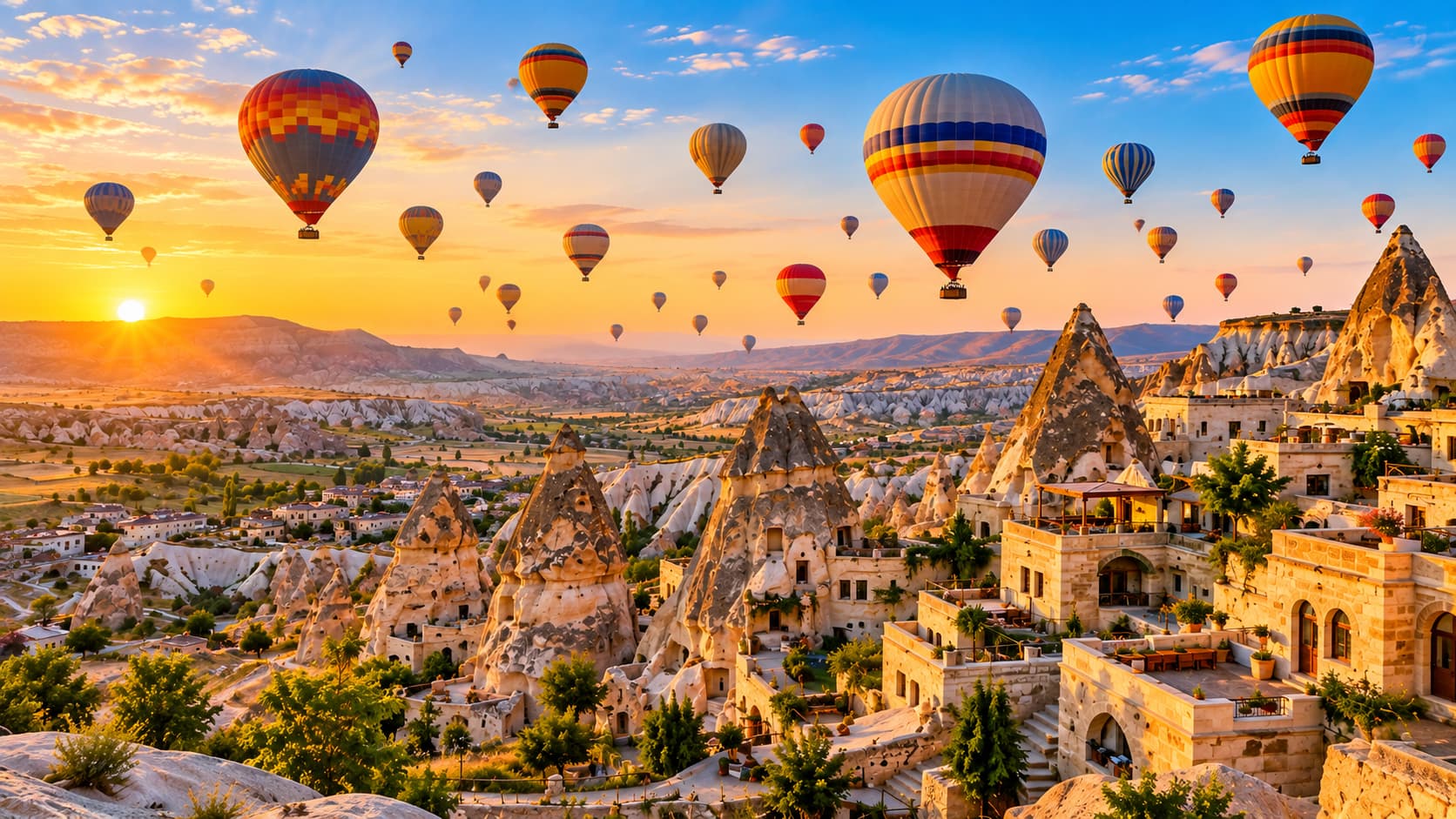
Located in central Anatolia, this extraordinary region of Turkey is famous for its unusual rock formations, underground settlements, cave churches, and spectacular hot-air balloon flights.
At sunrise, hundreds of colorful balloons can rise above the valleys, creating one of the most recognizable travel scenes in the world.
The landscape itself has been shaped by volcanic activity, wind, and erosion over millions of years. The result is Cappadocia’s famous fairy chimneys—towering rock formations resembling castles, towers, and giant mushrooms.
Many local communities historically carved houses, churches, and other structures directly into the soft volcanic rock.
The Göreme Open-Air Museum, a UNESCO World Heritage Site, provides an extraordinary look into this history with its rock-cut churches, monasteries, and Byzantine frescoes.
Travelers can also hike through Pigeon Valley, where countless pigeon houses have been carved into the surrounding rocks.
Nearby, Uçhisar Castle rises above the landscape from one of Cappadocia’s highest points. Climbing to the top rewards visitors with sweeping views across the valleys.
As sunset transforms the rocks into warm shades of gold and orange, Cappadocia reveals why it has become one of Europe’s and Turkey’s most unforgettable travel destinations.
18. Lauterbrunnen, Switzerland
Nestled deep within the Swiss Alps, Lauterbrunnen is one of the most beautiful mountain villages in Europe.
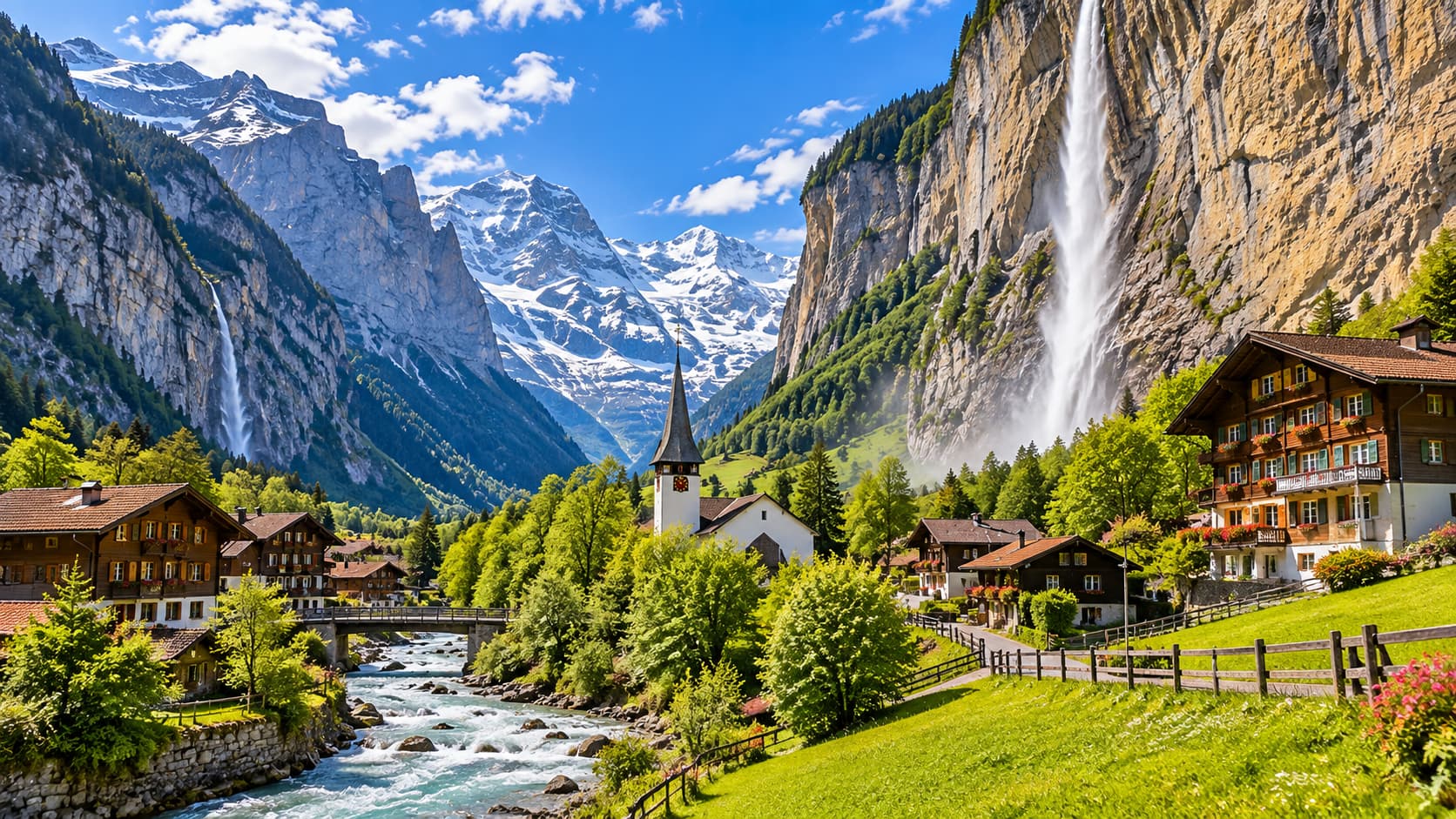
The village sits inside a spectacular glacial valley surrounded by towering cliffs and more than 70 waterfalls.
Its dramatic scenery is often associated with the landscapes that inspired J.R.R. Tolkien’s vision of Rivendell in The Lord of the Rings.
Among the valley’s most famous natural attractions is Staubbach Falls, which plunges nearly 300 meters from the cliffs above.
Traditional Swiss chalets decorated with flowers line the valley floor, while Alpine peaks rise dramatically in every direction.
Walking through Lauterbrunnen is an experience in itself. Cowbells echo through the valley, waterfalls cascade from cliffs, and hiking trails wind through meadows filled with wildflowers.
For travelers searching for spectacular mountains, fresh Alpine air, peaceful villages, and unforgettable hiking, Lauterbrunnen deserves a place near the top of any European itinerary.
17. Prague, Czech Republic
Prague is often called the City of a Hundred Spires, and its skyline immediately explains why.
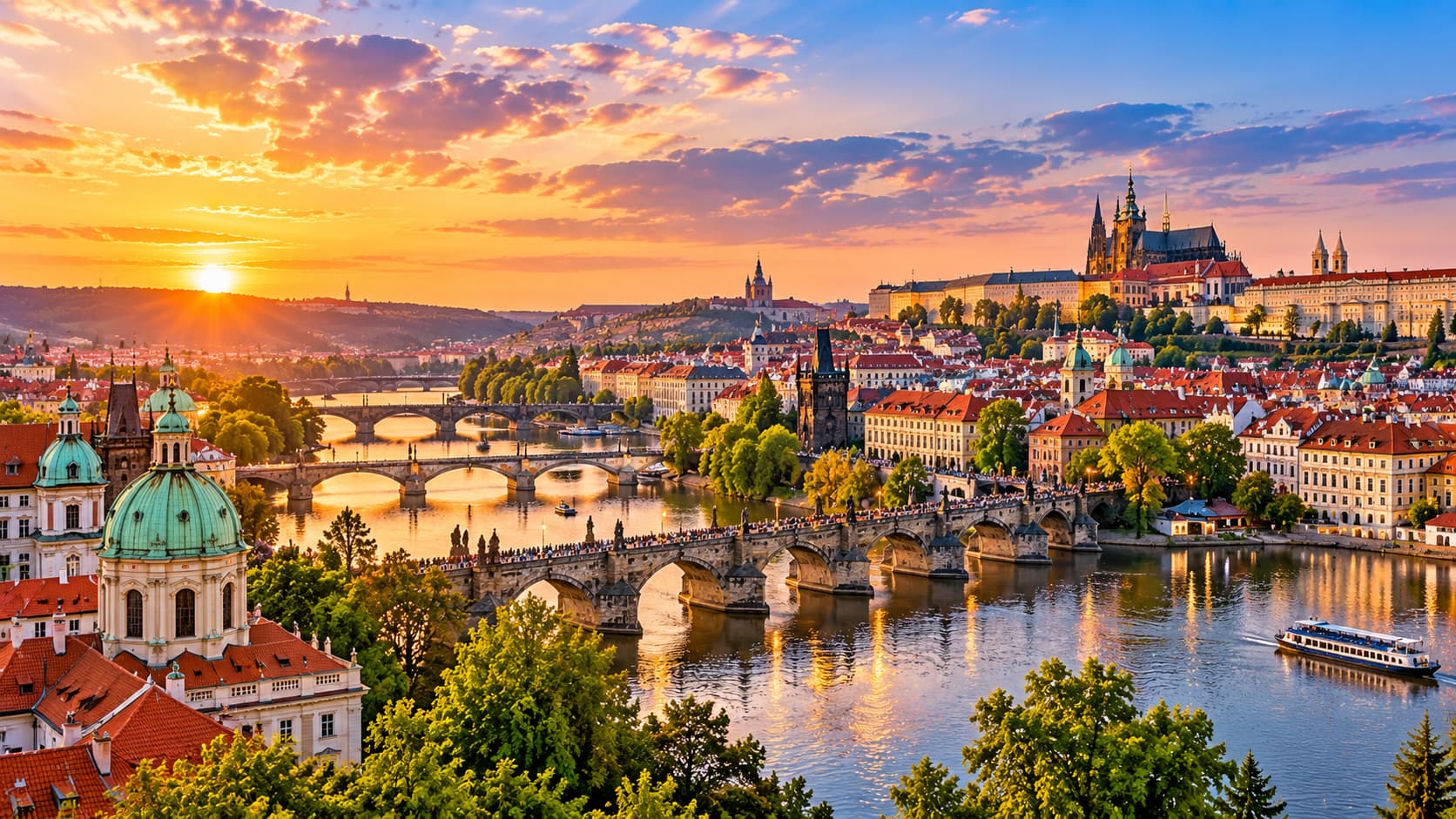
Gothic cathedrals, Baroque churches, medieval towers, and red-roofed buildings create one of Europe’s most recognizable cityscapes.
At the center of Prague’s architectural heritage stands Prague Castle, part of a UNESCO World Heritage Site and one of the world’s largest ancient castle complexes.
Within the castle grounds, the magnificent St. Vitus Cathedral dominates the skyline with its intricate Gothic architecture.
Climb the Great South Tower for spectacular views across Prague’s rooftops before making your way toward another famous landmark: Charles Bridge.
This historic stone bridge, decorated with statues, crosses the Vltava River and connects the castle district with Prague’s historic Old Town.
From medieval streets to grand architecture and riverside views, Prague seems to reveal another piece of European history around every corner.
16. Budapest, Hungary
Budapest was created through the union of Buda and Pest, two historic communities divided by the Danube River.
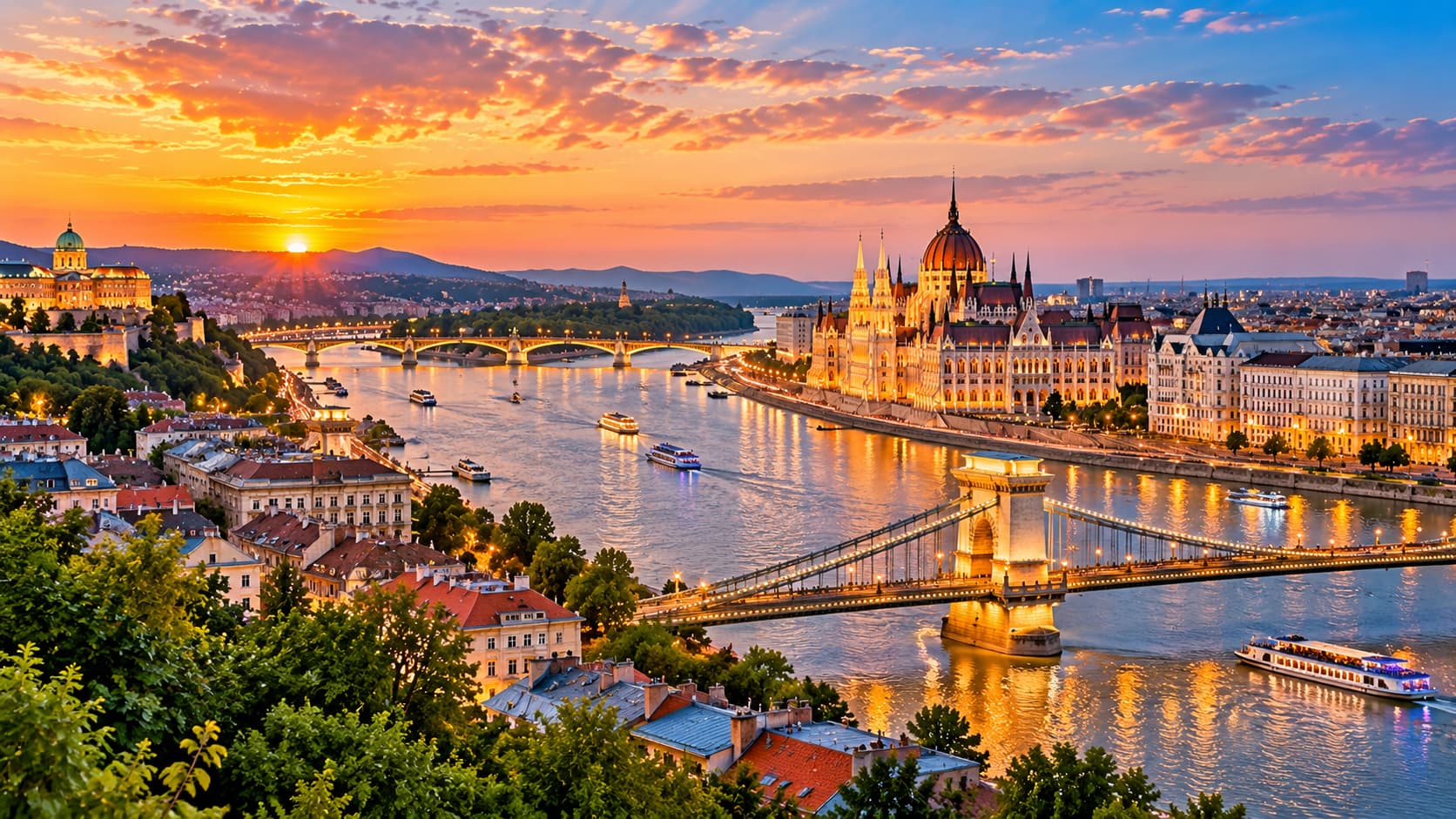
The cities officially merged in 1873, creating the Hungarian capital known today for its architecture, thermal baths, bridges, and spectacular riverfront.
One of its defining landmarks is the Széchenyi Chain Bridge, which became an important physical and symbolic connection between Buda and Pest.
Across the river, visitors can ascend Castle Hill to explore Buda Castle and enjoy panoramic views over the Hungarian capital.
Budapest is also one of Europe’s great spa destinations.
Natural thermal springs have shaped local bathing culture for centuries, and historic bath complexes allow visitors to relax in mineral-rich thermal water.
As evening arrives, Budapest becomes particularly beautiful.
The illuminated Hungarian Parliament Building, standing beside the Danube, is one of Europe’s great examples of Gothic Revival architecture.
With its combination of history, thermal bathing culture, nightlife, architecture, and river scenery, Budapest effortlessly blends its imperial past with modern European life.
15. Istanbul, Turkey
Few cities in the world have a history as extraordinary as Istanbul.
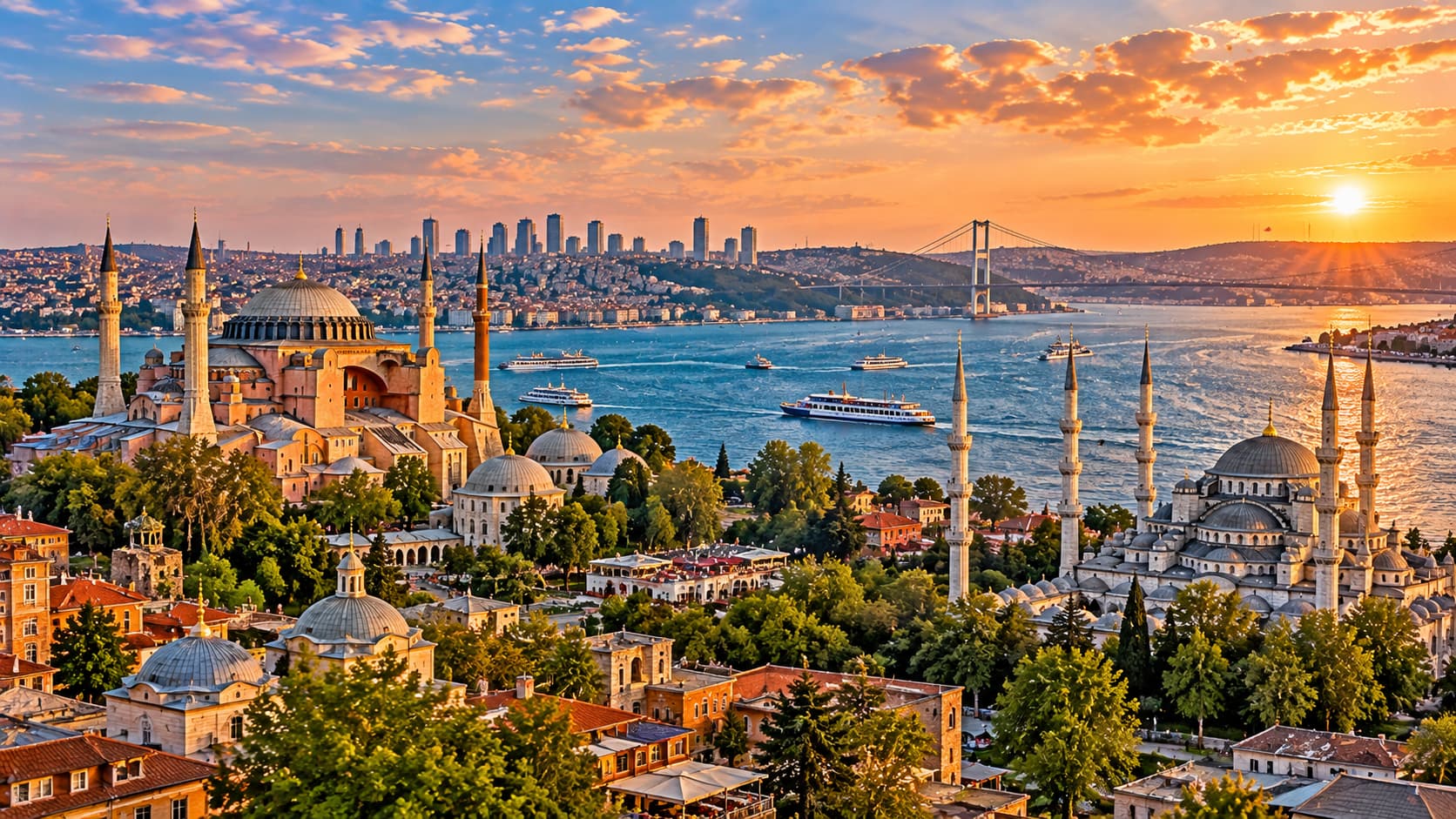
Located between Europe and Asia, the city has served as a meeting point between civilizations for thousands of years.
Once known as Byzantium and later Constantinople, Istanbul served as the capital of major empires, including the Roman, Byzantine, and Ottoman Empires.
Its historic heart contains some of the world’s greatest architectural landmarks.
Hagia Sophia, originally constructed during the Byzantine era, is famous for its enormous dome, historic mosaics, and remarkable religious history.
Nearby stands the Blue Mosque, recognizable for its elegant domes, minarets, and thousands of decorative İznik tiles.
But Istanbul’s character extends far beyond its monuments.
The enormous Grand Bazaar contains thousands of shops selling carpets, ceramics, jewelry, textiles, and countless other goods. At the Spice Bazaar, the aromas of herbs, spices, sweets, and Turkish delicacies fill the air.
For a different perspective, take a ferry across the Bosphorus.
From the water, Istanbul’s mosques, palaces, waterfront mansions, minarets, and modern buildings create a skyline unlike anywhere else.
Istanbul is where Europe meets Asia and where centuries of history continue to shape everyday life.
14. Madeira, Portugal
Madeira is often called the Floating Garden of the Atlantic, and its lush subtropical landscape makes the nickname easy to understand.
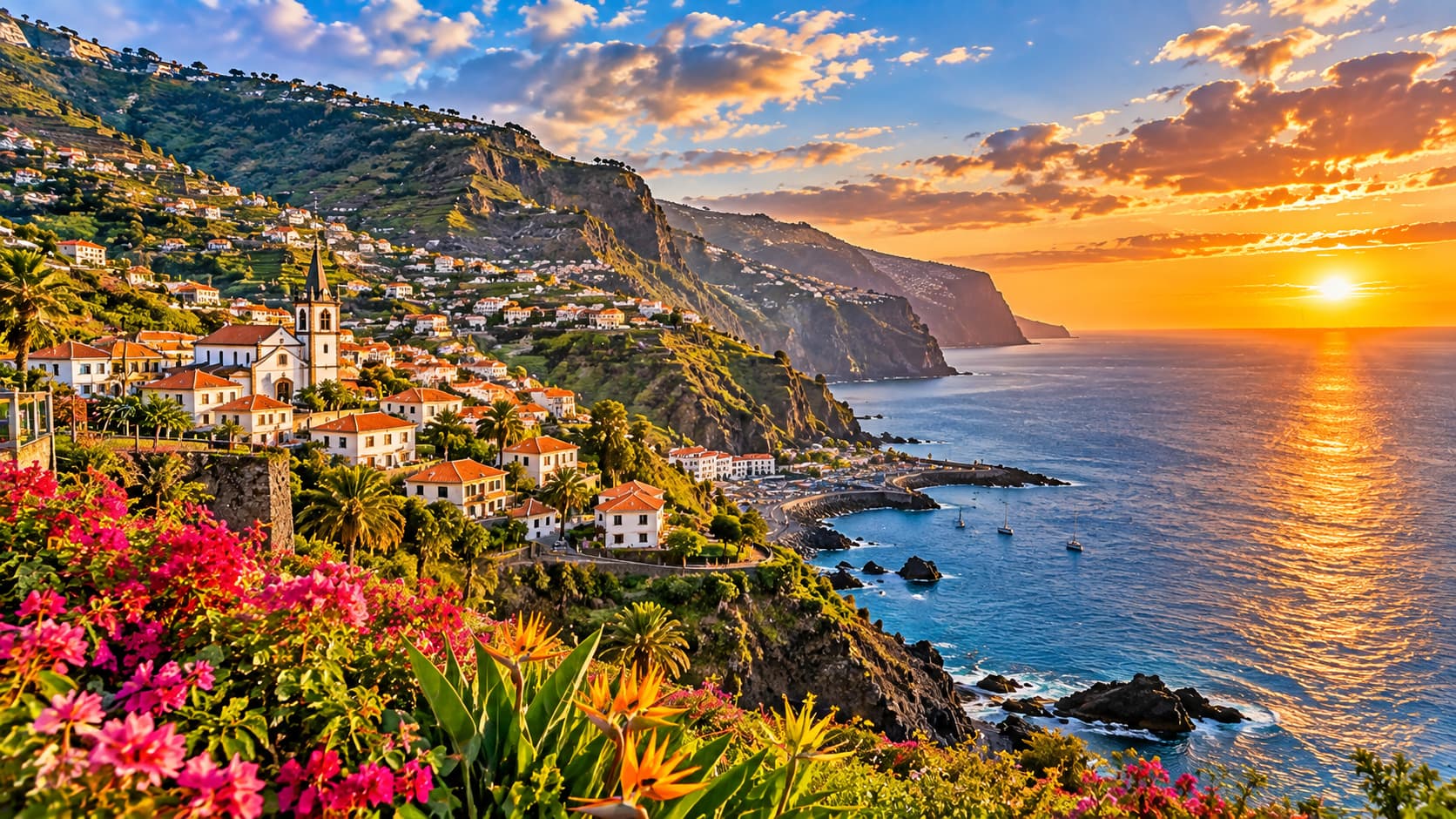
This Portuguese archipelago is filled with mountains, dramatic coastlines, colorful flowers, historic towns, and hiking trails.
In the capital, Funchal, visitors can explore historic streets and landmarks such as the 16th-century Sé Cathedral.
Nature lovers should travel to the rugged Ponta de São Lourenço peninsula, where red cliffs meet the powerful Atlantic Ocean.
Hiking trails cross this dramatic landscape and lead to spectacular viewpoints overlooking the coast.
Another remarkable experience is the Cabo Girão Skywalk, a glass-bottom observation platform positioned hundreds of meters above the ocean.
Madeira’s unique microclimate supports an extraordinary variety of plants throughout the year.
From coastal villages to mountain landscapes and dramatic cliffs, Madeira offers one of Portugal’s most distinctive travel experiences.
13. Copenhagen, Denmark
Copenhagen combines historic architecture, modern design, cycling culture, canals, and a relaxed way of life.
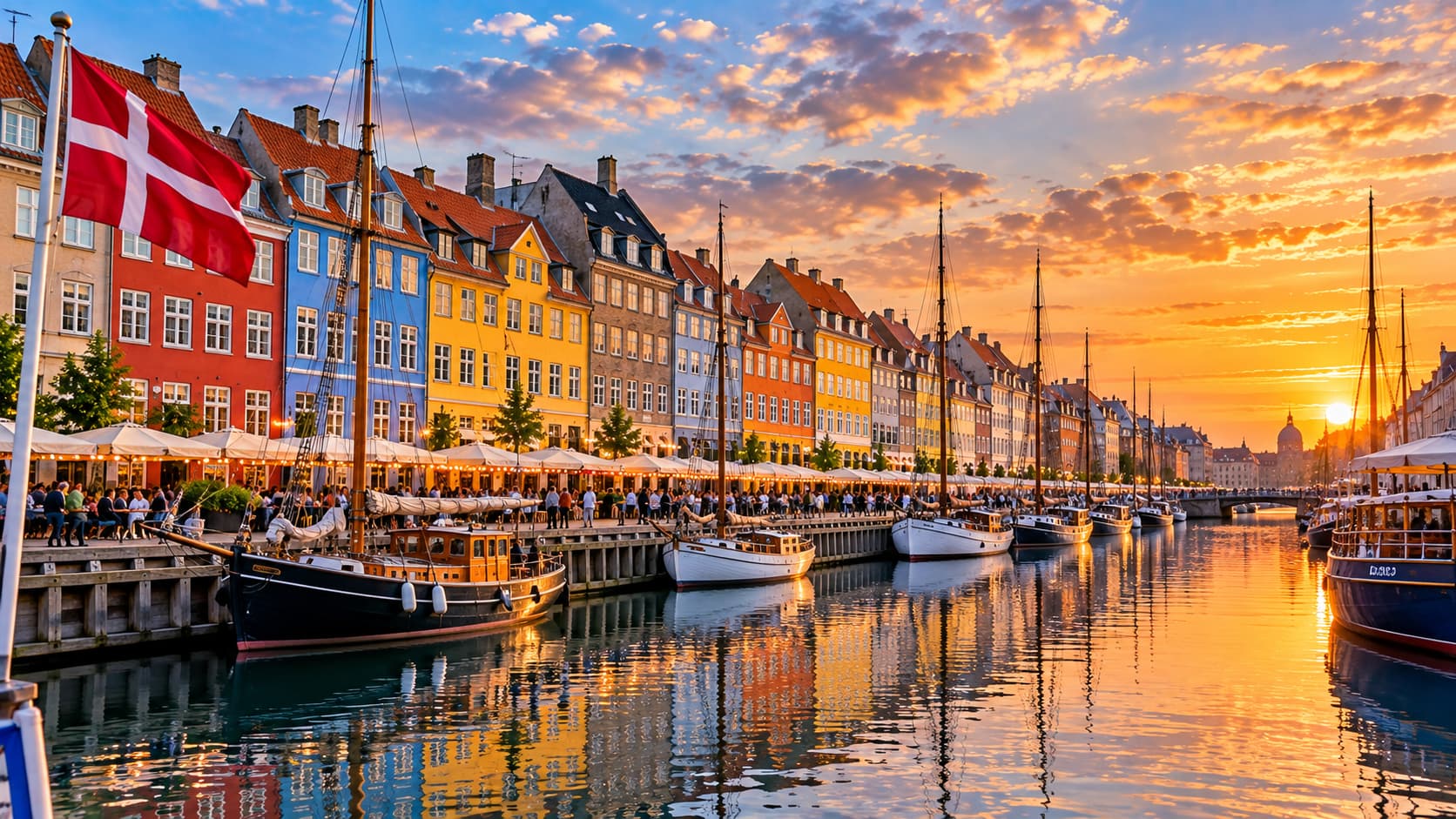
The Danish capital is frequently associated with the concept of hygge—a sense of coziness, comfort, and enjoyment of life’s simple pleasures.
One of the best ways to experience Copenhagen is by bicycle.
Cycle beside canals lined with colorful buildings, stop at a cozy cafe for Danish pastries, or simply relax in one of the city’s lively public squares.
History lovers can visit Amalienborg Palace, the home of Denmark’s royal family, where visitors can watch the Changing of the Guard.
For entertainment, head to Tivoli Gardens, one of Europe’s most famous amusement parks.
With gardens, rides, live entertainment, restaurants, and evening lights, Tivoli captures Copenhagen’s ability to combine tradition and modern pleasure.
Copenhagen is more than a collection of attractions. Its appeal comes from the atmosphere of a city designed around enjoying everyday life.
12. The Azores, Portugal
Far out in the Atlantic Ocean lies one of Europe’s most spectacular volcanic landscapes.
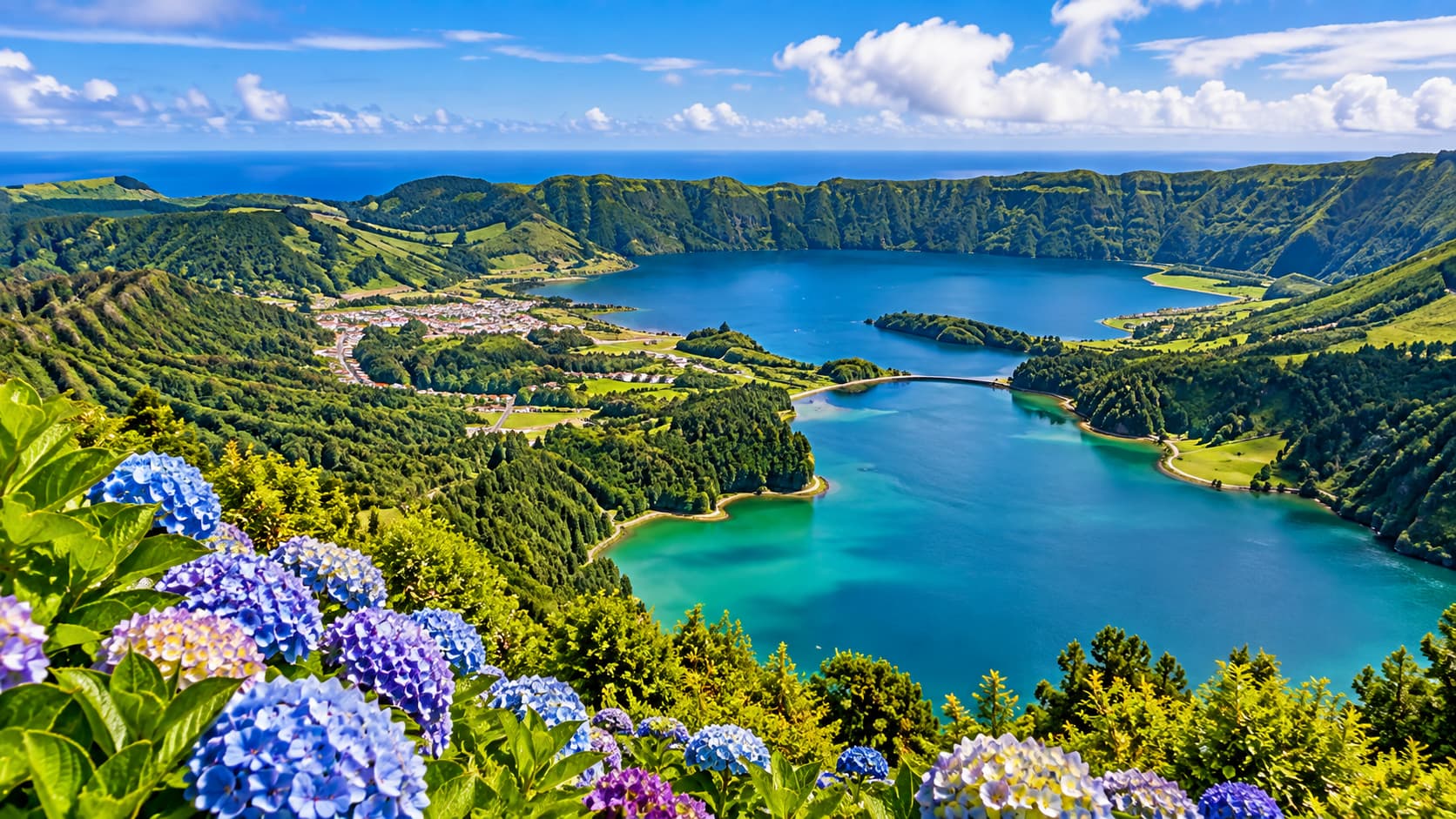
The Azores consist of nine islands formed by volcanic activity over millions of years.
Here, green mountains meet black-sand beaches, crater lakes fill ancient volcanoes, and rugged cliffs plunge into the Atlantic.
On Flores Island, travelers can explore dramatic volcanic scenery surrounded by lush vegetation.
São Miguel, the largest island in the archipelago, is famous for its crater lakes, geothermal activity, and natural hot springs.
The islands also feature charming towns, colorful hydrangeas, traditional Portuguese culture, and distinctive regional cuisine.
For hikers, photographers, whale watchers, and nature lovers, the Azores offer a quieter alternative to many of Europe’s heavily visited destinations.
11. Munich, Germany
Munich may be internationally famous for Oktoberfest, but the Bavarian capital offers much more than beer.
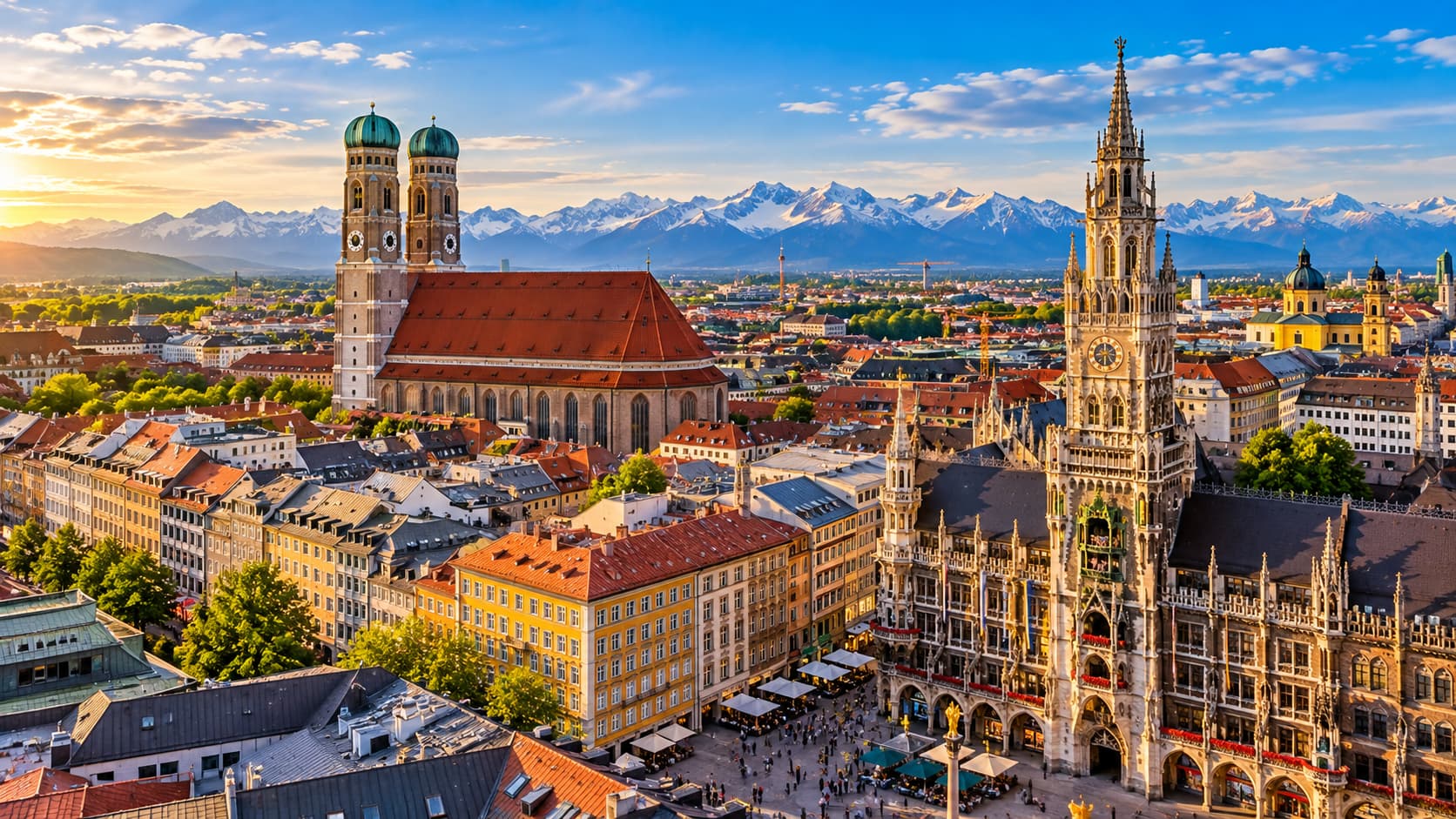
History and architecture are everywhere.
Nymphenburg Palace, once a royal residence, provides a glimpse into the extravagant world of Bavarian royalty.
At the heart of Munich lies Marienplatz, the city’s famous central square. Here, visitors gather to watch the historic Glockenspiel while admiring surrounding architecture.
The twin towers of the Frauenkirche are another defining feature of Munich’s skyline.
For panoramic views, visitors can explore the Olympic Park area and its observation tower.
Munich also serves as an excellent starting point for exploring Bavaria.
Beyond the city, Alpine landscapes and storybook castles await, including the world-famous Neuschwanstein Castle.
From traditional beer halls and historic palaces to mountains and fairy-tale castles, Munich combines Bavarian tradition with elegant urban life.
10. Mykonos, Greece
Mykonos is one of the most famous Greek islands.
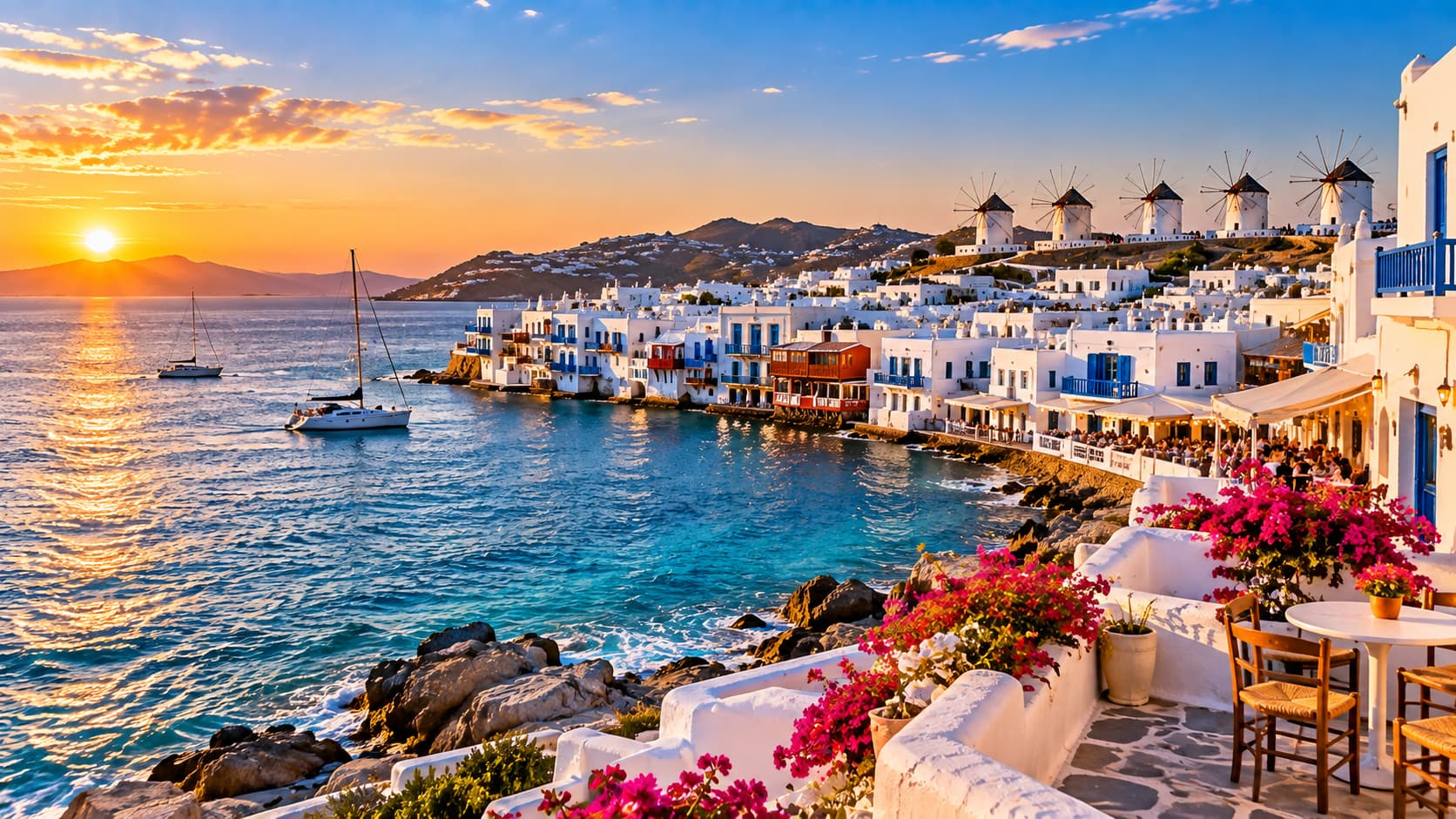
Known for whitewashed buildings, brilliant blue water, beaches, nightlife, and powerful seasonal winds, the island has become synonymous with Mediterranean summer travel.
Walk through the narrow streets of Chora, where white buildings contrast beautifully with colorful bougainvillea.
Above the town stand the famous Mykonos windmills, among the island’s most recognizable landmarks.
Nearby, Little Venice features colorful waterfront buildings with balconies overlooking the Aegean Sea.
Visitors can explore boutique stores, enjoy seafood and Greek cuisine at waterfront restaurants, or simply watch yachts move across the harbor.
For beach lovers, destinations such as Super Paradise Beach offer golden sand and turquoise water.
Mykonos combines natural beauty, Greek island architecture, luxury, nightlife, and Mediterranean charm.
9. Transylvania, Romania
Transylvania may be internationally associated with the legend of Dracula, but this Romanian region offers far more than vampire folklore.
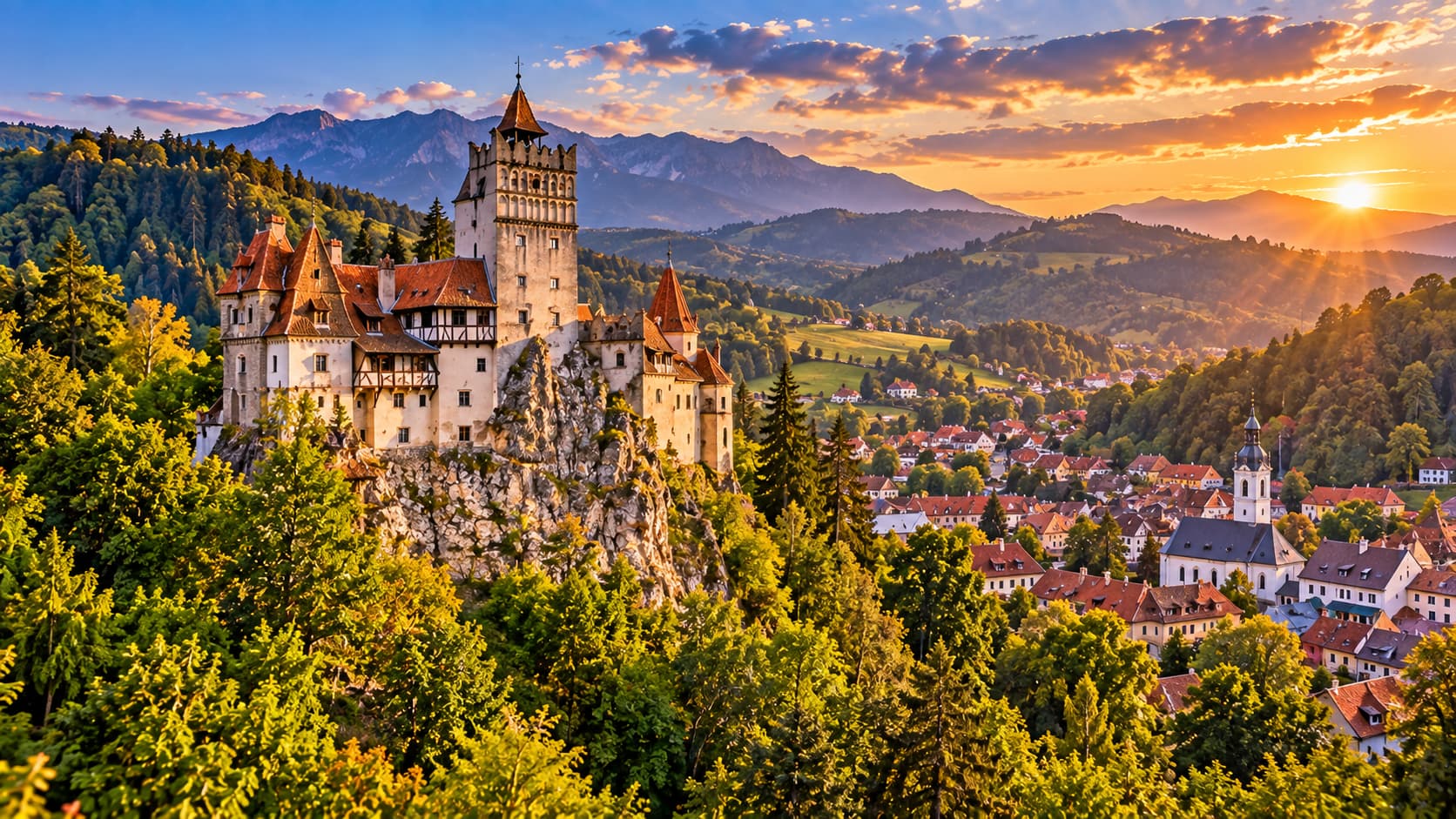
Medieval cities, Gothic churches, castles, forests, mountains, and traditional villages create a destination filled with both history and natural beauty.
In Brașov, the famous Black Church stands as one of the region’s most important Gothic landmarks.
Then there is Bran Castle, popularly connected with Dracula and the fictional world created by Bram Stoker.
The dramatic castle perched above the surrounding landscape has helped turn Transylvania into one of Europe’s most mysterious destinations.
Beyond the legends, the Carpathian Mountains provide opportunities for hiking through forests, discovering waterfalls, observing wildlife, and relaxing beside mountain lakes.
Transylvania’s combination of medieval heritage and wild landscapes makes it one of Europe’s most fascinating regions.
8. Bruges, Belgium
Often called the Venice of the North, Bruges is one of Europe’s best-preserved medieval cities.
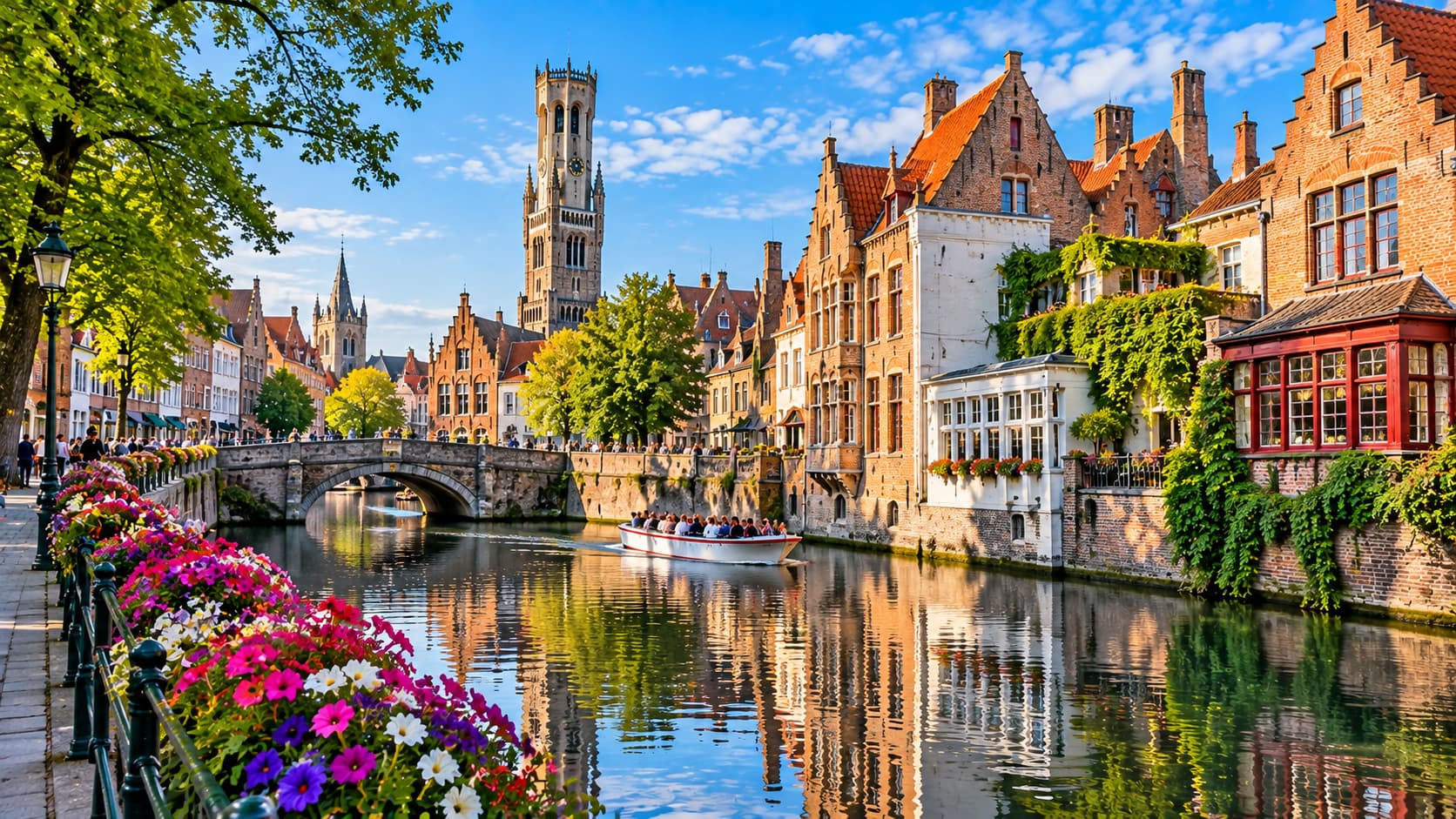
Its canals wind past Gothic buildings, historic houses, cobblestone streets, and picturesque bridges.
A canal boat trip offers one of the best ways to appreciate the city’s architecture.
Among Bruges’ most important landmarks is the Church of Our Lady, home to Michelangelo’s famous marble sculpture Madonna and Child.
Belgian food is another essential part of the experience.
Chocolate shops, waffles, local beer, cafes, and cozy pubs are scattered throughout the historic center.
At the heart of the city stands the Belfry of Bruges, a medieval bell tower offering panoramic views from the top.
Bruges feels like a medieval fairy tale preserved in stone and reflected in water.
7. Barcelona, Spain
Barcelona is a city where Gothic history, modernist architecture, Mediterranean beaches, and contemporary culture come together.
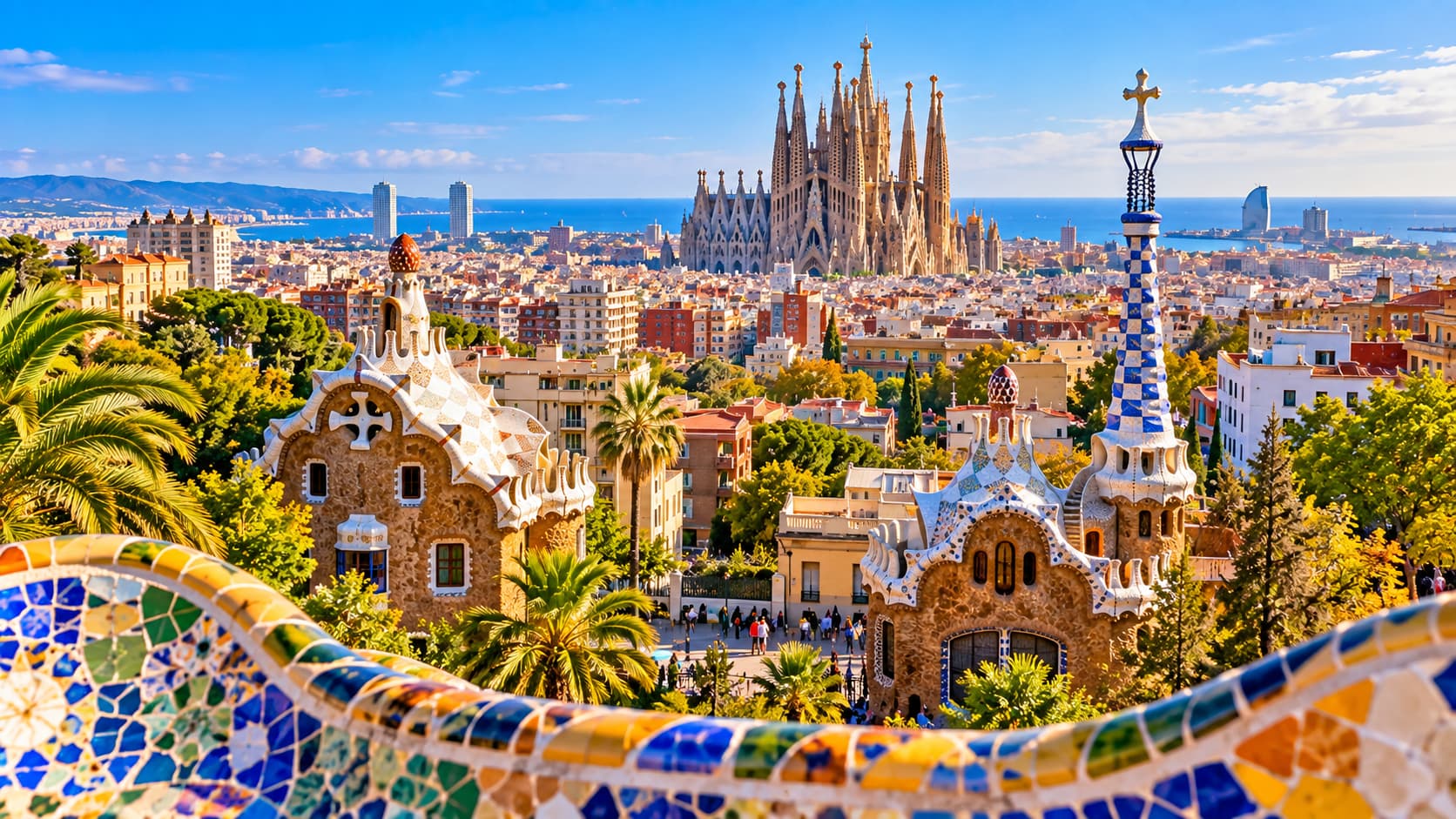
The city’s architectural identity is inseparable from its extraordinary landmarks, particularly the iconic Sagrada Família.
Barcelona also offers a sunny coastline where residents and visitors gather at Barceloneta Beach.
Football plays an enormous role in the city’s identity, with FC Barcelona attracting fans from around the world.
For panoramic city views, head toward Montjuïc, an elevated district filled with museums, gardens, cultural attractions, and historic sites.
Barcelona’s ability to combine art, history, architecture, beaches, cuisine, and urban energy makes it one of Europe’s most complete travel destinations.
6. Faroe Islands
The Faroe Islands offer one of Northern Europe’s most dramatic landscapes.
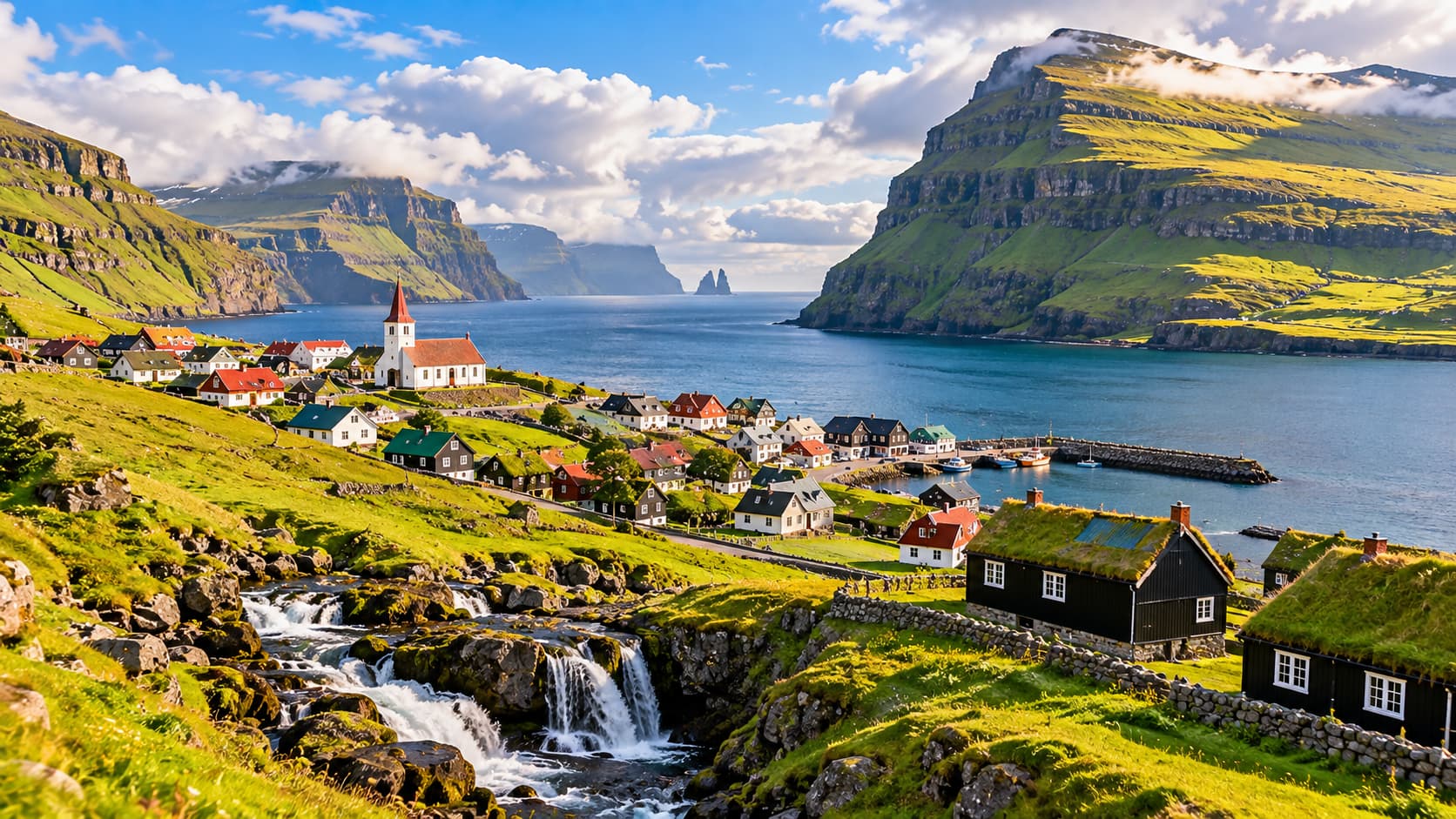
Remote settlements sit between emerald mountains and the North Atlantic while waterfalls plunge from cliffs directly toward the ocean.
Sheep are everywhere, often grazing on steep hillsides and mountain slopes.
Traditional villages feature colorful houses with distinctive grass-covered roofs, preserving an architectural style perfectly suited to the rugged environment.
Among the islands’ most famous natural sights is Sørvágsvatn, a lake that appears from certain viewpoints to float high above the ocean.
Travelers can also explore dramatic bird cliffs filled with seabirds.
In the capital, Tórshavn, colorful historic buildings surround the harbor while restaurants showcase modern Nordic cuisine made with local ingredients.
The Faroe Islands are ideal for travelers seeking wild scenery, isolation, hiking, and a strong connection with Nordic heritage.
5. Rome, Italy
Few cities can compete with Rome when it comes to history.
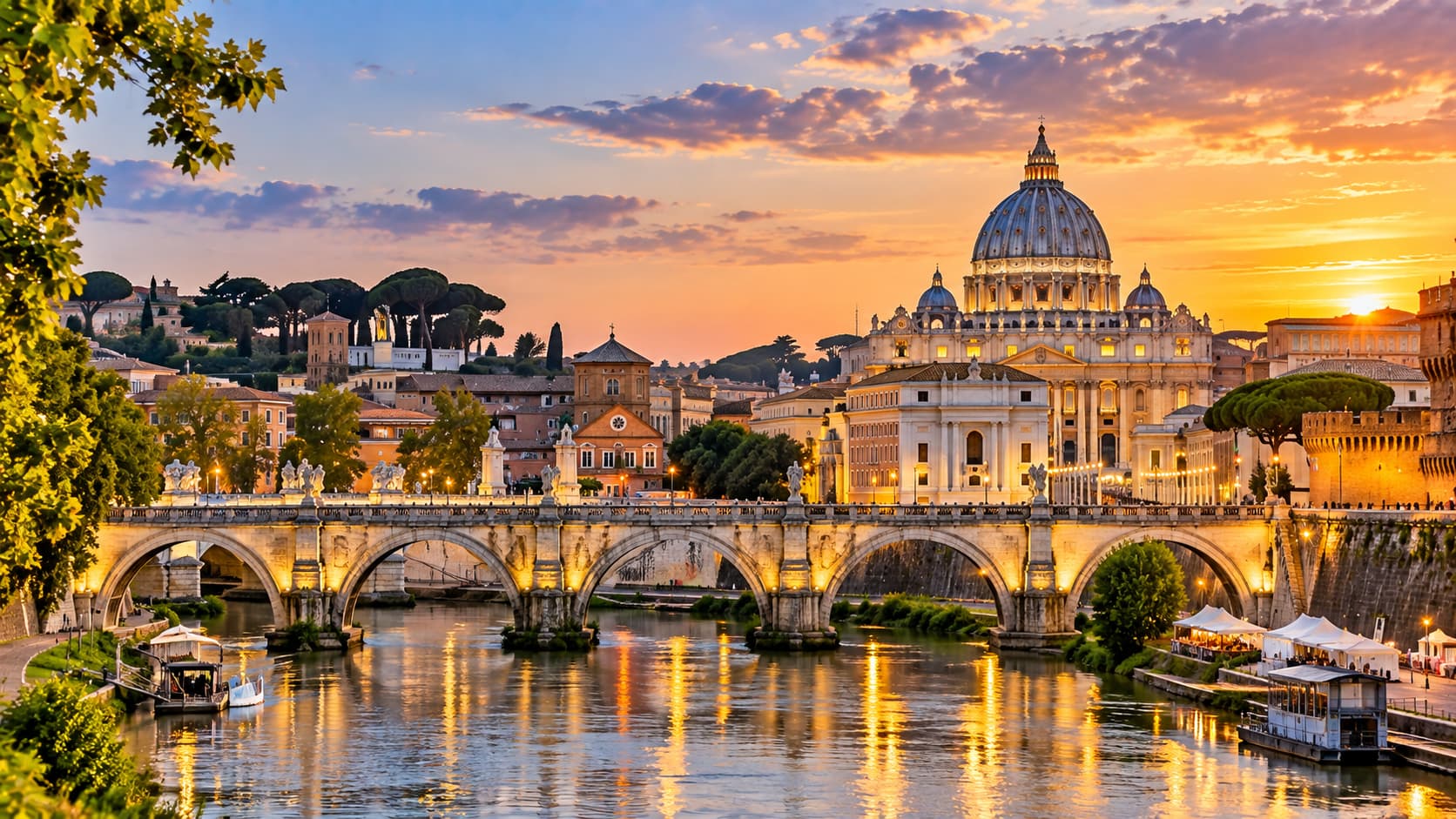
According to tradition, Rome was founded in 753 BC, and its story stretches across more than 2,000 years of Western civilization.
The Colosseum remains one of the world’s greatest ancient monuments. Once used for gladiatorial contests and public spectacles, its enormous stone structure continues to symbolize the power of the Roman Empire.
Throughout Rome, ruins of temples, basilicas, arches, and ancient public spaces appear alongside modern streets.
The Pantheon is another extraordinary example of Roman engineering, particularly famous for its monumental dome.
Then there is the Trevi Fountain, an elaborate Baroque masterpiece where travelers traditionally toss a coin into the water.
Across the Tiber River lies Vatican City, the world’s smallest sovereign state and home to St. Peter’s Basilica.
Rome is not simply a city with historic attractions.
The entire city feels like an open-air museum where layers of ancient Rome, Christianity, Renaissance art, Baroque architecture, and modern Italian life exist together.
4. Tromsø, Norway
Located above the Arctic Circle, Tromsø is known as the Gateway to the Arctic.
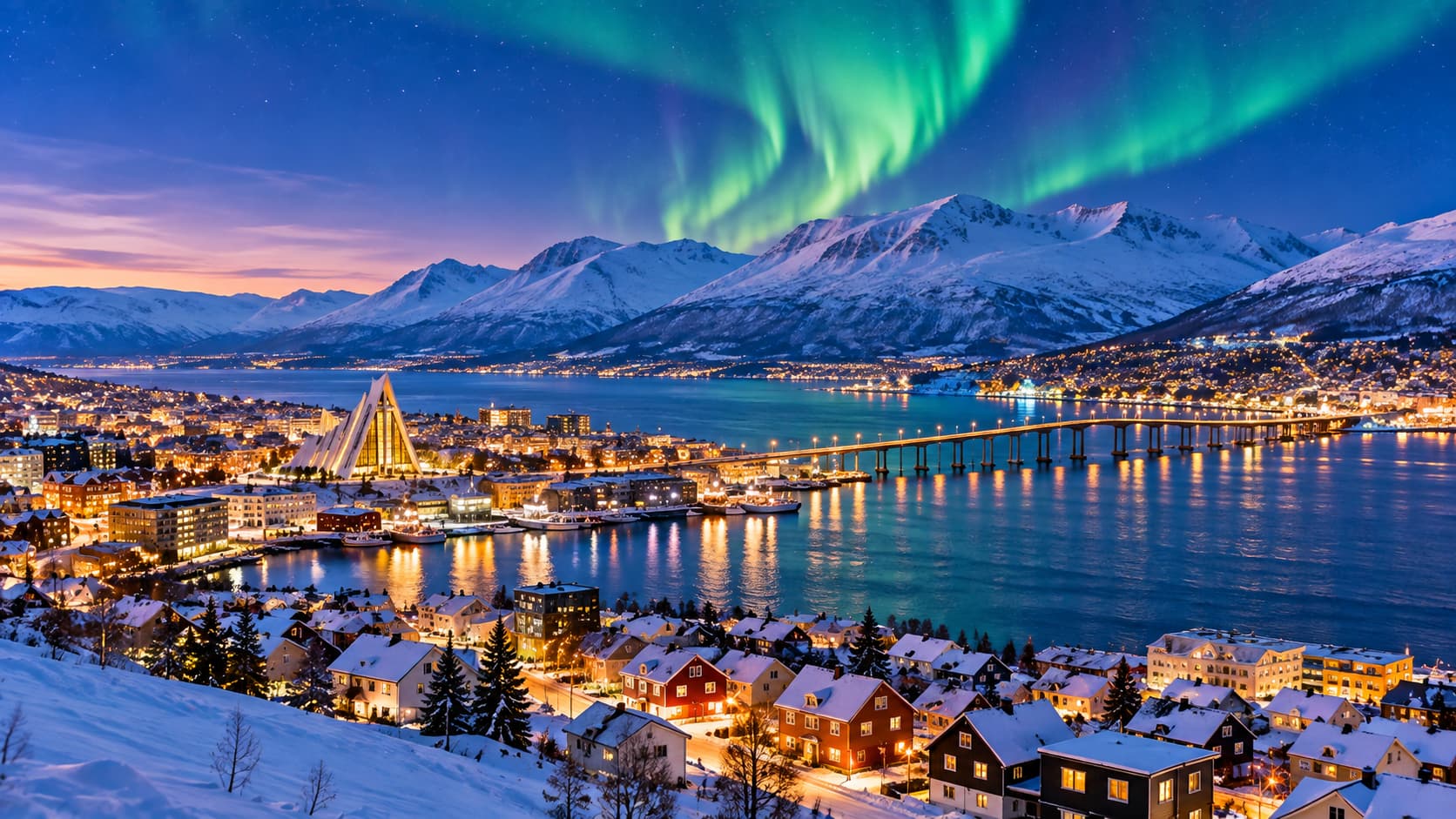
During winter, travelers come hoping to witness one of nature’s greatest spectacles: the Northern Lights.
Green, purple, and yellow light can dance across the dark Arctic sky, creating an experience that is difficult to forget.
Summer offers the opposite phenomenon.
During the Midnight Sun, the sun remains above the horizon for 24 hours, filling the landscape with almost continuous daylight.
Outdoor adventures are a major part of visiting Tromsø.
Travelers can climb surrounding mountains for panoramic views across the Arctic landscape or visit reindeer camps outside the city to learn about reindeer and local traditions.
Whether illuminated by the Northern Lights or Midnight Sun, Tromsø provides one of Europe’s most extraordinary encounters with nature.
3. Athens, Greece
Athens is one of the world’s oldest continuously inhabited cities and the birthplace of many ideas that shaped Western civilization.
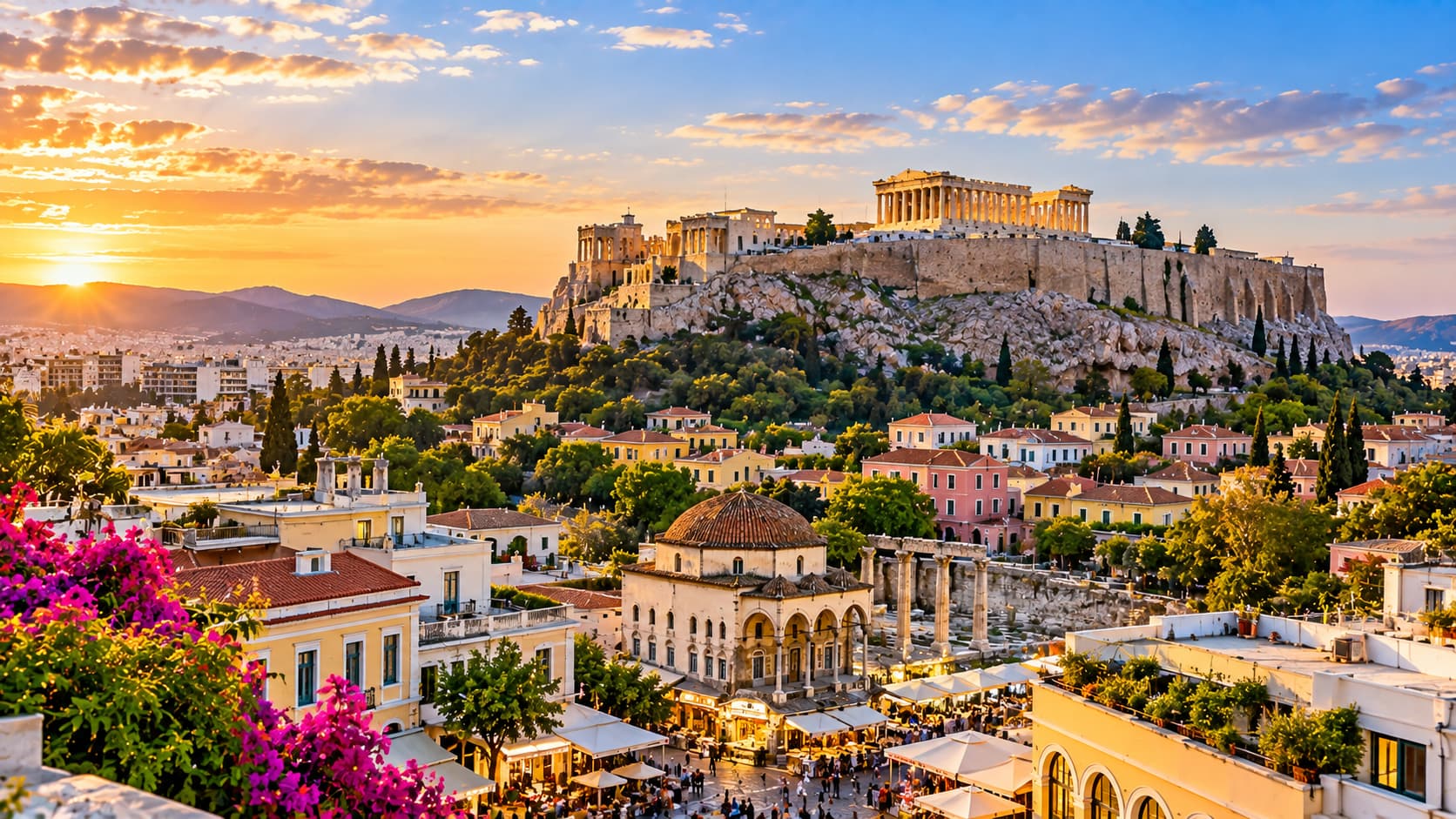
Named after Athena, the Greek goddess of wisdom, the city is filled with reminders of its extraordinary ancient past.
Above modern Athens rises the Acropolis, the city’s most famous archaeological landmark.
Its centerpiece is the Parthenon, a temple dedicated to Athena and one of the greatest achievements of classical Greek architecture.
Elsewhere, the Ancient Agora reveals the remains of what was once the center of political and social life in Athens.
The nearby Temple of Hephaestus, with its remarkably preserved Doric columns, provides another impressive example of ancient Greek craftsmanship.
Athens also played an important role in modern sporting history when it hosted the first modern Olympic Games in 1896.
Today, ancient monuments stand beside busy neighborhoods, restaurants, cafes, and modern architecture.
Athens allows travelers to experience a living city built directly upon the foundations of one of history’s most influential civilizations.
2. Venice, Italy
Built across more than 100 islands and connected by hundreds of bridges, Venice is one of the world’s most unusual cities.
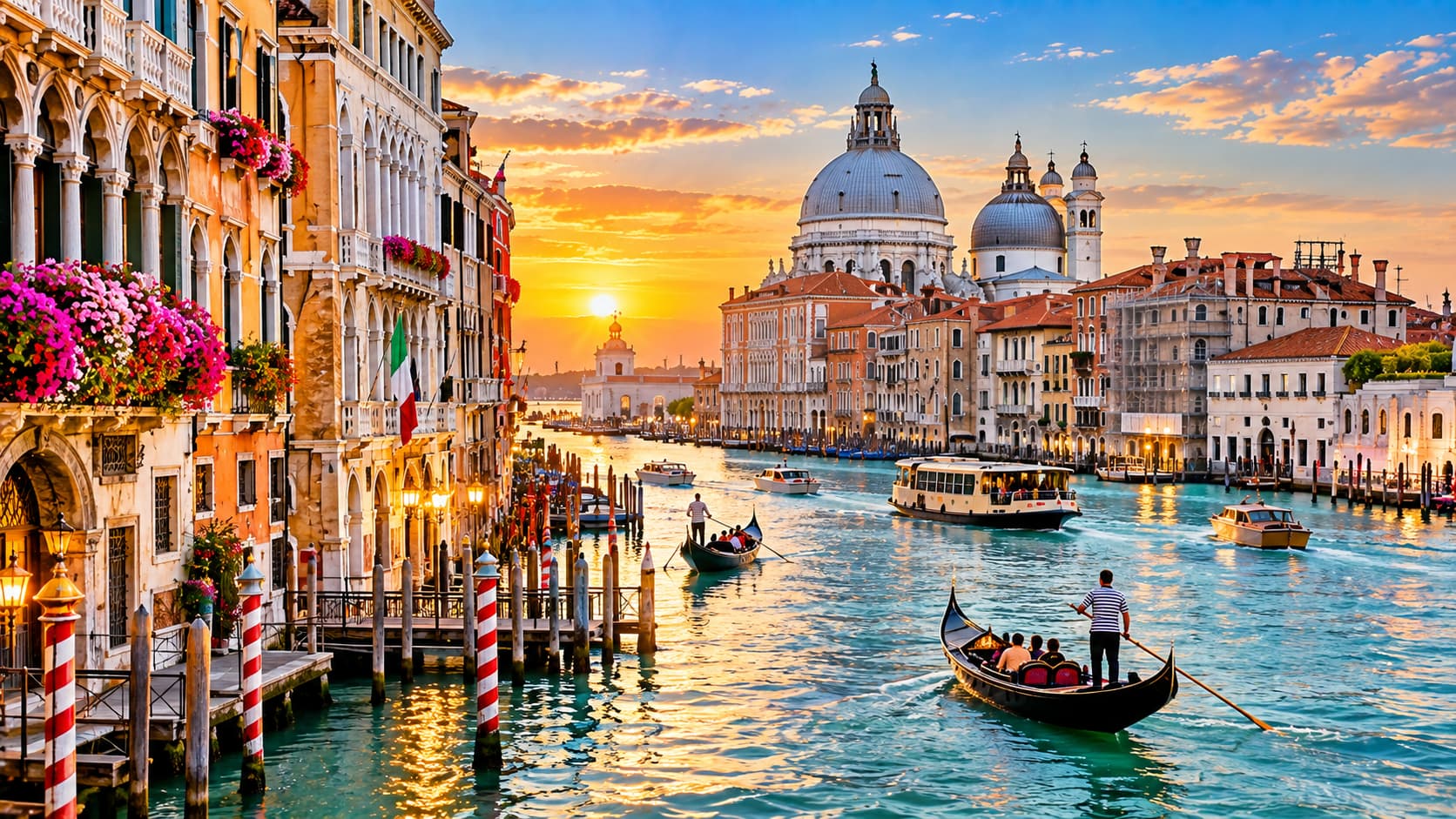
Instead of traditional streets and cars, much of historic Venice is organized around canals and pedestrian pathways.
A journey along the Grand Canal reveals centuries of Venetian architecture reflected in the water.
The famous Rialto Bridge spans the canal and has served as an important commercial connection for centuries.
At Piazza San Marco, travelers encounter one of Europe’s most famous public squares surrounded by remarkable architecture.
But some of Venice’s greatest pleasures come from wandering without a plan.
Walk through narrow alleys, cross small bridges, discover hidden squares, and stop at traditional restaurants away from the busiest routes.
Travelers can also cross the lagoon to San Giorgio Maggiore, where the bell tower provides spectacular views across Venice.
With every canal and bridge, Venice seems to reveal another piece of its extraordinary history.
1. Paris, France
At number one is Paris, one of the world’s most celebrated cities.
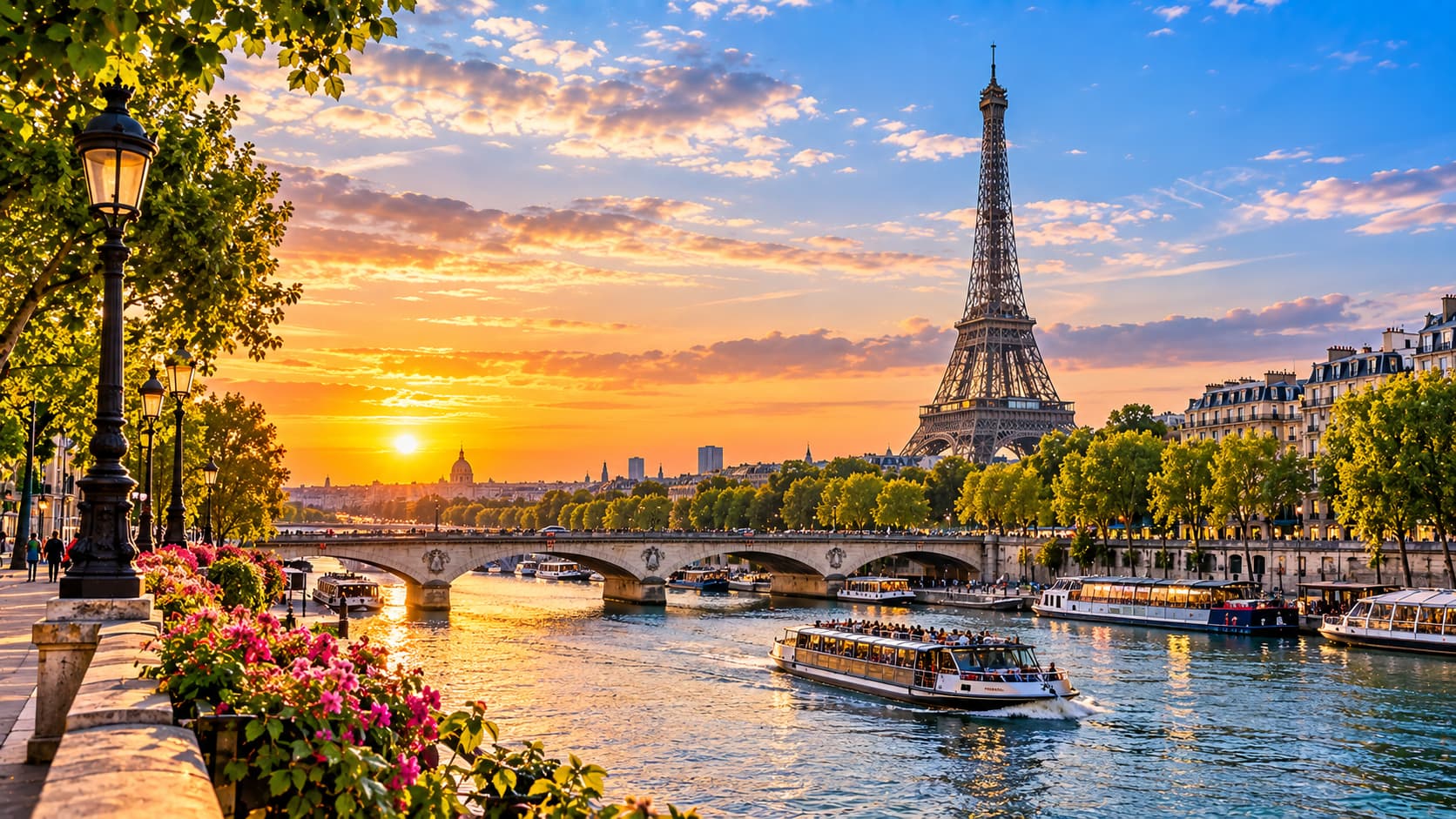
Known as the City of Light and one of the most romantic destinations on Earth, Paris combines art, history, architecture, fashion, cuisine, and an unmistakable sense of elegance.
At Place Charles de Gaulle stands the monumental Arc de Triomphe, commissioned by Napoleon in the early 19th century.
From there, Paris unfolds through grand avenues, historic neighborhoods, museums, gardens, and elegant architecture.
The Seine River flows through the heart of the city, crossed by dozens of bridges.
Among the most beautiful is Pont Alexandre III, famous for its ornate design and golden statues.
And then there is the landmark that has come to symbolize Paris itself: the Eiffel Tower.
Rising high above the French capital, the tower provides panoramic views across Paris and many of its most recognizable landmarks.
Yet Paris is more than the Eiffel Tower.
It is walking beside the Seine in the evening, discovering historic streets, sitting outside a cafe, admiring centuries of art and architecture, and watching the city illuminate after sunset.
Paris is a city where history and modern life exist side by side—and where countless travelers continue to find their own version of romance, beauty, and inspiration.
What Makes Europe Such an Incredible Travel Destination?
What makes Europe remarkable is not any single landmark, country, or landscape.
It is the diversity packed into a relatively compact region.
Within one trip, travelers can explore ancient Greek temples, Roman ruins, medieval castles, Renaissance churches, modern cities, Alpine valleys, Mediterranean islands, Atlantic volcanoes, and Arctic landscapes.
History is rarely confined to museums. It appears in streets, churches, bridges, castles, markets, and neighborhoods that remain part of everyday life.
Nature is equally diverse.
The Swiss Alps offer towering mountains and waterfalls. Madeira and the Azores provide volcanic landscapes. Mykonos delivers turquoise Mediterranean waters, while Tromsø and the Faroe Islands reveal the wild beauty of Northern Europe.
This combination of culture, history, cuisine, architecture, and natural scenery is what makes Europe endlessly rewarding to explore.
When Is the Best Time to Visit Europe?
The best time to visit Europe depends largely on where you plan to travel and what you want to experience.
Spring and early autumn are excellent choices for many major European cities because temperatures are generally comfortable and popular attractions can be less crowded than during the peak summer season.
Summer is ideal for destinations centered around beaches, islands, and outdoor activities, including Mykonos, Dubrovnik, Madeira, and the Mediterranean coast.
Winter provides completely different opportunities.
Cities such as Prague, Munich, Copenhagen, and Budapest can become atmospheric winter destinations, while Northern Norway attracts travelers hoping to see the Northern Lights.
Rather than looking for one perfect season for the entire continent, choose your travel dates based on the destinations and experiences that matter most to you.
Final Thoughts: Where Should You Visit in Europe?
Choosing the best places to visit in Europe is difficult because every destination offers something different.
History lovers can spend days exploring Rome, Athens, Prague, Istanbul, and Dubrovnik.
Travelers searching for romantic European cities may prefer Paris, Venice, Bruges, or Copenhagen.
For extraordinary natural landscapes, Lauterbrunnen, the Faroe Islands, Madeira, the Azores, Cappadocia, and Tromsø are difficult to beat.
And for travelers dreaming of sunshine and Mediterranean scenery, Barcelona and Mykonos provide completely different versions of the European summer.
The real beauty of Europe lies in this diversity.
Ancient ruins, medieval cities, Alpine valleys, volcanic islands, Arctic skies, world-famous museums, beaches, castles, and modern capitals can all be found within the same continent.
Whether this is your first European vacation or your tenth, there will always be another city to explore, another landscape to discover, and another piece of history waiting around the corner.
Have any thoughts?
Share your reaction or leave a quick response — we’d love to hear what you think!
-
 0
0
-
 -1
-1
-
 0
0
-
 0
0
-
 0
0
-
 0
0