
Central Europe is a captivating region where imperial capitals, medieval towns, Alpine landscapes, magnificent castles, and centuries of culture come together.
From the grand boulevards of Vienna to the Gothic towers of Prague and the spectacular architecture lining the Danube in Budapest, this part of Europe offers an extraordinary variety of travel experiences.
But the best cities to visit in Central Europe extend far beyond its famous capitals.
Travelers can wander through the colorful streets of Ljubljana, admire the lakes and mountains surrounding Lucerne, explore the historic squares of Krakow, discover the riverside beauty of Wrocław, or escape into the Alpine scenery of Innsbruck.
Whether you are interested in history, architecture, food, culture, photography, romantic getaways, or outdoor adventures, Central Europe has a destination for almost every type of traveler.
Here are **15 of the best cities to visit in Central Europe** for an unforgettable European journey.
1. Prague, Czechia
With Gothic towers, red rooftops, medieval streets, Baroque churches, historic bridges, and an enormous castle complex, Prague possesses one of the most recognizable skylines in Europe.
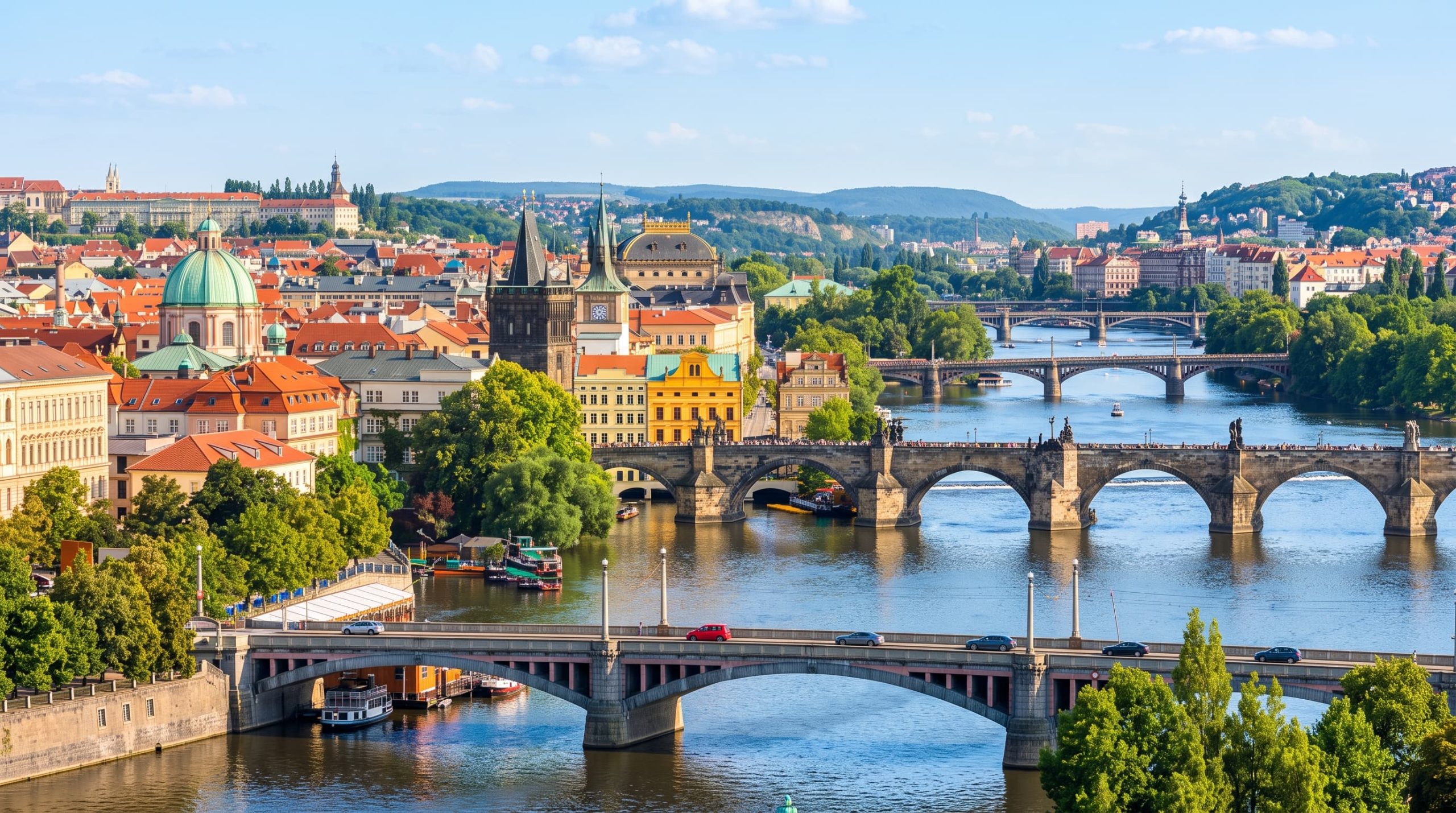
The Czech capital stretches along the Vltava River, with many of its major attractions concentrated within a walkable historic center.
Begin at Old Town Square, surrounded by colorful historic façades and landmarks such as the Church of Our Lady before Týn and Prague’s famous Astronomical Clock.
From here, narrow streets lead toward Charles Bridge, where statues line the historic crossing and Prague Castle rises in the distance.
On the opposite side of the river, explore Malá Strana before climbing toward the enormous Prague Castle complex.
Within the castle district, the Gothic architecture of St. Vitus Cathedral creates one of Prague’s most impressive sights, while Golden Lane provides a more intimate look at the area’s past.
There is also plenty to discover beyond Prague’s headline attractions.
The historic Jewish Quarter contains important synagogues and the Old Jewish Cemetery, while Petřín Hill provides gardens and panoramic city views.
Traditional Czech cuisine, historic beer halls, classical concerts, and riverside cafés offer plenty of options after a day of sightseeing.
Prague becomes especially beautiful around sunset and after dark, when streetlights illuminate its cobbled lanes and Prague Castle glows above the Vltava River.
For first-time visitors to Central Europe, Prague offers an extraordinary combination of architecture, history, atmosphere, culture, and walkability.
2. Vienna, Austria
Imperial palaces, classical music, monumental boulevards, museums, parks, and traditional coffee houses make Vienna one of Central Europe’s great cultural capitals.
Once at the center of the Habsburg Empire, Austria’s capital retains an extraordinary collection of historic architecture.
In the heart of the city stands St. Stephen’s Cathedral, whose Gothic tower rises over Vienna’s historic center.
Nearby, the Hofburg Palace provides insight into Vienna’s imperial history through royal apartments, museums, courtyards, and other cultural attractions.
Beyond the city center, Schönbrunn Palace presents another impressive side of Habsburg life. Its grand interiors are accompanied by vast formal gardens, fountains, and elevated viewpoints.
The Belvedere Palace combines magnificent Baroque architecture with an important art collection that includes Gustav Klimt’s The Kiss.
Music is equally central to Vienna’s identity.
Mozart, Beethoven, Schubert, and Strauss are all closely associated with the city’s musical legacy, which continues in famous venues including the Vienna State Opera and Musikverein.
However, Vienna’s quieter traditions can be just as memorable.
Spend an afternoon over coffee and cake in a traditional coffee house, browse the stalls of Naschmarkt, ride the giant Ferris wheel at the Prater, or simply watch trams travel along the city’s monumental avenues.
Vienna successfully combines its imperial heritage with the everyday rhythm of a modern European capital.
3. Budapest, Hungary
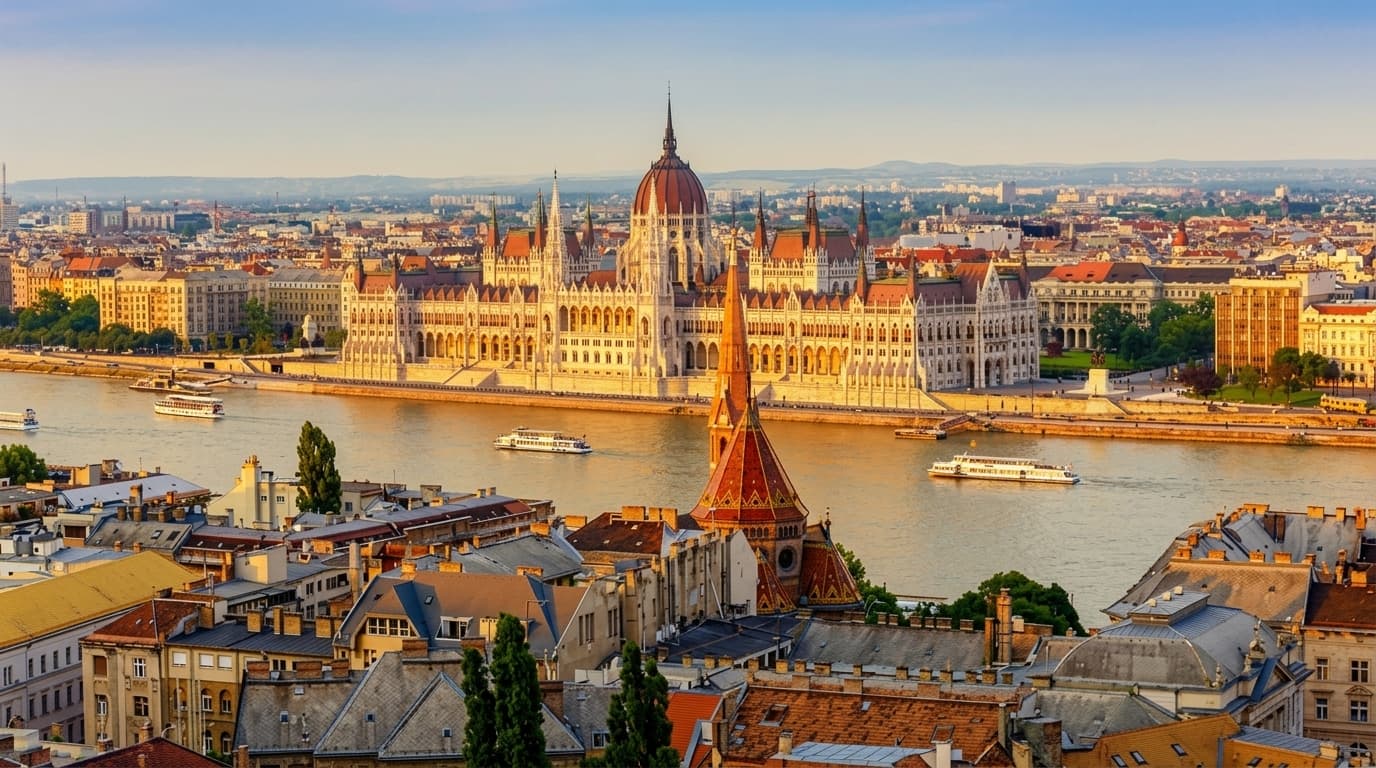
Straddling the Danube River, Budapest combines historic hills, monumental architecture, thermal bathing traditions, café culture, and energetic neighborhoods.
The river separates the historic hills of Buda from the urban streets of Pest, creating one of Europe’s most recognizable cityscapes.
Among Budapest’s most impressive landmarks is the Hungarian Parliament Building, whose elaborate Neo-Gothic architecture dominates the Danube waterfront.
The city is equally famous for its thermal baths.
Historic bathing complexes such as Széchenyi, Rudas, and Gellért provide an experience closely connected with Budapest’s thermal-water traditions.
Another distinctive feature of the city is its collection of ruin bars, where older buildings have been transformed into unconventional social spaces featuring art, music, and eclectic interiors.
A cruise along the Danube offers a different perspective of Budapest’s bridges, churches, palaces, and waterfront landmarks, particularly after sunset.
Historic coffee houses preserve elements of the city’s Austro-Hungarian heritage, while contemporary cafés and restaurants add a modern dimension.
For travelers interested in architecture, food, nightlife, history, thermal spas, and river scenery, Budapest offers an exceptionally varied city break.
4. Salzburg, Austria
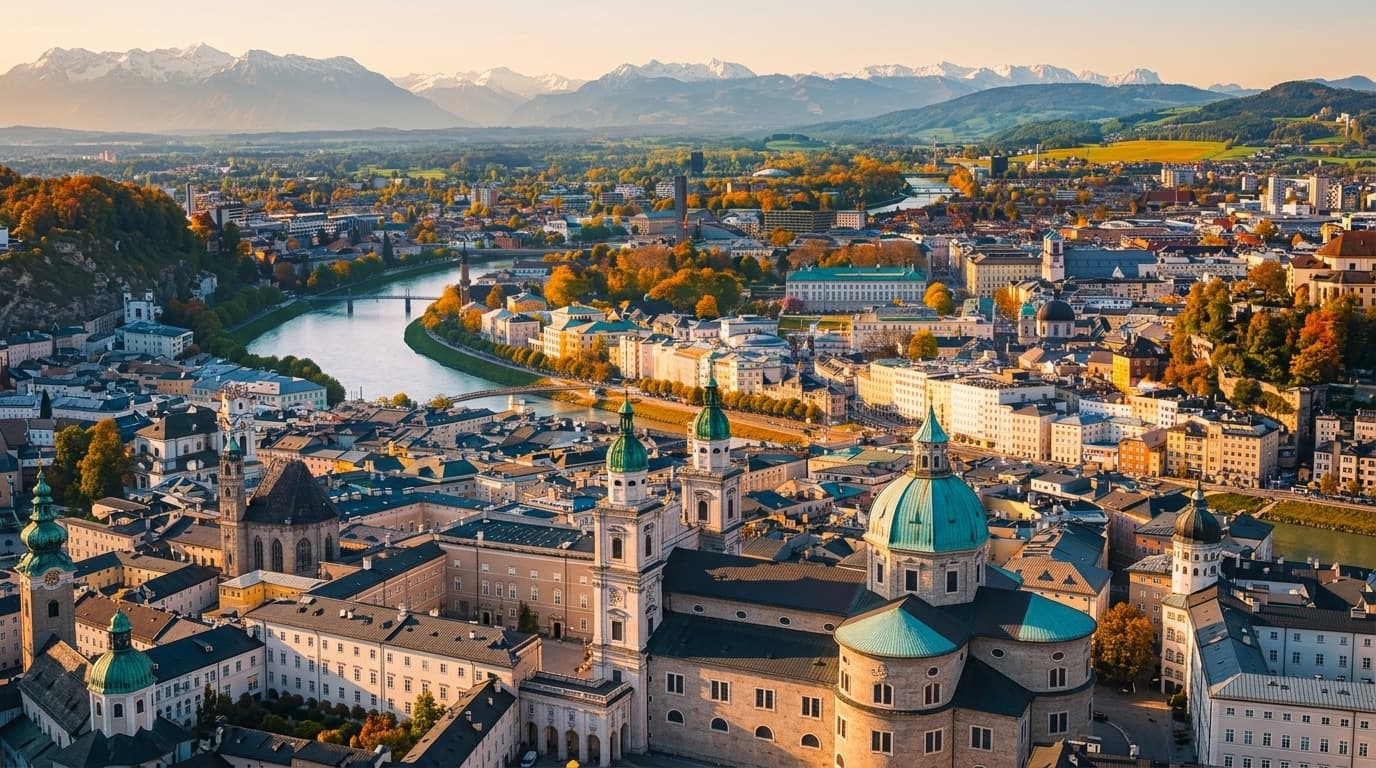
Surrounded by Alpine scenery and divided by the Salzach River, Salzburg is a city where music, Baroque architecture, history, and nature come together.
The city is internationally associated with Wolfgang Amadeus Mozart, who was born here, as well as The Sound of Music.
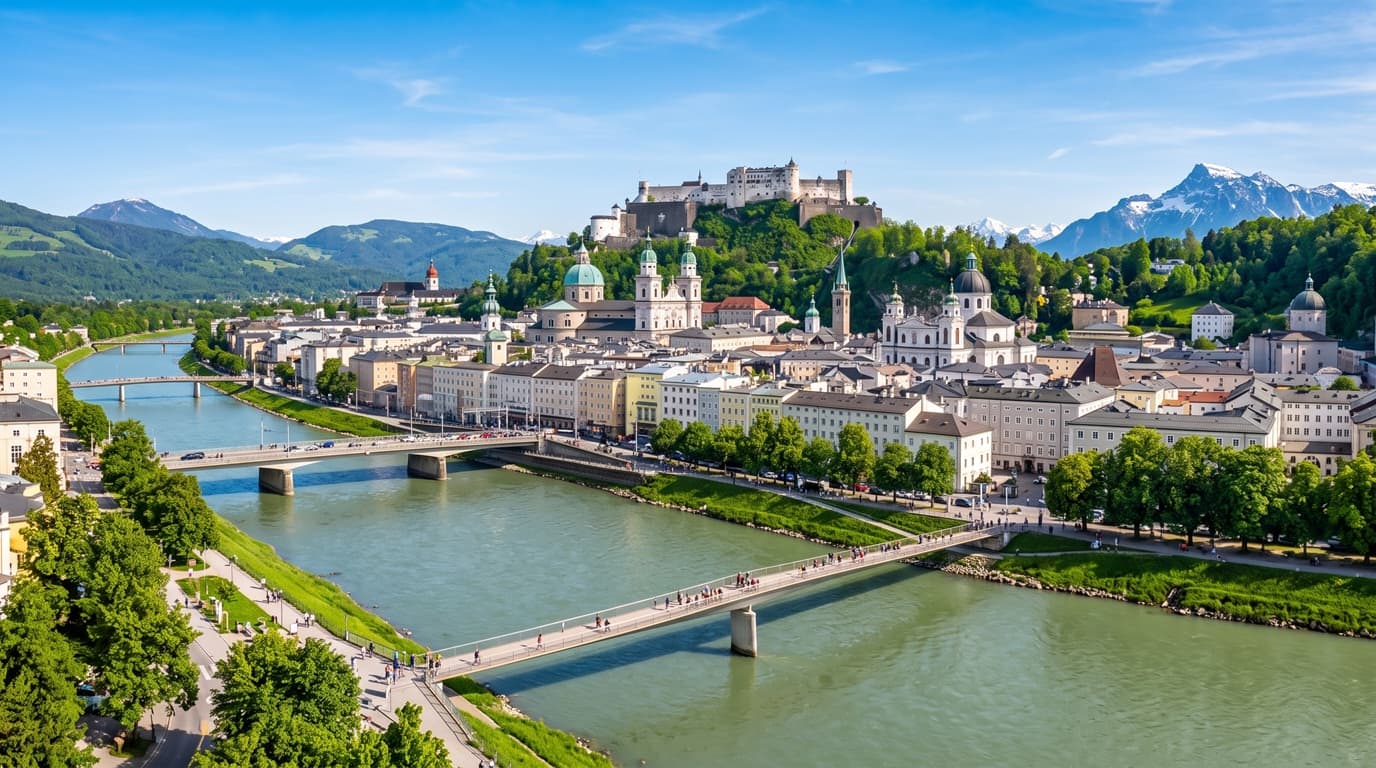
Salzburg’s beautifully preserved Old Town features medieval lanes, grand squares, ornate churches, fountains, and centuries-old buildings.
Visitors can explore Mozart’s birthplace before continuing to Salzburg Cathedral, one of the city’s most important Baroque landmarks.
High above the historic center stands Hohensalzburg Fortress, which has overlooked Salzburg for more than nine centuries. Its elevated position provides sweeping views across church domes, red rooftops, and the surrounding mountains.
Another popular stop is Mirabell Palace and Gardens, particularly beautiful during the warmer months.
Salzburg is also an excellent starting point for discovering Austria’s nearby mountains, lakes, and hiking areas.
Classical concerts, seasonal festivals, Christmas markets, traditional Austrian dishes, apple strudel, and Mozartkugel chocolates add to the city’s cultural experience.
Salzburg’s ability to combine architecture, music, food, and Alpine scenery makes it one of Central Europe’s most memorable destinations.
5. Krakow, Poland
Once Poland’s royal capital, Krakow combines extraordinary historical architecture with a lively contemporary cultural scene.
At the center is Rynek Główny, the city’s enormous medieval market square.
Here, visitors will find the historic Cloth Hall and St. Mary’s Basilica alongside restaurants, cafés, flower stalls, and street performers.
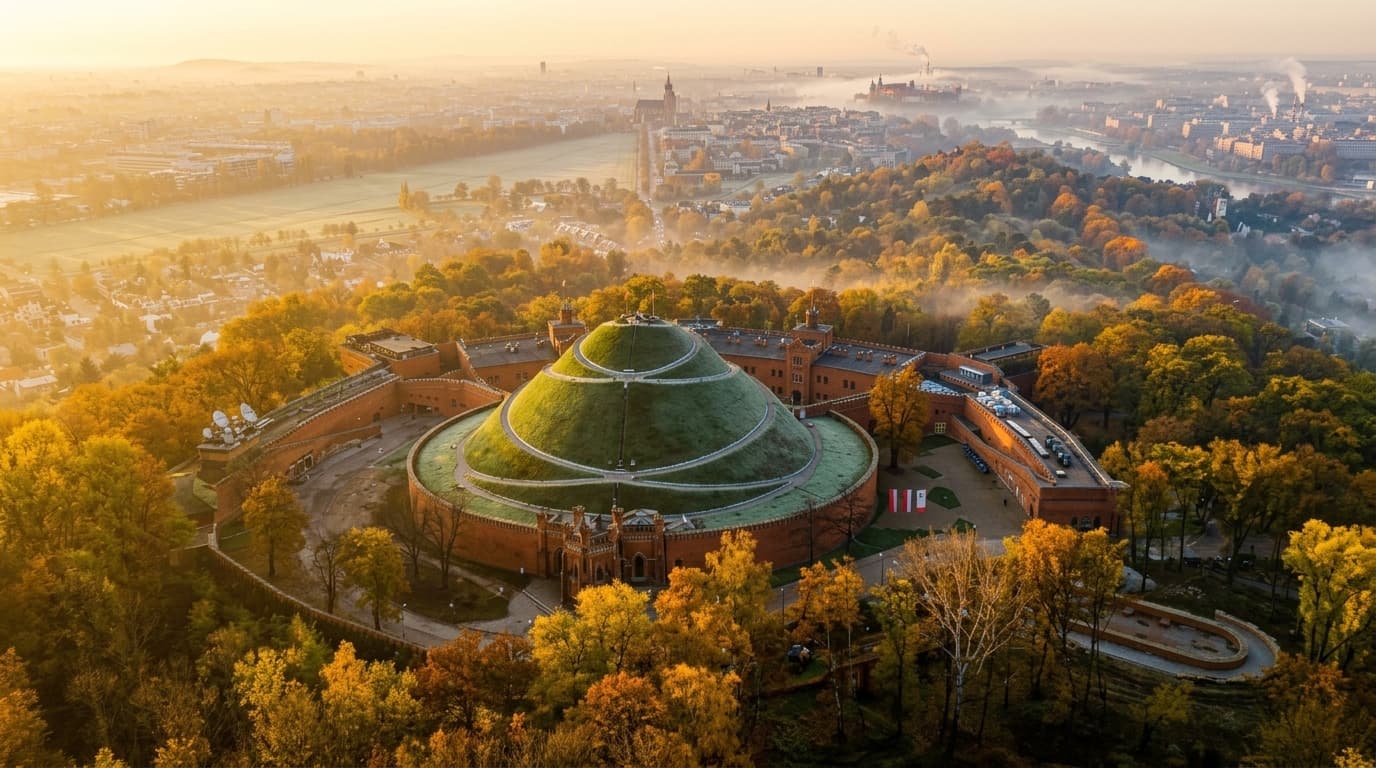
Overlooking the city from a limestone hill is Wawel Castle, a site closely connected with Poland’s royal history. The cathedral and castle complex provide a fascinating introduction to centuries of Polish heritage.
Another essential district is Kazimierz, Krakow’s historic Jewish Quarter. Synagogues and places of remembrance stand alongside cafés, street art, restaurants, and independent businesses.
Visitors interested in the city’s World War II history can also explore the Schindler’s Factory Museum.
Krakow’s appeal extends into its food culture. Traditional Polish dishes, casual milk bars, modern restaurants, cafés, and local specialties provide plenty to discover between historic attractions.
The combination of medieval architecture, royal history, cultural depth, and youthful energy makes Krakow one of the most compelling cities in Central Europe.
6. Lucerne, Switzerland
Few destinations combine historic architecture and natural beauty as effortlessly as Lucerne.
Set beside Lake Lucerne and surrounded by the Swiss Alps, the city offers picturesque waterfront scenery alongside one of Switzerland’s most attractive historic centers.
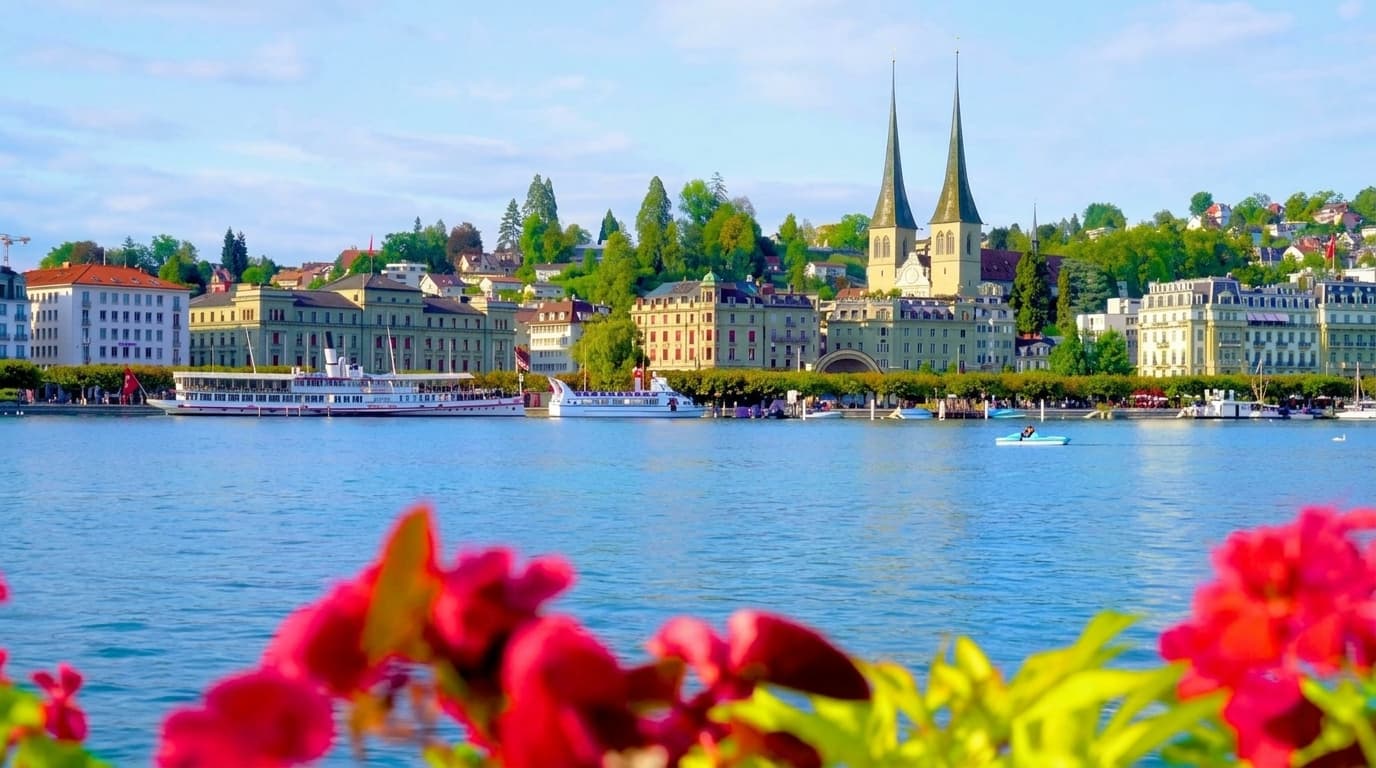
Its best-known landmark is the Chapel Bridge, or Kapellbrücke, a historic wooden bridge crossing the Reuss River.
Lucerne’s Old Town adds colorful buildings, cobbled streets, decorated façades, hidden alleys, and lively public squares.
Yet the surrounding landscape is just as important as the city itself.
Boat trips across Lake Lucerne offer peaceful views of the surrounding mountains, while nearby peaks such as Mount Pilatus and Mount Rigi provide spectacular panoramic experiences.
As evening arrives, reflections and city lights transform the waterfront into an especially atmospheric setting.
For travelers looking to combine a traditional Swiss city with lakes and Alpine scenery, Lucerne is difficult to overlook.
7. Bern, Switzerland
Switzerland’s capital offers a slower and more atmospheric urban experience than many European capitals.
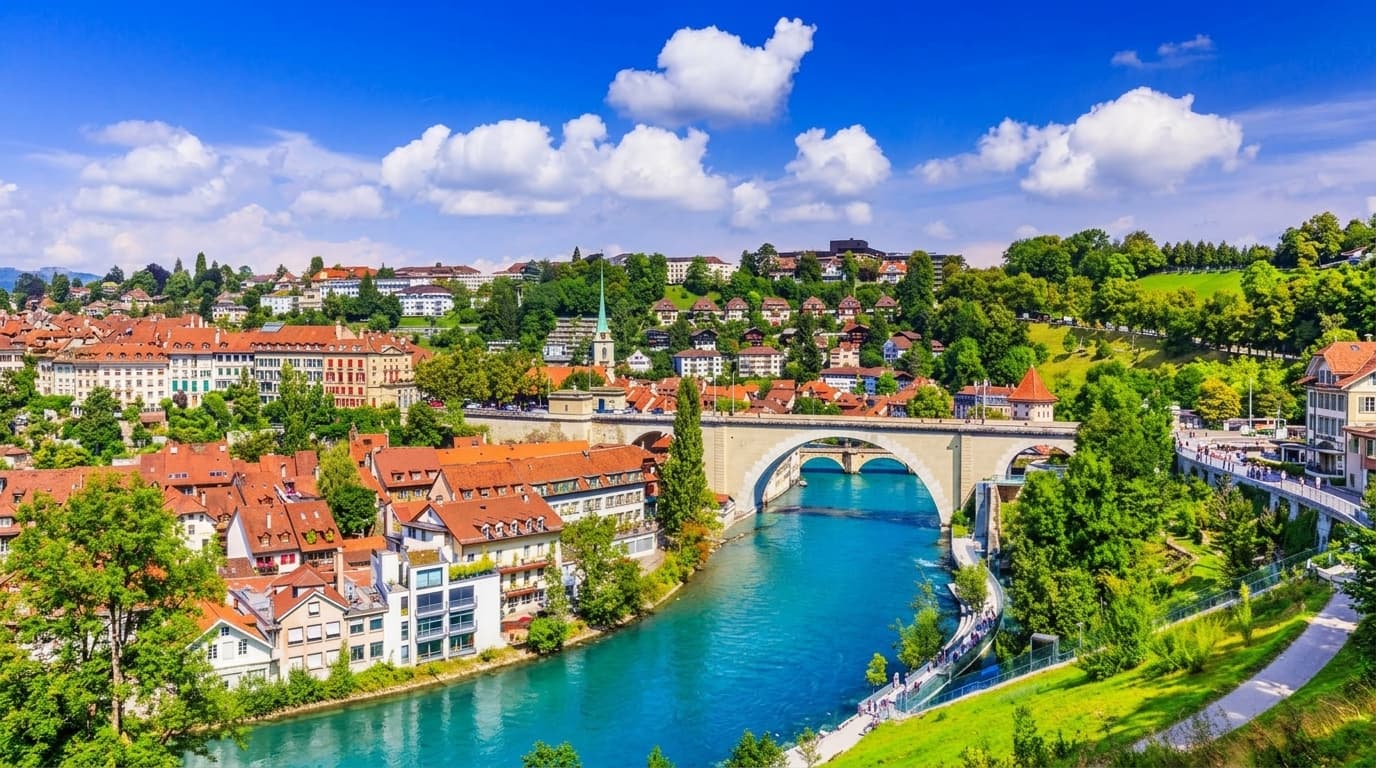
Surrounded on three sides by the turquoise Aare River, Bern’s historic center is celebrated for its remarkably preserved medieval architecture.
Long sandstone arcades run through the Old Town, creating kilometers of covered walkways lined with shops, restaurants, and everyday city life.
One of Bern’s most famous landmarks is the Zytglogge, a medieval clock tower whose history stretches back centuries.
Wander farther through the cobblestone streets and you will encounter colorful fountains, historic façades, quiet corners, and rows of harmonious rooftops.
The city’s geography makes it particularly photogenic. From elevated viewpoints, visitors can see the Aare curving around the Old Town, surrounded by greenery and distant hills.
Calm, historic, and elegant, Bern is ideal for travelers who appreciate medieval architecture and cities best explored at an unhurried pace.
8. Munich, Germany
The Bavarian capital combines royal history, traditional culture, impressive architecture, major museums, enormous parks, and easy access to the Alps.
At the center of Munich is Marienplatz, dominated by the elaborate Gothic Revival façade of the New Town Hall and its famous Glockenspiel.
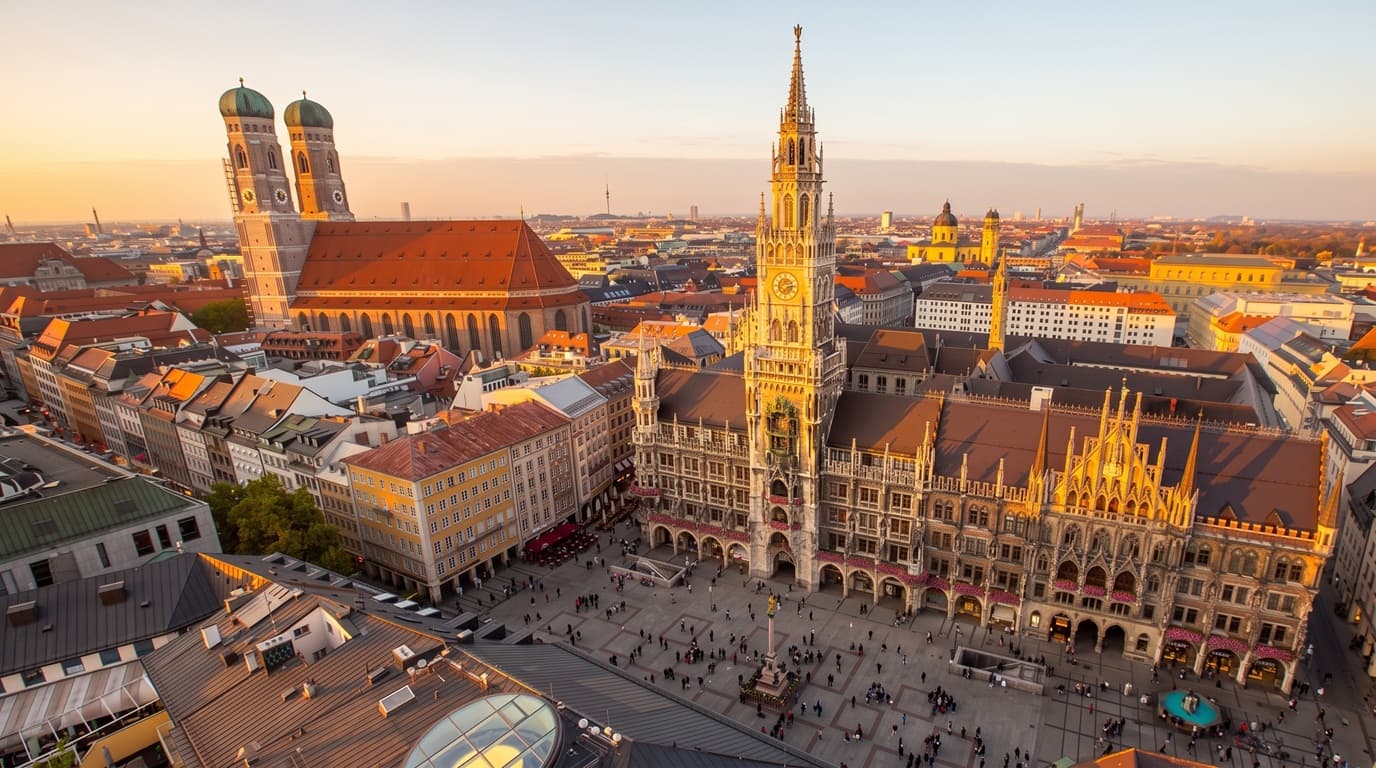
Nearby, the twin towers of the Frauenkirche have defined Munich’s skyline for centuries, while the Viktualienmarkt offers produce, regional foods, flowers, cheeses, and Bavarian specialties.
Munich’s royal heritage can be explored inside the Residenz, once the palace of Bavaria’s rulers. Another magnificent royal destination, Nymphenburg Palace, is surrounded by gardens, canals, and extensive parkland.
Traditional beer culture remains another important part of Munich’s identity. Historic beer halls and leafy beer gardens serve Bavarian dishes and locally brewed beer, while Oktoberfest attracts international visitors each year.
Nature is never far away either.
The enormous English Garden stretches through the city, featuring walking trails, riverside meadows, and the famous surfers riding the Eisbach wave.
With Alpine landscapes and Bavarian countryside within easy reach, Munich is an excellent base for travelers who want to combine city sightseeing with outdoor adventures.
9. Ljubljana, Slovenia
Compact, green, walkable, and full of character, Ljubljana offers the attractions of a European capital without the overwhelming scale of a much larger city.
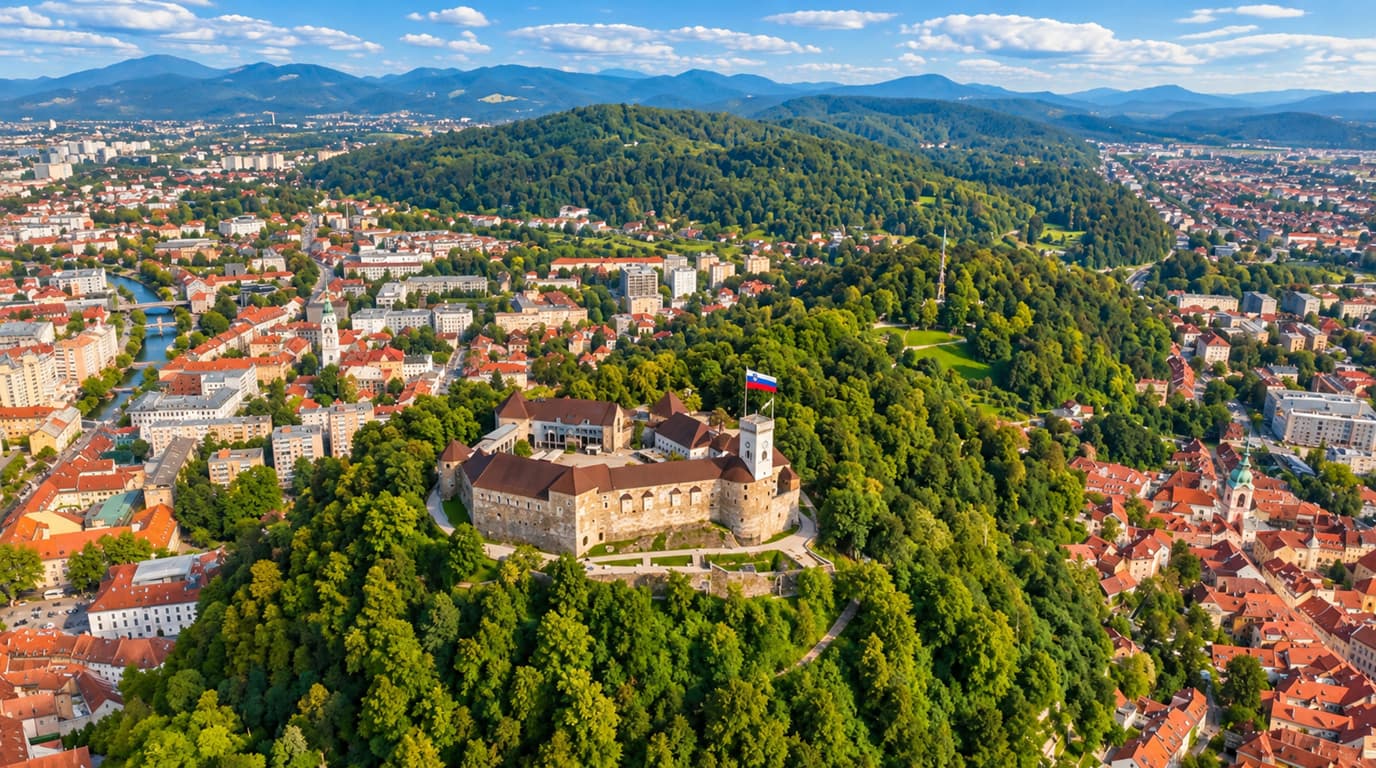
The Ljubljanica River forms the heart of the city, with pedestrian embankments lined by trees, restaurants, and outdoor cafés.
Among Ljubljana’s most famous landmarks is the Triple Bridge, connecting Prešeren Square with the Old Town. Nearby, the Dragon Bridge features sculptures of the creature that has become one of Ljubljana’s best-known symbols.
Looking down over the city is Ljubljana Castle, accessible on foot or by funicular. From its elevated position, visitors can enjoy panoramic views across the red rooftops and toward the distant Alps.
The city’s appearance was also strongly influenced by Slovenian architect Jože Plečnik, whose bridges, markets, columns, and public spaces helped shape modern Ljubljana.
Much of the historic center is designed around pedestrians rather than cars, creating an unusually relaxed atmosphere.
Instead of relying on a single monumental attraction, Ljubljana’s appeal comes from its overall experience: riverside cafés, elegant bridges, markets, leafy streets, historic buildings, and castle views.
10. Bratislava, Slovakia
Sitting on the Danube near Austria and Hungary, Bratislava is one of Central Europe’s most compact and accessible capitals.
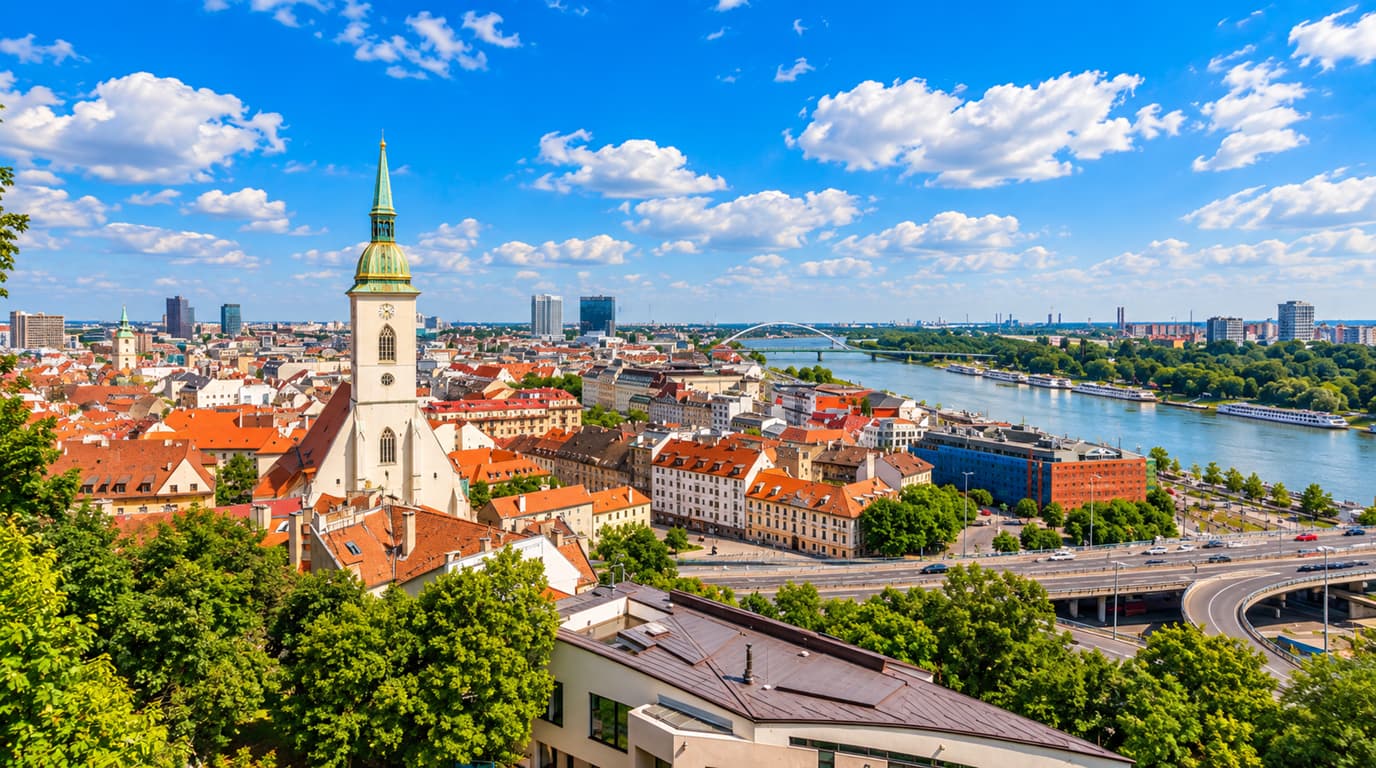
Its historic center features pedestrian streets, pastel-colored buildings, Baroque palaces, medieval landmarks, cafés, churches, and lively public squares.
One of the city’s most recognizable sights is Michael’s Gate, the only surviving gate from Bratislava’s medieval fortifications.
Nearby, St. Martin’s Cathedral played a significant historical role as the coronation church for Hungarian monarchs.
Above the Danube stands Bratislava Castle, recognizable by its four corner towers. Its elevated location offers expansive views across the city and surrounding landscape.
The riverfront introduces a more modern side of Bratislava, including contemporary architecture and the distinctive UFO observation deck on the SNP Bridge.
For a rewarding excursion outside the center, visit Devin Castle, whose ruins occupy a dramatic position above the meeting point of the Danube and Morava rivers.
Bratislava’s smaller scale is one of its greatest advantages. Major sights are relatively close together, making it an excellent city to discover on foot.
11. Innsbruck, Austria
Few European cities have a natural setting as dramatic as Innsbruck.
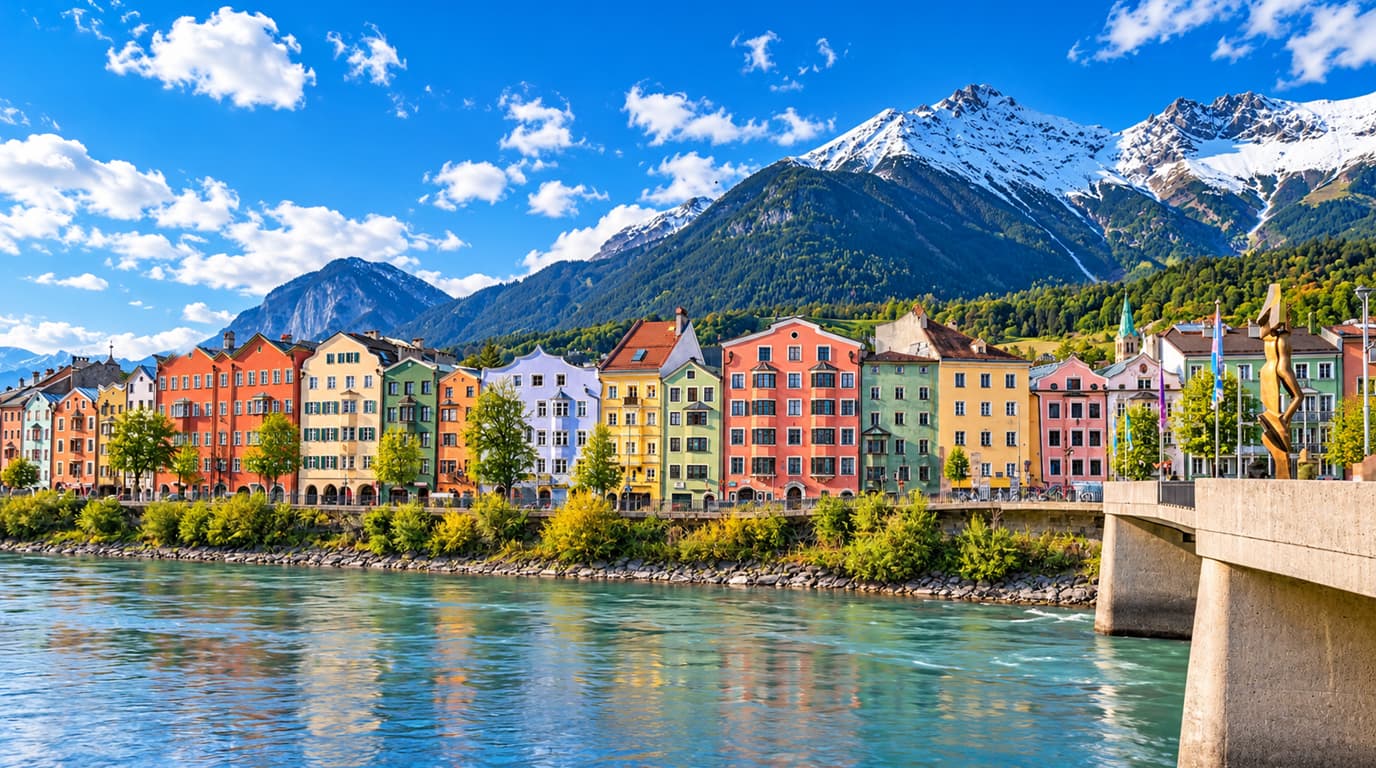
Located in Austria’s Tyrol region, Innsbruck sits in a valley surrounded by towering Alpine peaks. This spectacular location allows travelers to combine historic sightseeing with skiing, hiking, and mountain adventures.
The city’s historic center is centered around the famous Golden Roof, a late-Gothic landmark decorated with thousands of gilded copper tiles.
Nearby streets are lined with pastel-colored façades, traditional cafés, and historic buildings, all framed by the Nordkette mountains.
Innsbruck’s imperial heritage can be discovered at the Hofburg and Hofkirche, while Maria-Theresien-Straße offers one of the city’s classic views toward the mountains.
What makes Innsbruck particularly special, however, is the accessibility of the Alps.
The Nordkette cable car system allows visitors to travel from the city toward high-altitude viewpoints and mountain trails in remarkably little time.
Innsbruck is also famous for winter sports and has hosted the Winter Olympics twice. The Bergisel Ski Jump reflects that sporting history and provides impressive views across the city.
In Innsbruck, you can explore imperial landmarks in the morning and find yourself high among Alpine peaks later the same day.
12. Wrocław, Poland
Colorful merchant houses, Gothic churches, river islands, and more than a hundred bridges make Wrocław one of Poland’s most distinctive cities.
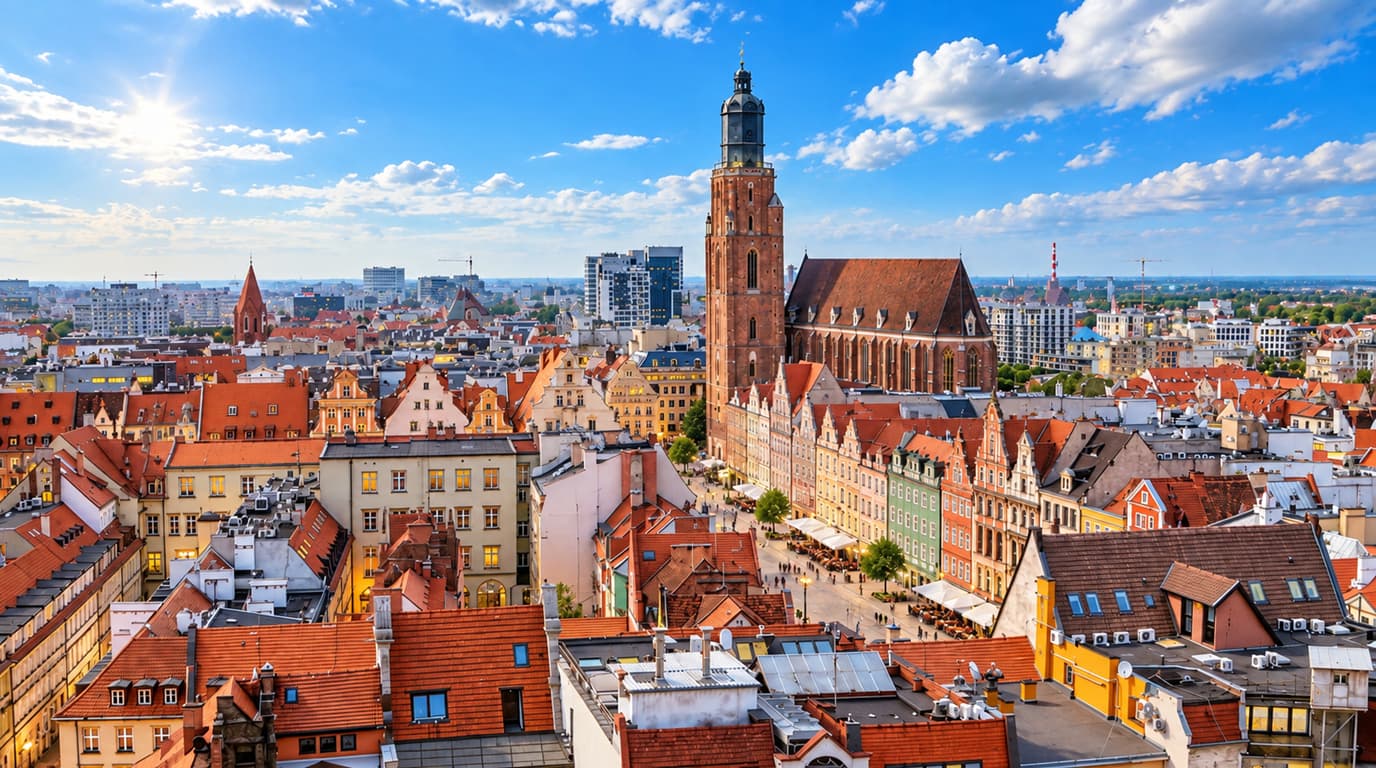
Located along the Oder River in southwestern Poland, Wrocław has been influenced by different kingdoms, cultures, and empires throughout its long history.
At the center of the city is its magnificent Market Square, surrounded by brightly colored façades and dominated by the historic Old Town Hall.
Cross the river to reach Cathedral Island, the oldest section of Wrocław. Brick churches, historic buildings, peaceful lanes, and traditional gas lamps create an especially atmospheric setting after sunset.
The Cathedral of St. John the Baptist, with its twin towers, forms one of the area’s most recognizable landmarks.
Wrocław also has a playful side.
Hundreds of small bronze dwarf statues can be found throughout the city beside buildings, bridges, sidewalks, and public spaces. Searching for these miniature sculptures has become an entertaining way to explore Wrocław on foot.
With historic architecture, riverfront walks, colorful squares, university traditions, and an unmistakable personality, Wrocław deserves a place on any Central Europe itinerary.
13. Zurich, Switzerland
Switzerland’s largest city combines historic architecture, sophisticated urban life, crystal-clear water, and easy access to spectacular natural scenery.
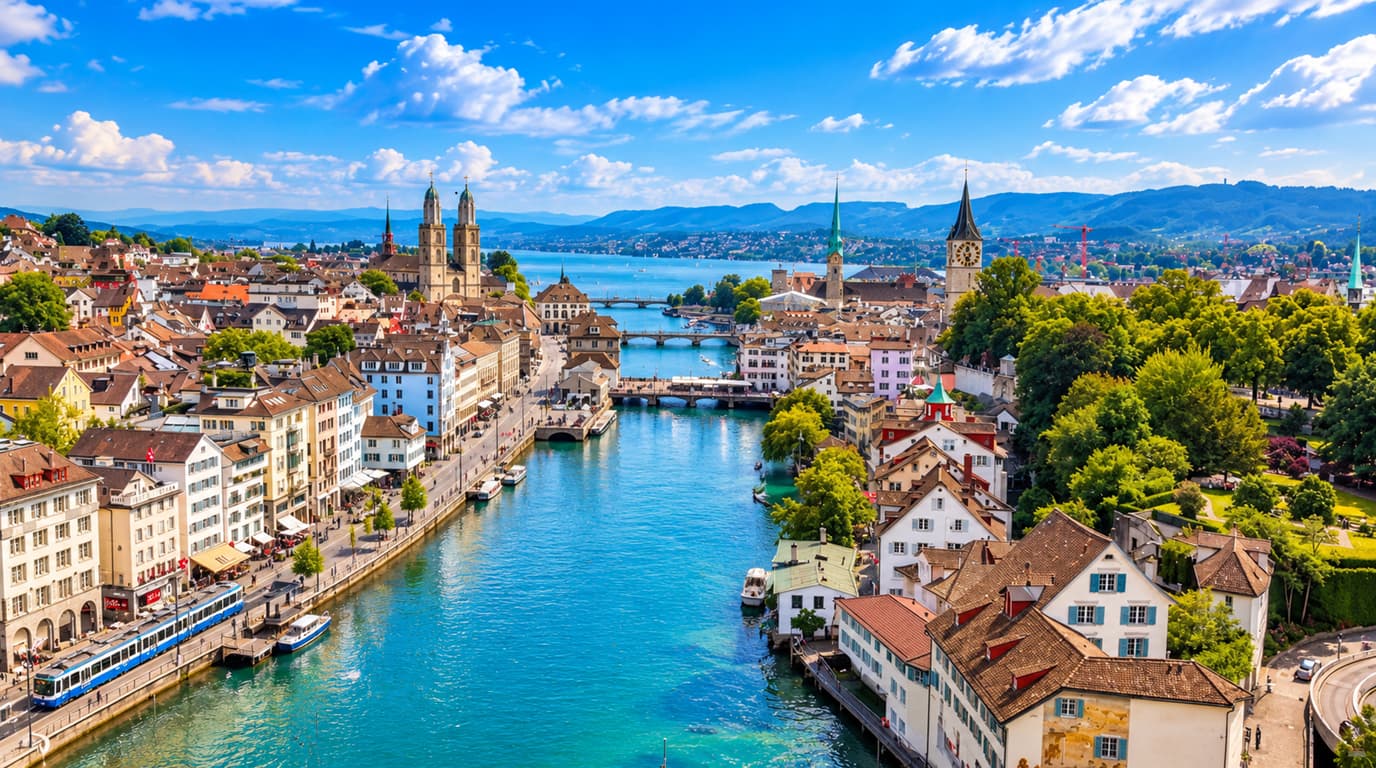
Located at the northern end of Lake Zurich and divided by the Limmat River, Zurich offers far more than its reputation as an international financial center might suggest.
Start in the Altstadt, or Old Town, where medieval lanes wind between historic buildings, cafés, hidden courtyards, and charming squares.
The twin towers of the Grossmünster dominate the city skyline, while the nearby Fraumünster is particularly well known for its stained-glass windows created by Marc Chagall.
For a taste of Zurich’s elegant side, stroll along Bahnhofstrasse, the famous avenue running from the main railway station toward the lake.
However, some of Zurich’s most memorable experiences can be found along the waterfront.
Promenades follow the lake beneath leafy trees, while clear days reveal beautiful views toward the Alps. Boats provide another relaxing way to experience Lake Zurich and its surrounding communities.
Add museums, Swiss cuisine, historic streets and creative neighborhoods such as Zurich West, and the result is a city that combines urban sophistication with nature exceptionally well.
14. Dresden, Germany
Situated along the Elbe River in eastern Germany, Dresden is renowned for its Baroque architecture, royal heritage, important museums, and impressive riverside setting.
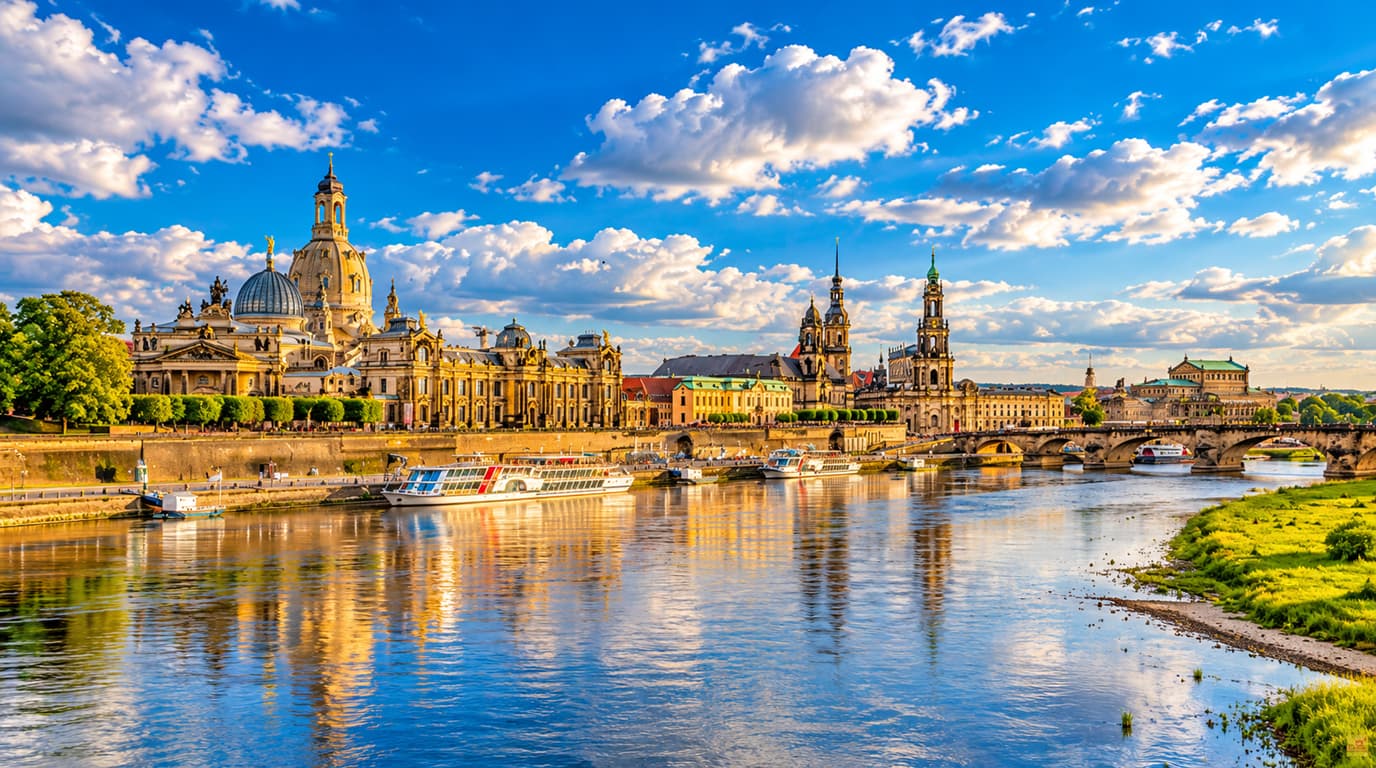
Once a major residence of Saxon royalty, Dresden developed a reputation for extraordinary art and architectural wealth.
One of the city’s most recognizable landmarks is the Frauenkirche, whose monumental stone dome rises above Neumarkt Square. Destroyed during World War II and reconstructed decades later, the church has become closely associated with Dresden’s restoration.
Nearby stands the magnificent Zwinger, an elaborate Baroque complex originally associated with the Saxon royal court and now home to important museum collections.
Visitors can also explore Dresden Castle, the Semperoper, and the famous Fürstenzug, an enormous porcelain mural portraying generations of Saxon rulers.
For panoramic river views, walk along Brühl’s Terrace, which overlooks the Elbe and the Neustadt district.
Cross the river and Dresden reveals a different personality. Neustadt offers cafés, restaurants, independent stores, colorful street art, and lively courtyards.
This contrast between reconstructed royal landmarks and contemporary neighborhoods makes Dresden one of the most fascinating cultural destinations in Central Europe.
15. Český Krumlov, Czechia
Nestled in southern Czechia, Český Krumlov looks as though it has been preserved from another century.
The historic town is famous for its red-tiled rooftops, cobblestone lanes, Renaissance and Baroque architecture, winding river, and enormous hilltop castle.
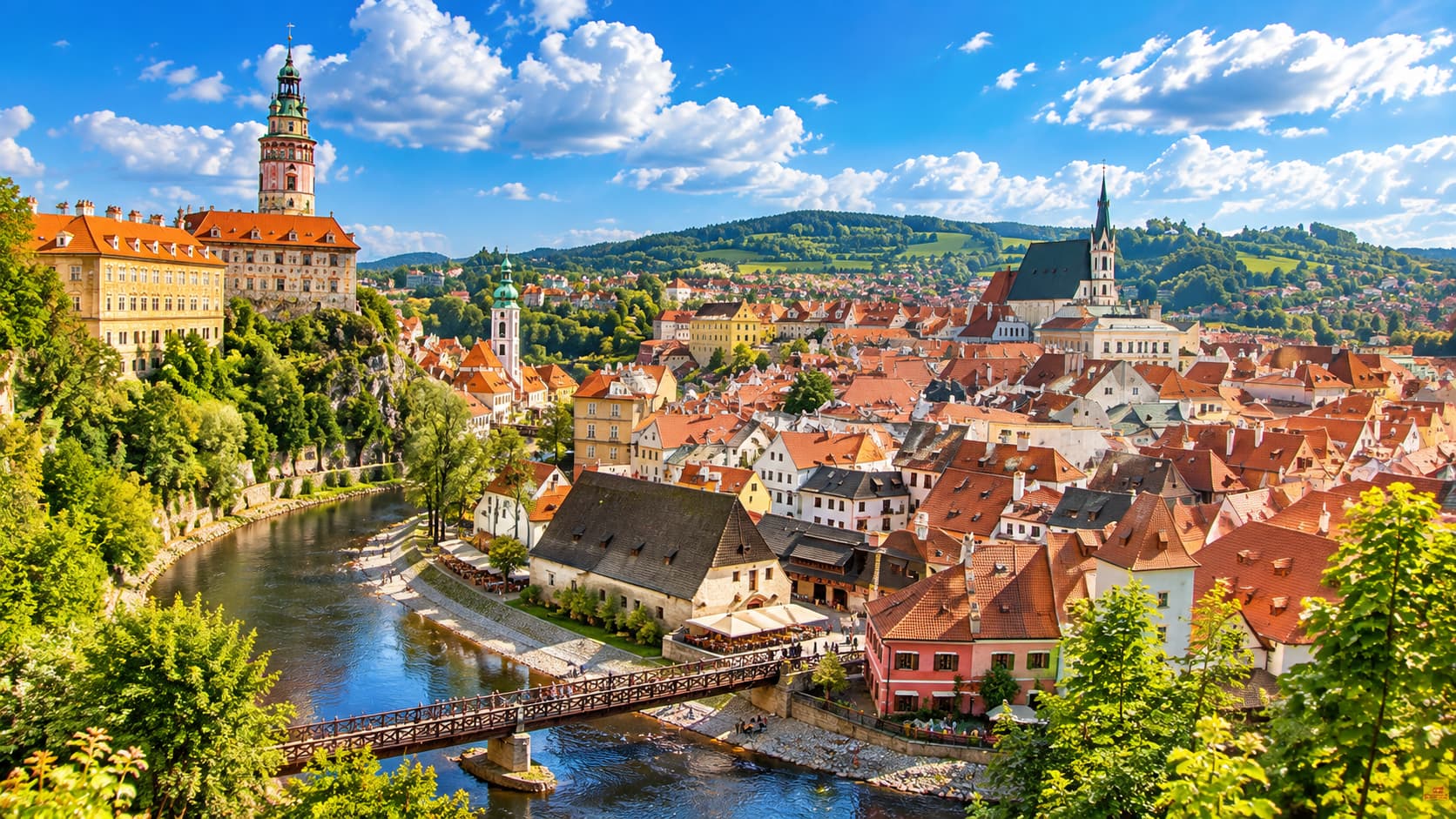
The Vltava River curves around the Old Town, creating one of the most distinctive urban landscapes in Central Europe. Walking through the historic center reveals narrow streets, intimate squares, traditional restaurants, galleries, cafés, and beautifully preserved buildings.
Dominating the town is Český Krumlov Castle, one of the largest castle complexes in the Czech Republic. Its colorful tower is an unmistakable part of the skyline, while its courtyards, gardens, historic interiors, and elevated walkways provide a fascinating look into centuries of aristocratic life.
One of the castle’s most remarkable attractions is its historic Baroque theater, which preserves original stage machinery and scenery.
During warmer months, the Vltava adds another dimension to the experience. Canoes and rafts travel around the river bends, while waterfront paths offer peaceful perspectives of the town.
Český Krumlov becomes particularly atmospheric in the evening, when many day visitors have departed and lights begin to illuminate the riverfront and castle.
Compact, beautiful, and highly walkable, Český Krumlov is an excellent destination for travelers searching for one of Central Europe’s most atmospheric historic towns.
How to Plan a Central Europe Trip
One of the advantages of traveling through Central Europe is the concentration of fascinating destinations within a relatively compact region.
Major cities such as Vienna, Prague, Budapest, Munich, Krakow, and Bratislava can serve as anchors for a longer itinerary, while smaller destinations such as Český Krumlov, Salzburg, Innsbruck, Ljubljana, Bern, and Lucerne can add historic charm or spectacular natural scenery.
Rail travel is particularly useful for many city-to-city journeys, allowing travelers to experience multiple countries without needing to fly between every destination.
If you have limited time, consider focusing on one geographical cluster rather than attempting to visit all 15 cities during a single trip.
For example, Prague, Český Krumlov, Vienna, Bratislava, and Budapest can form one itinerary, while Munich, Salzburg, and Innsbruck work naturally together for travelers interested in Bavaria and the Austrian Alps.
Switzerland can form another memorable route combining Zurich, Bern, and Lucerne.
What Is the Best Time to Visit Central Europe?
Central Europe can be explored throughout the year, but each season provides a different experience.
Spring brings milder weather, flowers, and increasingly long daylight hours, making it an attractive season for sightseeing.
Summer is ideal for outdoor cafés, lake activities, hiking, river cruises, and exploring Alpine landscapes, although popular destinations can also become busier.
Autumn brings cooler temperatures and colorful landscapes, creating excellent conditions for walking through historic cities and surrounding countryside.
Winter transforms destinations such as Vienna, Salzburg, Prague, Munich, and Budapest with festive lights and seasonal markets, while Alpine cities such as Innsbruck become gateways to winter sports.
The right season ultimately depends on whether your priority is city sightseeing, hiking, Christmas markets, cultural attractions, or winter adventures.
Final Thoughts: Which Central European Cities Should You Visit?
The best cities in Central Europe demonstrate just how diverse this relatively compact part of the continent can be.
Vienna, Prague, and Budapest showcase imperial history, monumental architecture, and centuries of cultural heritage.
Krakow, Dresden, Wrocław, Bratislava, and Ljubljana offer distinctive historic centers and fascinating local identities.
Zurich, Bern, and Lucerne combine Swiss urban life with lakes, rivers, and mountain scenery.
Meanwhile, Salzburg and Innsbruck provide exceptional access to the Austrian Alps, and Český Krumlov offers the atmosphere of a beautifully preserved historic town.
Rather than offering a single type of European experience, Central Europe allows travelers to move between Gothic cathedrals, imperial palaces, medieval squares, mountain peaks, riverside promenades, historic cafés, castles, lakes, and modern neighborhoods—often within the same journey.
That diversity is exactly what makes Central Europe such a rewarding region to explore.
Frequently Asked Questions About Visiting Central Europe
What are the best cities to visit in Central Europe?
Some of the most fascinating destinations include Prague, Vienna, Budapest, Krakow, Salzburg, Munich, Ljubljana, Lucerne, Zurich, Bern, Dresden, Wrocław, Bratislava, Innsbruck, and Český Krumlov.
Which Central European cities are good for first-time visitors?
Prague, Vienna, and Budapest are popular starting points because they combine major historical attractions, architecture, museums, food, and extensive cultural experiences. They can also be incorporated into a multi-city Central European itinerary.
What are the most beautiful cities in Central Europe?
Beauty is subjective, but travelers looking for historic architecture and dramatic scenery may particularly enjoy Prague, Vienna, Salzburg, Lucerne, Český Krumlov, Bern, Budapest, and Innsbruck.
Which Central European cities are best for mountain scenery?
Innsbruck offers particularly direct access to the Alps, while Salzburg, Lucerne, Zurich, Ljubljana, and Munich can also be combined with mountain and countryside excursions.
Is Central Europe good for a multi-city trip?
Yes. The relatively close proximity of many destinations makes Central Europe well suited to multi-city travel. Depending on your route, trains can connect several major destinations, making it possible to combine multiple countries within one journey.
How many days should you spend in Central Europe?
The ideal length depends on your itinerary. A shorter trip can focus on two or three cities, while two weeks or longer allows travelers to combine major capitals with smaller historic destinations and Alpine regions.
The key is not to include too many cities in too little time. Leaving enough time to explore historic neighborhoods, local food, museums, viewpoints, and nearby landscapes will usually create a more rewarding Central European journey.
Have any thoughts?
Share your reaction or leave a quick response — we’d love to hear what you think!
-
 2
2
-
 0
0
-
 0
0
-
 0
0
-
 0
0
-
 0
0